There is a version of this show that never got made, and you can feel its absence in every frame of the one that did. HBO began developing Bret Easton Ellis’s “The Shards” in April 2023 and had Luca Guadagnino attached to direct it. That fell apart in January 2025 over creative differences. Ryan Murphy was in talks to revive it within weeks, FX greenlit it in May, and the series order came through that July. So what arrived on August 5 is a rescue job, and the two episodes FX put out together are a fair advertisement for both what got saved and what got lost on the way.
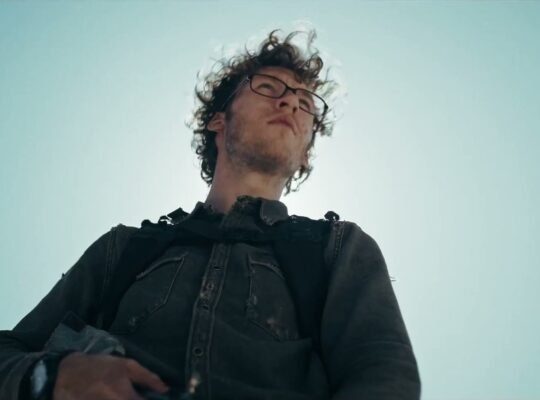
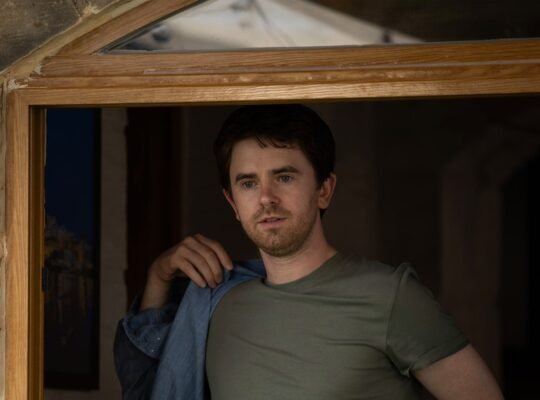
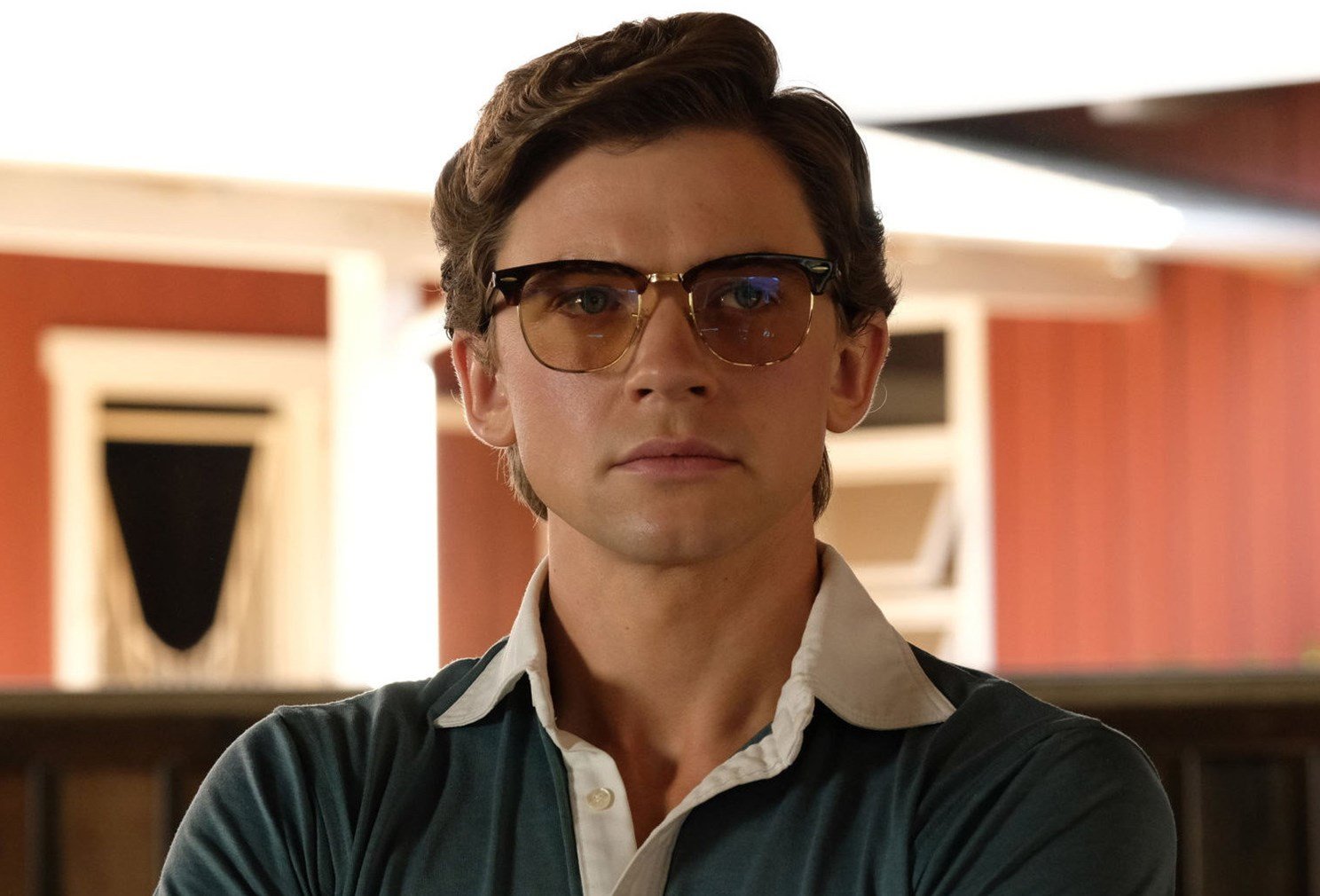
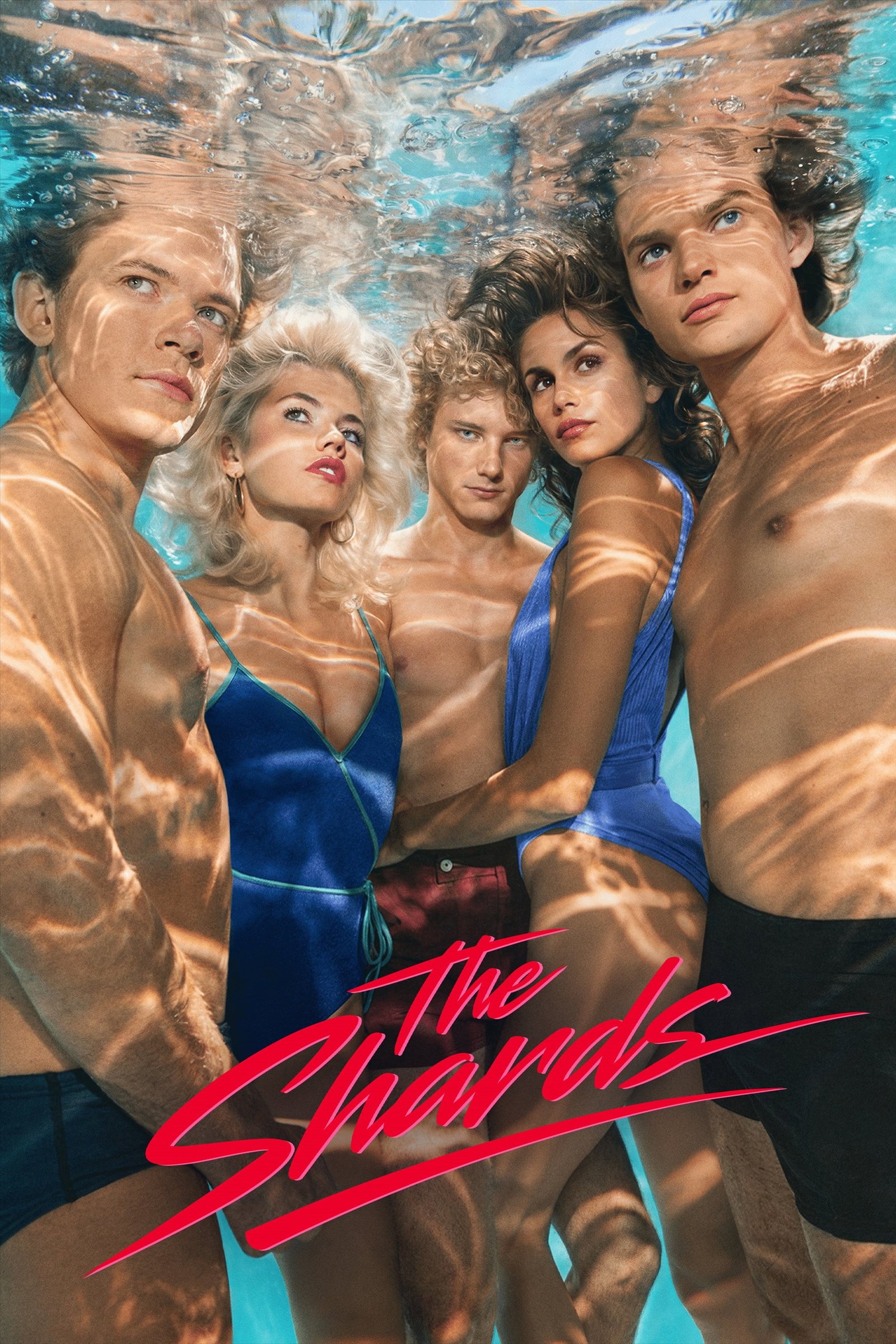
The first two hours dropped at once on FX and FX on Hulu, with the remaining seven going out weekly through a September 9 finale. Murphy and Ellis created it together and share showrunner duty, Max Winkler directs, and the score is a collaboration between Troye Sivan, Leland, Oscar Gorres and Hayes Warner, who is also in the cast. Igby Rigney plays Bret, the teenage version of the man who wrote the book. Kaia Gerber is Susan Reynolds, Homer Gere is Robert Mallory, Hayes Warner is Debbie Schaffer and Graham Campbell is Thom Wright, with Wes Bentley and Evan Rachel Wood as Debbie’s parents.
The novel it comes from runs on a single trick, and it is a good one: you never know how much of it Bret is making up. He is a seventeen year old liar writing about himself decades later, and the horror leaks out of that gap rather than out of the killings. Murphy’s version keeps the trick and then points at it, repeatedly, in the first hour, which is a bit like a magician explaining the palm before the card comes out. Warning beyond this point there are spoilers for “The Shards” season 1, both premiere episodes, and what is on the cassette tape at the end of episode 2.
There is a version of this show that never got made, and you can feel its absence in every frame of the one that did.”
The pilot opens on May 23, 1980, at a ten in the morning screening of “The Shining” in Westwood, where Bret spots a boy he does not know and cannot stop looking at. They never speak. That is the whole scene, and it is the best minute in the two hours, because it is the only stretch where the show trusts a feeling to carry itself. From there it cuts to a young woman named Katherine Latchford, whose dog has gone missing, whose fish have gone missing, and who keeps getting phone calls with nothing on the other end but breathing. She is putting up lost-pet flyers when she finds a whole board of them, other people’s animals, all gone. A figure in a hood takes her into a beige van.
Then it is the end of summer 1981 and we meet the circle: Bret, his girlfriend Debbie, whose father produces movies, Susan, who is class president and the richest of them, and Thom, who is Susan’s boyfriend and the one everybody likes. They drift between screenings and record stores and restaurants with the specific boredom of teenagers who have never been told no. Underneath it, Bret is sleeping with a boy named Matt and ending it badly. Robert Mallory transfers in, Bret recognises him from the theatre, and Robert flatly denies having ever seen “The Shining.” Bret follows him to the Galleria and they have it out at Tower Records, where Robert lands the line the episode wants you to keep: when you talk to me, you’re really talking to yourself.
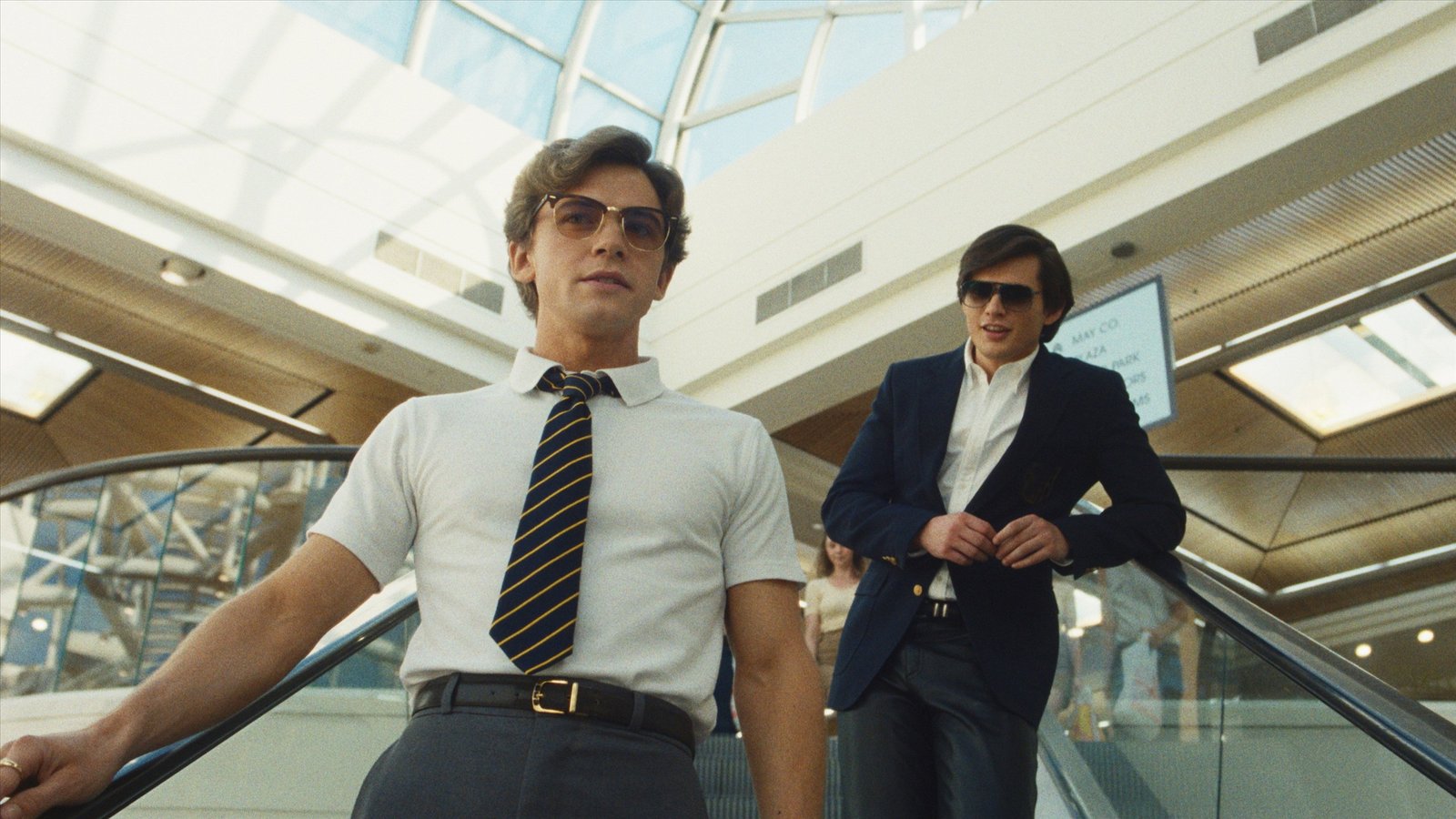
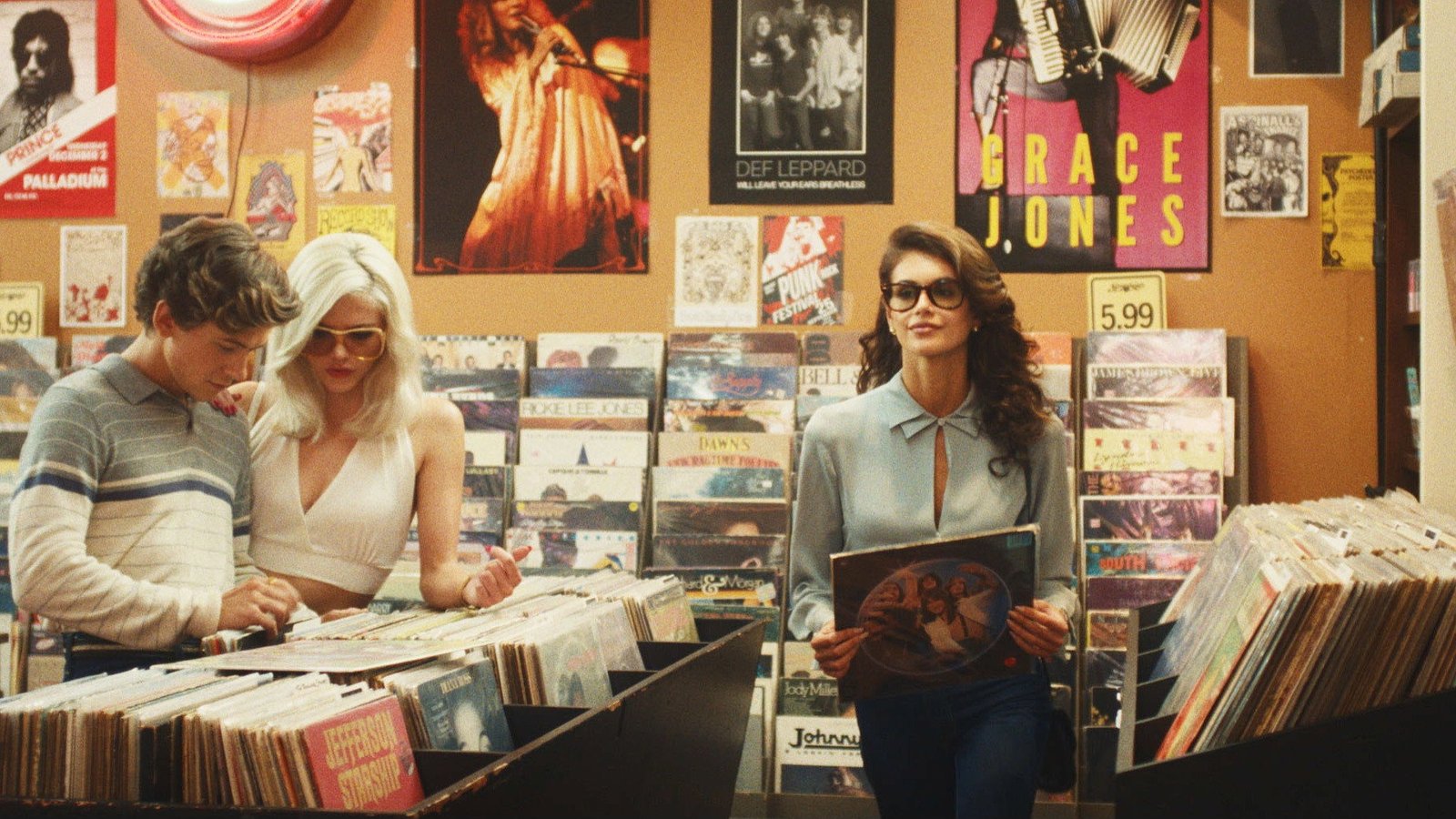
The news catches up in the back half. Three killings get tied to one man the papers are calling the Trawler, one of the bodies found behind that same Tower Records, and the missing pets turn out to be part of it. The hour ends with Bret picking up the phone to static, breathing, and then a boy screaming for help. It is an efficient pilot and it is doing a lot of work, and the thing that nags is how gorgeous all of it looks. The pools, the cars, the bedrooms, the clothes: Ellis wrote that world as a vacuum with money in it, and shot this way it just looks like somewhere you would want to live.
Episode two, “Don’t You Want Me,” is the better of the pair and also the one where the problem gets harder to ignore. Bret is alone in a house his parents left for Europe, hearing things, working himself deep into research on a second outfit called the Riders of the Afterlife. Susan announces that a girl from Marymount has gone missing and that she is throwing Robert a welcome party. The group softens on Robert once they learn he was institutionalised. Bret does not, and when he accuses Robert of following him to the mall, Susan tells him Robert says it was the other way round. At a club opening, Robert finds Bret and casually mentions Matt, a name Bret has told nobody, then says he intends to sleep with Susan.
Two scenes carry the hour. Bret walks into Matt’s house through an unlocked patio door and gets told the harassing phone calls and the pentagram painted on his poster have to stop, which Bret did not do and cannot prove he did not do. He tries to kiss Matt and is told this was never a serious thing. Then Debbie’s father, Terry Schaffer, takes him to lunch, dangles optioning his novel and an introduction to his agent, interrogates him about whether he is into men, and makes it quietly clear that Debbie and her mother do not need to hear about any of it. Wes Bentley plays it with no leer at all, which is what makes it land. Later, at Hamburger Hamlet, Susan reports that Matt has been gone five days and that his things turned up at Crystal Cove with blood on his ID, and Robert mentions knowing Bret’s parents are abroad.
Then Bret finds a cassette in the mailbox with his own name on it. What plays is Matt, drugged with LSD-25, being made to eat his own fish and to say out loud that he likes boys. Bret stops the tape and throws up. It is a genuinely sickening piece of television and the show is careful, to its credit, not to confirm that what we are watching is what happened rather than what Bret is picturing while he listens. It also stops short of telling us whether Matt is alive. That is the correct place to end an episode, and it is the first moment where the ambiguity feels earned rather than announced.
The reviews that went up the day it premiered were not kind and they were not wrong, and by that evening Rotten Tomatoes had it at 54 percent off the first two dozen critics counted, thirteen positive against eleven negative. IndieWire ran the word “broken” in the headline and described the season as watching somebody lose interest in a story while telling it. Variety’s read was blunter still, that the adaptation simply does not work and that Rigney is the thing worth keeping. TheWrap’s Kayleigh Donaldson made the comparison that stings most, arguing Murphy has essentially made his own “Euphoria” and signing off with the line that there is enjoyment to be had but what a big step down from the might of the book. On the evidence of these two hours, that is about right.
None of which makes it unwatchable, and Rigney really is very good, holding a character who has to be sympathetic and untrustworthy in the same shot. But Murphy has been on a run of shows that do not stick. “Doctor Odyssey” never came back after ABC let its cast options lapse, and “Grotesquerie” has sat on FX since 2024 without a second season. This one arrived carrying a book people are protective of and a director’s chair that once had Guadagnino in it, and the version we got sands the paranoia down into plot and shoots the emptiness like an advert. There are seven episodes left to prove that reading wrong. On this showing, we would not bet the house on it.
What Do You Think? Is the cassette real or is Bret imagining the whole thing, and does it matter to how you watch the rest? Is Robert Mallory too obvious a suspect to actually be the Trawler? And would the Guadagnino version at HBO have been the better show, or is that just the one we get to romanticise because nobody ever had to sit through it?
See you on the next binge!