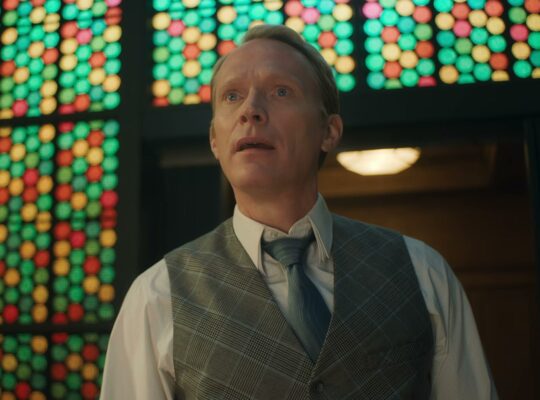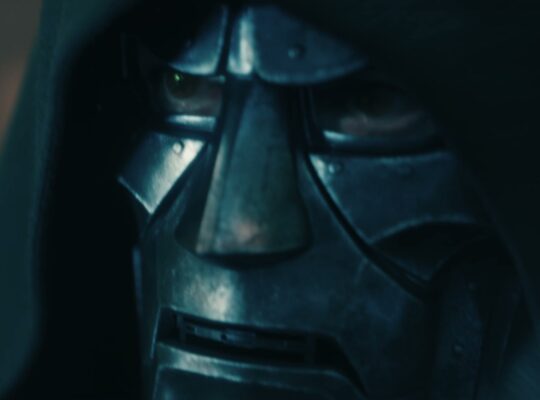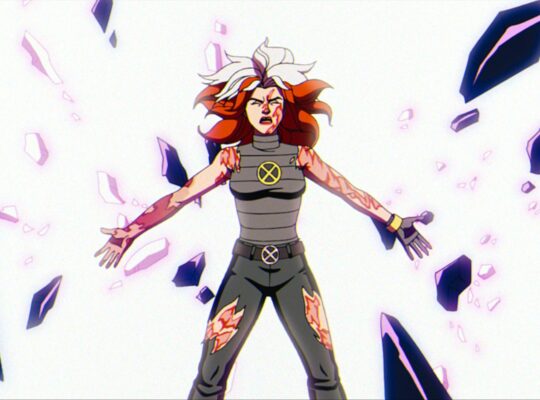
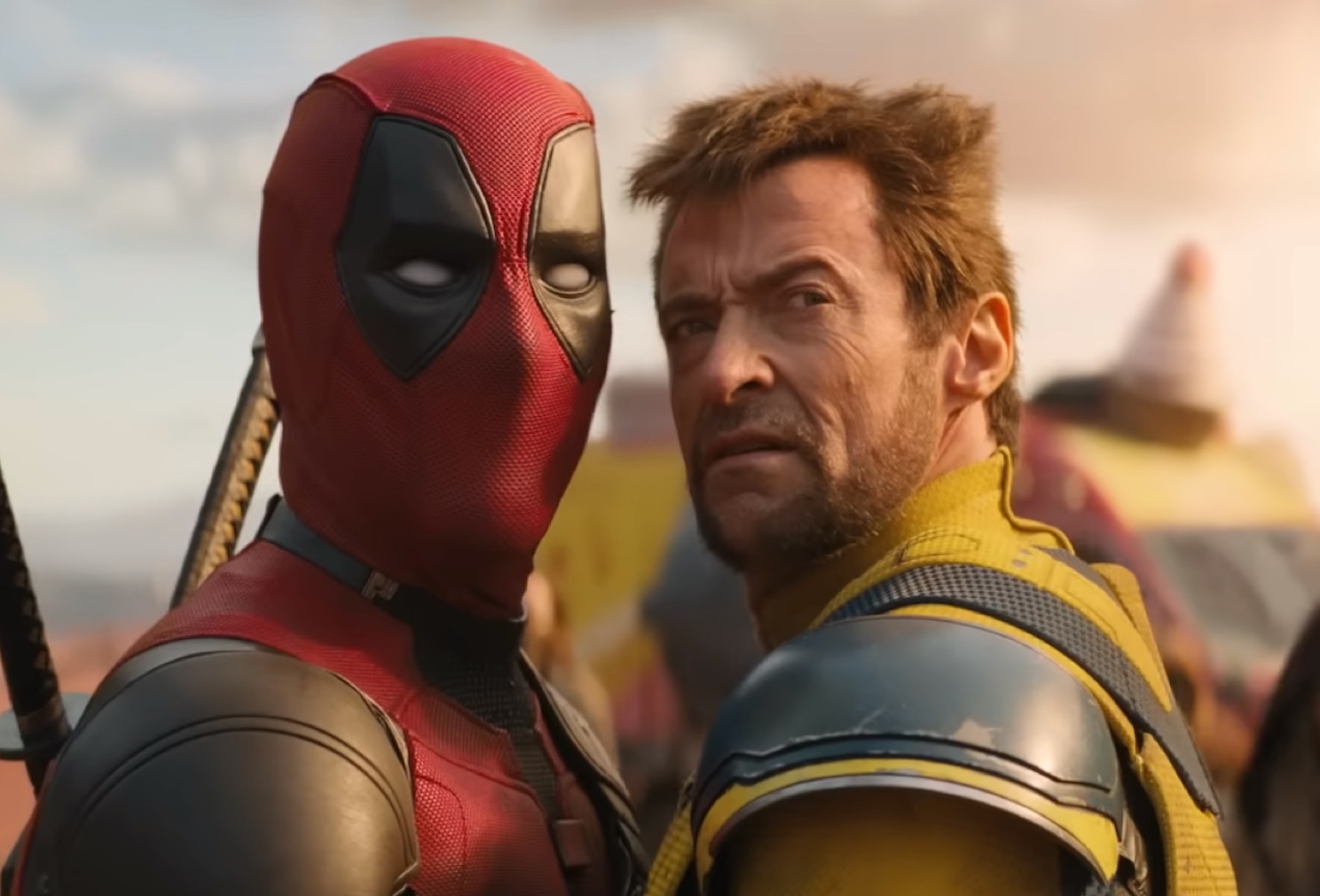
The multiverse is preparing for its ultimate reset, and the first voice we hear on the other side is going to be foul-mouthed. During the latest episode of the John Rocha Hot Mic podcast, industry insider Jeff Sneider dropped a massive piece of unconfirmed scheduling intel: Marvel Studios is positioning a fourth “Deadpool” film as the absolute first project to enter active development following the conclusion of “Avengers: Secret Wars”. When Sneider speaks on this specific podcast, the entertainment industry listens closely because his track record is virtually bulletproof. This is the exact same source who accurately predicted the earth-shattering return of Robert Downey Jr. as the villainous Doctor Doom, and he was the first to lock in the heavily debated casting of Sadie Sink as the new Jean Grey. Given his history of nailing the studio’s most guarded secrets, this scheduling rumor carries the weight of an unofficial corporate mandate.
Putting the regenerative degenerate at the vanguard of a newly rebooted cinematic timeline is a masterstroke of corporate synergy. Wade Wilson (Ryan Reynolds) serves as the perfect narrative bridge between the collapse of the old Fox universe and the dawn of whatever comes next. After the apocalyptic, emotionally draining stakes of a massive crossover event, the global audience will desperately require a palate cleanser. Utilizing a character who can literally break the fourth wall allows the studio to explain the new, complicated rules of the post-reset universe directly to the audience while mocking the very concept of continuity reboots. Reynolds wields an unprecedented level of creative control over this specific property, ensuring that the transition into the next phase of storytelling will be handled with his signature brand of violent, cynical irreverence rather than boring corporate exposition.
After the apocalyptic, emotionally draining stakes of a massive crossover event, the global audience will desperately require a palate cleanser.”
As part of our massive ChronoCut, tracking the MCU’s most recent era reveals exactly why this specific property needs to lead the charge into Phase 7. The timeline is currently fracturing under the weight of infinite variant, rogue TVA agents, and catastrophic incursions. By the time the credits roll on the multiversal war, the sacred timeline will be fundamentally reshaped, likely incorporating mutants permanently into the main continuity as everyday citizens rather than multiversal tourists. Having a self-aware antihero wander through this freshly combined reality gives the writers a chance to establish the new status quo through physical comedy rather than heavy-handed monologues. The script will inevitably poke fun at the new geography, the recasted heroes, and the sheer absurdity of comic book resurrection tropes, grounding the fantastical reset in a relatable, mocking perspective.
Examining Sneider’s previous scoops highlights the deliberate pacing of the studio’s long-term mutant strategy. When he correctly identified the Sadie Sink casting for “Spider-Man: Brand New Day”, it proved that the integration of the X-Men would be a localized, street-level slow burn rather than a sudden, massive team-up movie. Similarly, confirming the Doctor Doom pivot demonstrated that Marvel is willing to deploy its biggest financial anchors to guarantee box office dominance during critical transitional periods. A fourth solo outing for the regenerating assassin fits perfectly into this pattern, leveraging an established, billion-dollar brand to safely test the waters of a completely unknown cinematic phase. The studio is using proven commodities to anchor the narrative while the newer, riskier properties are slowly introduced in the background.
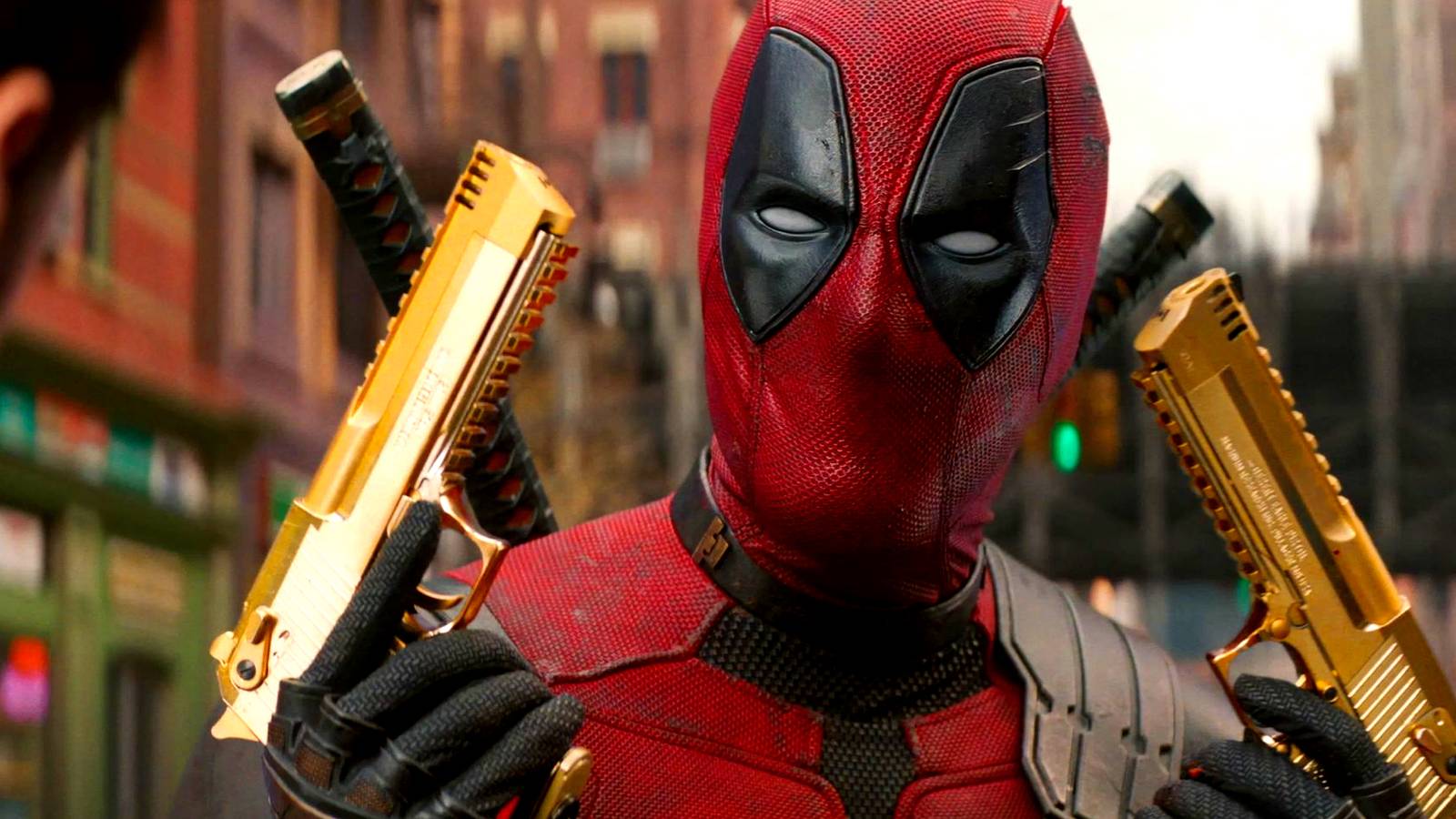
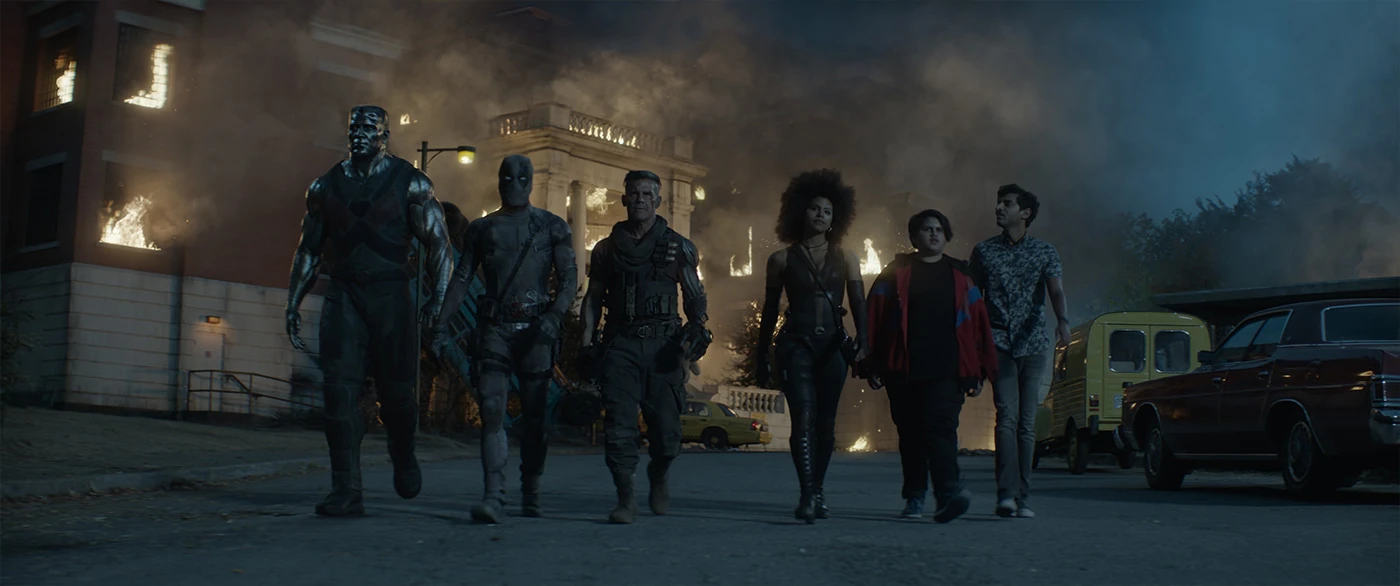
The logistical realities of post-production provide another compelling reason for this specific scheduling rumor. The visual effects pipeline required to bring a massive Avengers finale to life will completely exhaust the industry’s digital infrastructure, pushing render farms and vendor studios to their absolute breaking points. A traditional, R-rated action comedy relies much more heavily on practical stunt coordination, physical squibs, and on-location shooting than on entirely digital environments. By moving this project to the front of the line, the studio grants its overworked VFX artists a necessary reprieve while still delivering a massive, guaranteed hit to theaters. The choreography will likely favor the visceral, close-quarters combat that defined the character’s earlier films, allowing the stunt performers to take center stage over the computer animators.
Pushing this specific sequel to the front of the queue inevitably means the traditional mutant ensemble film is being delayed yet again. While fans have been clamoring for a proper X-Men team dynamic for nearly a decade, the executives clearly prefer the safety of a proven solo franchise to launch their new saga. This decision allows the writers to slowly introduce key mutant players as supporting characters or punchlines before assembling them into a formal roster. Furthermore, it gives the newly minted timeline a chance to breathe, establishing the societal prejudice against the mutant gene without having to immediately plunge into massive, world-ending stakes. The focus remains on character-driven chaos, establishing the ground rules of the new world before organizing a formal rebellion. Maintaining the uncompromising, mature tone of the franchise under the current corporate umbrella requires a delicate touch and a massive budget. The leading man’s unparalleled influence as a producer means he dictates the tempo of the production schedule, ensuring that the script meets his exacting standards before a single camera rolls. Filming outside the restrictive digital volume sets and utilizing the raw, uncontrolled elements of physical locations will preserve the gritty, tangible aesthetic that separates this property from the sterile perfection of its peers.
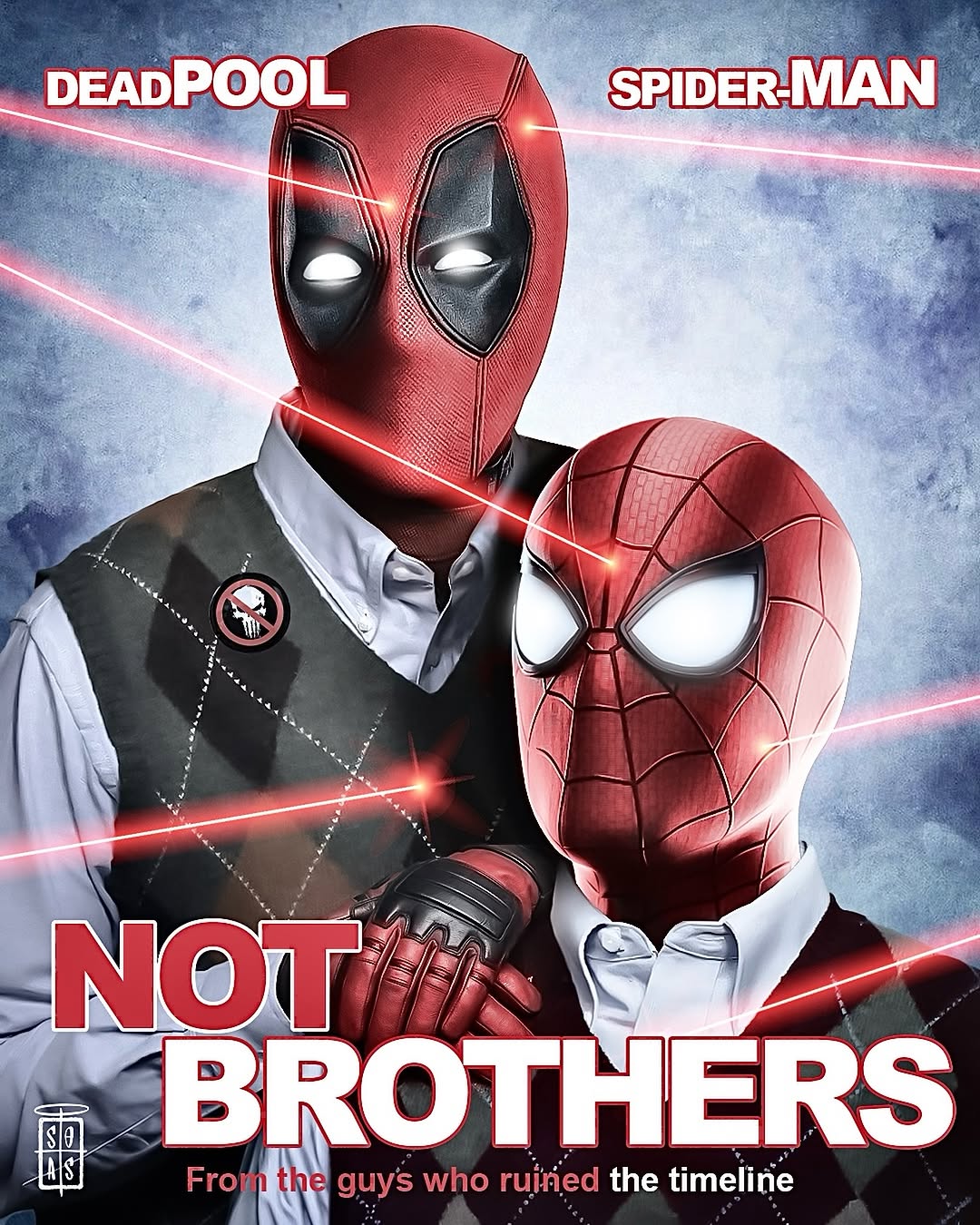
The wardrobe department will refine the iconic red suit, perhaps incorporating battle damage or subtle, meta redesigns that reflect his survival through the greatest conflict the multiverse has ever seen, keeping the visual language fresh while honoring the legacy.
s the dust begins to settle on the most ambitious cinematic experiment in Hollywood history, the roadmap for the future is slowly coming into focus. The choice to follow an epic, multi-billion-dollar tragedy with a violent, foul-mouthed comedy proves that the architects of this universe still understand the vital importance of tonal variety. The wait for an official slate announcement will likely stretch until the next major convention cycle, but the whispers coming from trusted insiders are simply too loud to ignore. The timeline might be broken, the legendary heroes might be exhausted, but the ultimate survivor is already sharpening his katanas for the next round of cinematic mayhem.
What do you think? Will a fourth installment feature a completely new supporting cast, or will the beloved remnants of the Fox universe survive the multiversal reset alongside the protagonist? How will the integration of a street-level Jean Grey impact the broader mutant narrative being established in this upcoming film? Should the studio delay the traditional mutant ensemble movie even further to focus on established, R-rated solo hits? Drop your theories in the comments below!
Catch up properly: every MCU movie and show in chronological order on our Timeline Hub’s MCU+ timeline.
See you on the next binge!