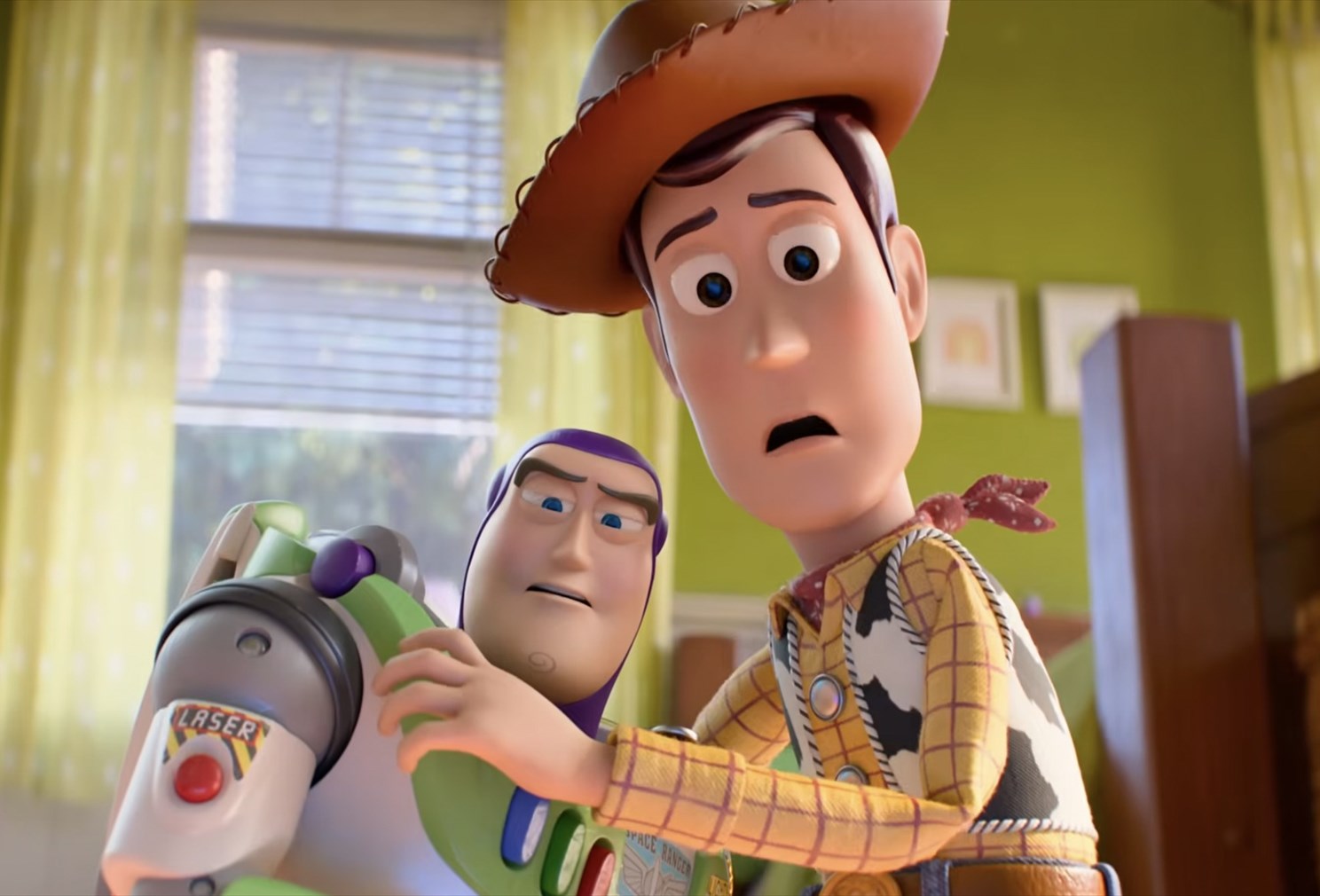
Pixar opened the toy box one more time today, and the whole industry is watching to see how much magic is left inside. “Toy Story 5” hits theaters nationwide, and after a franchise-record $71 million opening day, the studio has an early answer: quite a lot. The fifth entry in the series that essentially built modern computer animation arrives with enormous expectations and, so far, the box office to match, opening to the kind of numbers that make studio executives exhale.
The franchise-record opening day is the headline, and it deserves the attention. Seventy-one million dollars in a single day is not just strong, it is the biggest opening day the Toy Story series has ever posted, outpacing the beloved fourth film that many assumed had closed the story for good. Audiences did not have to come back for a fifth chapter. They came back anyway, in record numbers, and that turnout says something about the grip these characters still have on a multi-generational audience that grew up with them. Warning: beyond this point there are spoilers for Toy Story and the emotional stakes and premise of ‘Toy Story 5’.
Audiences did not have to come back for a fifth chapter. They came back anyway, in record numbers.”
The creative gamble underneath the numbers is real, though, and worth taking seriously. “Toy Story 4” ended with a genuine sense of closure, a bittersweet goodbye that felt like a full stop, and reopening a story that already stuck its landing is a risk. Franchises that keep going past their natural ending have a well-documented tendency to tarnish what came before, and Pixar knows this better than anyone, having navigated the sequel question across nearly its entire library. Coming back for a fifth round means having something worth saying, not just something worth selling.Whether “Toy Story 5” has that something is the question the opening-day crowd is answering in real time, and the early temperature is warm. The A-list voice cast anchors the return, with the central friendship that has powered every film still at the emotional core, and Pixar’s marketing has leaned on the generational hook: the kids who saw the first film in 1995 now have kids of their own, and the fifth chapter is engineered to be a family event across those generations. That is a powerful commercial engine when it works, and today it appears to be working.
For Pixar and Disney, the stakes extend well beyond one weekend. The animation studio has weathered a turbulent stretch, with several original films underperforming theatrically as audiences shifted animated viewing toward streaming, and a monster “Toy Story 5” opening is exactly the reassurance the division needs. It reestablishes that a marquee Pixar title can still command a theatrical event, that families will still turn out for the right property, and that the studio’s most valuable franchise remains a genuine draw. A record opening day rewrites a lot of gloomy narratives.
The competitive timing is worth noting, because it shapes the summer. “Toy Story 5” enters a season where family audiences have multiple options, and its performance sets the ceiling for what animated tentpoles can do in 2026. A strong hold over the coming weekends would signal that theatrical animation is far from dead, while a sharp drop would hand ammunition to the streaming-first skeptics. The opening day suggests the former, but animated films live and die on their second-weekend hold, when the initial family rush settles into the longer word-of-mouth run.
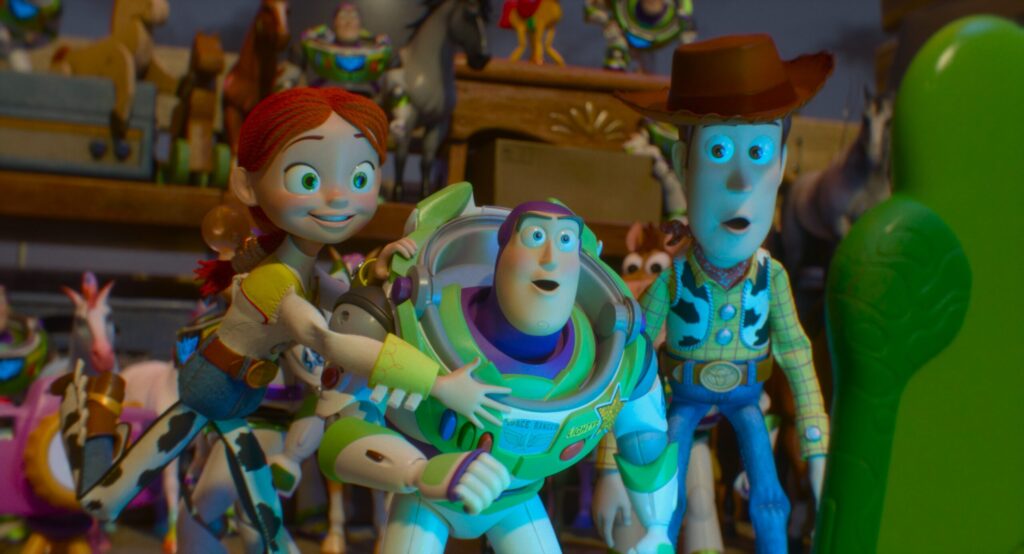
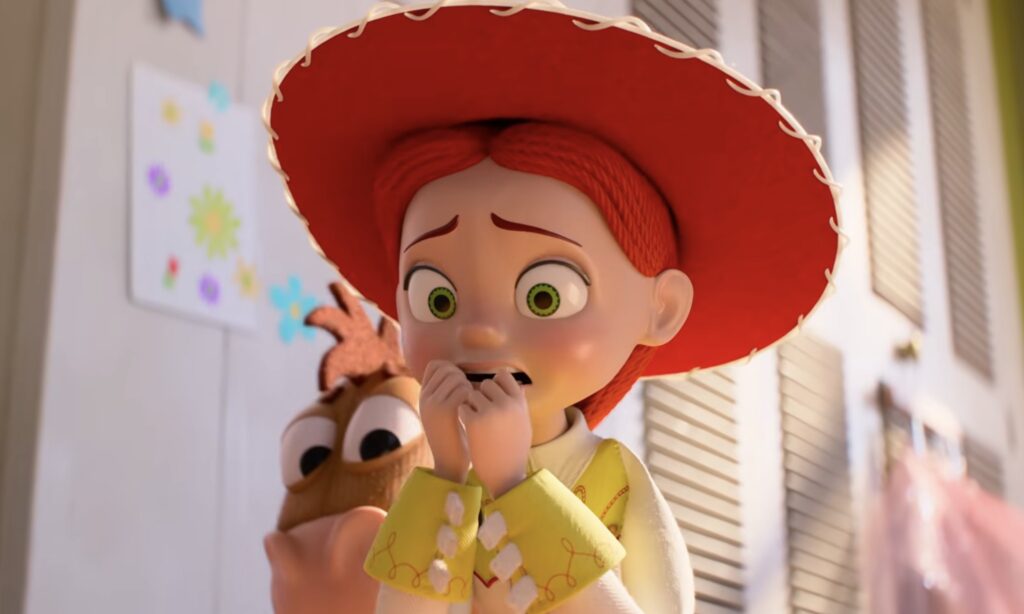
On the craft side, the Toy Story series has always been a technical showcase, and the fifth film continues the tradition of the franchise pushing Pixar’s rendering forward. Each entry has served as a demonstration of where computer animation stands, from the groundbreaking original through the increasingly sophisticated lighting, texture, and simulation work of the sequels. The visual leap between the 1995 film and today is one of the clearest illustrations of how far the medium has traveled, and a new entry is always partly a statement about what the studio’s tools can now do.
The BR team’s read is cautiously optimistic, with the emphasis on both words. The opening-day number is undeniable and the franchise’s emotional equity is enormous, but the real test is whether the film justifies its own existence creatively, whether it adds a worthy chapter or merely extends a story that had already ended well. Box office can tell you people showed up. It cannot tell you whether they left satisfied, and for a franchise this beloved, the second measure matters more than the first. We reserve final judgment for the hold and the word of mouth.
There is also a legacy dimension that hangs over every new Toy Story film. This is the series that launched Pixar, that proved computer animation could carry genuine emotional weight, that made a generation cry over the feelings of plastic playthings. Every sequel is measured not just against its predecessors but against the cultural weight of what the franchise represents, and that is an almost impossibly high bar. A record opening honors the commercial legacy. The creative legacy is judged in the theater, one tearful third act at a time.
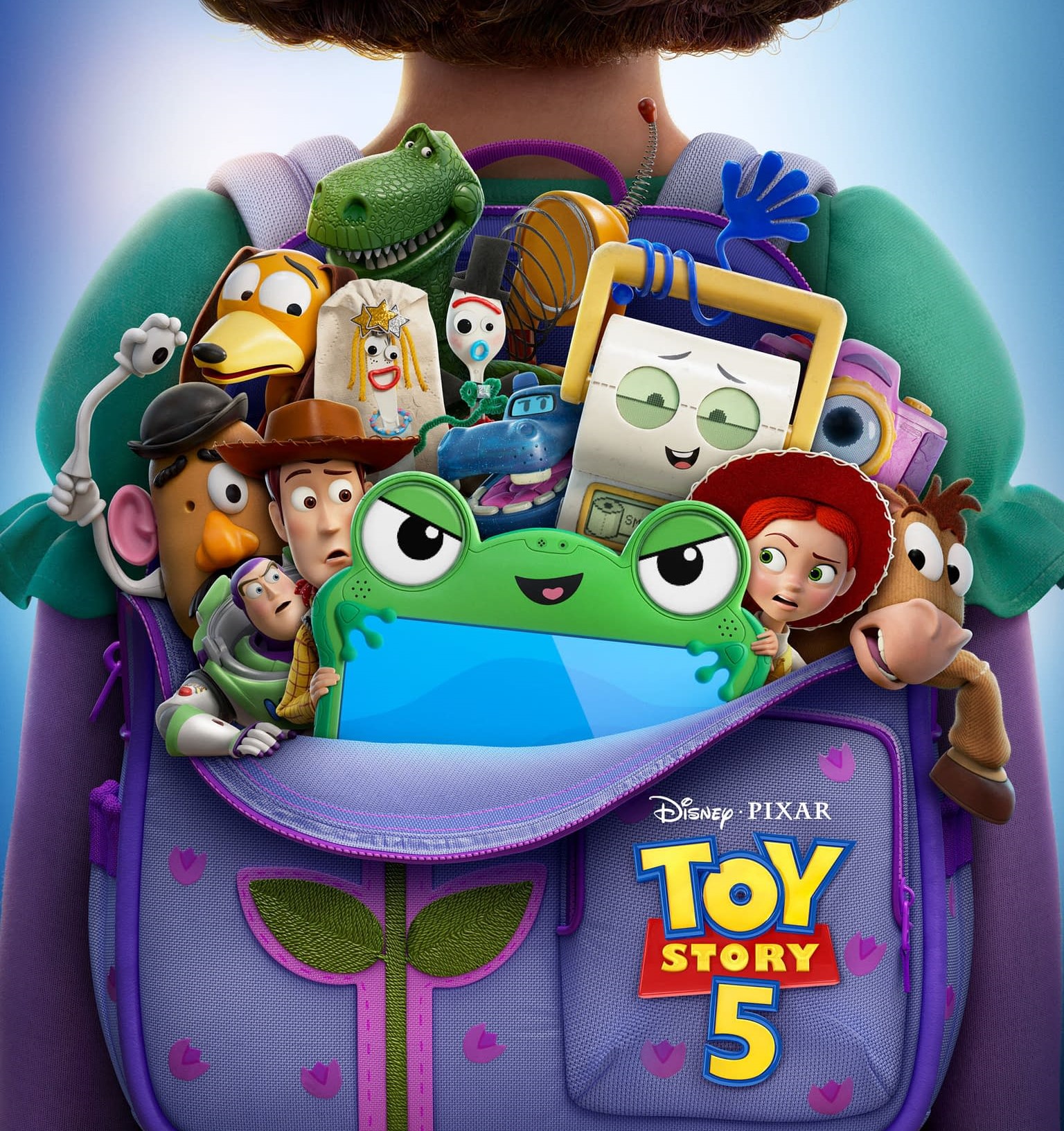
For now, the toys are back, the numbers are enormous, and Pixar can breathe. “Toy Story 5” has done the hard commercial work of getting audiences into seats on day one at a record pace, which is no small feat for a fifth film in a series that already had a perfect ending. Whether it earns its place in the franchise’s heart is a conversation for the coming weeks, once the tears are counted and the word of mouth settles. Today, at least, the magic in the box looks very much intact.
Our advice for families weighing the trip: this is a see-it-in-theaters release if there ever was one, both for the communal experience and because Pixar built these films to be felt in a dark room full of strangers reaching for tissues. The franchise has earned that ritual across three decades, and a fifth chapter with an opening this big suggests the ritual still means something to a lot of people. Bring the kids. Bring the tissues. Some things about this series never change, and that is precisely the point.
What Do You Think? Did “Toy Story 4” already deliver the perfect ending, making a fifth film unnecessary, or is there genuinely more worth saying with these characters? Does a franchise-record opening day prove theatrical animation is healthy, or is one nostalgia juggernaut hiding deeper trouble at Pixar? And how many more chapters can this series add before it risks tarnishing one of the most beloved runs in animation history?
Catch up properly: every Toy Story movie and short in chronological order on our Timeline Hub’s Toy Story timeline.
See you on the next binge!