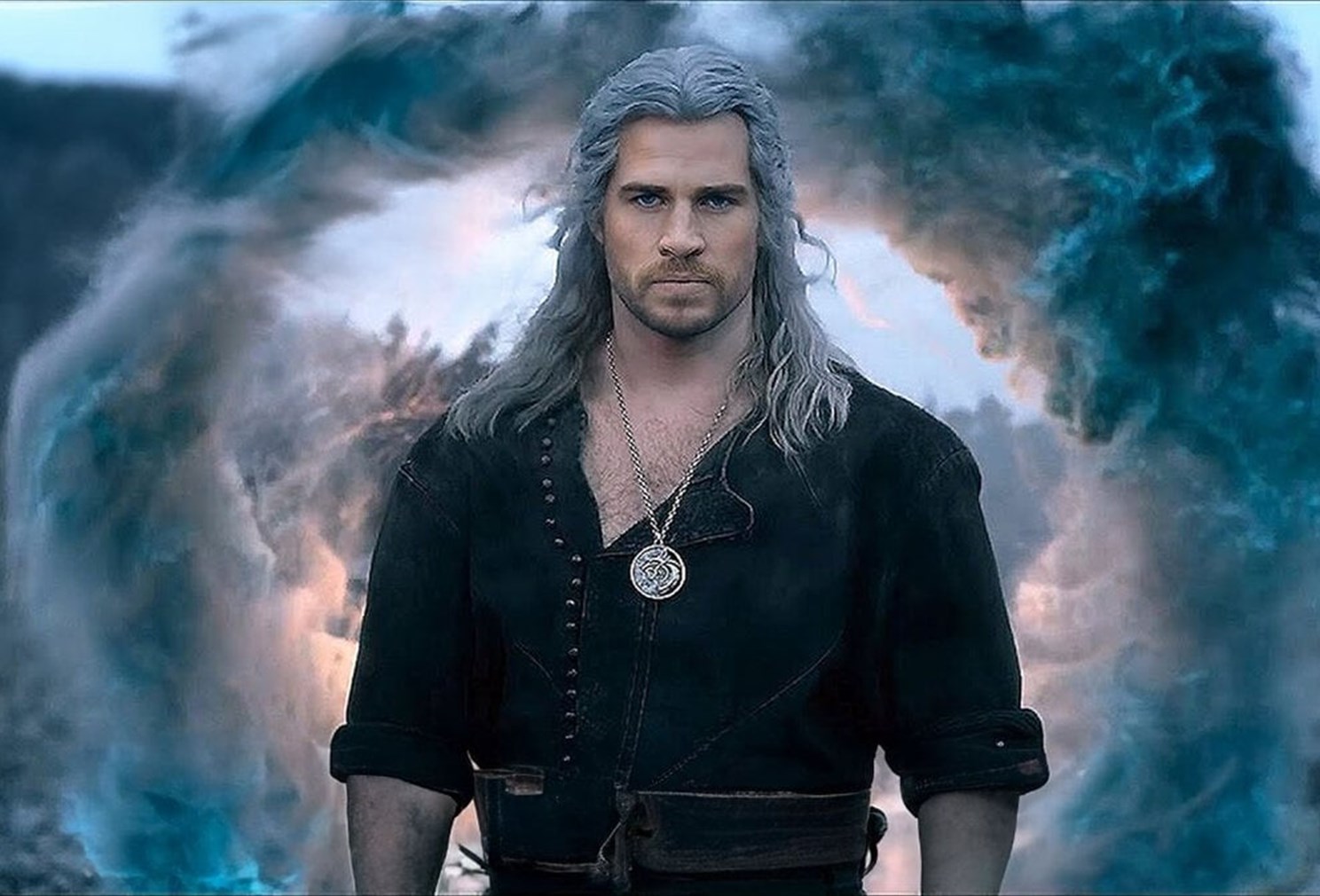
No streaming decision in recent memory has been dragged, doubted, and dissected quite like this one. When Netflix announced that Henry Cavill was walking away from “The Witcher” and Liam Hemsworth would inherit Geralt of Rivia’s twin swords, the fandom reacted like the show had personally insulted them. Two years of skepticism, memes, and outright hostility followed. On October 30, the talking finally stopped and the watching began: all eight episodes of Season 4 dropped at once, and the most scrutinized recast on television had nowhere left to hide.
Let’s be honest about the mountain Hemsworth is climbing. Cavill wasn’t just a good Geralt: he was a genuine book-and-games superfan whose passion for the source material became a huge part of the show’s identity, sometimes reportedly to the point of clashing with the writers over faithfulness. Fans didn’t just like his Geralt; they trusted him as one of their own. Replacing that isn’t a casting change, it’s a transplant, and everyone tuned in on day one with a scalpel out, ready to reject the new organ.
The show, to its credit, doesn’t pretend nothing happened. Season 4 opens in the aftermath of the Continent-shattering events of Season 3, with Geralt, Yennefer (Anya Chalotra), and Ciri (Freya Allan) violently separated by a raging war that has swallowed the whole world. That fracture is the smartest structural gift the writers could have handed a new lead: Geralt spends much of the season on his own path, building toward himself rather than being measured against old scenes, and Hemsworth gets to define the character through fresh material instead of re-performing Cavill’s greatest hits. Warning: beyond this point there are spoilers for “The Witcher” Season 4 and the new companions Geralt gathers on the road.
Replacing that isn’t a casting change, it’s a transplant, and everyone tuned in on day one with a scalpel out, ready to reject the new organ.”
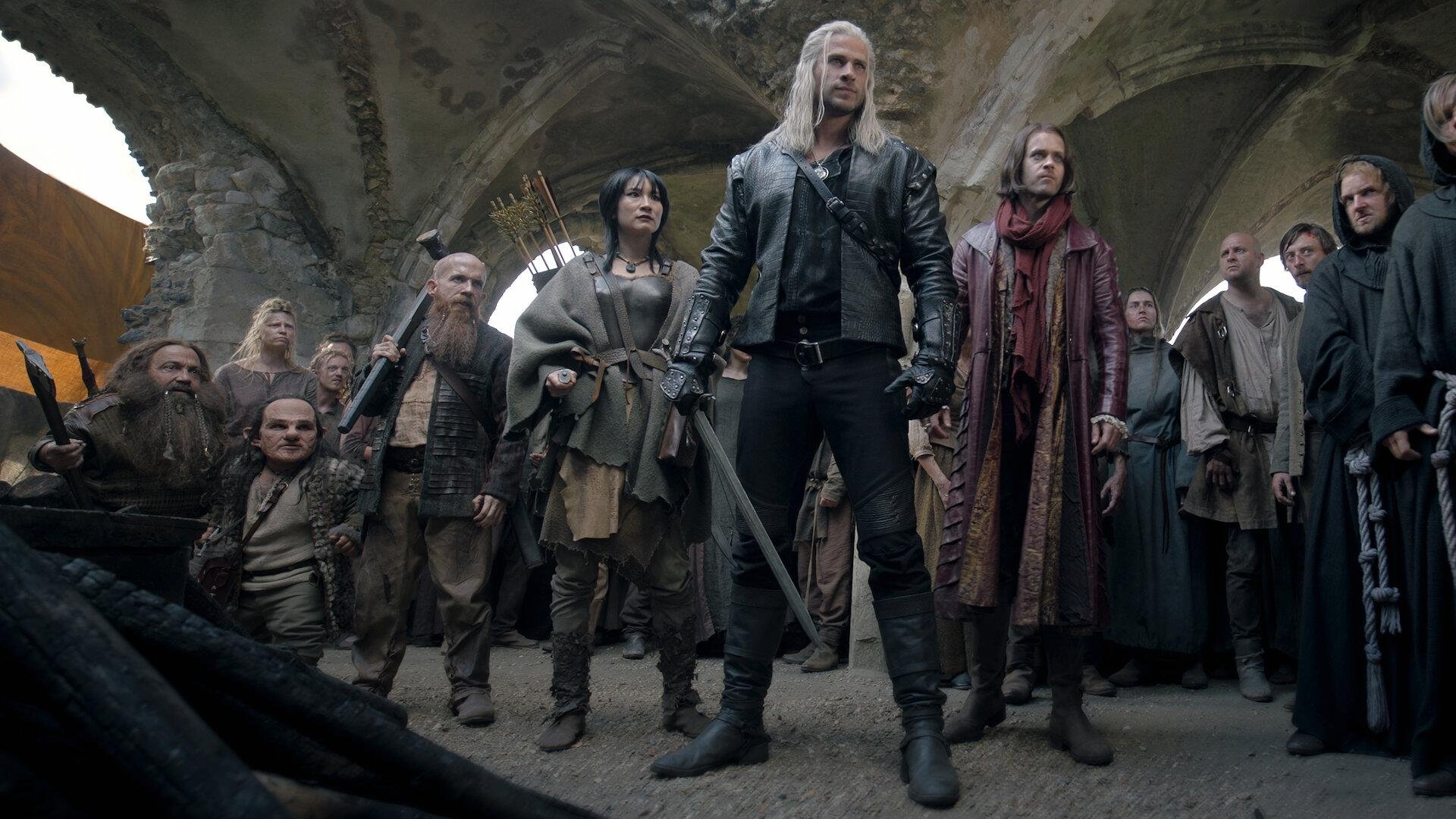
This season leans into “Baptism of Fire,” the point in Andrzej Sapkowski’s novels where Geralt stops being a lone wolf and, almost against his own grumbling will, assembles a found family of misfits to help him find Ciri. Book readers have wanted this arc on screen for years. Geralt gathers his hansa, a ragtag band of allies bound by loyalty more than sense, and the road-trip energy of a reluctant monster hunter stuck babysitting a crew of strays is exactly the kind of warmth the increasingly grim show needed. It humanizes Geralt in a way the isolated seasons never could, which conveniently also gives the new lead people to bounce off.
The headline addition is Laurence Fishburne as Regis, and it’s inspired casting. Regis is a fan favorite from the novels and games, a world-weary barber-surgeon with a courtly manner and a very large secret about what he actually is, and Fishburne brings exactly the gravitas and mischief the role demands. Every scene he shares with Geralt does double duty: it delivers a beloved character and it quietly props up Hemsworth, letting a screen veteran share the weight of carrying the audience through the transition. Smart shows surround a new lead with strength, and Season 4 clearly learned that lesson.
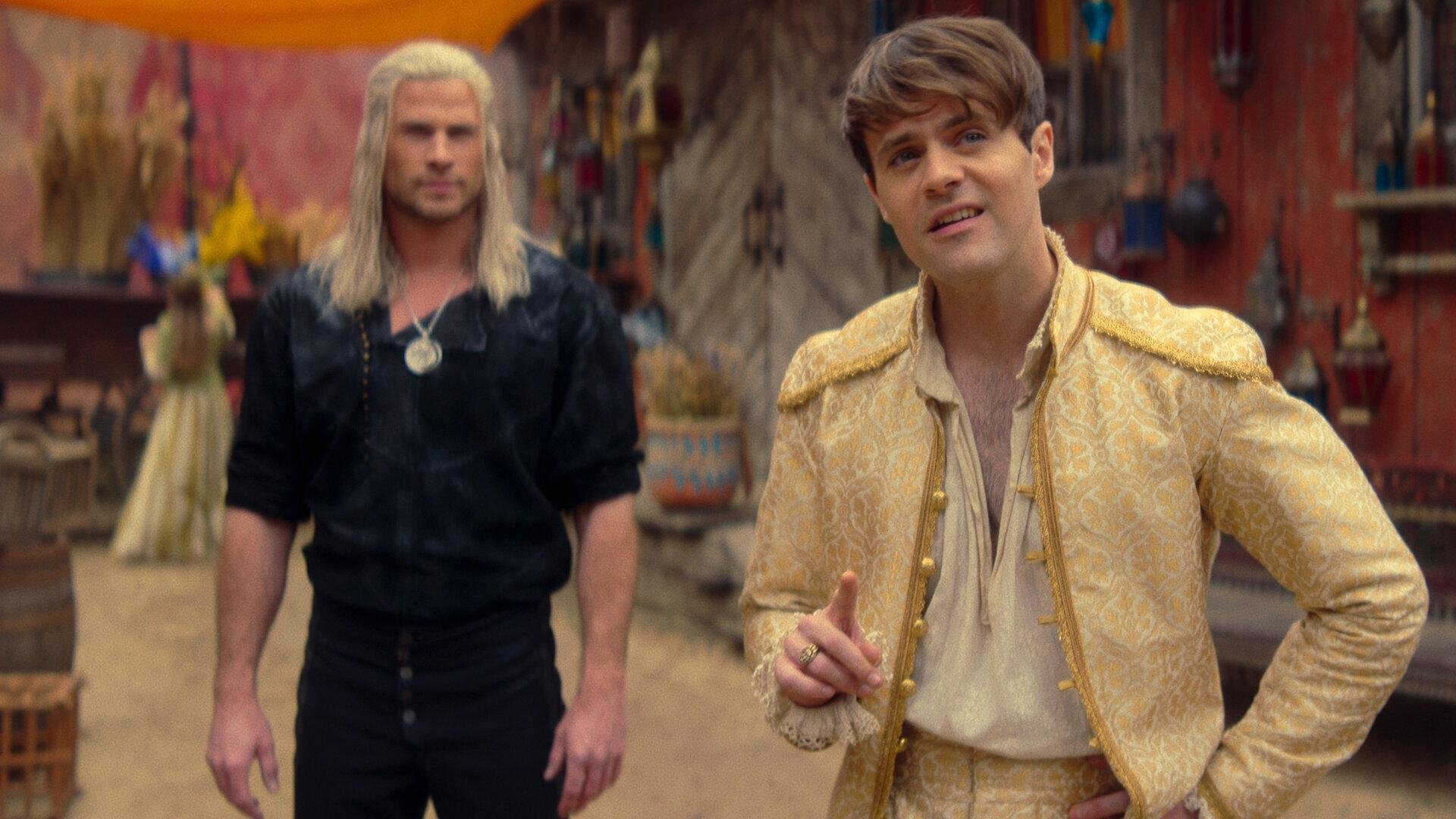
As for the man himself, the early verdict is that Hemsworth is doing something subtly different rather than a Cavill impression, and that’s the correct call even if it rankles purists. His Geralt is a touch younger, a touch more physical, still monosyllabic but with the gruffness pitched slightly differently. Whether that lands depends entirely on how much room a given viewer is willing to give him, and let’s not pretend the internet is famous for its patience. But the show gave him the right season to debut in, one about war, separation, and rebuilding, and that framing lets the recast breathe instead of demanding an instant verdict.
Netflix’s larger strategy is visible in the release model too. Dropping all eight episodes on a single Thursday is a bet that the best way to blunt a recast controversy is to let people binge through it fast, form an opinion based on a full arc, and move past the novelty of a new face by episode three. It’s the opposite of the weekly-anxiety rollout, and for a season this loaded it makes sense: you want the audience judging the story, not spending seven weeks relitigating the casting between installments.
The stakes stretch beyond one season, because this is the beginning of the end. Hemsworth is signed to carry Geralt through the show’s final two chapters, Seasons 4 and 5, which means Netflix isn’t asking fans to accept a temporary fill-in: it’s asking them to accept the actor who will close the entire saga. That’s a heavier request, and it explains why so much rides on these eight episodes landing. If the transition holds, the show gets a graceful finish. If it doesn’t, one of Netflix’s flagship fantasies limps to a bitter end that its detractors predicted from day one.
Where does that leave us? Cautiously curious, which after two years of pure dread counts as a win. The Witcher gambled everything on a hansa of new companions, a beloved book arc, and a leading man the fandom swore it would never accept. The show did the hard work of building him a fair stage. Now the only question left is whether the audience that spent two years sharpening its knives is willing to give the new Geralt a real chance, or whether the verdict was written before Hemsworth ever drew a sword.
What Do You Think? Is separating Geralt from Yennefer and Ciri the perfect cover for a recast, or does it rob the season of the trio chemistry that made the show work? Does Laurence Fishburne’s Regis end up stealing the season out from under a debuting lead, and is that a feature or a bug? And after two years of fan resistance, can Liam Hemsworth’s Geralt actually win over the holdouts before the series ends, or is the final verdict already locked in?
Catch up properly: every Witcher season, film and anime in chronological order on our Timeline Hub’s Witcher timeline.
See you on the next binge!