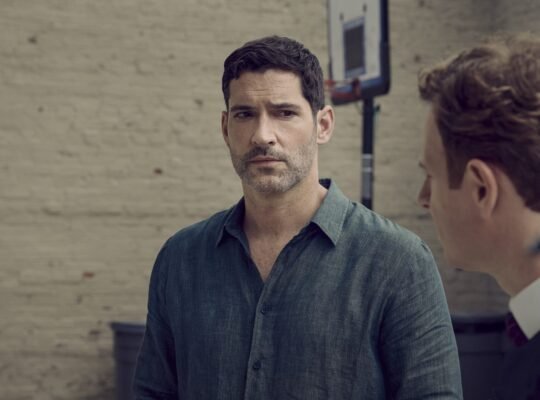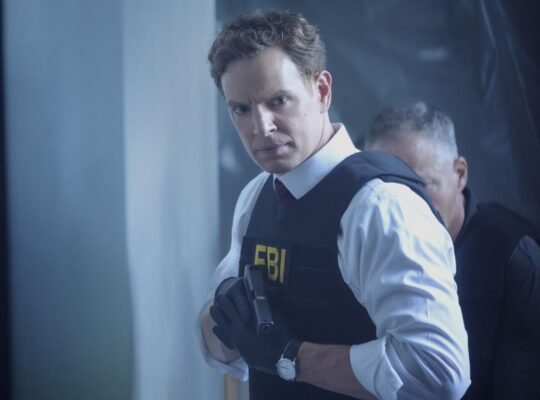
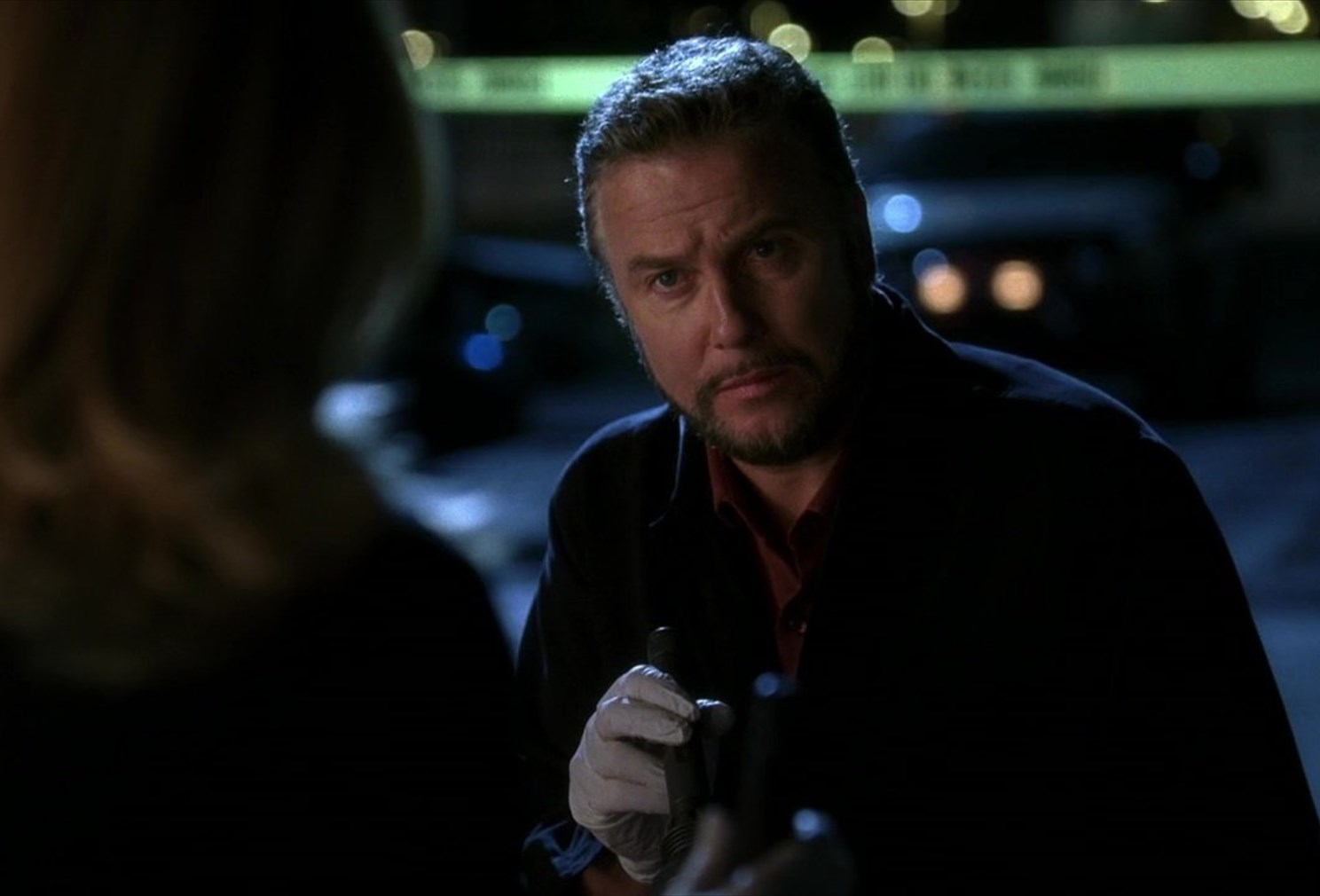
Twenty-five years ago this month, a quiet, methodical show about lab technicians shining flashlights at blood spatter premiered on CBS, and television was never quite the same. “CSI: Crime Scene Investigation” wasn’t supposed to be a phenomenon. It had no marquee stars, a decidedly unglamorous premise, and a lead who spent half his screen time talking to bugs. It became the most-watched show on the planet. As the franchise hits its quarter-century mark in October, it’s worth asking where it goes from here, and the answer, it turns out, is not “nowhere.”
To understand why the anniversary matters, you have to remember how much CSI changed the medium. Before it, the crime procedural was about detectives and interrogation rooms. CSI shifted the hero from the guy with the badge to the person with the swab and the microscope, and it made the evidence itself the star. Gil Grissom (William Petersen) and Catherine Willows (Marg Helgenberger) turned trace fibers and entry wounds into appointment television, and audiences ate it up. The show got so influential that criminologists coined the term “the CSI effect” to describe real juries expecting real trials to deliver the same tidy forensic certainty the show sold every week.
That influence rippled outward into an empire. CSI spun off into Miami, New York, and Cyber, blanketed CBS’s schedule for the better part of two decades, and made creator Anthony Zuiker and producer Jerry Bruckheimer forensic-drama royalty. At its peak the franchise was a genuine global juggernaut, dubbed and syndicated into a worldwide institution. For a show about the unglamorous grind of processing a crime scene, that reach is staggering, and it’s the real legacy the 25th anniversary is celebrating. Warning: beyond this point there are spoilers for the current state of the “CSI” franchise and its plans going forward.
It had no marquee stars, a decidedly unglamorous premise, and a lead who spent half his screen time talking to bugs. It became the most-watched show on the planet.”
The present is more complicated, and there’s no point pretending otherwise. “CSI: Vegas,” the revival that brought Grissom back and tried to hand the flashlight to a new generation, ran three seasons before CBS pulled the plug, a casualty of the broadcast industry’s brutal cost-cutting more than any failure of quality. So the franchise arrives at its milestone in a strange spot: beloved, foundational, endlessly rerun around the world, and yet without a single active series on the air. For a brand this big, that silence is jarring.
But the flashlight isn’t switched off. Reports indicate a new CSI show is in active development at CBS, proof that the network understands what it has sitting in the vault. A dormant CSI is a waste of one of the most valuable procedural brands ever built, and the appetite for grounded, case-driven crime drama has never really faded: it just keeps getting reshaped for streaming and shorter seasons. The question isn’t whether audiences still want CSI. It’s what shape the next version takes, and who’s steering it.
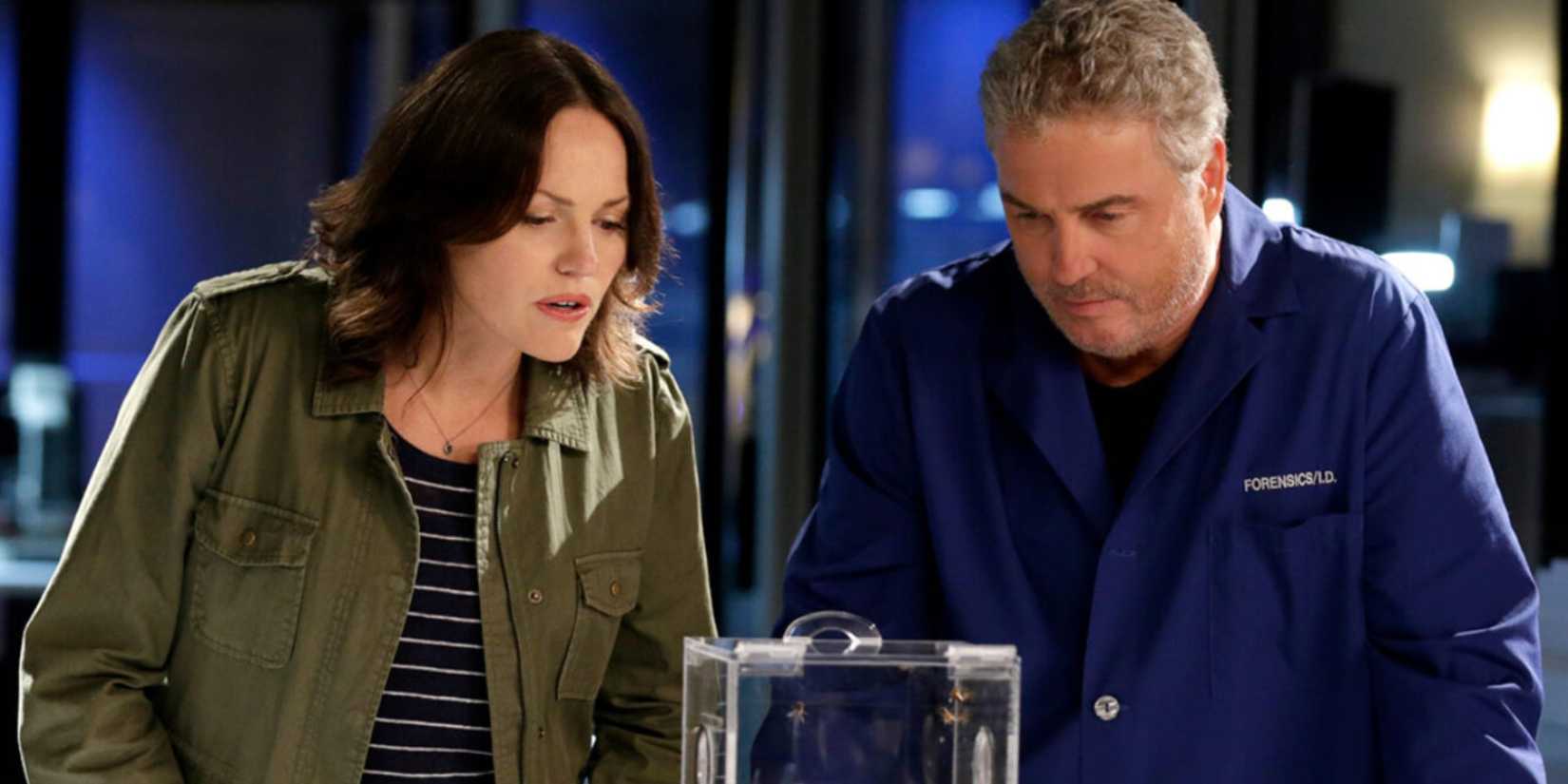
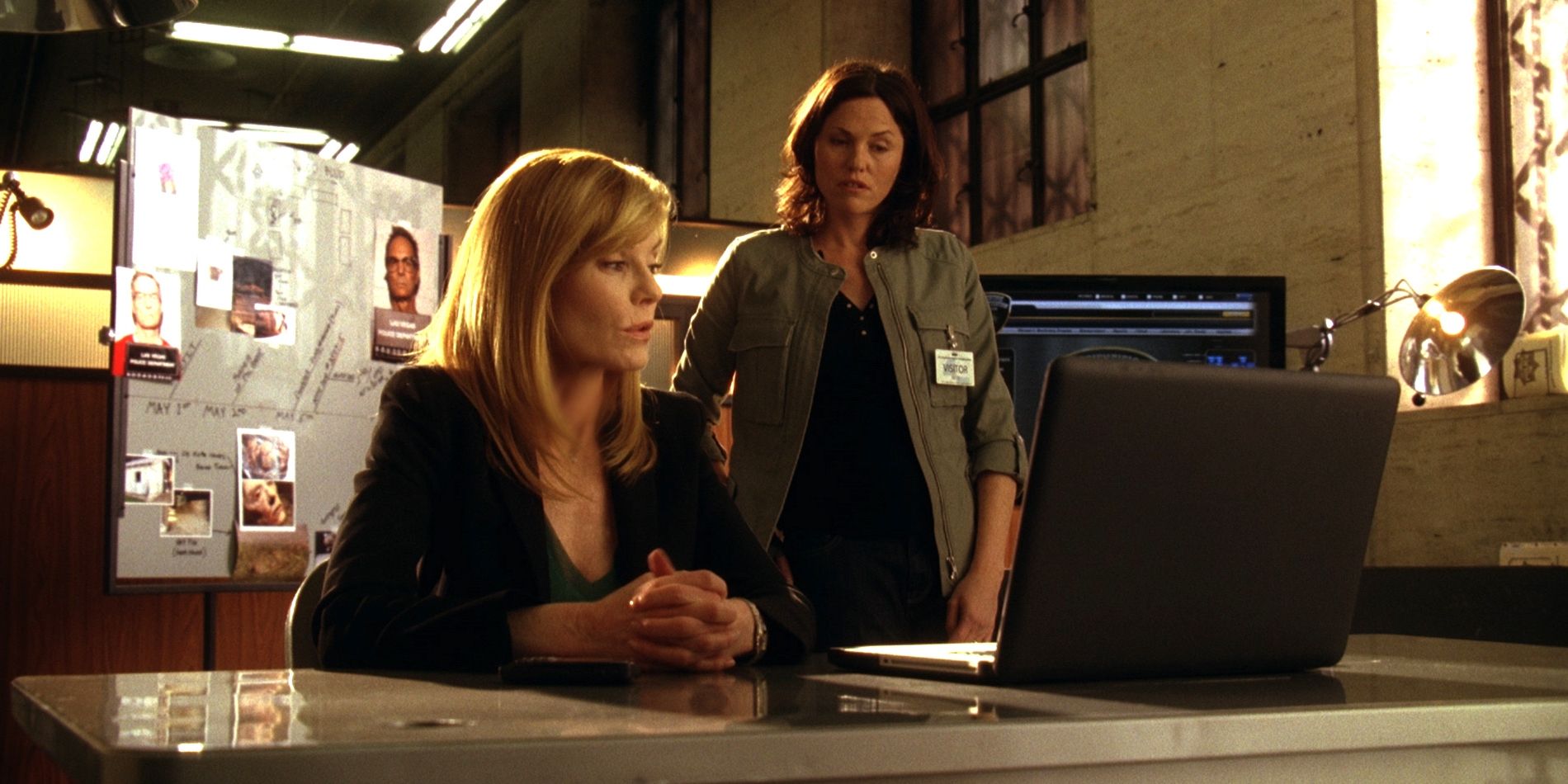
That last part is where it gets interesting. Zuiker, the man who dreamed the whole thing up, has been candid that he believes CSI only truly works with him involved, doubting that a younger showrunner without a personal attachment to the franchise could step into his shoes. There’s ego in that, sure, but there’s also a real argument buried inside it. The CSI formula looks simple and is deceptively hard to nail, the specific balance of science, character, and the almost forensic patience of the storytelling is easy to imitate and tough to actually reproduce. Plenty of copycats proved that over the years.
Zuiker has kept busy in the meantime, exploring the true-crime space that CSI’s fictional DNA helped make mainstream, including projects that pull the franchise’s investigative instincts into unscripted territory. It’s a telling pivot. The world that CSI helped create, a viewing public obsessed with evidence, timelines, and the mechanics of how a case gets cracked, is arguably bigger now than when the show launched, only it’s migrated into documentaries and podcasts. In a sense, CSI won so completely that its influence outgrew the format that started it.
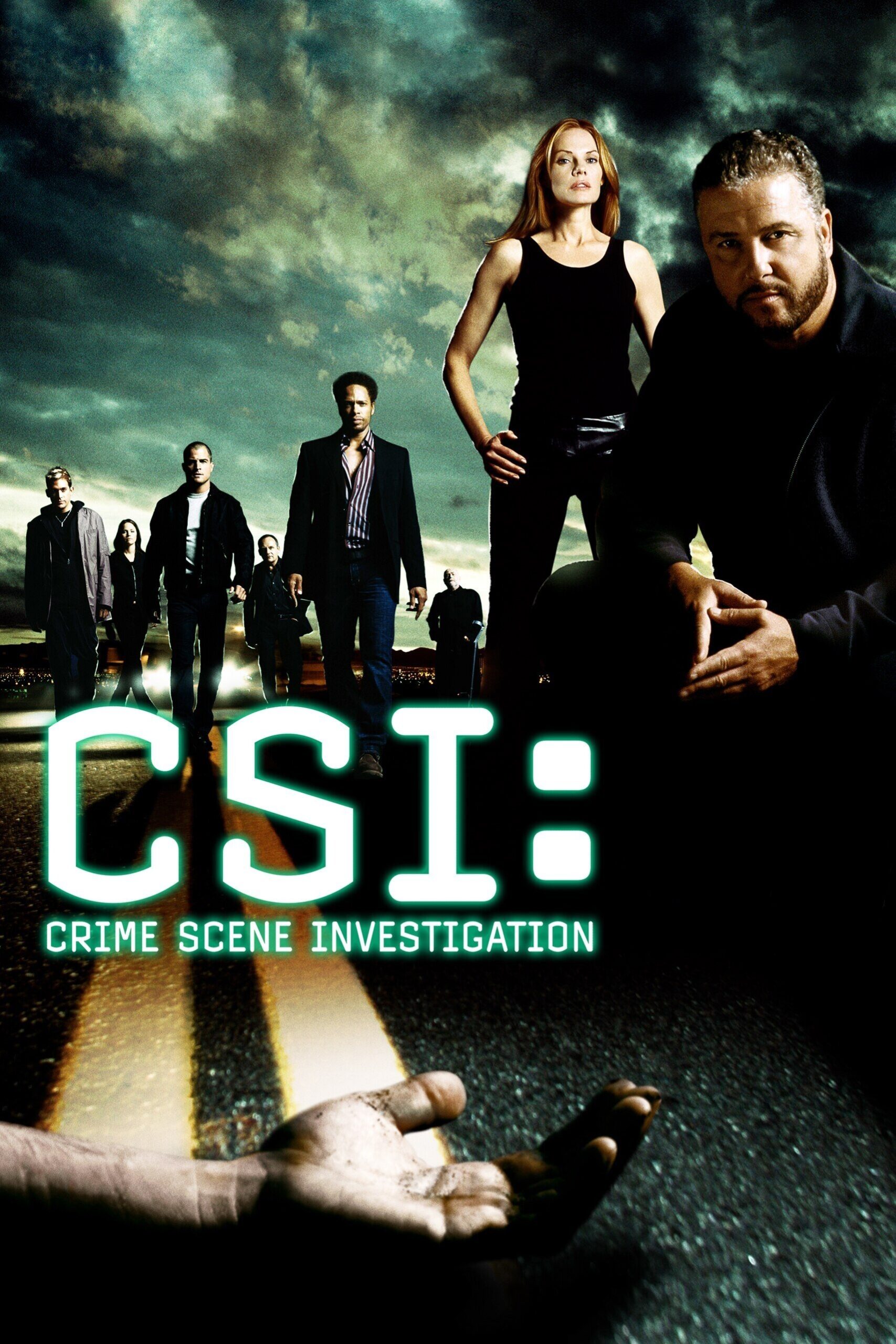
So the 25th birthday lands as both a victory lap and a crossroads. The franchise’s fingerprints are all over modern television, its reruns still pull viewers in dozens of countries, and a new series is being quietly assembled somewhere in the CBS pipeline. Whether that next chapter recaptures the old magic depends on the eternal revival question: honor what made it work without simply xeroxing it. Twenty-five years ago, a show about lab rats and blood spatter proved the whole industry wrong about what audiences wanted. Betting against it now would be its own kind of forensic error.
What Do You Think? Is Anthony Zuiker right that “CSI” only works with him at the helm, or has the franchise grown bigger than any single creator? After the cancellation of “CSI: Vegas,” what should a new series do differently to survive in the streaming era? And now that true-crime documentaries and podcasts dominate the culture, did “CSI” ultimately win by inventing an audience that outgrew the show itself?
See you on the next binge!