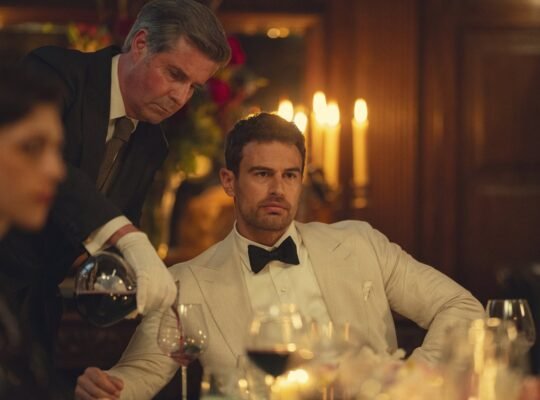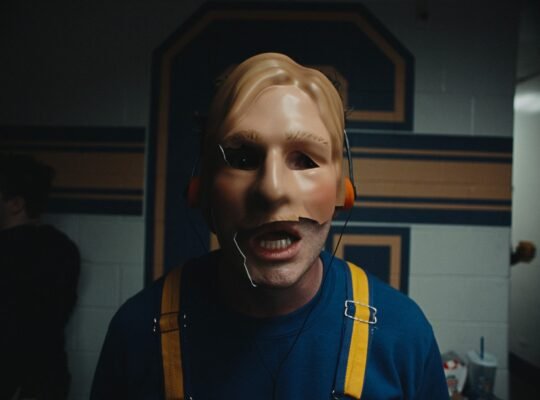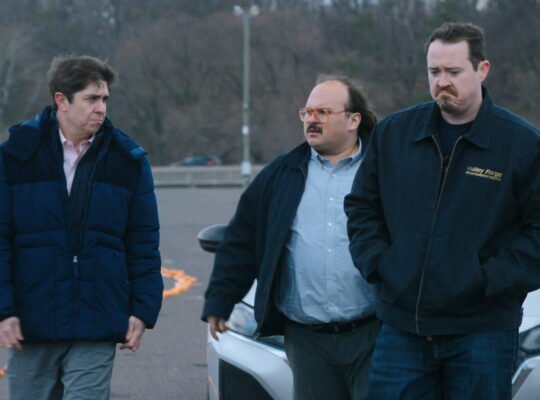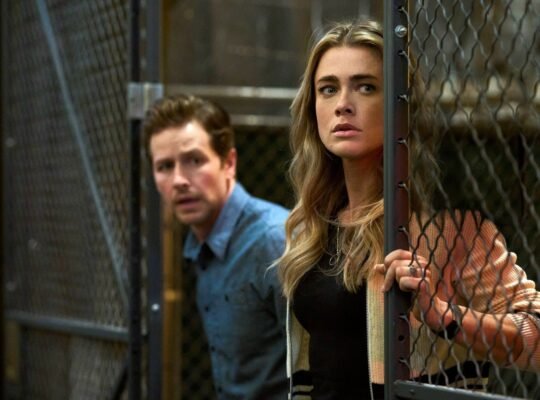
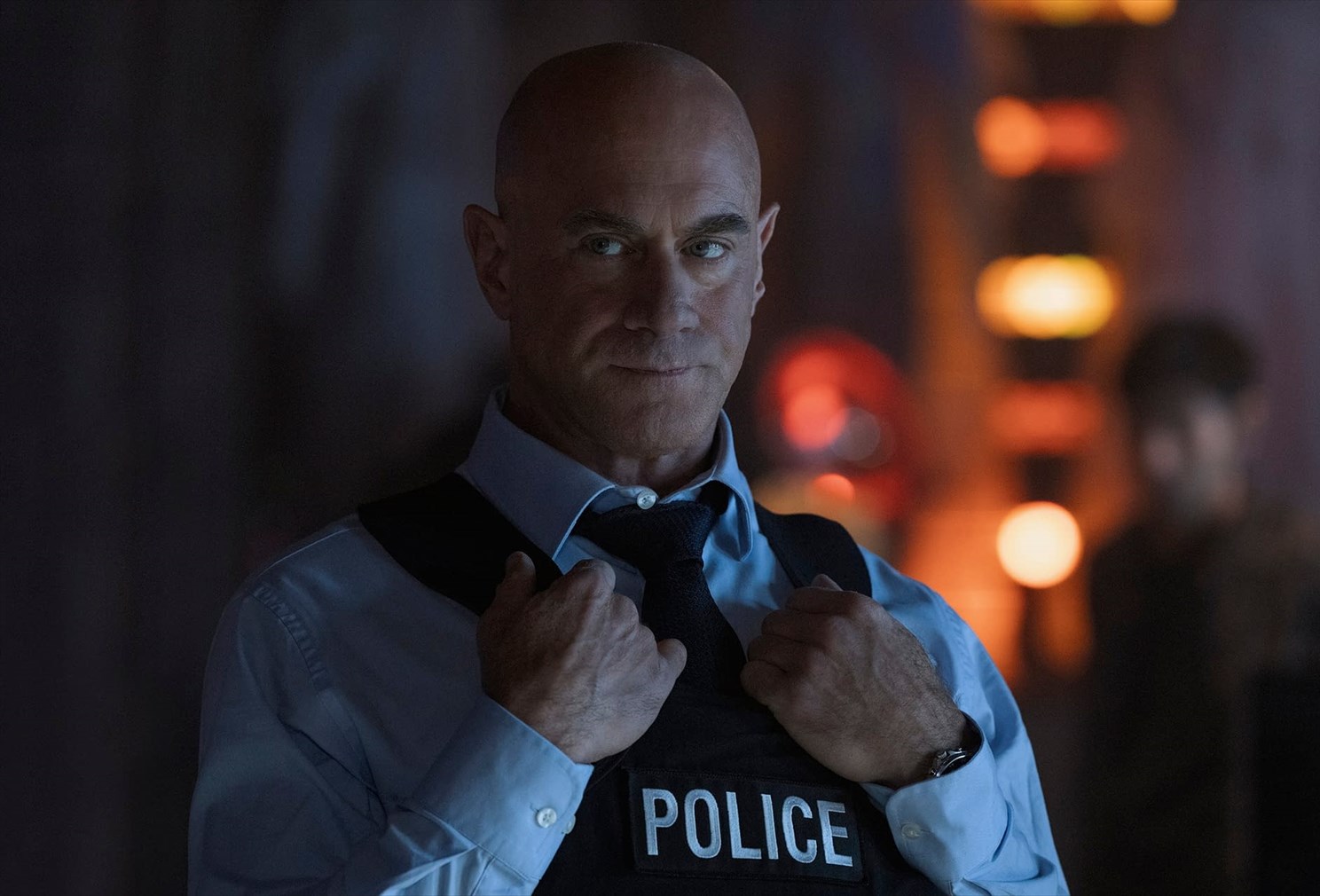
Elliot Stabler has spent his entire television life on NBC. For twelve seasons on “Law & Order: SVU” and four more on his own spinoff, the perpetually furious detective has punched, brooded, and rule-broken his way across broadcast primetime. So there’s something quietly historic about where his story picks up this spring: “Law & Order: Organized Crime” returned for its fifth season not on NBC at all, but as a Peacock original, with the first episodes dropping on the streamer April 17. One of the pillars of the most durable franchise in television is officially going streaming.
Christopher Meloni is back as Elliot Stabler, and the move to Peacock is more than a scheduling footnote: it’s a signal about where even the most old-fashioned network institutions are heading. “Organized Crime” has always been the moodier, more serialized cousin in the “Law & Order” family, trading the franchise’s classic case-of-the-week rhythm for long, dark arcs about Stabler burrowing deep undercover into criminal empires. That serialized DNA arguably fits a streaming home better than a broadcast one, where bingeable, continuous stories are the whole game. In a way, the show is finally landing on the platform its storytelling was built for. Warning: beyond this point there are spoilers for “Law & Order: Organized Crime” Season 5 and Elliot Stabler’s ongoing arc.
That a brand can stay this vital across thirty-five years, multiple decades of cultural change, and the entire rise of streaming is a feat almost no other property can claim. The “dun dun” sound effect might be the most recognizable two notes on television.”
It’s worth pausing on how extraordinary the survival of this whole enterprise is. Dick Wolf launched “Law & Order” in 1990. The mothership is now deep into its twenties as a series, “SVU” has become the longest-running primetime live-action scripted series in American television history, and the franchise keeps generating spinoffs the way other shows generate cancellations. That a brand can stay this vital across thirty-five years, multiple decades of cultural change, and the entire rise of streaming is a feat almost no other property can claim. The “dun dun” sound effect might be the most recognizable two notes on television.
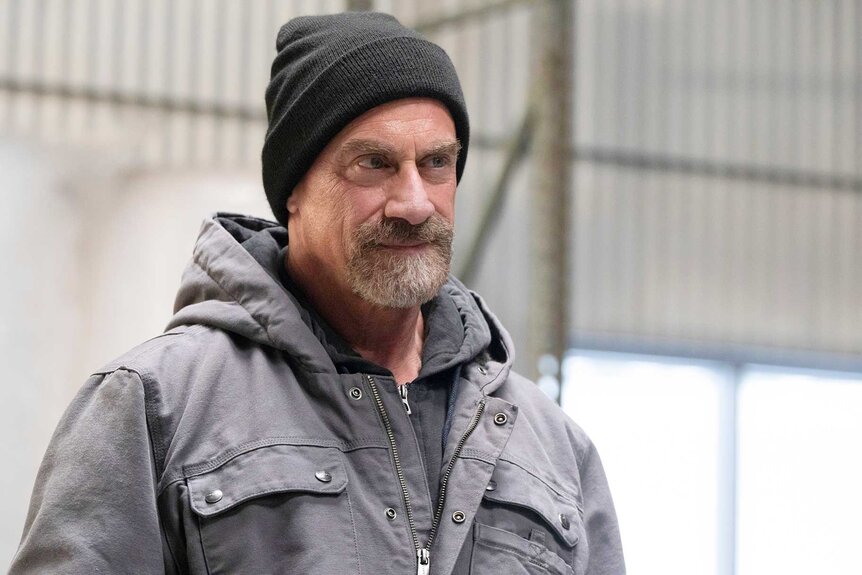
What makes the Stabler saga compelling, and what “Organized Crime” has leaned into hard, is that Elliot is a genuinely broken man. He returned to the franchise years ago carrying the death of his wife and a lifetime of buried rage, and the spinoff has treated him less as a hero and more as a walking wound with a badge. Season 5 continues that descent: the toll the job takes, the relationships it corrodes, the thin and fraying line between the cop and the criminals he impersonates. It’s a more psychologically punishing character study than the franchise’s reputation for tidy procedural closure would suggest.
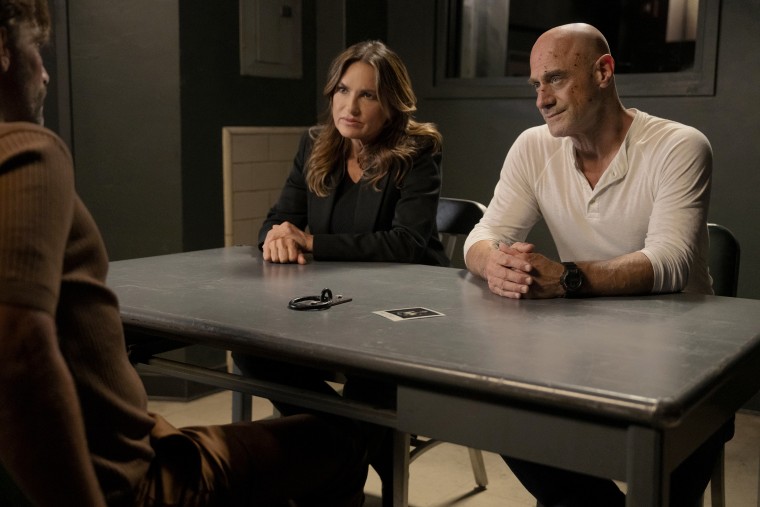
And then there’s the relationship the entire fandom refuses to stop thinking about. The unresolved, decades-long tension between Stabler and Olivia Benson (Mariska Hargitay) remains the franchise’s most potent emotional currency, the will-they-won’t-they that has outlasted actual marriages on the show. Every crossover, every shared scene, every loaded silence between the two gets dissected within an inch of its life. Moving “Organized Crime” to Peacock raises obvious logistical questions about how that dynamic keeps breathing when the two characters now technically live on different platforms, and that’s exactly the kind of thing the audience will be watching for.
The streaming shift wasn’t entirely smooth behind the scenes, and it reflects the messy reality of the modern TV business. Shuffling a flagship spinoff off broadcast and onto a streamer is the sort of corporate maneuvering that can leave loyal viewers confused about where and when to watch, and networks have learned the hard way that fracturing an audience across platforms carries real risk. The upside is that Peacock gets a marquee title with a built-in fanbase; the downside is asking longtime NBC watchers to follow Stabler to a subscription service. It’s a gamble playing out in real time across the whole industry.
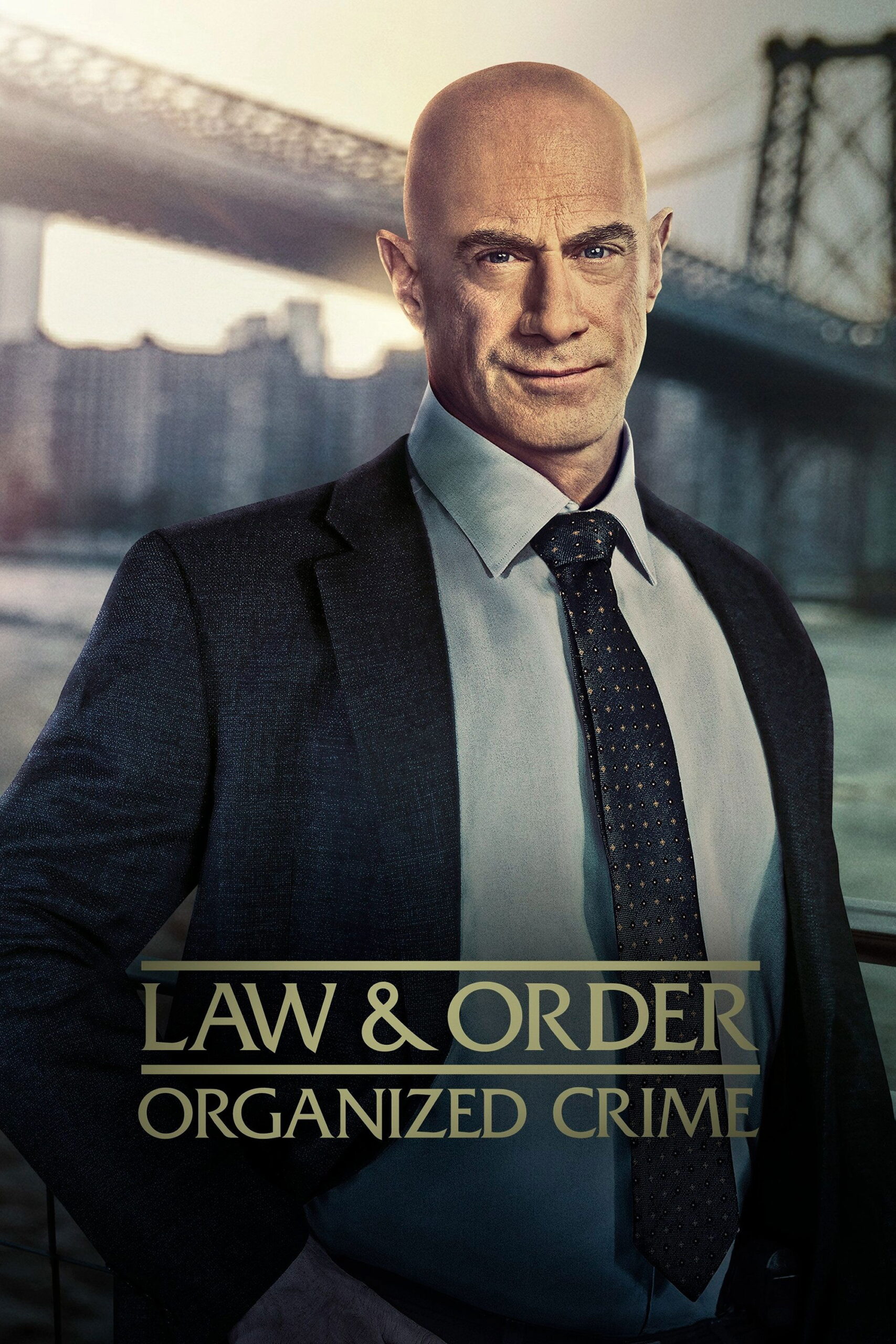
Zoom out and the “Law & Order” empire looks as healthy as ever, streaming experiment or not. The original series continues its remarkable run deep into its second quarter-century, “SVU” keeps racking up seasons that would be the envy of any show ever made, and the franchise remains a foundational piece of NBC’s identity even as pieces of it migrate to Peacock. Dick Wolf built something close to indestructible, a self-replenishing machine of cops, prosecutors, and the endless parade of New York crime that fuels them. Few creators in the history of the medium can claim a legacy this dominant.
So Stabler’s leap to streaming is both a small chapter and a big symbol. The character’s ongoing torment gives “Organized Crime” its dark, serialized pull, and the platform change puts that storytelling exactly where the industry winds are blowing. Whether Peacock proves the right home or just a confusing detour, the larger truth stands: more than three decades in, television’s longest-running war on crime shows no sign of calling it a night. The “dun dun” isn’t going anywhere. It’s just streaming now.
What Do You Think? Does the serialized, deeply personal style of “Organized Crime” actually fit Peacock better than broadcast, or does moving a flagship spinoff to streaming risk stranding its most loyal viewers? Can the Stabler-and-Benson tension survive the two characters living on different platforms, or does the split quietly defuse the franchise’s biggest emotional hook? And after thirty-five years, what is it about Dick Wolf’s formula that keeps regenerating when almost everything else on television burns out?
See you on the next binge!