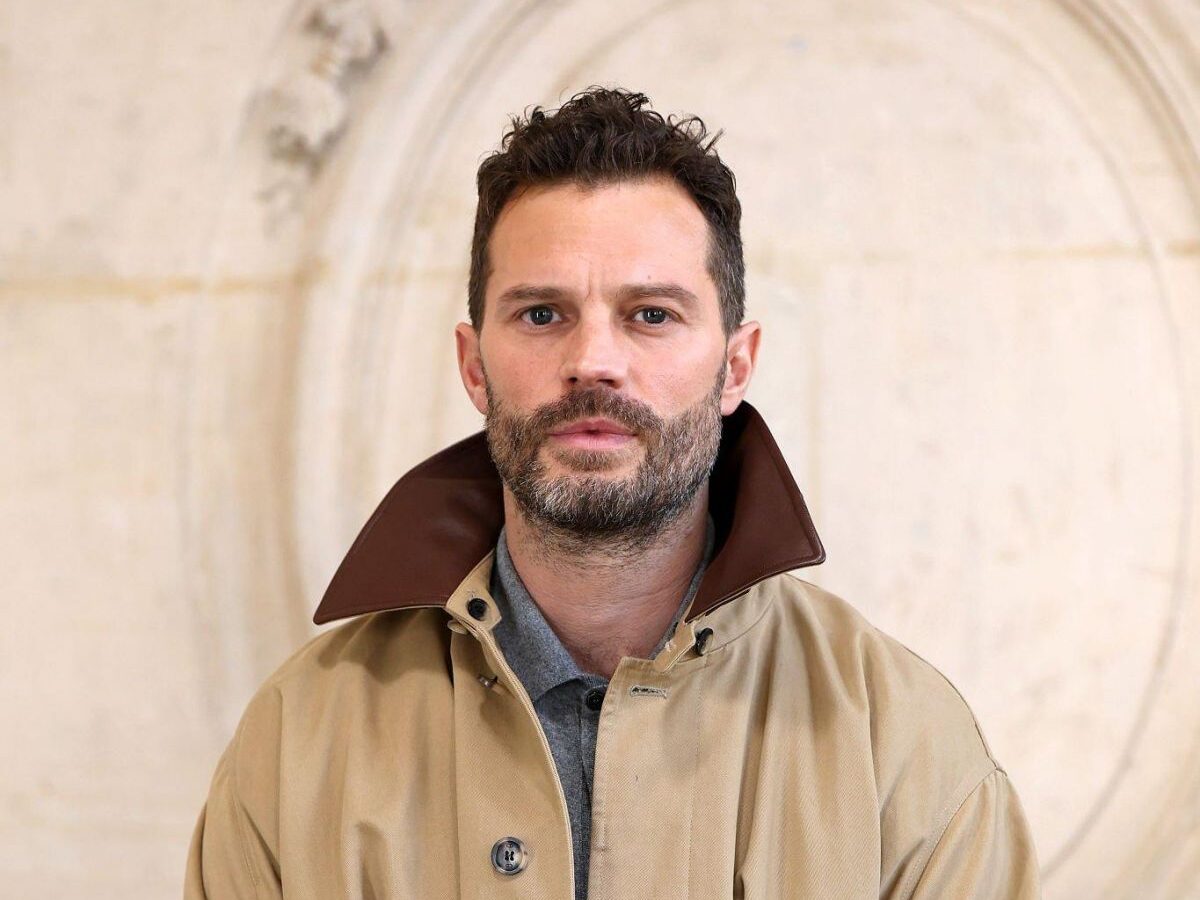
Peter Jackson is going back to Middle-earth, and at CinemaCon he finally stopped teasing and laid his cards on the table. The headline is a beauty and a landmine at the same time: Aragorn is back, but he is wearing a brand-new face. Jamie Dornan has been cast as Strider in “The Lord of the Rings: The Hunt for Gollum”, which means Viggo Mortensen, whose weathered, soulful Ranger is one of the most beloved castings in the history of fantasy film, is not returning to the role. For a fanbase that treats the original trilogy like scripture, that single announcement is going to launch a thousand arguments, and honestly, it should. This is a genuine gamble, and Warner Bros just made it in front of a room full of theater owners.
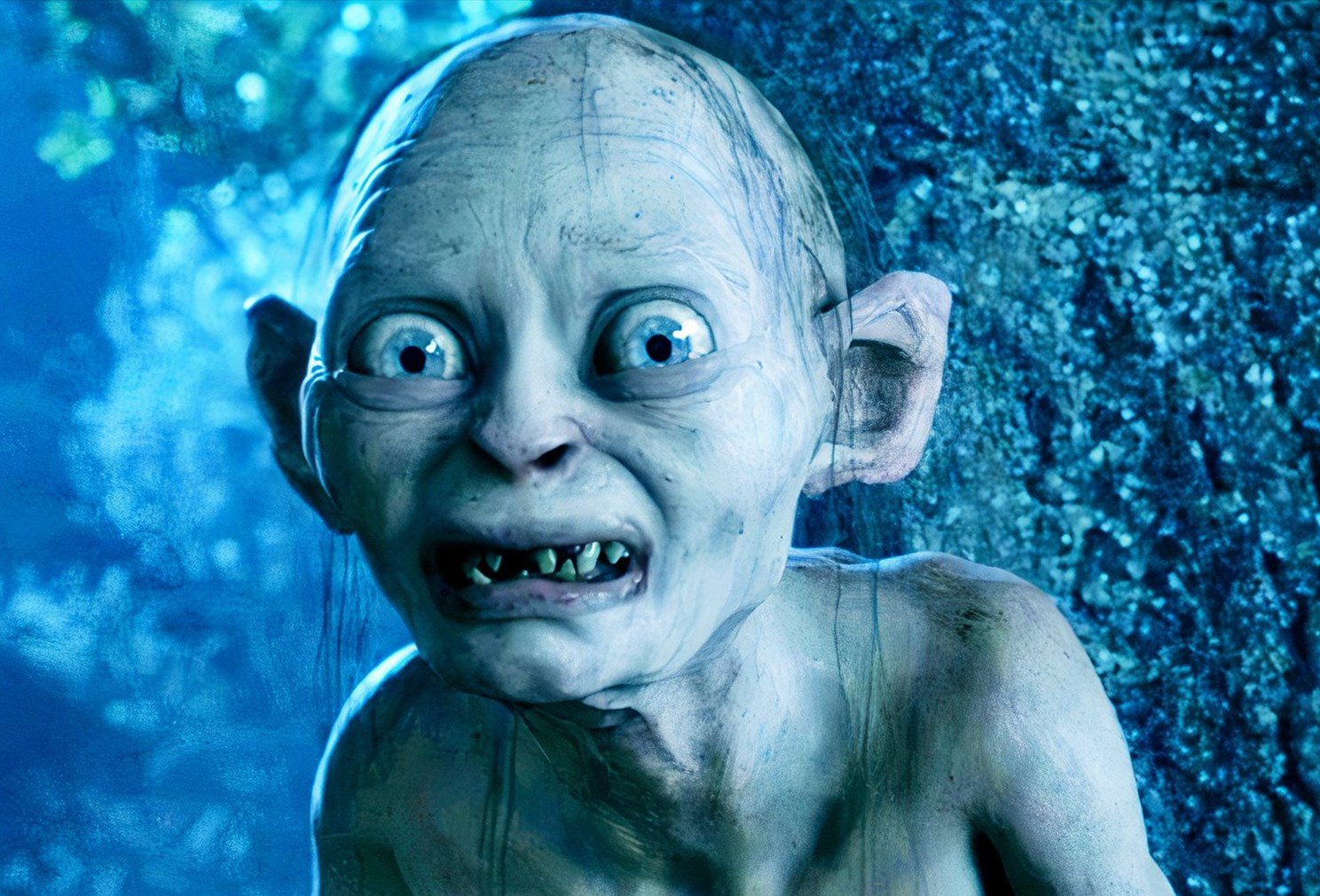
The film, directed by and starring Andy Serkis as Gollum, slots into the timeline before and during the events of “The Fellowship of the Ring”. The story follows Gandalf sending Strider off to hunt down the wretched creature who once carried the One Ring, and it is told largely from Gollum’s own fractured perspective, finally handing the scene-stealer of the original trilogy a story of his very own. Serkis directs from a script by returning franchise architects Fran Walsh and Philippa Boyens, joined by new writers Phoebe Gittins and Arty Papageorgiou, with Jackson producing alongside Walsh, Boyens and Zane Weiner. The studio has the film dated for December 17, 2027, and it is only one half of a new two-film Middle-earth plan after the recent announcement of a second feature. Warning beyond this point there are spoilers for “The Hunt for Gollum” and the wider Lord of the Rings timeline.
The headline is a beauty and a landmine at the same time: Aragorn is back, but he is wearing a brand-new face.”
Let us sit with the recast, because it is the whole conversation. Replacing Mortensen is not a small creative footnote, it is one of the boldest casting swings a legacy franchise can take. There is a logical case for it, of course. This film is set years before “Fellowship”, so a slightly younger Strider makes sense, and more than two decades have passed in the real world since Mortensen first strapped on the ranger’s cloak. Time is undefeated. Dornan is a smart pick too, a genuinely underrated actor who has done his best work playing quiet, haunted men, which is exactly the register a pre-Fellowship Aragorn should be living in. But none of that logic will matter to the fans who see Mortensen’s Aragorn as definitive and untouchable. Dornan is not just taking a role, he is stepping into a shadow the size of Barad-dur, and the pressure on that performance is going to be immense.
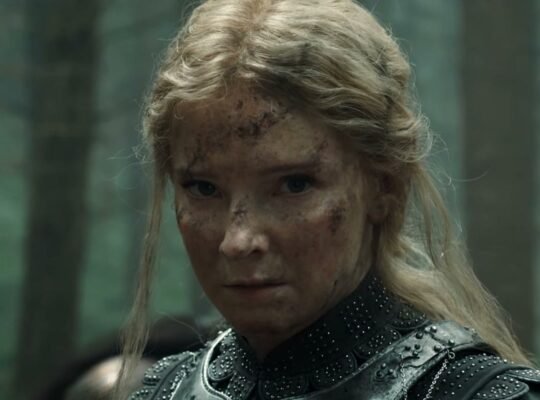
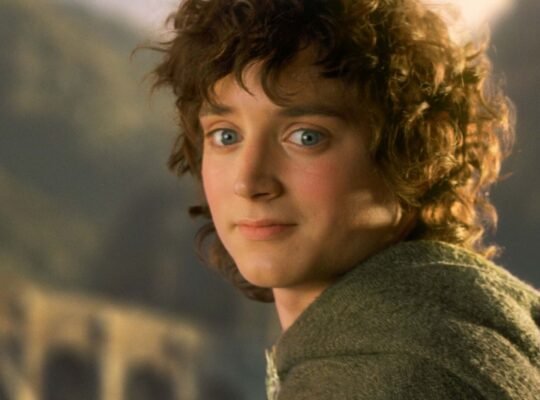
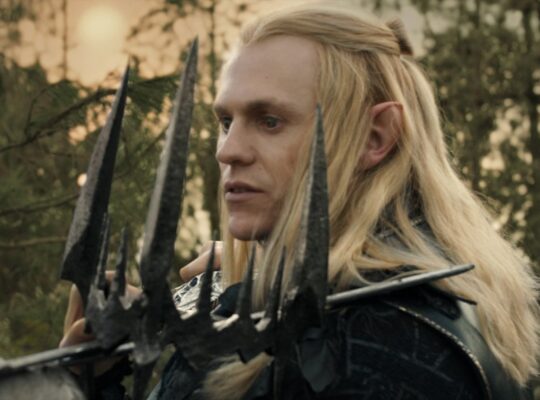
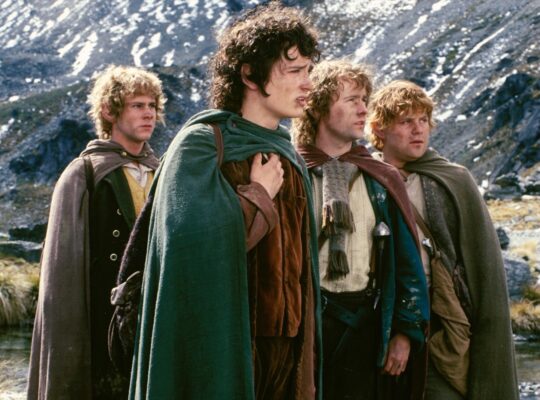
The rest of the ensemble is Jackson doing what Jackson does best, which is weaponizing our nostalgia with pinpoint accuracy. Ian McKellen is back as Gandalf the Grey, and there is no version of this project that works without him, so that confirmation alone lowered a lot of blood pressure. Elijah Wood returns as Frodo Baggins, and Lee Pace reprises Thranduil from the “Hobbit” films, quietly bridging the two trilogies in a way the studio clearly loves. Then come the genuine surprises. Kate Winslet joins the cast as a new character named Marigold, and Anya Taylor-Joy signs on as Seren, a Sindar elf of the Woodland Realm who exists nowhere in Tolkien’s text. New characters in a Middle-earth built on some of the most obsessively catalogued lore in fiction is its own kind of tightrope, and how those additions are handled will tell us a lot about whether this is reverent expansion or convenient invention.
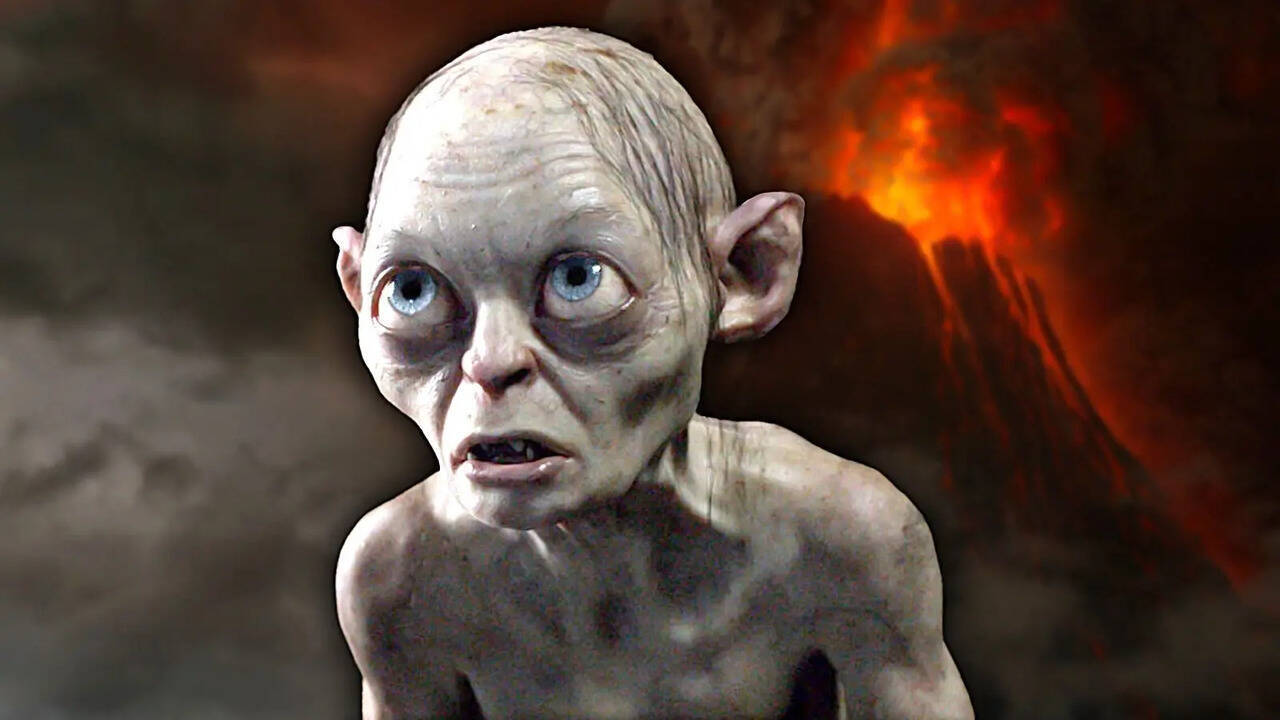
The most fascinating creative choice here is not the casting at all, it is the point of view. Building an entire film around Gollum’s perspective is a bizarre, ambitious swing, and it is the sort of idea that either becomes a masterpiece or a cautionary tale with very little room in between. Serkis has spent his career arguing that Gollum is one of cinema’s great tragic figures, a broken thing pulled apart by addiction and hope, and giving him the director’s chair and the narrative lens on the same project is a full-throated bet on that belief. There is a real chance this becomes the most psychologically interesting film the franchise has ever produced. There is also a chance that a whole movie inside that fractured little skull is exhausting. We are genuinely torn, and that tension is exactly why this is the most interesting thing Middle-Earth has done on the big screen in years.
Zoom out, and the bigger story is that the Middle-earth well is officially open for business again. After a decade of Amazon’s television experiment and a couple of animated detours, the guardians of the original films are back in the director’s chairs, and Warner Bros is betting big that audiences will follow them home. The risk is obvious, that this becomes a nostalgia-mining operation, digging up beloved names and faces to sell tickets on the strength of a logo.
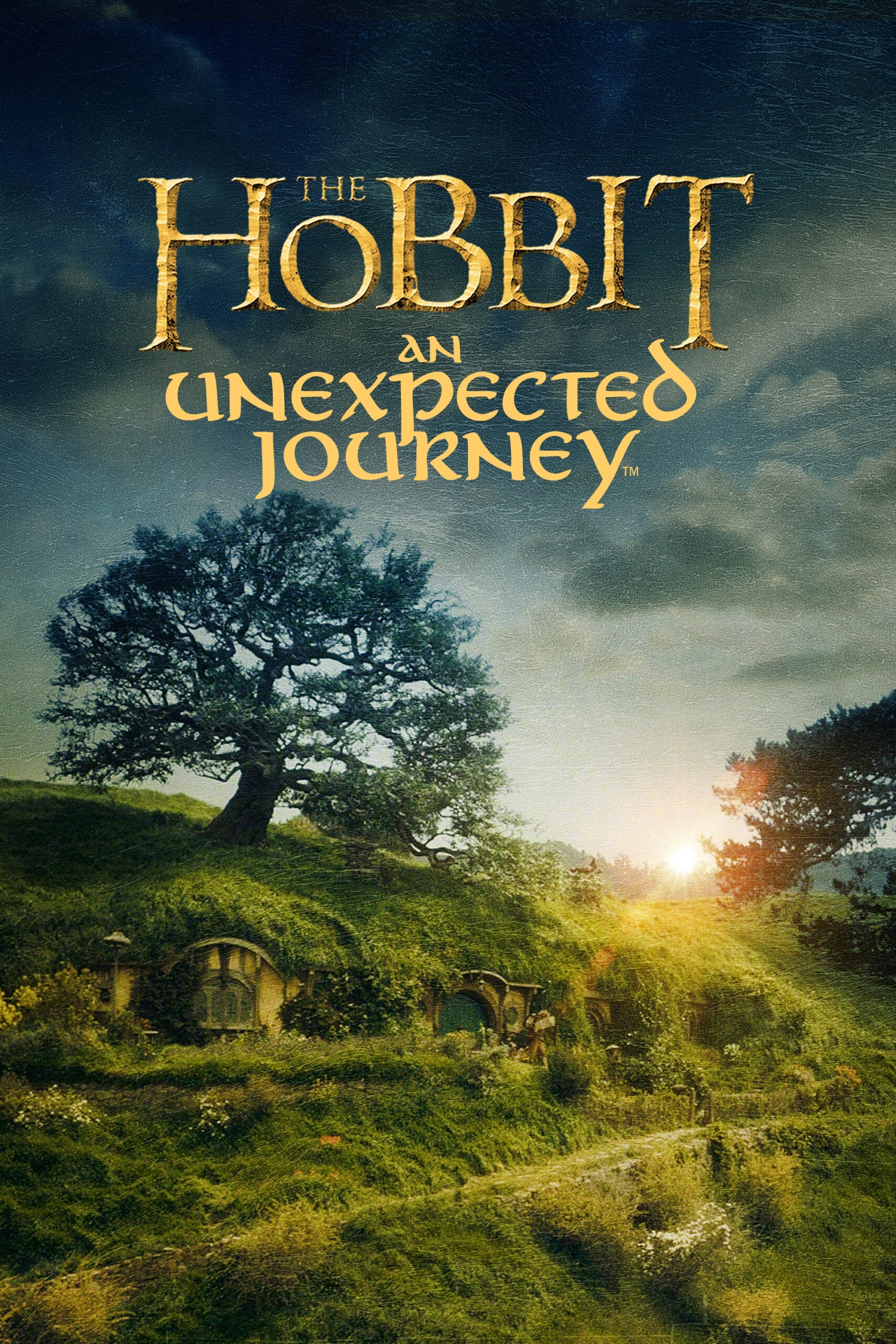
The reward, if Jackson and his collaborators still have the magic, is a return to the version of Middle-earth that defined the genre for a generation. A recast Aragorn, a bold new perspective, and a familiar band of faces gathering for one more journey into the shadow. The road goes ever on, and for better or worse, we are absolutely walking it.
What do you think? Can Jamie Dornan possibly step out of Viggo Mortensen’s shadow and make Strider his own, or is this recast a bridge too far for a fanbase this protective? Does telling an entire film from Gollum’s fractured perspective sound like a stroke of genius or a recipe for two exhausting hours? And with two new Middle-earth films now on the way, is this a genuine creative revival or the beginning of Warner Bros strip-mining Tolkien for every last drop of nostalgia?
Catch up properly: every Middle-earth film and series in chronological order on our Timeline Hub’s Lord of the Rings timeline.
See you on the next binge!