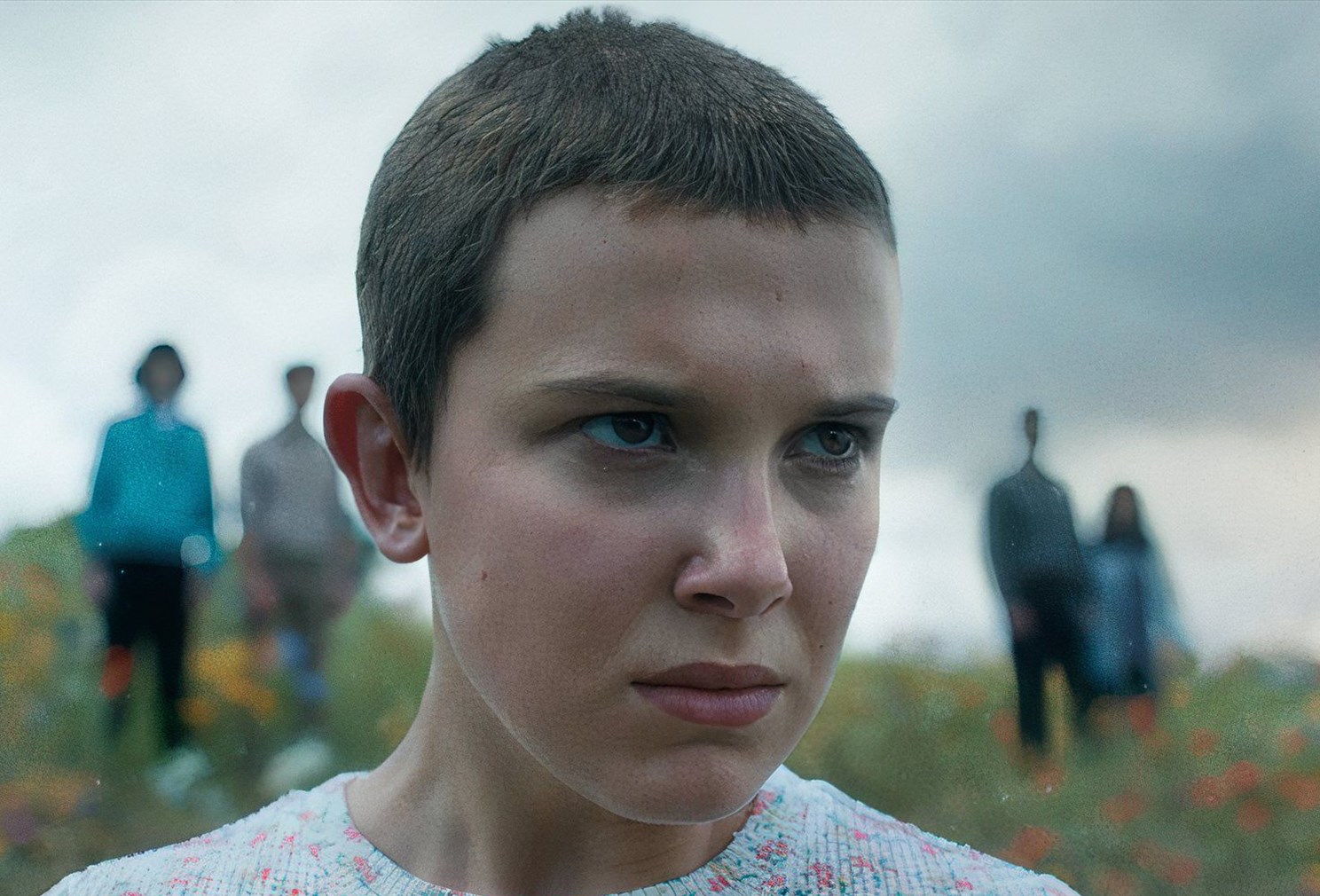
The long goodbye has officially begun. The first four episodes of “Stranger Things” fifth and final season landed on Netflix this week, kicking off the end of an era for the show that turned a group of Indiana kids into a global phenomenon. Volume 1 is the opening movement of a farewell that will roll out across the holidays, and it wastes little time reminding us that this is not the sunny, bike-riding Hawkins we fell in love with back in 2016. This is a town under siege, a community sealed off from the world, and a group of heroes staring down the fight they have spent nine years preparing for.
The season opens in November 1987, roughly twenty months after the sky cracked open at the end of the fourth season, and the situation on the ground is dire. Hawkins now sits under military quarantine, its residents trapped inside a town riddled with rifts leading straight into the Upside Down. The gang, older and wearier than we have ever seen them, has reunited for a single purpose, to hunt down and destroy Vecna, the human monster Henry Creel, before he can finish what he started. Meanwhile the military is actively hunting Eleven, and the anniversary of Will Byers’ original vanishing hangs over the proceedings like a ghost. The stacked ensemble returns in full, from Winona Ryder and David Harbour to Millie Bobby Brown, Finn Wolfhard, and the rest, with genre legend Linda Hamilton joining the fray. Warning: beyond this point there are spoilers for the fifth and final season of “Stranger Things.”
This is not the sunny, bike-riding Hawkins we fell in love with back in 2016. This is a town under siege.”
The decision to open on a militarized, quarantined Hawkins is a smart one, because it immediately raises the stakes to a level the show has never operated at before. The threat is no longer a monster lurking in the woods or a portal in a lab basement, it is the systematic collapse of an entire town, with our heroes trapped inside the disaster zone. That claustrophobia gives the opening episodes a real sense of dread, a feeling that there is no escape and no cavalry coming, only the people we already know standing between Hawkins and total annihilation. It is a fitting backdrop for a final chapter, a pressure cooker designed to force every character to their breaking point.
What lands hardest in these opening hours is simply how much these people have grown up. The kids who once seemed impossibly young are now young adults carrying the weight of everything they have survived, and the show leans into that maturity rather than fighting it. There is a melancholy running underneath the action, an awareness that this is the last time we will spend with these characters, and the writing uses that to deepen the emotional stakes. The reunions land harder because we know they are the last ones, the quiet moments carry more weight because the clock is running out.
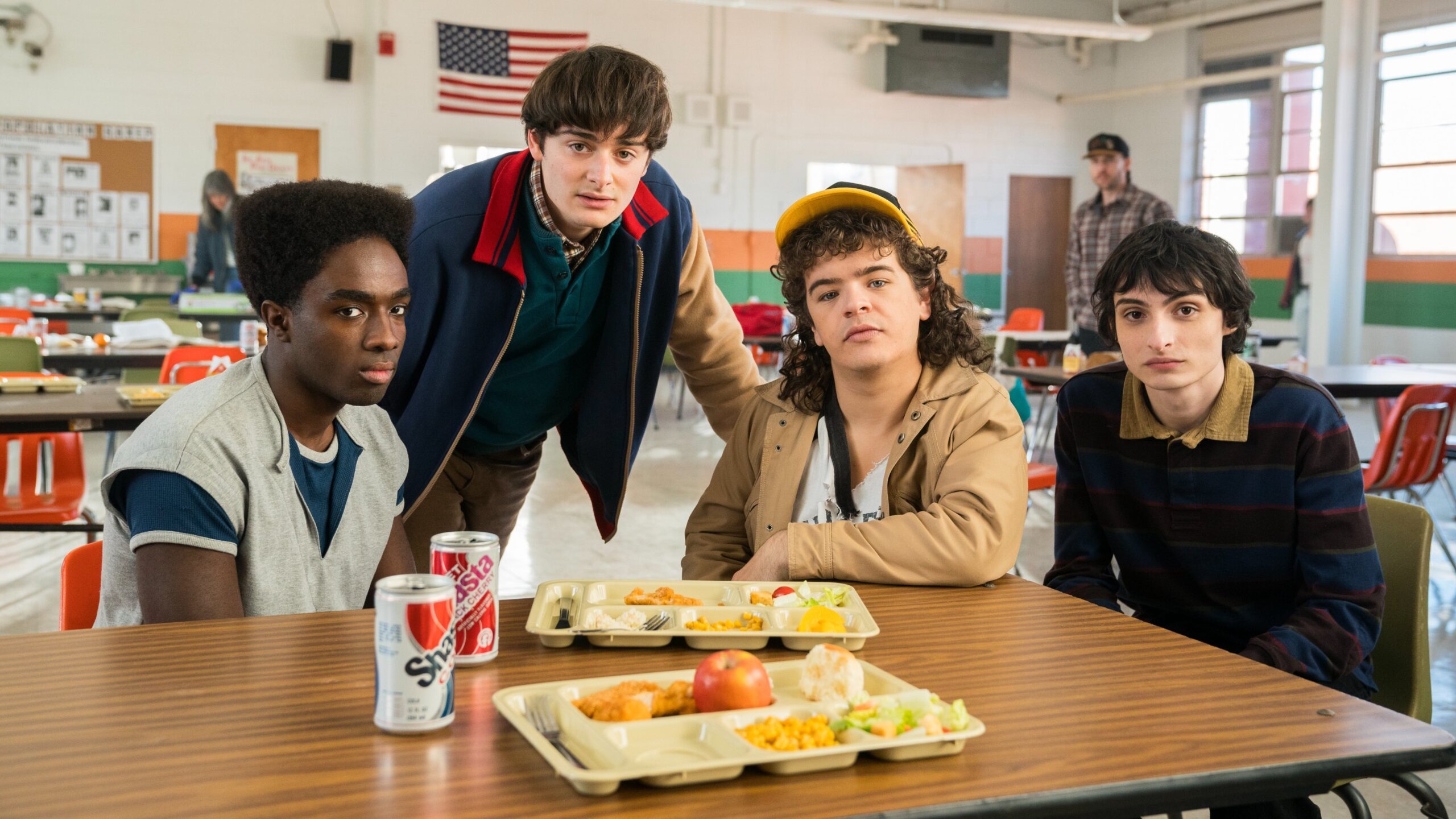
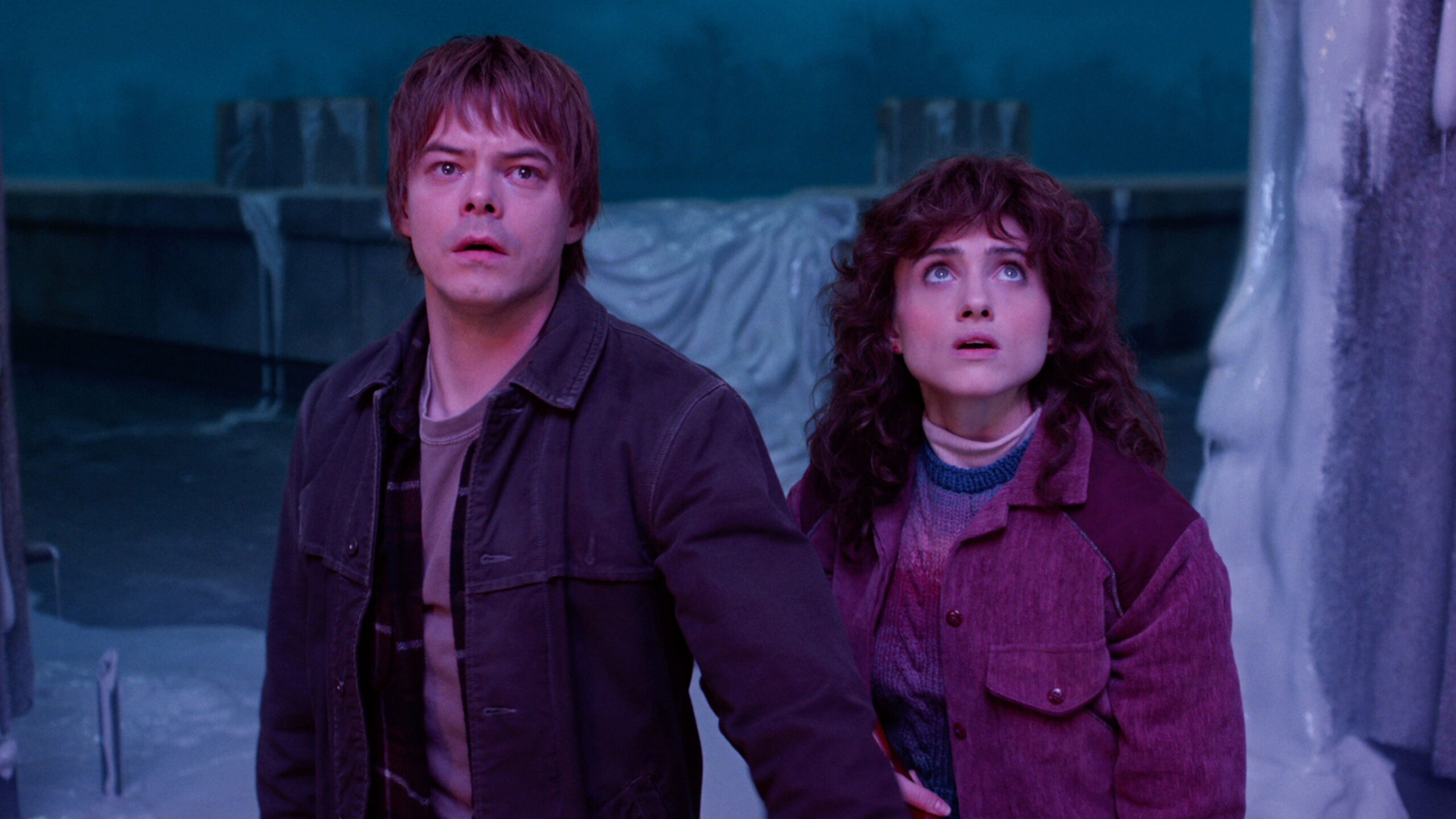
Volume 1 functions as table-setting, gathering the pieces and reminding us why we care before the real carnage begins. The staggered release structure shapes how these first four episodes play, and it is a genuinely clever design. Rather than dumping the whole season at once and letting the discourse burn out in a weekend, Netflix is stretching the ending across the holidays, with Volume 2 arriving on Christmas Day and the feature-length finale closing everything out on New Year’s Eve, even landing in theaters for the occasion. That means Volume 1 has to do the hard work of hooking us and then leaving us desperate for more, and it largely succeeds, ending on the kind of escalation that guarantees nobody is going to be able to wait patiently for the next batch.
It is appointment television engineered for maximum anticipation. The pressure on all of this remains immense. The fourth season was a triumph of scale but a lightning rod for criticism about its bloat and sprawl, and the final season carries the burden of answering nearly a decade of mysteries while giving a beloved cast the send-off they deserve. These opening episodes suggest the Duffer Brothers are aiming for something both epic and intimate, a war story that never loses sight of the friendships at its core.
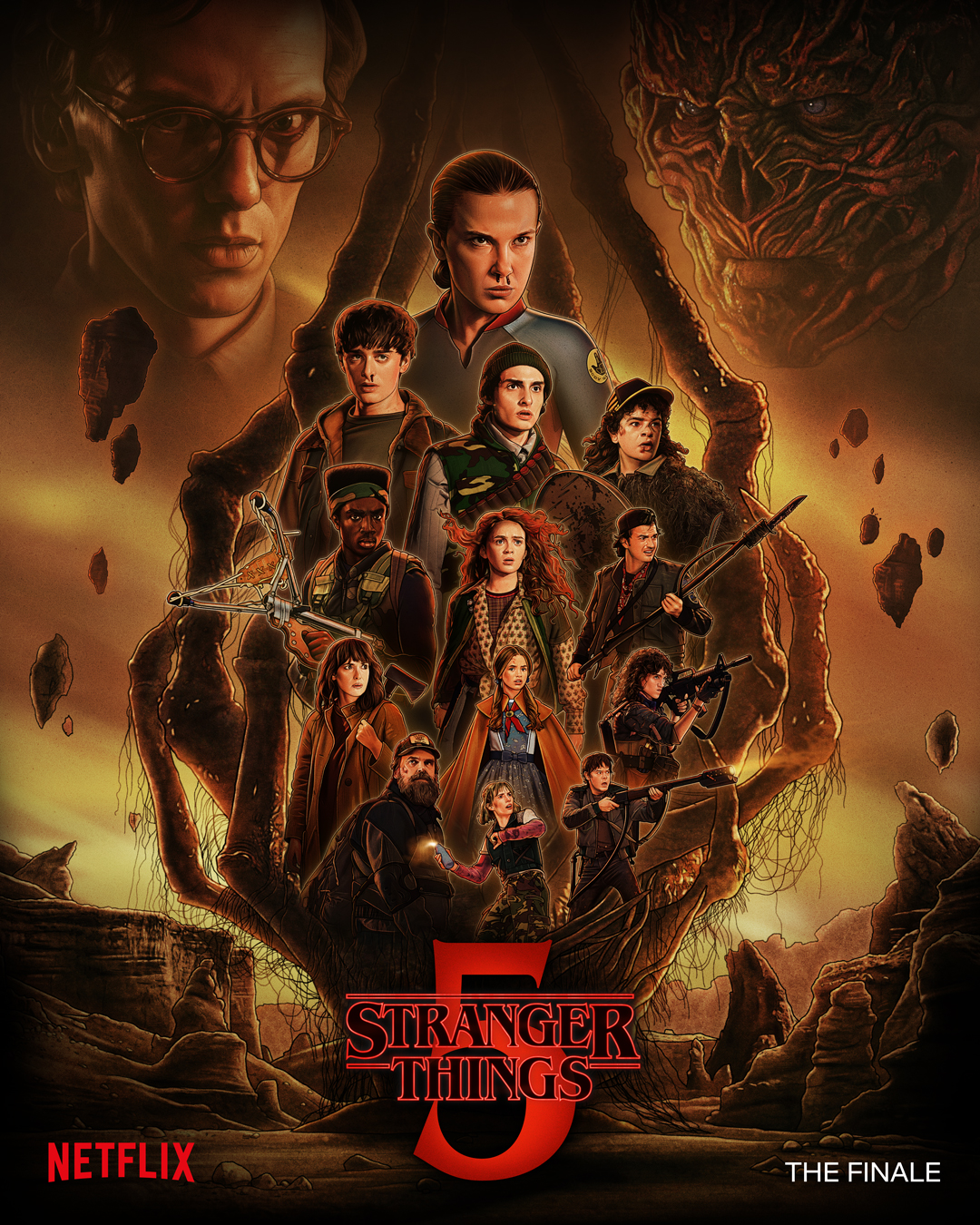
Whether they can sustain that balance through the finale is the question that will define whether this ending is remembered as a triumph or a disappointment. For now, the board is set, the enemy is closing in, and the beginning of the end is genuinely gripping. Hawkins is at war, and there is no turning back now.
What do you think? Does opening the final season on a quarantined, militarized Hawkins raise the stakes in the right way, or does it lose some of the small-town charm that made the show special? Now that the kids are grown, does the added maturity deepen the emotional stakes or change the fundamental appeal of the series? And is the staggered holiday release building perfect anticipation, or would you rather have binged the whole ending at once?
See you on the next binge!