
After nearly a decade of defining event television, “Stranger Things” reached the end of the road, and the Emmys, it turns out, weren’t waiting at the finish line to hand it a trophy. When the 2026 nominations were announced on July 8, the show’s fifth and final season was left out of the Outstanding Drama Series race entirely, the first time in the series’ history it missed the category. For a show this big, going out this quietly at the Emmys is a genuine surprise.
The snub is stark when you look at the track record. “Stranger Things” was an awards fixture at its peak, earning Outstanding Drama Series nominations five separate times between 2017 and 2023: it was, for years, exactly the kind of prestige-adjacent blockbuster the Television Academy loves to celebrate. To have the final season, the big emotional send-off, shut out of the top category is a jarring reversal. This was supposed to be the victory lap, and instead the marquee prize passed it by. Warning: beyond this point there are spoilers for Stranger Things Season 5’s Emmy performance and the reception that surrounded its finale.
To have the final season, the big emotional send-off, shut out of the top category is a jarring reversal. This was supposed to be the victory lap, and instead the marquee prize passed it by.”
It’s not a total shutout, to be fair. Season 5 still pulled in seven nominations, but every single one landed in the technical, below-the-line categories: production design, visual effects, sound mixing, the crafts where the show has always been a genuine powerhouse. Nobody disputes that “Stranger Things” is a technical marvel, a lavishly produced spectacle. But there’s a meaningful difference between being honored for how a show looks and sounds and being honored for the storytelling itself, and this year the Academy drew that line firmly.
The most pointed part of the snub is the acting. Not a single cast member earned a nomination, and co-creators Matt and Ross Duffer were passed over for both writing and directing. For a series with a beloved, star-making ensemble, a cast that grew up on screen in front of us over the better part of a decade, to be entirely shut out of the performance categories in its farewell year is a real gut-punch. Millie Bobby Brown’s Eleven, the emotional core of the whole saga, closes out the run without so much as a final nomination.
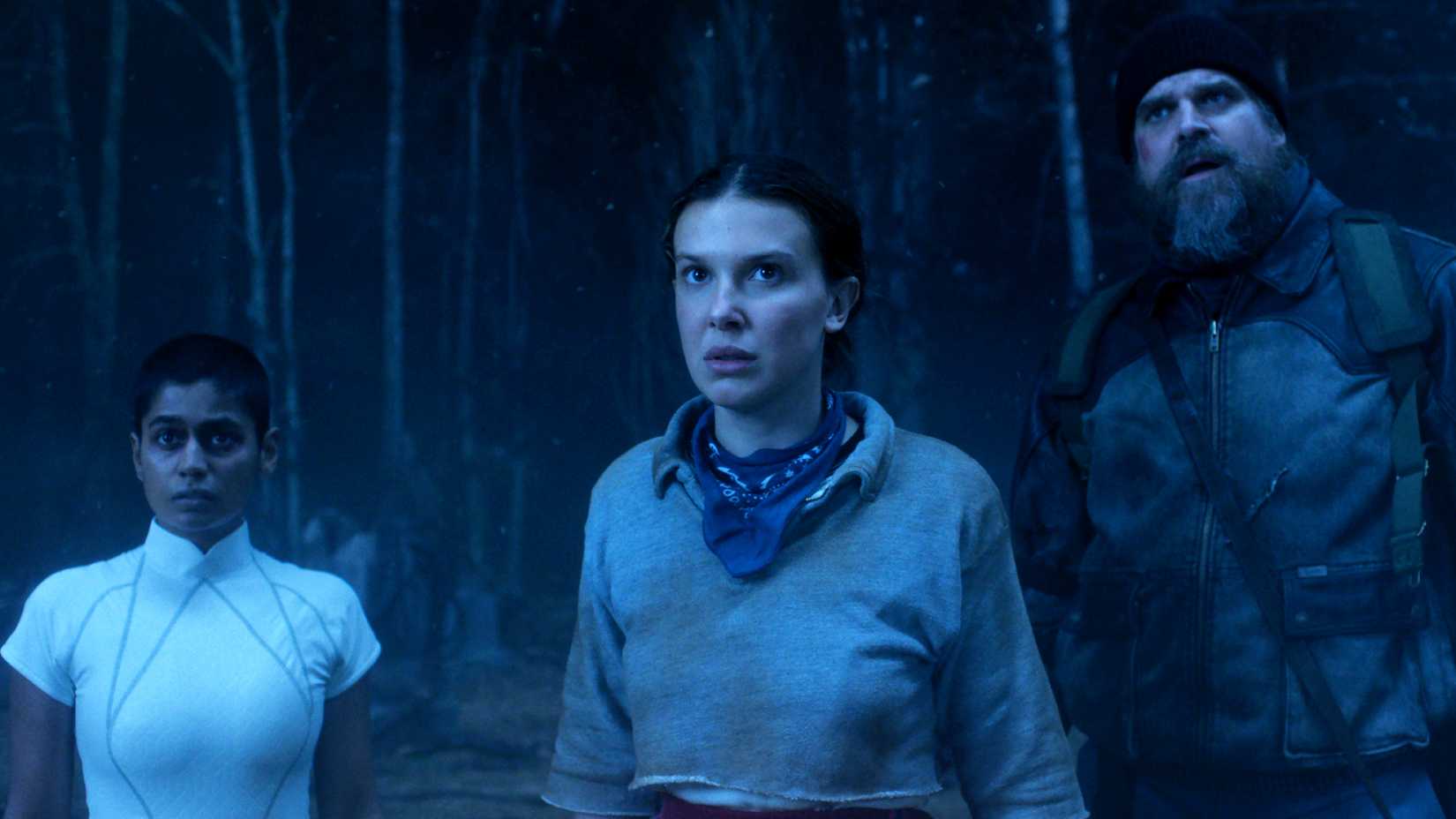
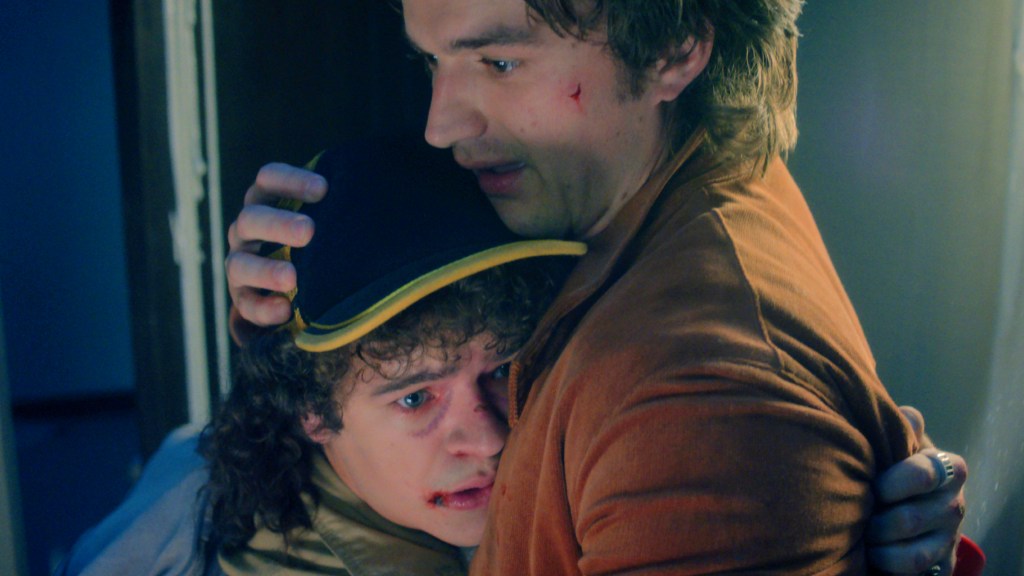
Why did it happen? The honest answer is that Season 5 landed to genuinely mixed reception, and the discourse around it got fraught. The decision to keep Eleven’s ultimate fate deliberately ambiguous sparked heated debate, and large chunks of the fandom picked apart the final chapter for lore inconsistencies and character choices that didn’t sit right. When a season becomes as much a subject of argument as celebration, awards voters tend to cool on it, and a divisive finale is a hard thing to reward, no matter how enormous the show that produced it.
There’s a real poignancy to how this shakes out. “Stranger Things” will now end its entire run without a single win in the major Emmy categories: no Best Drama, no acting trophy, no writing or directing statuette for the brothers who dreamed the whole thing up. A show that was, for a stretch, the most talked-about series on the planet, a cultural juggernaut that revived the careers of ’80s icons and minted a new generation of stars, is walking away without the hardware that usually crowns that kind of success. Popularity and prestige, it turns out, don’t always travel together.
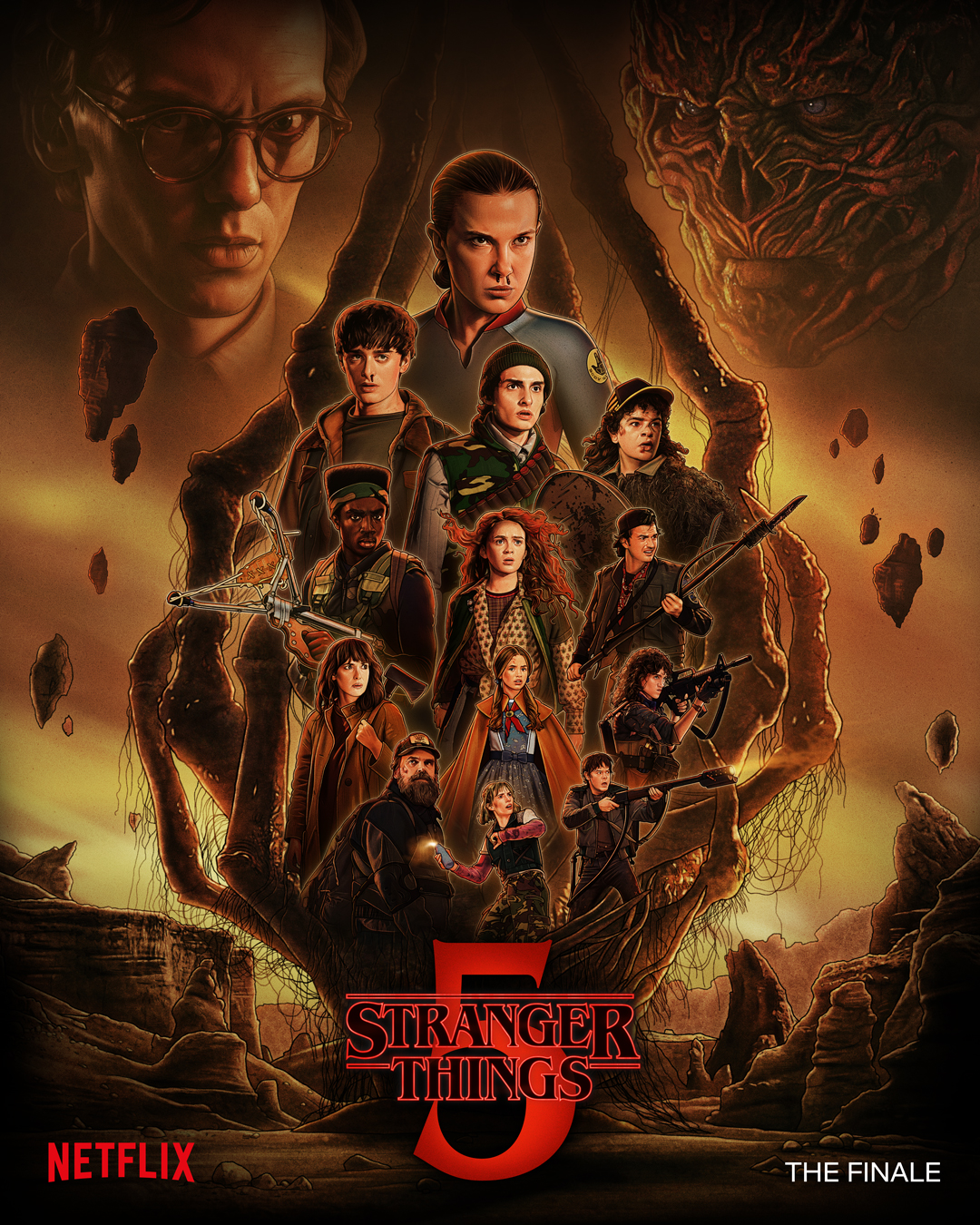
It’s a useful reminder that the Emmys and the audience often measure very different things. “Stranger Things” was, by nearly every metric that involves actual viewers, a monumental success, watched, loved, and obsessed over by tens of millions. That the Academy declined to honor its finale doesn’t erase any of that; it just underscores the gap between what wins awards and what wins hearts. Plenty of shows have both. “Stranger Things” mostly had the second, and there are worse legacies than being adored.
So the Hawkins gang takes its final bow with a fistful of technical nods and a conspicuous absence where the big prizes should be. It’s not the send-off the show’s biggest fans wanted, and it stings for a series that meant so much to so many. But the Upside Down was never really chasing Emmy gold; it was chasing that specific, nostalgic, heart-on-sleeve magic. It caught that magic for years. The trophies just didn’t follow it out the door.
What Do You Think? Is the Best Drama snub a fair reflection of a divisive final season, or did the Emmys unfairly overlook a cultural phenomenon in its farewell year? Does it matter that “Stranger Things” ends without a major Emmy win, or is its massive audience and cultural footprint the only legacy that counts? Was keeping Eleven’s fate ambiguous a brave storytelling choice or the misstep that cost the finale its awards goodwill, and how would you have ended it?
Catch up properly: every Stranger Things season and story in chronological order on our Timeline Hub’s Stranger Things timeline.
See you on the next binge!