Mike Flanagan has spent a decade proving he is the only person in Hollywood who reads Stephen King all the way to the end, and on Saturday he finally stopped hinting and put a date on the board. Prime Video pushed the first teaser for “Carrie” out publicly on July 25, timed to Flanagan’s Comic-Con panel, and the release window came with it: October 7, 2026, with all eight episodes dropping at once.
Eight episodes. That is the number worth sitting with. Every previous screen version of this story has run under two hours, and the most famous one barely clears ninety minutes. Flanagan writes the series, executive produces, and directs four of the eight himself, which means better than half the run belongs to other directors. Stephen King is credited as an executive producer. Warning beyond this point there are spoilers for Stephen King’s “Carrie” and the prom sequence that ends it.
Eight episodes. That is the number worth sitting with.”
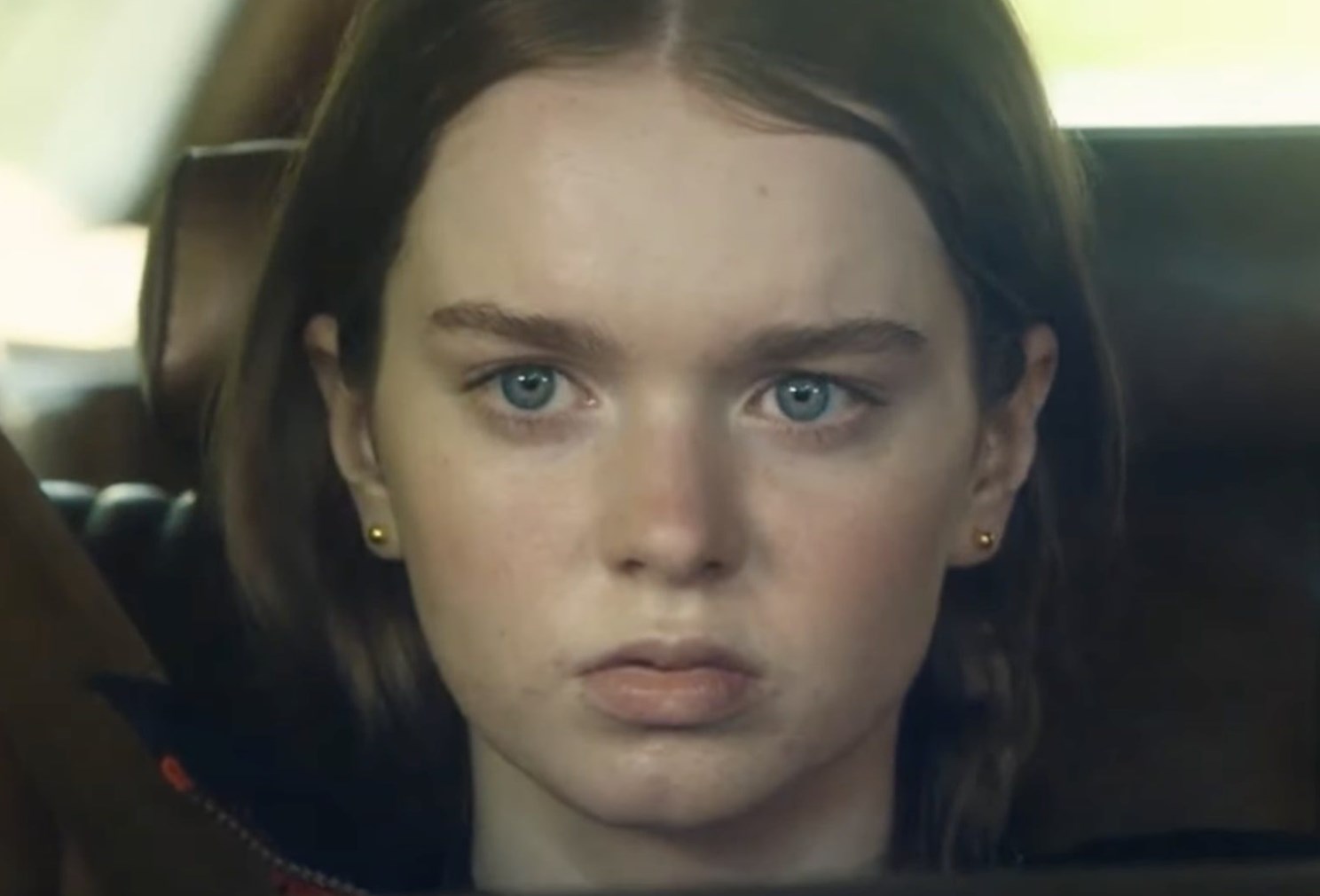
What is genuinely interesting about the teaser is what it refuses to lead with. There is no blood in the opening. Instead it opens on Carrie White (Summer H. Howell) in voiceover, talking to the girls who tormented her, and the line doing the rounds is a gut-punch precisely because it is so reasonable: “All I ever wanted was to go to school. I never did anything to you. You put in all this effort to make it look like you were my friend… And the worst part is that I really could have been your friend.” Every version of this story before now has sold itself on the last twenty minutes. This one is selling the sixty before it.
The other beat outlets have flagged is the locker room, and how it has been rebuilt. Bloody Disgusting’s write-up describes the shower scene playing out with no nudity, which breaks from both the 1976 film and the 2013 remake, and describes Chris Hargensen (Alison Thornton) and her friends filming Carrie’s breakdown on their phones. That single change tells you more about the adaptation’s thesis than any casting announcement could. The cruelty is not just witnessed now. It is distributed.
Here is where we have to be straight with you, because we would rather be useful than confident. No outlet has published an actual shot-by-shot walkthrough of this teaser. The voiceover and the phone-filming beat are what is reportable; the descriptions floating around of a prom flash-forward, students collapsing on a gym floor, or a fire in the aftermath are not sourced to anybody who wrote them down. So we are not printing them. Separately, Flanagan’s panel reportedly screened footage beyond the public teaser that has never gone online, and The Hollywood Reporter noted key art referencing the prom scene circulating out of the con. Marketing art shown in a ballroom is not the same thing as a shot in the trailer, and the two get blended together constantly.
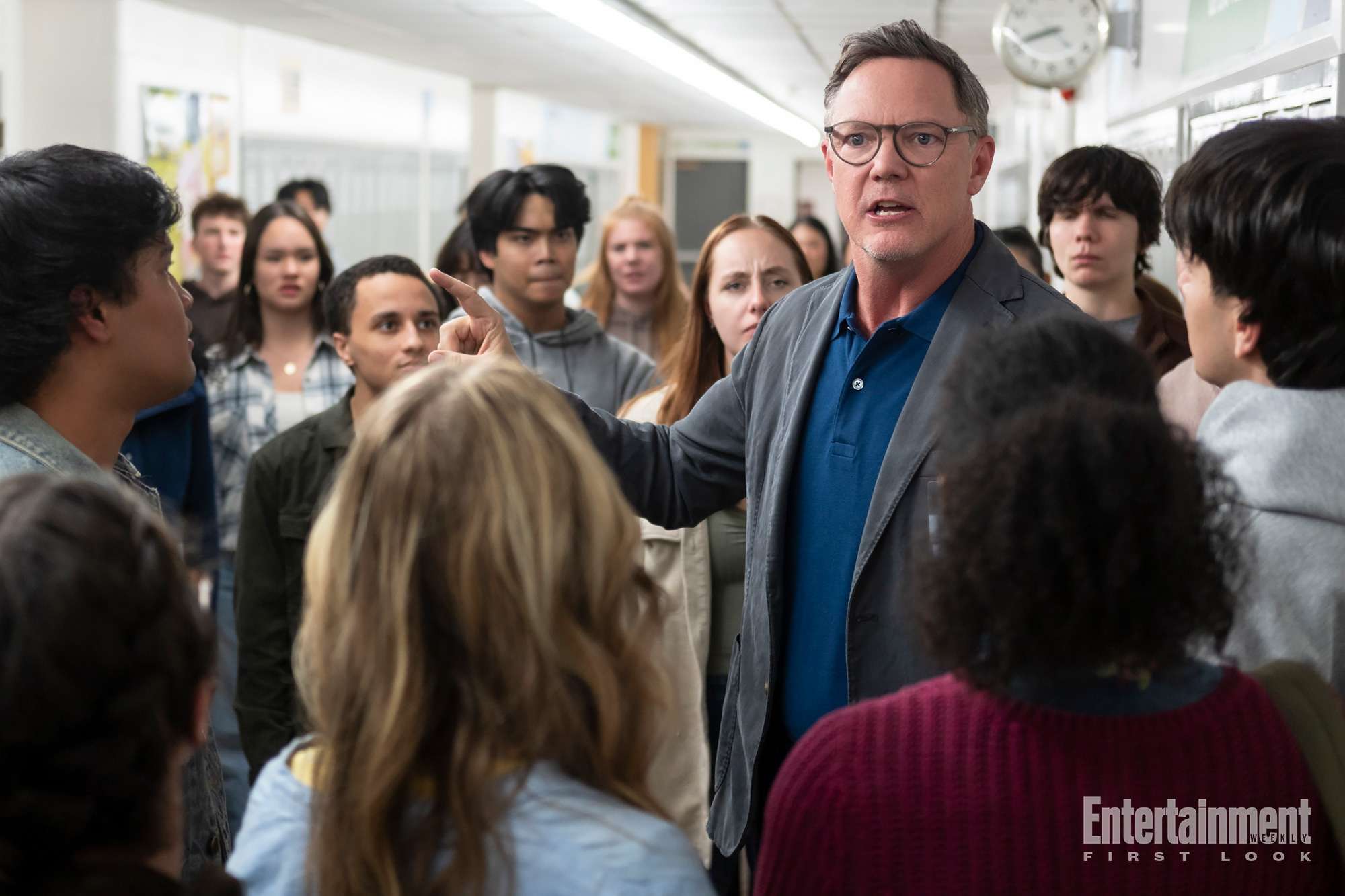
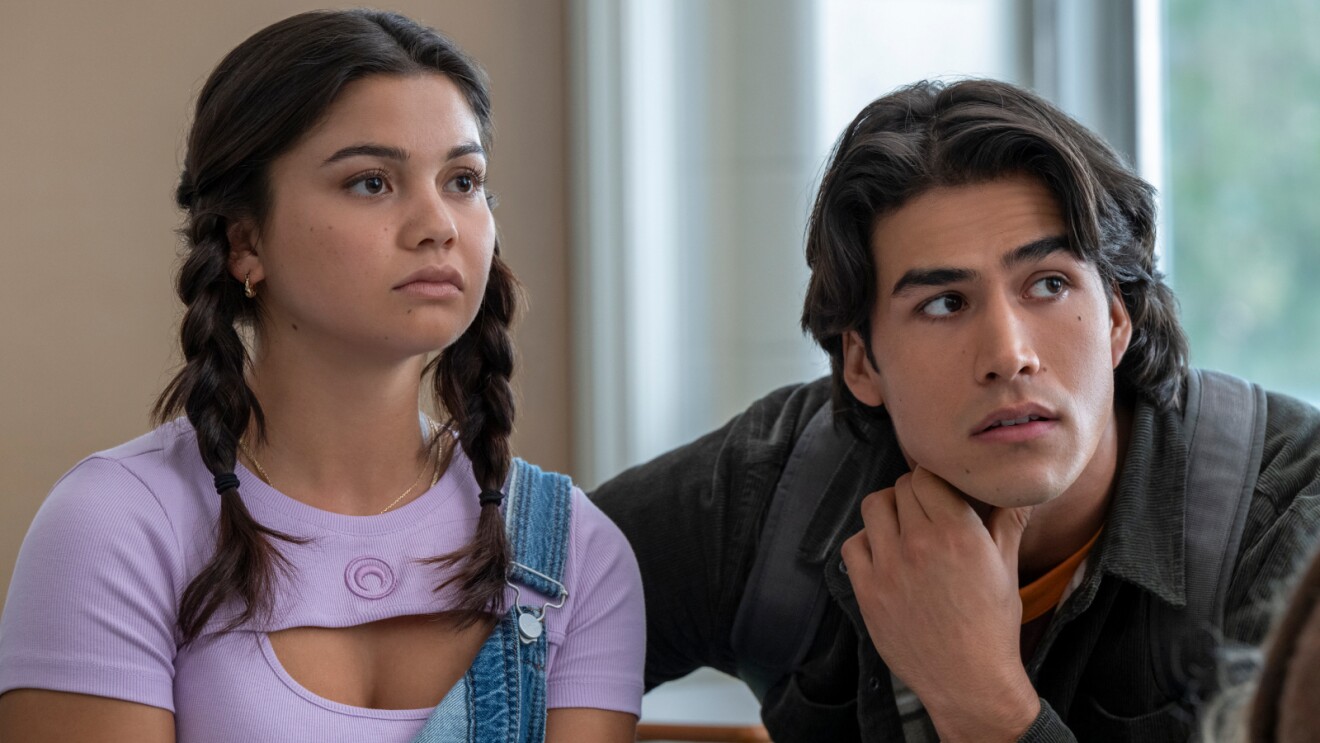
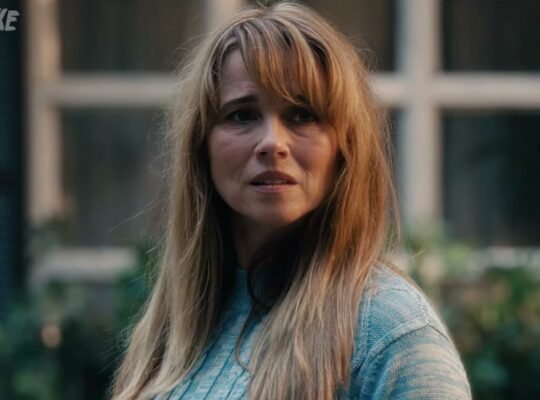
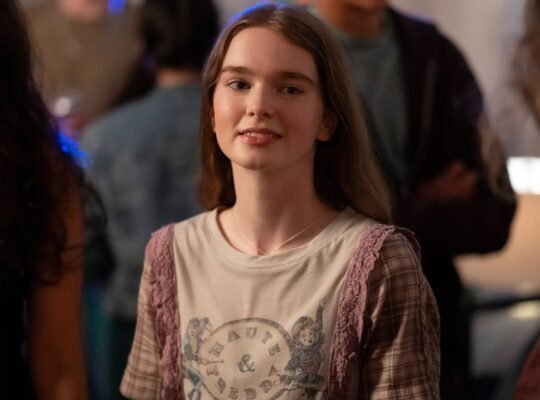
The real substance out of Comic-Con was the full cast, confirmed in Amazon MGM’s own press release, and it is a deep bench. Howell plays Carrie, chosen out of more than a thousand actors who auditioned. Samantha Sloyan plays Margaret White. Siena Agudong is Sue Snell, Joel Oulette is Tommy Ross, Thornton is Chris Hargensen, and Arthur Conti is Billy Nolan. Amber Midthunder plays Miss Desjardin, the gym teacher who is the only adult in the building with a functioning conscience. Matthew Lillard plays Principal Grayle. Josie Totah is Tina and Thalia Dudek is Emaline.
Read that list again if you follow Flanagan’s work, because one name should stop you. Samantha Sloyan is not a guest here. She is his most-used actor, five projects deep across “Hush,” “The Haunting of Hill House,” “Midnight Mass,” “The Midnight Club” and “The Fall of the House of Usher”, and he has handed her Margaret White. If you saw “Midnight Mass” you already know why that is the most interesting casting decision on the board: Sloyan played Bev Keane, a woman who wielded scripture so fluently she made every reasonable person around her feel like the crazy one. Margaret White is that same instinct turned inward, on a daughter, in a house with no witnesses. The rest of the ensemble genuinely is fresh, no Kate Siegel, no Rahul Kohli, no Henry Thomas, Zach Gilford, Carla Gugino, Bruce Greenwood or Annabeth Gish. Flanagan kept exactly one member of his company for this, and he kept the one who could play a zealot in her sleep.
Flanagan has at least explained the length. Speaking to Entertainment Weekly, he framed it as an inversion of the job he usually does: “Typically, when you’re adapting a Stephen King book, the mission is completely different. It’s about, How do you make it smaller? … This was the complete inverse. If we’re going to tell the story of Carrie White in longform, how do we make it expand?” He has also been candid that his own first instinct was to ask “why do it?”, and by his account King wondered the same thing, given how many versions already exist. That is a healthier starting point than most adaptations get.
The expansion is happening in the present day, not as a period piece, and the reporting points to a school world of metal detectors, phones, and active shooter drills. There is also a structural change being described in coverage that we would want to see confirmed at the source before treating it as settled: that Carrie’s father Ralph is already dead when the story opens, and that losing him is what pushes Carrie out of home-schooling and into a public high school for the first time. If that holds, it is a smart bit of engineering. It gives Margaret a reason to have lost control of the walls she built, and it makes Carrie a genuine newcomer rather than a girl everyone has spent years ignoring.
The question nobody has answered, and it is the one we keep circling back to, is whether Flanagan uses the novel’s actual architecture. King did not write “Carrie” as a straight narrative. He built it out of documents: news clippings, book excerpts, and testimony from the White Commission inquest convened after the town burned. Both feature films threw that away and told the story forward. Eight hours is exactly enough room to put it back, and an inquest framing would let the series tell you the ending in episode one and spend the rest of the season making you dread it anyway. No outlet has reported either way, so treat it as an open question rather than a promise.
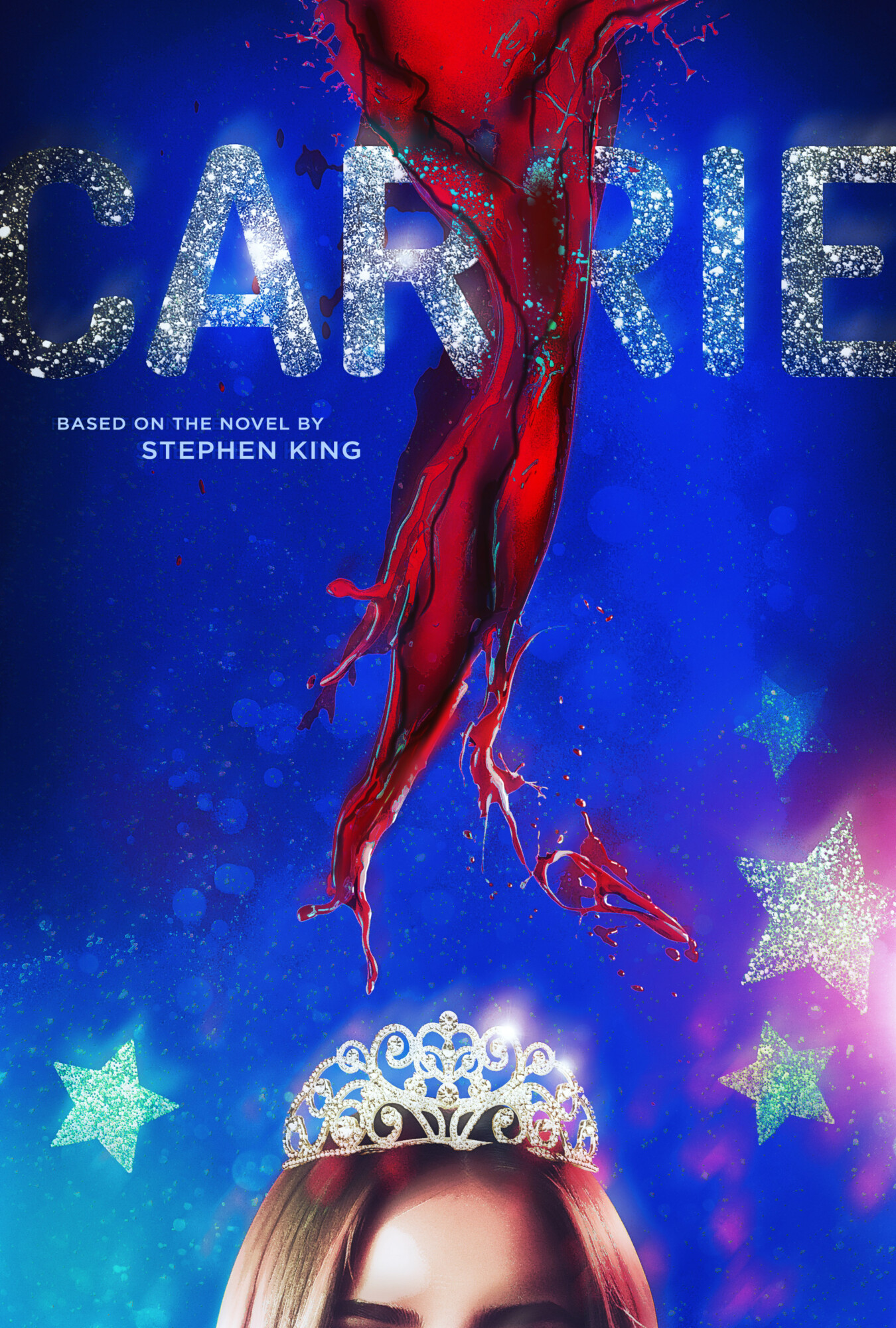
For context on what this is measuring itself against: Brian De Palma’s 1976 film got Oscar nominations for both Sissy Spacek and Piper Laurie, which almost never happens for horror and still hasn’t happened much since. The 2013 remake put Chloe Grace Moretz and Julianne Moore in the roles and landed with a shrug. In between there was “The Rage: Carrie 2” in 1999, following a telekinetic half-sister, and a 2002 NBC television movie with Angela Bettis that was written by Bryan Fuller and built as a backdoor pilot. There was even a Broadway musical in 1988 that became a byword for expensive disaster. This story has been adapted more or less continuously for fifty years, and exactly one attempt is remembered fondly.
Which is the risk, and we would be doing you a disservice not to name it. De Palma’s version works partly because it is lean, the humiliation, the crown, the blood, the fire, done. Eight episodes is four times that runtime for a plot that fits on an index card, and longform King adaptations have a habit of padding out the middle with subplots nobody asked for. Flanagan is the best possible bet to avoid that, because “Midnight Mass” proved he can hold a slow burn for seven hours without the tension going slack. But it is still a bet. October 7 is when we find out whether the story had eight hours in it all along, or whether we were right to love it short.
What Do You Think? Does Flanagan use the White Commission inquest framing, and if he does, would knowing the ending up front make the prom sequence more unbearable or less? Is handing Margaret White to the actor who played Bev Keane inspired casting or too on-the-nose, and can Sloyan find a second register for a woman like that? And after fifty years and five attempts, is there actually a version of this story we haven’t seen, or is the phone-filming update the only genuinely new idea available?
See you on the next binge!