Prime Video put the full trailer for Mike Flanagan’s “Carrie” online on 9 September, and the most telling shot in it is not the blood. It is a phone. Somebody is scrolling an account called carrie red, nineteen posts, three hundred and fifty eight followers, a grid of photographs of a girl at her worst with FEED ME captioned across one of them. Stephen King published this story in 1974 and the cruelty in it travelled by word of mouth around one small town. Flanagan has handed it a distribution network.
The trailer runs two minutes and six seconds, the picture is a 2:1 letterbox rather than the usual 16:9 for almost all of its length, and it is a genuinely new piece of marketing rather than a longer cut of the teaser from July. We measured that rather than assuming it: sampling both videos twice a second and comparing every trailer frame against every teaser frame, sixty five percent of this trailer is footage that was not in the teaser at all, and the entire first twenty four seconds are new. The recycled material comes in bursts of one to three seconds, plus the closing block. If you watched the July teaser and skipped this, you have seen about a third of it.
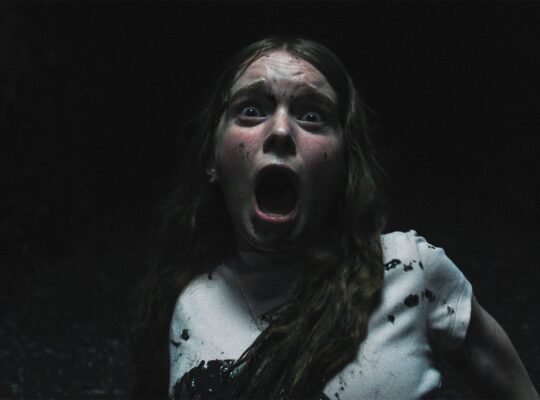
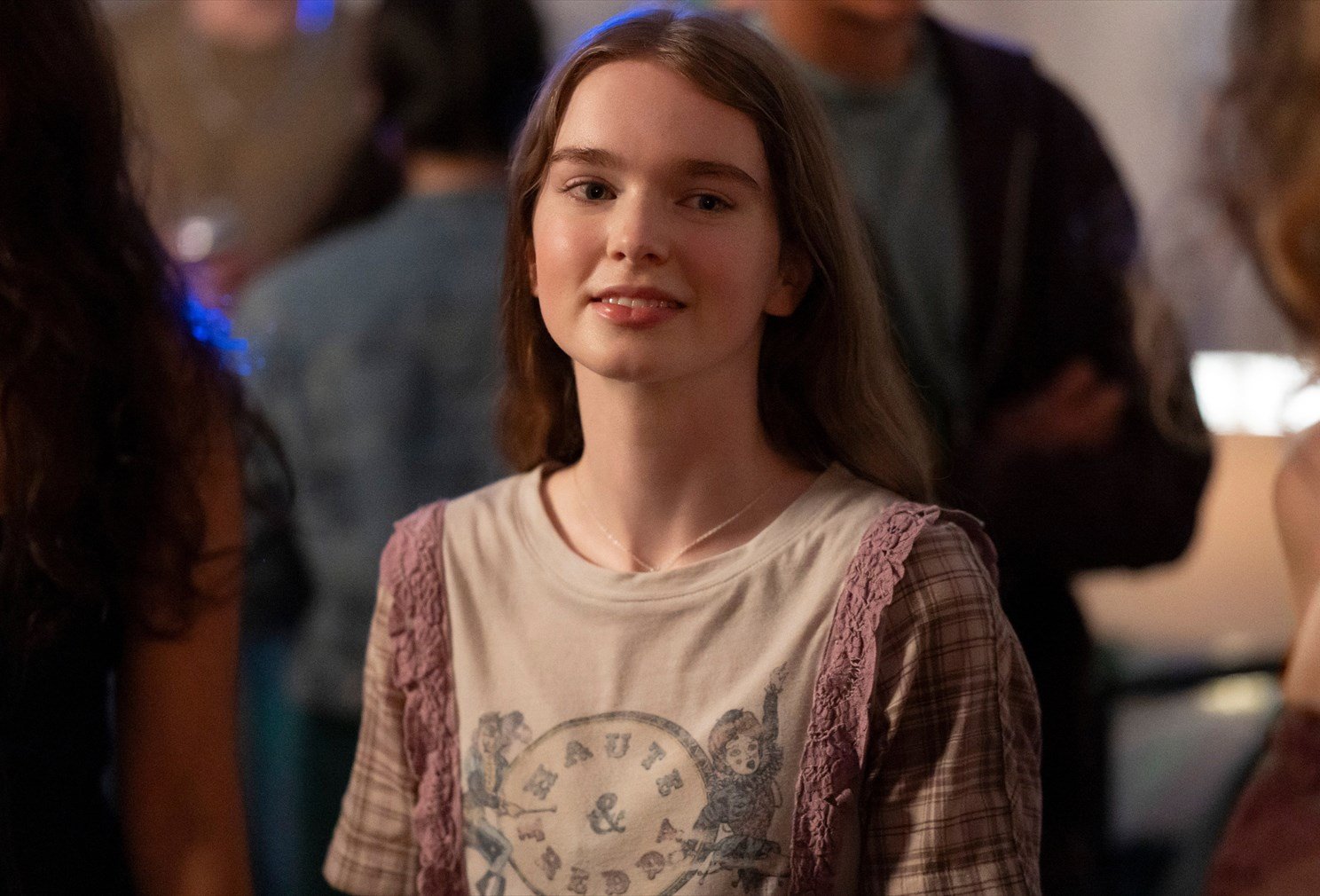
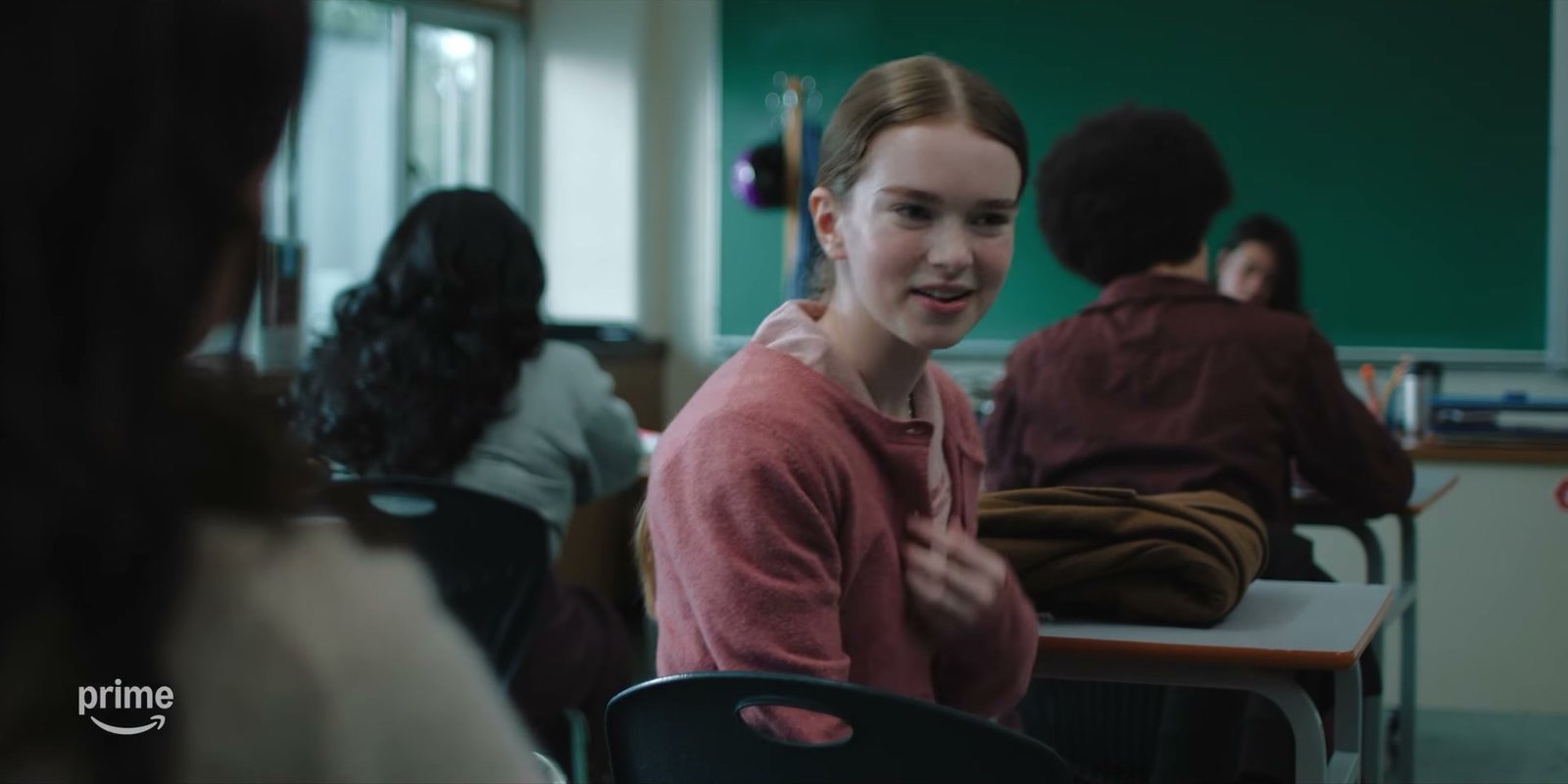
What those new twenty four seconds buy is the thing every previous version of this story has skipped. We meet Carrie White (Summer H. Howell) on her first day, and a teacher introduces her to a room that has already had a whole term to form its opinions. “I hope you all had a good holiday season,” she says. “Please say hello to Carrie White. Make her feel welcome.” Warning beyond this point there are spoilers for the “Carrie” trailer, the changes it makes to Stephen King’s novel and the shape of the series’ opening episodes.
Stephen King published this story in 1974 and the cruelty in it travelled by word of mouth around one small town. Flanagan has handed it a distribution network.”
The exchange that follows is the best writing in the trailer, because it is not cruel at all. A girl leans over and says “Hi, I’m Sue, by the way,” and then, meaning it, “that’s a really nice dress.” Carrie says thanks, and that she made it. Somebody else says “sure did, didn’t you,” which is the first knife of the series and it arrives inside a compliment. Carrie asks “so what do we do?” A voice asks whether this is her first day, like, ever. She says she was schooled at home until today. And the reply, delivered with the exact flatness of a girl who has already decided how this goes, is “oh, I love that for you.”
Then the trailer does something structurally interesting that no outlet led on. It cuts to what is plainly an interview, filmed after the fact, and somebody says: “There’s one thing no one understands about what happened here in Chamberlain. The police don’t get it. The press don’t get it. The scientists don’t get it, and you won’t get it either.” King’s novel is assembled from reports, testimony and inquiry documents written after the town burned. Every film version has thrown that away and told the story forwards. This one appears to be keeping it, which means the series knows you know how it ends and is building the eight episodes as an investigation rather than a countdown.
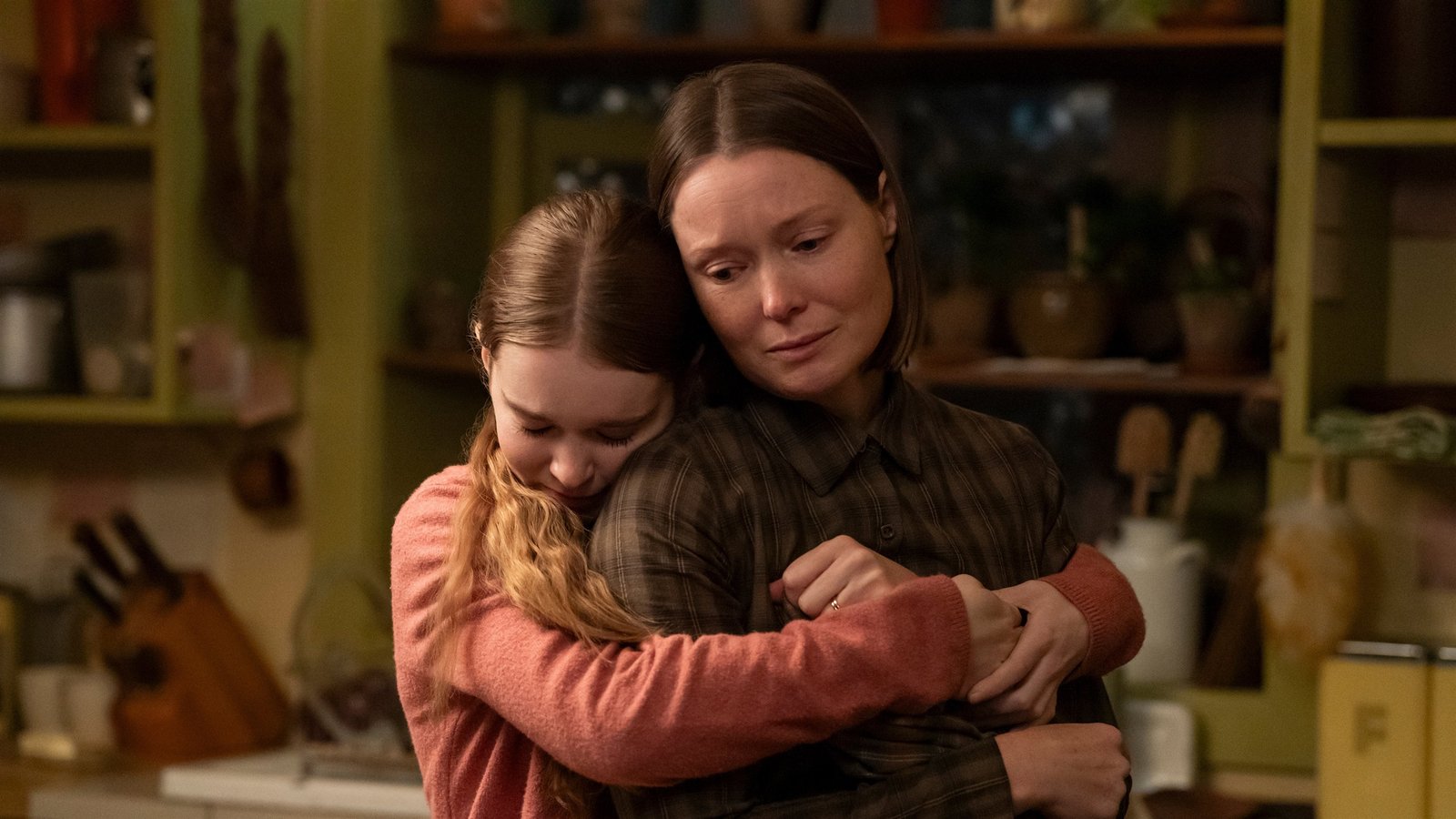
The other real change is Margaret. Samantha Sloyan is playing her, and the trailer is careful to show her holding her daughter rather than hurting her. The reporting around the trailer describes a Margaret who genuinely loves Carrie and is fiercely protective of her, with the abuse arriving later rather than being the whole character from the first frame. Her lines here are controlling rather than violent. “I want to know what they are teaching you,” she says, and when Carrie pushes back, “are you afraid they’ll tell me things you don’t want me to know?” That is a mother losing an argument, not a monster. It is also a much harder part to play and a far better idea.
The shower scene is here, and Flanagan stages it as a medical emergency rather than a set piece. “Why am I bleeding?” Carrie asks, and then, “oh my gosh,” and then she is screaming “help me” into a room that has decided this is funny. The trailer gives you the aftermath from three directions at once: an adult saying “those girls were out of control,” another saying “she must have been scared,” and one girl explaining, with the specific cheerfulness of somebody who has never been in trouble, that she really thought she was dying, and that is rough.
And then the line the whole adaptation turns on. Somebody says “we tried to help her, she was out of her mind,” and somebody else, flatly, says “we filmed her.” In the novel and in every film version, the shower is a private humiliation that becomes a rumour. Here it is a file. It gets uploaded. The name follows immediately: a voice says “Carrie White,” and another says “I’m more like Carrie Red,” and a third finishes it, “bloody Carrie Red.” That is a nickname engineered to trend, and the account on that phone is where it lives.
Margaret’s response is the one moment the trailer lets her be unambiguously a parent. “What did they do to my daughter?” she asks, and there is no piety in it. Carrie’s own reckoning lands a beat later and it is aimed at her mother rather than the school: “why didn’t you tell me?” Sloyan’s answer is the coldest reading in the two minutes. “Why on earth would I tell you?” Sue, elsewhere, gets the saddest line available to a bystander who did nothing: “I would have been your friend.”
The middle stretch is where the modern setting stops being decoration and starts being the plot. Principal Grayle (Matthew Lillard) is handed the exact sentence every administrator reaches for: “It is my job to protect the well-being of the students of the school.” Somebody, off camera, answers with “it’s called freedom of speech.” That is the entire argument about online bullying compressed into two lines, and putting it in an adaptation of a fifty year old novel is a sharper move than it first sounds, because King’s Chamberlain had no mechanism for a whole town to pile on at once and this one does.
The escalation is quick after that. “You’re hurting people,” somebody tells Carrie. “What are they doing?” she asks, watching something happen to her. And then the line that reframes the ending before we have seen it: “this is a witch burning.” The trailer cuts to an emergency call, a dispatcher asking “911, what’s your emergency,” a voice saying “they’re dead,” and the dispatcher, not following, asking “who said someone’s dead?” There are shots of a crowd running through a hall in daylight, which is not the prom and suggests the series is not saving every catastrophe for the finale.
Margaret’s turn arrives in the last thirty seconds, and it is loud. “You’re not helping me,” Carrie says. “You need to shut up and listen to your mother,” Margaret answers, and the reading is a woman who has run out of the version of herself we met at the start. Around it the trailer scatters fragments that are hard to place and clearly deliberate: “you could settle this right now, you know,” somebody insisting they actually hurt someone, and a girl complaining “this is what I get for trying to be nice,” which is the sound of a bully discovering consequences and deciding they are unfair.
It closes where it has to close. Carrie is standing under the lights with her back to us, the room going wrong around her, and a voice, calm, says “you have all the power.” Then Howell, quiet, over the last of it: “all I ever wanted was to go to school.” That is the whole tragedy in eight words and it is the right note to end a trailer on, because it is the only thing in two minutes that nobody in Chamberlain was ever going to give her.
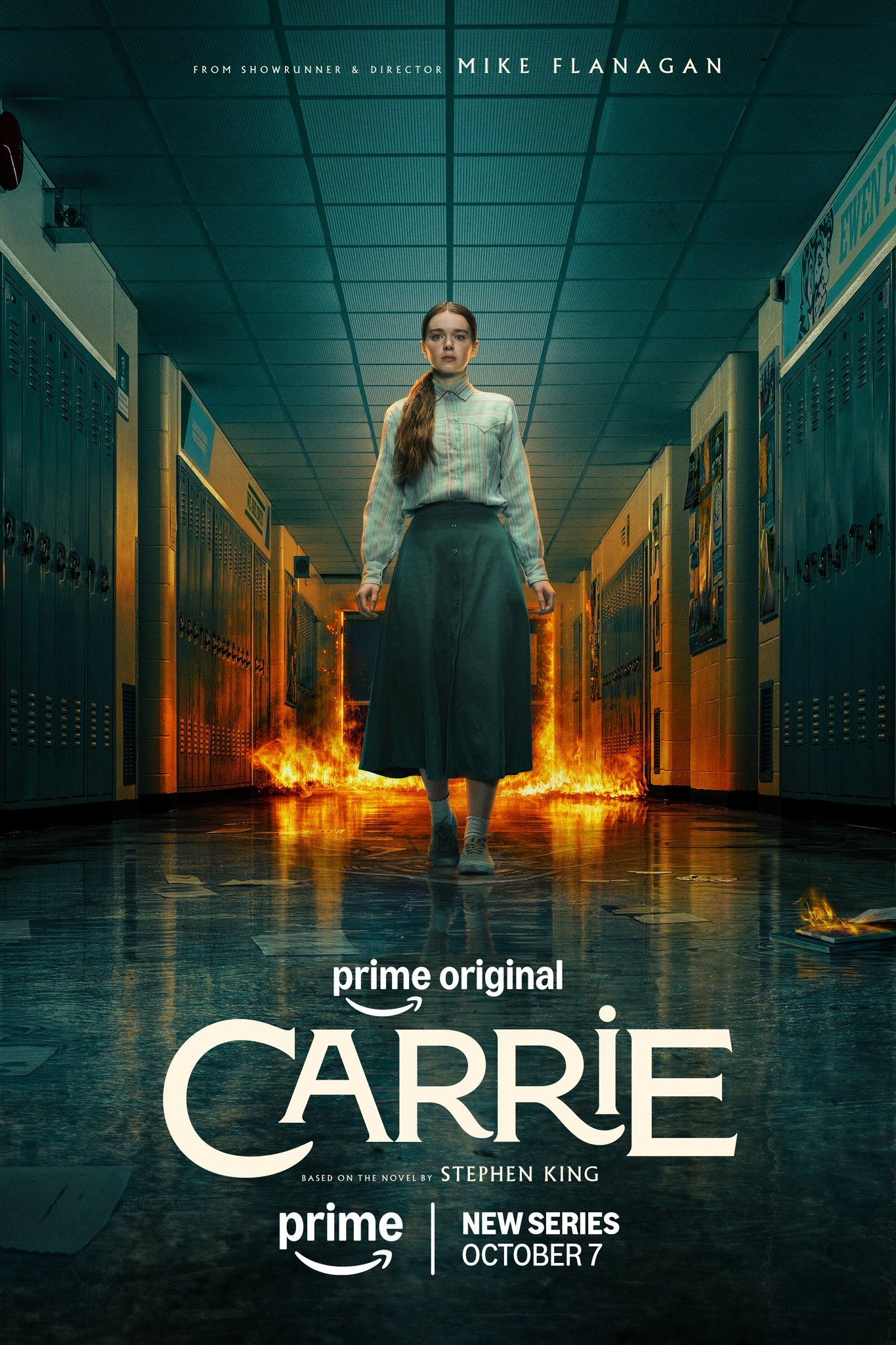
The particulars: eight episodes, all of them arriving on Prime Video on 7 October, with Flanagan writing and directing the premiere and the finale as well as episodes two and seven. Alongside Howell and Sloyan the cast carries Matthew Lillard as Grayle, Amber Midthunder as Miss Desjardin, Siena Agudong, Alison Thornton and Joel Oulette. It is Flanagan’s first Stephen King television series after three King films, which is a distinction worth keeping straight, and the reporting around the trailer also indicates the show widens the premise beyond one girl entirely, introducing other women with telekinetic powers elsewhere in the world. That is the change most likely to divide people, and the trailer does not show it.
When we covered the teaser in July we asked whether drama alone would be enough, because that first cut skipped the blood completely and sold the series on performance. This one answers it, and the answer is that Flanagan was holding the horror back rather than declining to make any. What he has actually built is a story about a girl whose worst moment gets a permanent URL, which is a version of “Carrie” that could not have existed when King wrote it and reads as depressingly obvious now that somebody has. Whether eight hours can hold that without turning the source into a lecture is the real question, and we get to find out on 7 October.
What Do You Think? Is making the shower scene a piece of shared video the smartest update this story could have taken, or does it swap King’s small town claustrophobia for something more familiar? Does a Margaret who starts out loving her daughter make the eventual horror worse, or does it soften a character whose whole function was terror? And is expanding the world to other women with powers a natural read of the novel’s inquiry framing, or the moment a limited series starts angling for a second season?
See you on the next binge!