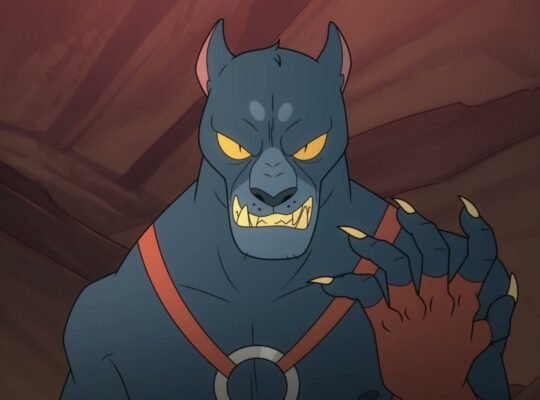
A lone figure in red stands in shallow water at sunset, with the wreck of a battlefield doubled in the reflection all around. Near the end of the same trailer, the camera pushes into the yellow eyes of Wolf (Daisuke Namikawa), cracks drawn across the skin of his face. Those images are from March, and they remain the best look the public has at “Sekiro: No Defeat”, the hand-drawn anime adaptation of FromSoftware’s “Sekiro: Shadows Die Twice”. Crunchyroll opened its New York Comic Con panel on Thursday with a world-premiere clip from the series, but the clip stayed in the room. As of Thursday night it was not on Crunchyroll’s YouTube channel, and early write-ups from the panel do not say what it showed.
What the panel did lock in is the shape of the thing. “Sekiro: No Defeat” will stream weekly and exclusively on Crunchyroll as an eight-episode series starting in January 2027, everywhere except Japan, China, Korea, Russia and Belarus. KADOKAWA, Qzil.la and ARCH produce it, with Qzil.la handling the animation, and every episode is hand-drawn in 2D. Kenichi Kutsuna directs, Takuya Satou wrote the script, Takahiro Kishida, the character designer on “Durarara!!” and “JoJo’s Bizarre Adventure: Golden Wind”, drew the characters, and Shuta Hasunuma composed the score, with “Blu” by the late Ryuichi Sakamoto as the theme song. The game’s Japanese cast is back, so the story of Wolf and his young lord Kuro (Miyuki Sato) keeps its original voices. Warning beyond this point there are spoilers for “Sekiro: Shadows Die Twice” and its endings.
Crunchyroll opened its New York Comic Con panel on Thursday with a world-premiere clip from the series, but the clip stayed in the room.”
None of this arrived in a straight line. The series was announced at Gamescom’s Opening Night Live in August 2025 with a short teaser, and at the time Crunchyroll was promising it for 2026. That teaser set off a round of online speculation that the footage leaned on AI, and the production answered with a statement calling it “a fully hand-drawn 2D animation” and saying no AI was being used. Kutsuna brought it up himself when he spoke to Variety in March, remembering “this weird response that, ‘Hey, are they using AI or not?'” and saying it had turned into “a little thing” that has since been quelled. Our read is that a FromSoftware adaptation was always going to be inspected frame by frame, and being able to point at drawings is about the strongest answer a studio can give right now.
Then came the detour. Before it reached a single streaming queue, the anime was cut together as a two-hour film. That film played out of competition in Annecy’s “Feature Films: Midnight Specials” program and had its North American premiere at Fantasia, then opened in Japanese theaters on September 4th for what was meant to be a three-week run. Anime News Network reported a ninth-place opening worth 99,842,200 yen, about $649,000, over the first three days, and Crunchyroll says the run has been extended due to demand. The reviews pulled in two directions. Elements of Madness said the film “beautifully captures its jidaigeki roots” through classic animation and action. Kotaku’s Alicia Haddick, who saw it at Fantasia, found it “Stunning to look at” but also called it “a muddled mess of an adaptation” that ended up “feeling both rushed and dragged out” at the same time.
That review explains the series better than any press release. Kotaku reports that the TV version adds roughly an hour of story, runs in standard 24-minute episodes, and brings new cuts, new sequences and improved animation. Crunchyroll’s own announcement promises “an even deeper experience of Wolf and Kuro’s journey” than the film. Eight episodes at that length come to a little over three hours, against a film of about two. On paper, that makes this not the movie chopped into pieces but the movie with an extra hour to fill in what Kotaku felt was missing. It might be the rare anime that got a public test run on two continents before its real release, though nothing Crunchyroll or the producers have said ties the new material to the reviews.
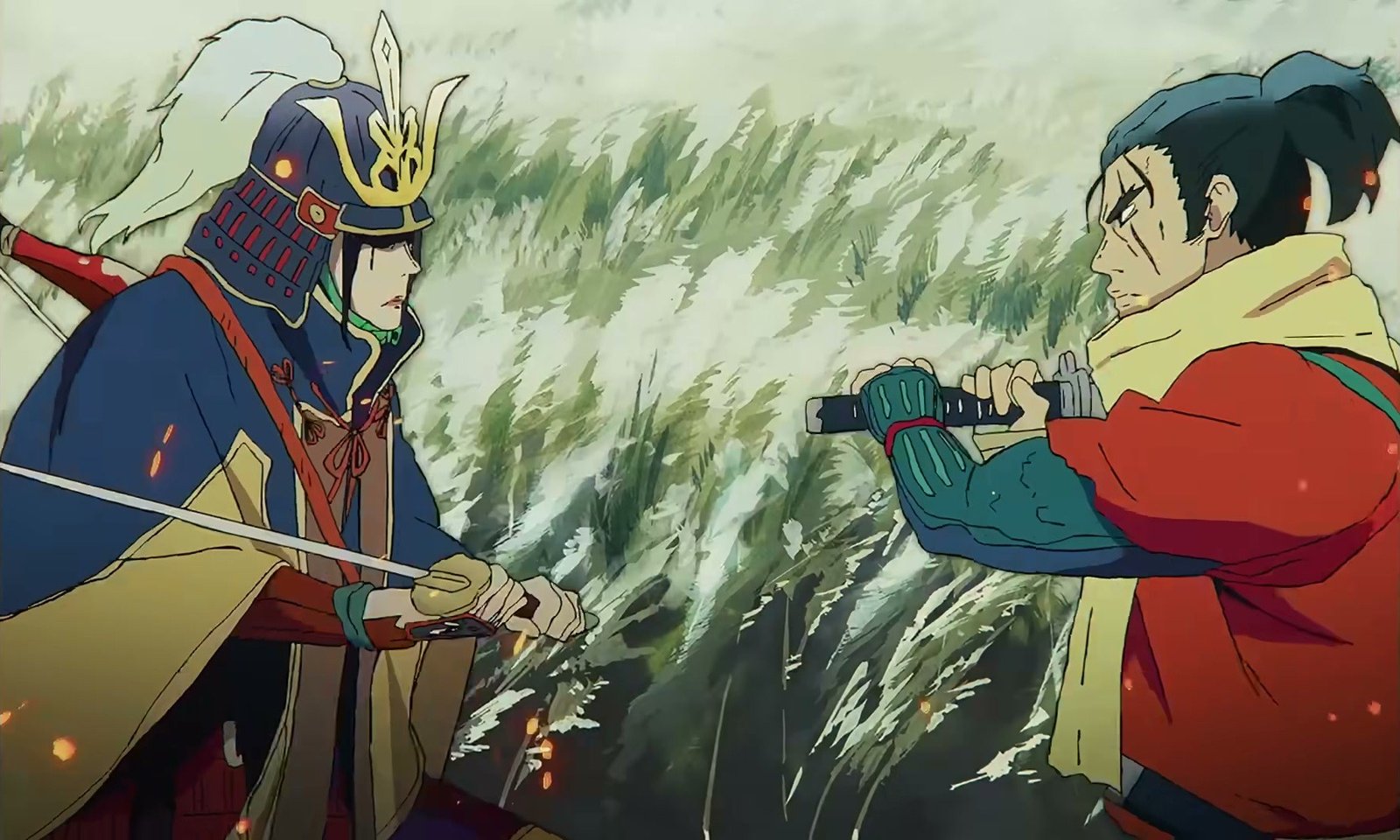
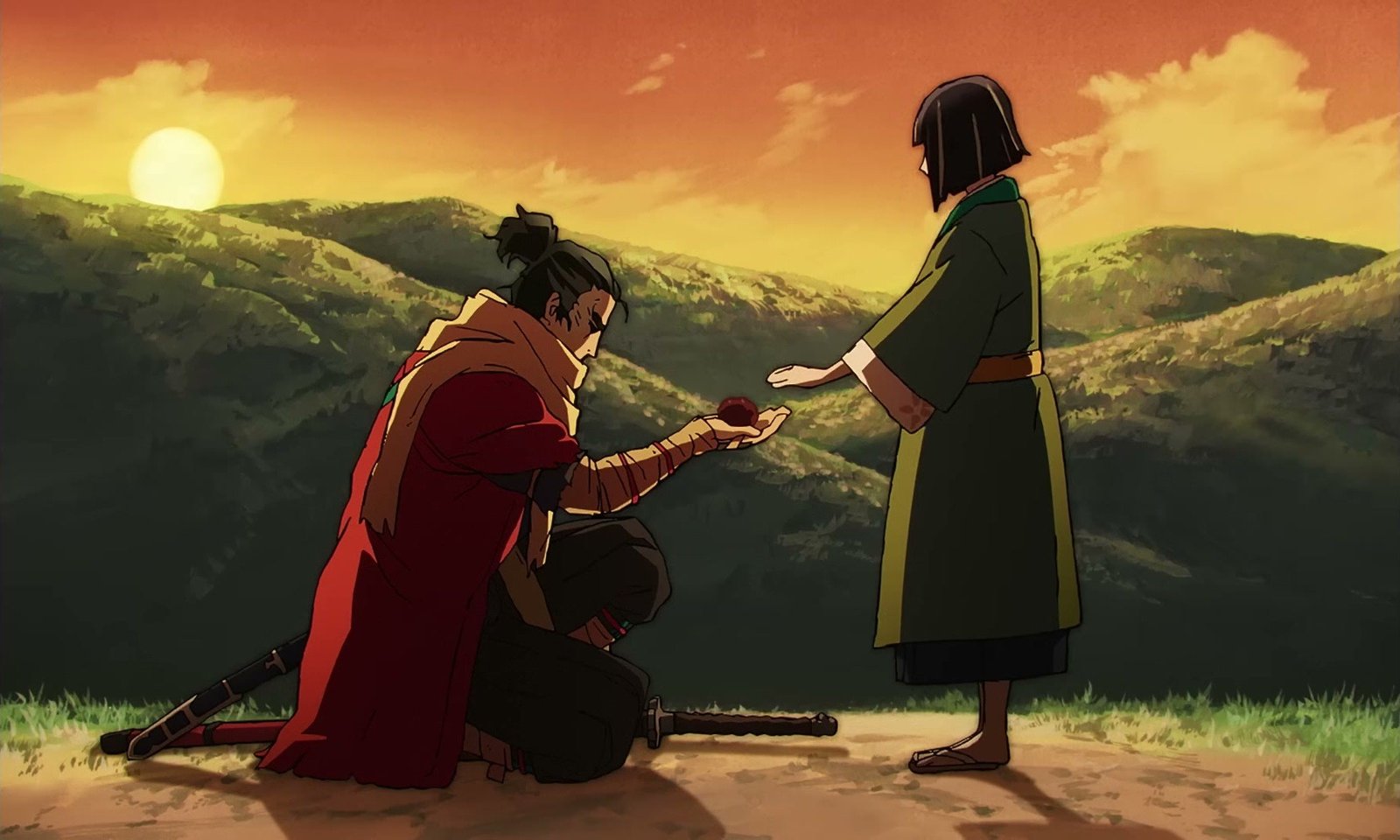
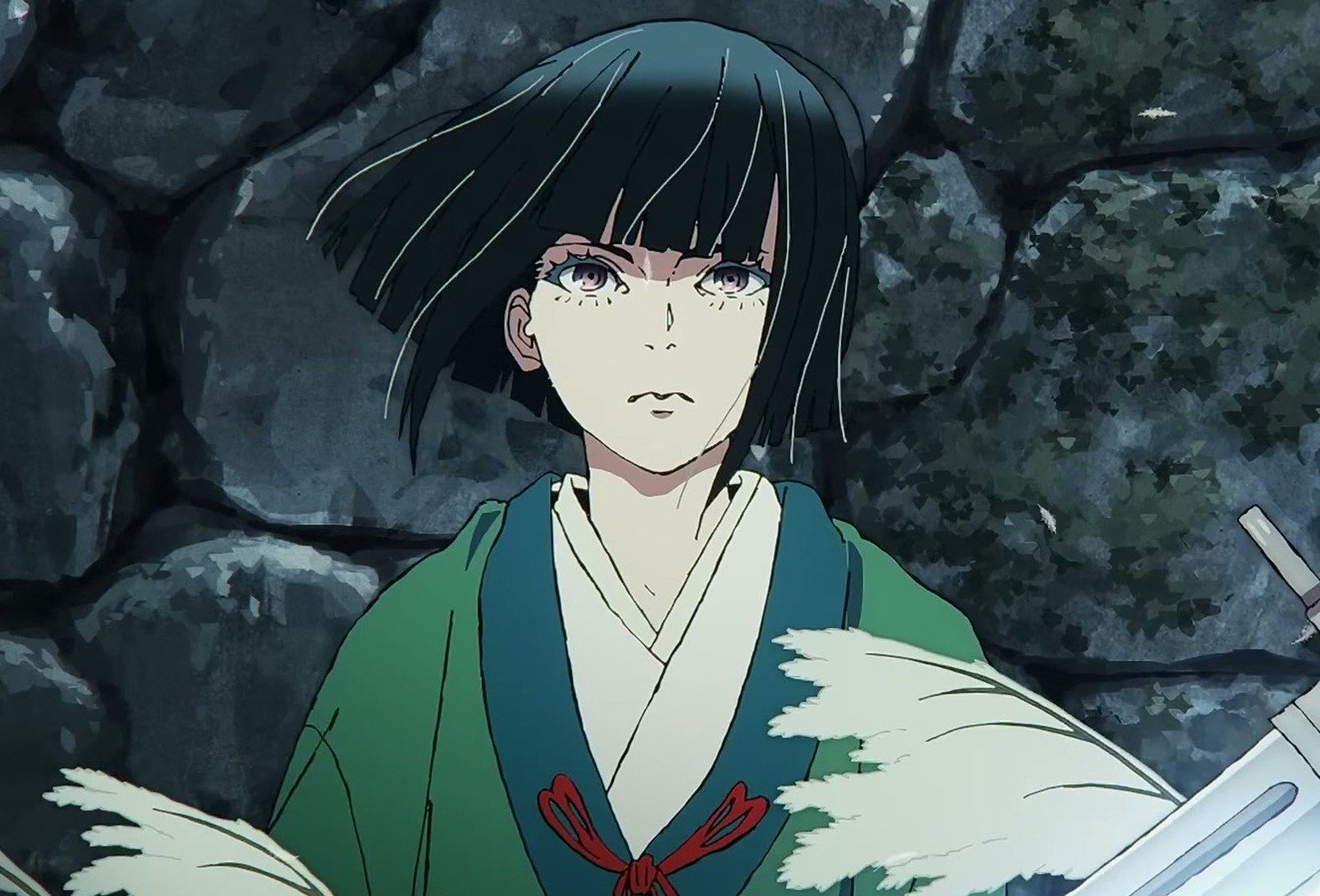
The hand-drawn decision is the most interesting call in the whole package, because it means the anime is not trying to beat the game at its own look. Kutsuna’s explanation to Variety was about the camera rather than the budget. In the game “you have one point of view and that wouldn’t really work for an anime,” he said, so the team took liberties with point of view and with how the imagery is joined together. Kotaku describes the film borrowing from ukiyo-e and sumi-e painting. The staff list also carries a credit for liquid art, given to Atsushi Harata, which is probably where the swirling, oil-on-water color passes in the March trailer come from. Hasunuma made the same point about the score, telling Variety there is “a lot more nuance that can be expressed in a linear format than in an interactive format” like the game’s. Kishida’s faces do a lot of that work, too, from the scarred, sunken look he gives Wolf to the calm of Emma (Shizuka Ito) in a bamboo grove.
That still leaves the harder question of how a game built around dying becomes eight episodes of television. Kutsuna put it plainly when he told Variety that “it’s not a very kind game, shall we say, to the players,” and he called that one of the core pillars of the experience. He said the team wanted the anime “to be open to interpretation in a similar way that the game presented itself to its players,” and then got more concrete. The game has “three major branches,” he said, and the anime leans toward one of those storylines, with FromSoftware checking and approving everything along the way. The game actually has four endings, from Shura, where Wolf abandons Kuro and is consumed by bloodlust, to Immortal Severance, Purification and Return, which each settle Kuro’s immortal Dragon’s Heritage in a different way. Kutsuna did not say which branch he chose, and Crunchyroll’s synopsis, “a tale of loyalty, blood, and sacrifice”, fits any of the three loyal ones.
The source material earned that kind of care. FromSoftware released “Sekiro: Shadows Die Twice” in March 2019, with Hidetaka Miyazaki directing and Activision publishing outside Japan and Asia. It sold more than two million copies in its first ten days, won Game of the Year at The Game Awards 2019, and passed 10 million units by September 2023. The title is a contraction meaning “one-armed wolf”, which is most of the plot in three words. Wolf loses his left arm to Genichiro Ashina (Kenjiro Tsuda) in a duel and comes back with a prosthetic from the Sculptor (Jin Urayama). Variety notes this is the first time a FromSoftware property has been taken to the screen in any form, which puts real weight on eight episodes.
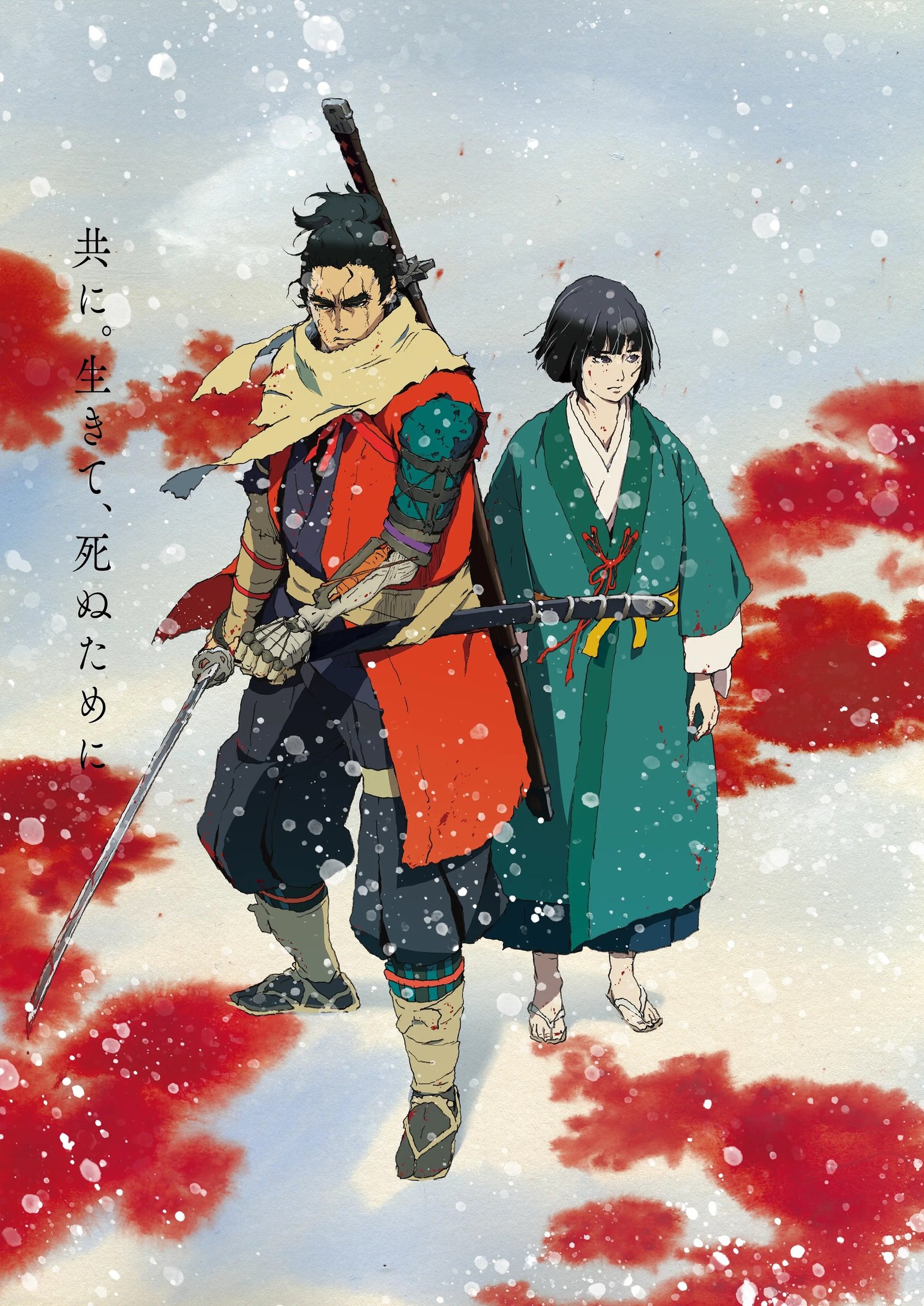
It is also worth looking at who else was on that stage. The same Crunchyroll panel gave a first look at a “Ghost of Tsushima Legends” anime from HAYATE and PlayStation Productions, due in 2028, so two of the night’s headline slots went to games set in feudal Japan. Leading with “Sekiro” footage and then not posting it right away tells us Crunchyroll knows exactly what this one is worth to a crowd that has spent years dying to Genichiro over and over. The risk is the one the film already ran into, where a story trimmed to fit reads as missing half of itself, and eight weekly episodes could turn out to be the cure, or just a longer version of the same problem.
What Do You Think? Was hand-drawn animation the right call for the first FromSoftware adaptation? Should Crunchyroll have posted the Comic Con clip online the same night? And which of the game’s endings do you want the series to land on?
See you on the next binge!