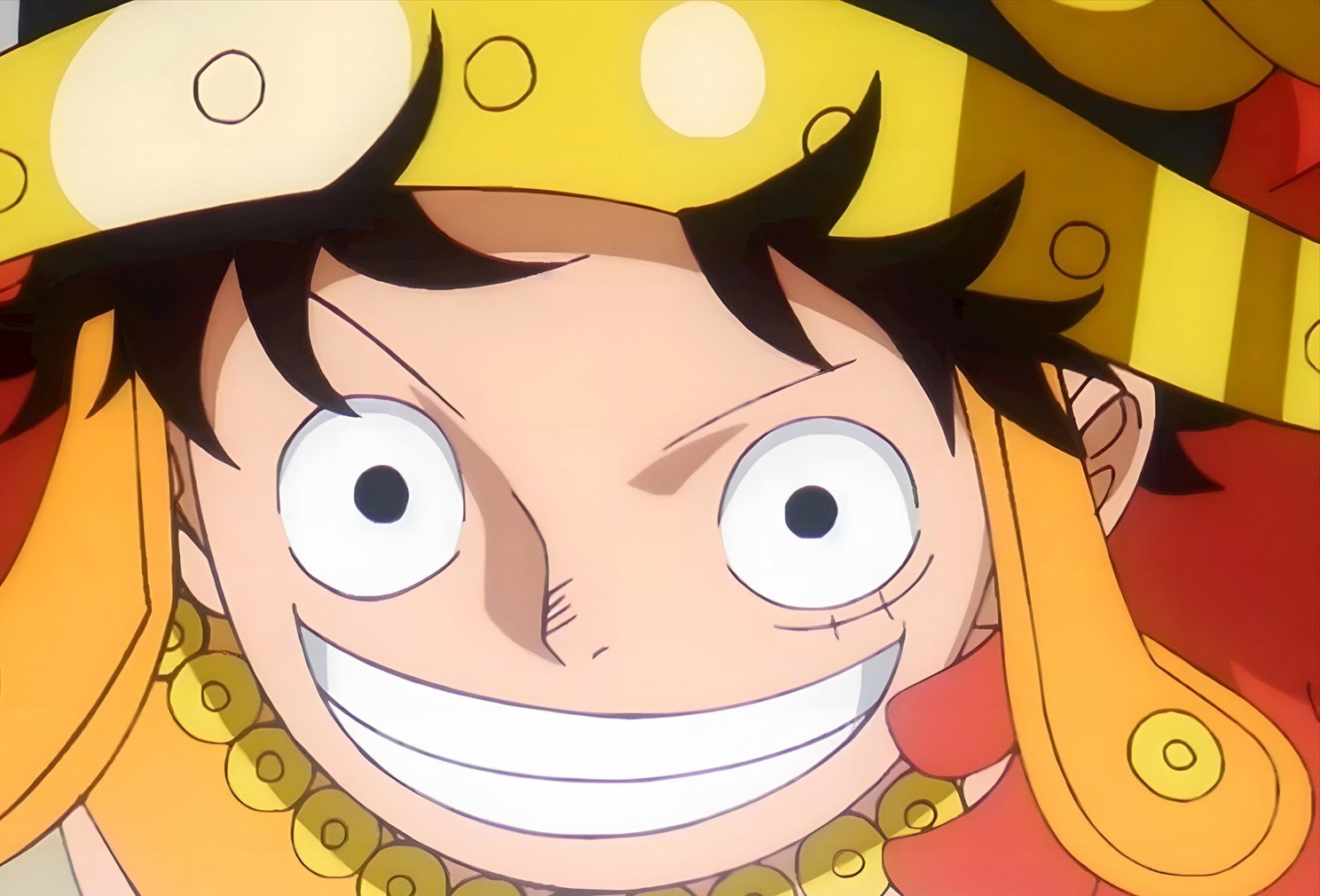
There is a version of “One Piece” that most people reading this have met, and it has eight live-action episodes and Iñaki Godoy in a straw hat. There is another version, running since 1999, which reaches episode 1180 this Sunday. That is the one with a season finale this week, and it is the one that has spent 2026 adapting the Elbaph arc, the stretch of Eiichiro Oda’s manga that finally takes the Straw Hats to the giants’ island the series has been pointing at for two decades.
Crunchyroll releases episode 1180, titled “Elbaph in Despair, Diabolical Covenant, Domi Reversi”, on 27 September, with Netflix following a week later. It closes a run of 24 episodes released this year and it is being built as a cliffhanger, because Imu, the figure sitting above the World Government that the series spent hundreds of episodes refusing to show you, is finally moving. Warning beyond this point there are spoilers for the Elbaph arc and for where the anime leaves off before its break.
There is another version, running since 1999, which reaches episode 1180 this Sunday.”
The structural change is the story here, and it is a bigger one than a single episode. “One Piece” spent a quarter of a century as the thing that never stopped, a weekly anime that ran through every season, every year, with filler arcs and recap episodes padding the gaps whenever the manga got too far ahead. In 2026 it stopped doing that. The anime now runs on a seasonal model, roughly 26 episodes a year, and then it goes away until the next block is ready.
That is a genuine trade, and it is worth being honest about both sides of it. What the audience loses is the ritual, the sense that there is always a new episode somewhere, which for a show of this age is not a small thing to give up. What it gains is an adaptation that no longer has to stall, because the old model forced the anime to stretch single manga chapters across entire episodes, and a generation of viewers learned to treat “One Piece” as something you skip rather than something you watch.
The Elbaph arc is the first one made under the new rules, and it is, so far, the argument for them. Twenty-four episodes, no filler, adapting an arc that matters, and then a stop rather than a slow leak. The second phase returns at some point in 2027 with another 26 episodes, which is a commitment rather than a hope. Whether that cadence holds once the manga’s lead shrinks again is the open question, and nobody has answered it.
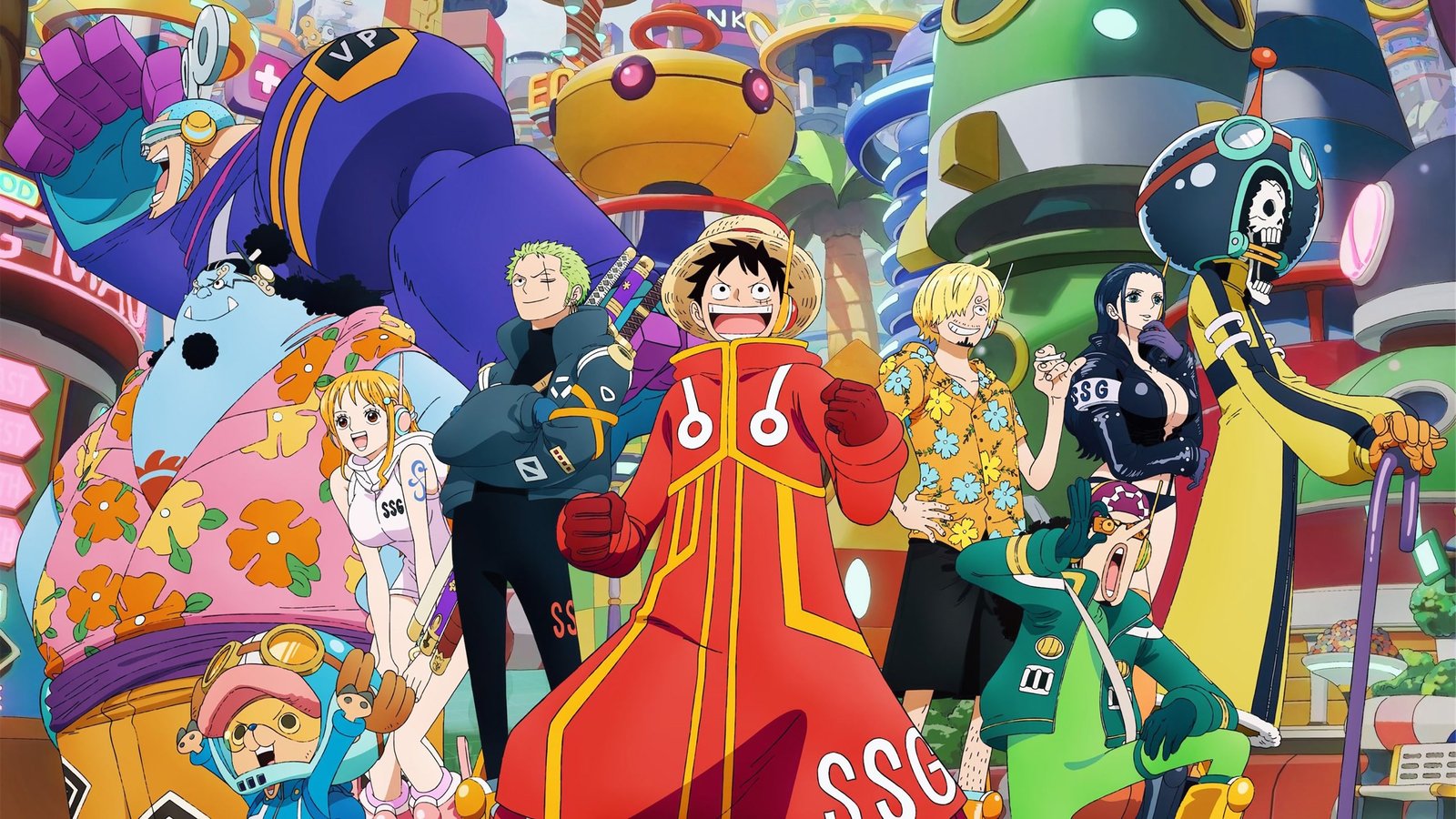
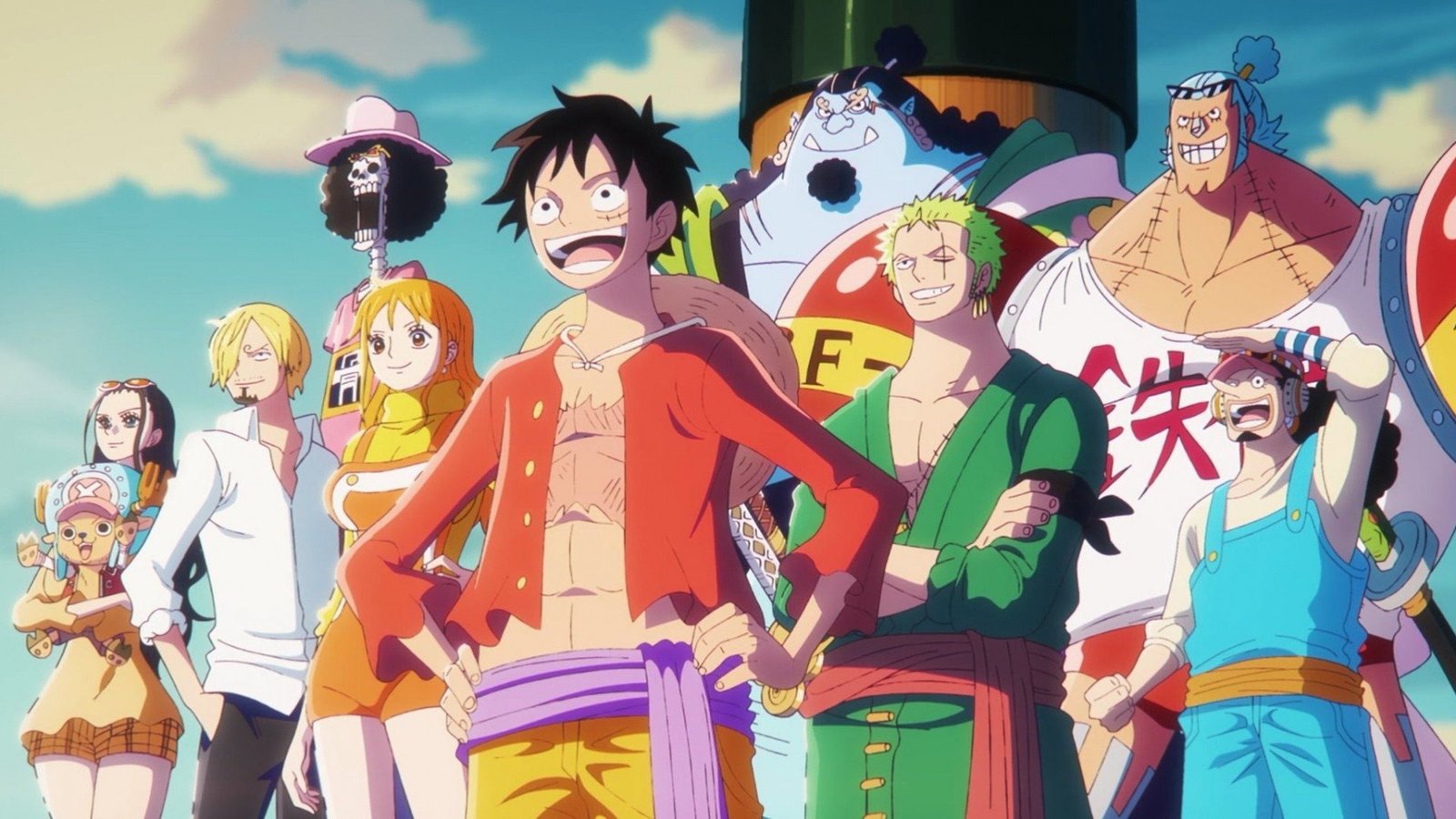
Two feature films are in the pipeline alongside the television run, which is probably the part of this that tells you most about where the money is going. A seasonal anime with a fixed episode count is a far easier thing to plan a film slate around than a show that simply runs forever, and the two are likely being scheduled against one another rather than in spite of one another. Nothing has been dated, and nobody has said what either film adapts, so the only honest read is that the franchise is being managed as a slate now rather than as a serial.
The practical effect on the production is the part nobody outside the studio sees. The old model forced an animation team to slow the story down and keep the schedule up at the same time, which is an impossible brief, and it produced exactly the padding the series has never quite shaken off. Twenty-four episodes with a known end date is a completely different job, and it removes the reason the filler existed in the first place.
It is also, quietly, a test case for everything else in the genre. Long-running anime have been drifting towards this model for a while, because the economics of animating a weekly show indefinitely stopped working somewhere around the streaming boom, and “One Piece” is by some distance the biggest title to make the switch. If it holds, and if the audience tolerates the gaps, it becomes the template that every other endless series gets measured against. If the gaps stretch, or the 2027 block slips, the argument for the old way comes straight back.
Our own “One Piece” coverage is worth putting on the table here, because it is entirely about the other show. We wrote about Netflix wrapping a 200-day shoot on the live-action series and about season two finally getting a date. That is two articles, both about eight episodes of television, while the anime quietly passed 1,100 episodes without us mentioning it once. That is not a criticism of the live-action show, which is genuinely good, but the proportions are worth noticing.
Elbaph itself is the payoff for a very long setup. Giants have been part of this series since Little Garden, hundreds of episodes ago, and Usopp has spent the entire run idolising Elbaph’s warriors as the standard he is failing to meet. Putting the crew on that island is not a new location so much as a debt being settled, and Oda has structured the arc around characters the audience has been told about for twenty years without ever seeing at home.
Then there is Imu, which is the part that makes this finale load-bearing rather than decorative. The series established an empty throne early and spent an extraordinary amount of time not explaining who sat in it, and the recent manga has been steadily converting that silence into plot. An anime season ending on Imu taking action is the show cashing a cheque it wrote a very long time ago, and it is the reason this particular episode is being trailed rather than simply released. Whether the anime can pay that off at the pace it has now set itself is, perhaps, the real question hanging over the 2027 block.
The timing against the live-action series is worth a thought as well. Netflix has season two coming, adapting material the anime covered well over a decade ago, which means the franchise now runs on two completely different clocks. A viewer who starts with Netflix and a viewer who follows Crunchyroll are watching stories separated by roughly seven hundred episodes, and there is no obvious bridge between the two experiences beyond the name.
For anybody who wants to actually watch this, the practical detail matters more than the analysis. Episode 1180 is on Crunchyroll on 27 September and on Netflix the week after, which is the standard one-week gap the anime has been running on, and it is the last new episode until the 2027 block. That is a longer wait than “One Piece” viewers are used to, and it is the cost of the arc having been worth watching in the first place.
One last thing, and it is ours. Our archive treats “One Piece” as a Netflix property, because that is where the news lives and that is what gets written up, and this week is a decent reminder that the version with 1,180 episodes is still the one doing the storytelling. The live-action show is an adaptation of an adaptation, and the thing it is adapting just put its biggest unanswered question into motion.
What Do You Think? Is the seasonal model better for “One Piece” than the endless weekly run it replaced, or does a show like this need to always be on? Does Elbaph justify twenty years of build-up? And will Netflix’s live-action series ever get close enough to the anime for the two to feel like the same story?
See you on the next binge!