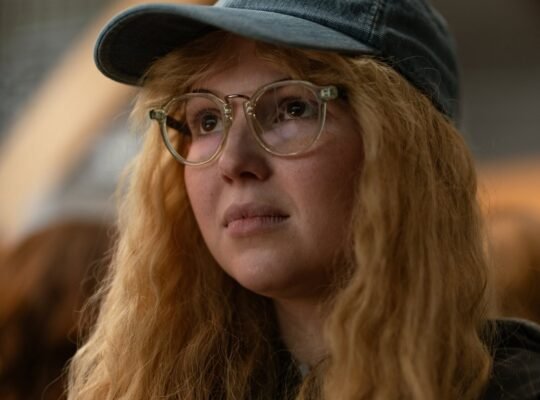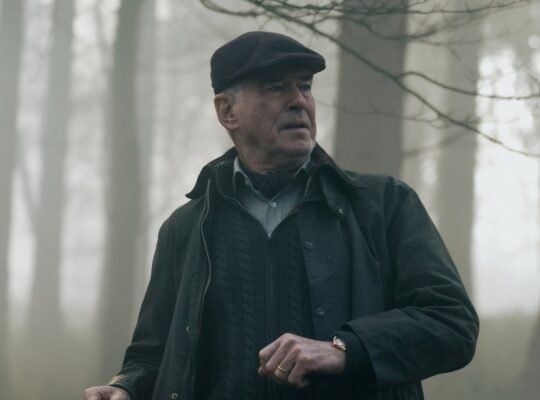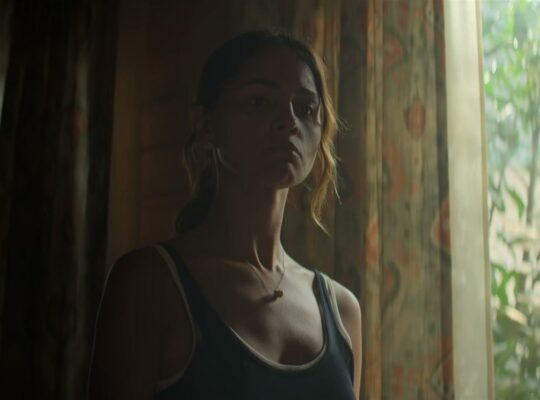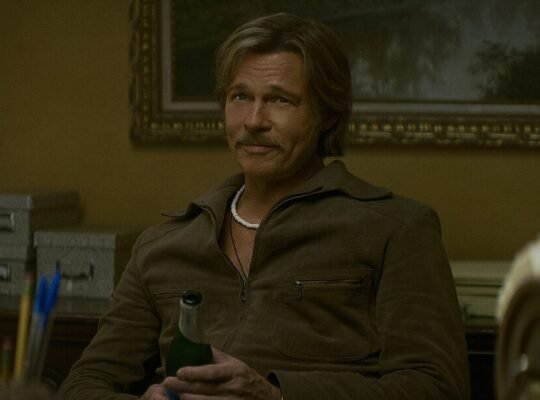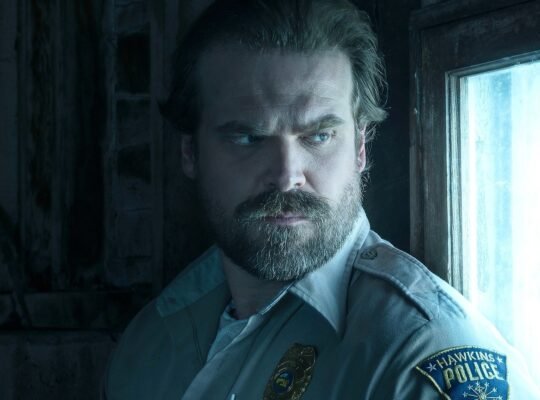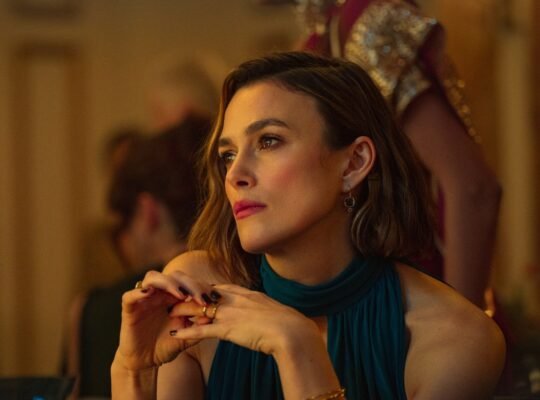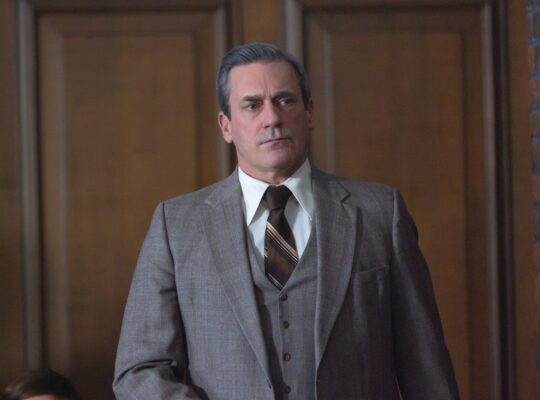

Netflix released all four episodes of “The Law of Beasts” on Wednesday, November 18th, 2026. The Polish drama opens in 1988 when the murders of four boys shake the town of Piotrków Trybunalski, and it jumps 25 years ahead as the convicted man is about to be released. Major Anna Bersz (Agnieszka Grochowska) led the first investigation. Her friend, the psychiatrist Agnieszka Grabska (Agnieszka Żulewska), was asked to judge whether the suspect, Mariusz Trynkiewicz (Michał Pawlik), was sane. Their decision ended the friendship and neither woman has been able to leave the case behind. Director Kasper Bajon is the filmmaker behind Netflix’s “High Water” and “The Mire” and he built this series around that decision rather than around the killer.
The reviews are respectful more than rapturous. Decider’s Joel Keller gives it a “STREAM IT” and Flickonclick calls it “a serious, well-acted crime drama about justice, fear, and friendship”. Comic Basics praises it for “refusing to turn real horror into lurid entertainment” but adds that the series “sometimes gets trapped inside its own philosophical debate”. Midgard Times opens with a warning that “this is going to be a very disturbing watch”. Pacing splits the critics. Midgard Times calls the pacing “anything but sluggish” while Flickonclick says the show “can feel slow at times”. The series never asks who did it, and it never pretends to know what the state should do next. Warning beyond this point there are spoilers for all four episodes of “The Law of Beasts”, including the finale.
The series never asks who did it, and it never pretends to know what the state should do next.”
The case is real. Mariusz Trynkiewicz taught physical education in Piotrków Trybunalski and in July 1988 he murdered four boys. A court found him sane and sentenced him to death four times in September 1989, once for each killing. An amnesty later that year turned those sentences into 25 years. Poland had no life sentence to fall back on so a fixed term meant a fixed release date of February 11th, 2014. The government answered with a law passed in November 2013 that Poland calls the “Beast Law”. It lets a court keep certain offenders under supervision or in a closed center in Gostynin after their sentences end. The series invented Anna, Agnieszka and their friendship to walk through that history.
The 1988 half plays like a procedural with a conscience. Anna Bersz is a major in the Citizens’ Militia. Three boys vanish, panic spreads and the town blames Satanists while Anna leads the investigation and tells the families that the killer will never go free. Agnieszka gets the other job, which is to examine the suspect and say whether he can be held criminally responsible for what he did. Those two assignments look separate at first but the series spends its four episodes proving they never were.
The decision at the center of the series is a good secret. Agnieszka’s examination points toward a dissociative disorder, which would stand between the suspect and a death sentence. Anna wants the death sentence, so she goes to a senior psychiatrist who leans on Agnieszka and Agnieszka signs off on his sanity. He is sentenced to death and then communism falls and an amnesty turns every death sentence into 25 years. Anna’s victory becomes her problem and Agnieszka carries the signature.


By 2014 Anna runs the country’s prison service and Agnieszka is a respected expert. The man is due out and Anna cannot try him twice for the same crimes. She needs another route, and a sharp young legal mind named Mikosz (Jakub Sasak) pitches the answer, a new law and a closed facility for offenders like him, which Anna drives through. Comic Basics says the passage of the law and Anna’s strained bond with her addicted adult son both feel “noticeably rushed”. Agnieszka, asked to examine the man again, finds a patient who needs treatment and not another cell.
That is the turn. In 1988 Agnieszka gave the state the answer it wanted and in 2014 she will not. She testifies for the defense and argues that the law should not bend just to punish him. That does not make her a defender of the man, but it does make her a witness the government cannot count on, and it turns the friend who once yielded into the obstacle.
Recaps disagree on how the series closes. The Cinemaholic and Digital Mafia Talkies describe a hearing that ends without a ruling. Trynkiewicz walks out of prison, and his mother, Urszula, opens a package he asked her to mail. She finds a disc taped to the back of a canvas, understands what it means and calls Agnieszka. Comic Basics has the court sending him to the Gostynin center instead. Neither version is tidy, and neither hands Anna a clean win.

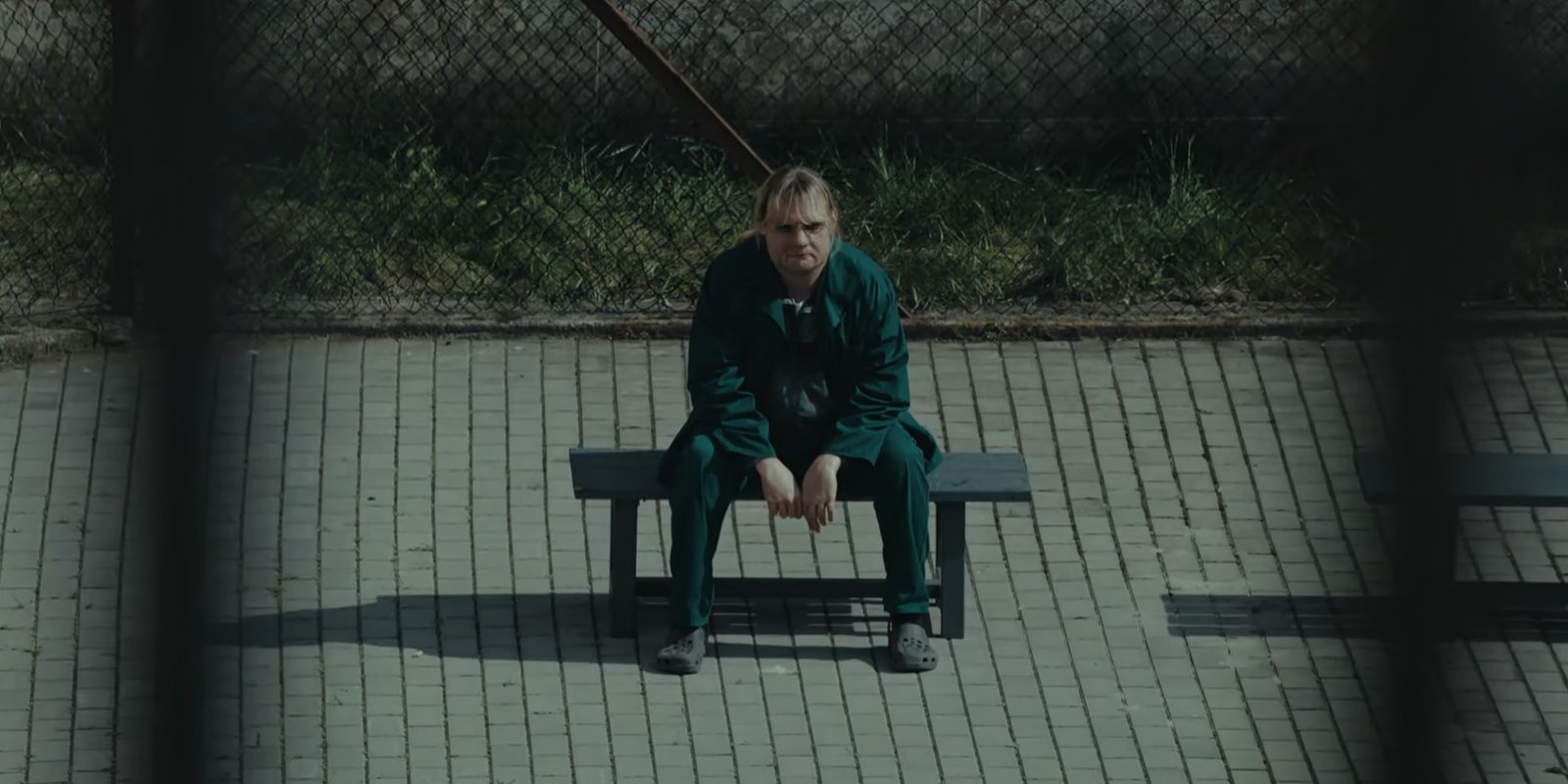
A note at the end of episode four says how the Beast Law is used today. It is still in force, and Poland’s human rights commissioner has criticized it and the Gostynin center more than once. Digital Mafia Talkies reports that the center was meant for 12 people at most and now holds more than 120. The real Trynkiewicz went to Gostynin on March 3rd, 2014. He was convicted again in 2015 for possessing child sexual abuse images, and he died on January 9th, 2025, at the age of 62. The law written around him outlived him.
What the series gets right is where it points the camera. Flickonclick calls that “the smartest choice the show makes” and says the show “treats the victims with more respect than many true crime shows do”. Spider’s Web, a Polish outlet, says it dreaded a glossy Ryan Murphy style retelling and found the opposite, with the killer kept in the background. Heaven of Horror describes the result as “equal parts true crime coverage and a legal or psychiatric conundrum”. That balance is the real achievement, and it is harder to pull off than it looks.


Where the series loses people is in the squeeze. Spider’s Web says four episodes are too few for the Anna and Agnieszka conflict and that the passage of the law is reduced to a scene of a few seconds. Its reviewer thinks Bajon writes better than he directs. Comic Basics says scenes sometimes play “like carefully balanced position papers”, and Flickonclick warns that “the lack of a clear final answer may also frustrate some people”. Those are fair complaints, and none of them is fatal.

The cast carries the weight. Grochowska plays Anna as brittle and certain and Żulewska plays Agnieszka as a clinician who cannot detach. Pawlik is the performance critics single out. Decider calls him “pretty friggin’ creepy” and Comic Basics praises his “eerie stillness and cold manipulation rather than theatrical menace”. Makeup divides the critics. Decider grumbles about “some dodgy makeup choices”, while Spider’s Web says Pawlik disappears under the makeup of the 2014 scenes. Comic Basics credits cinematographer Bartłomiej Kaczmarek, production designer Anna Marzęda and composer Piotr Waglewski with grounding both eras.
“The Law of Beasts” is a limited series of four episodes of about 45 minutes each and it ends where it means to. Anna and Agnieszka are invented but the question they carry is not. Bajon says the series is “a story about people who, in serving the state and its institutions, are forced to make impossible choices.” That is the right subject, because a show about the killer would have been easier and uglier. This one asks what a state may do to a man after a court has finished with him and what two friends owe each other after they helped build the sentence. It gives no tidy answer, and that is why it works.
What Do You Think? Did Agnieszka make the right call in 2014, or did her refusal help a man nobody should trust? Should a democracy ever hold a person after the sentence a court set has ended? And would you have signed the 1988 assessment with your best friend asking?
See you on the next binge!