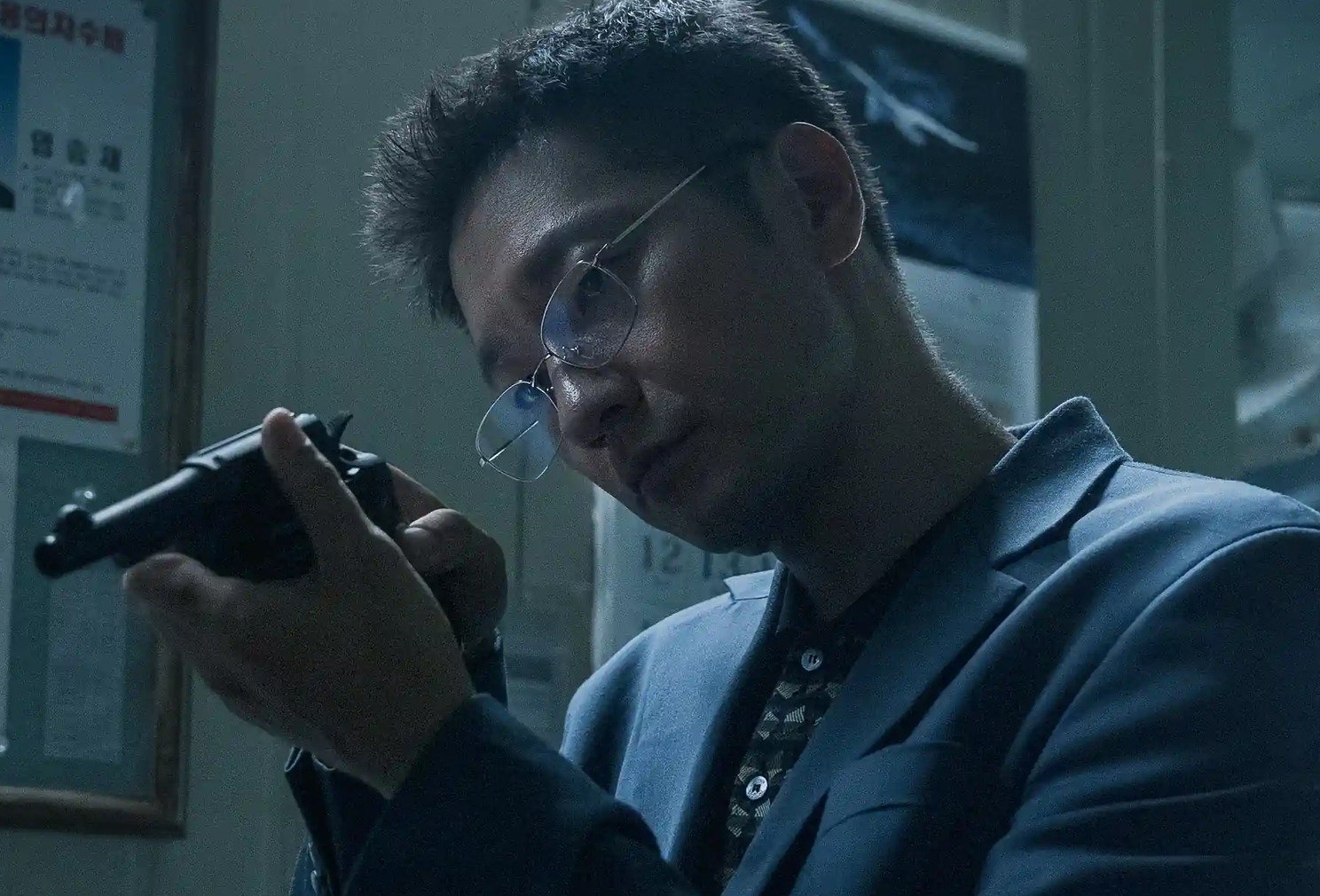
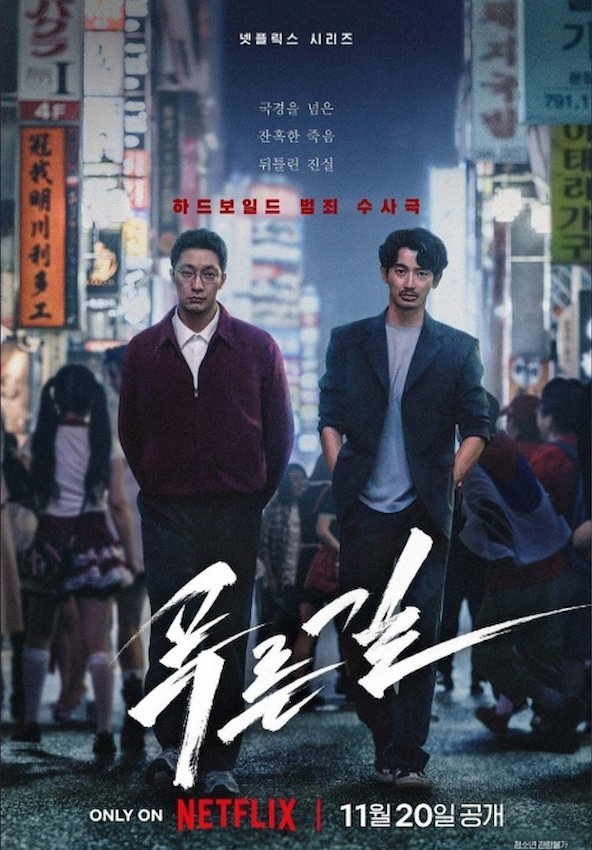
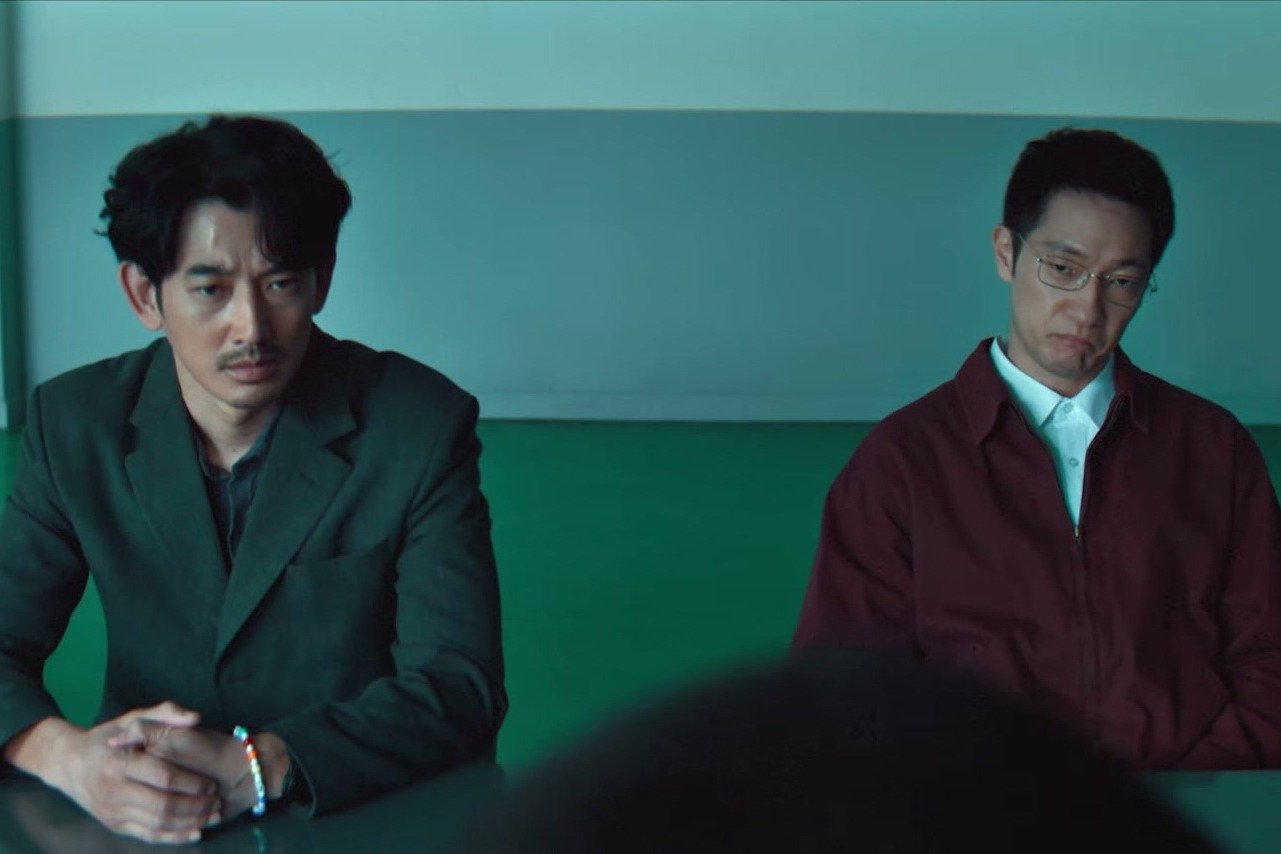
Netflix released all eight episodes of “The Blue Road” on Friday, November 20th, 2026. The Korean-Japanese crime series pairs the stoic Seoul detective Kim Seok (Son Sukku) with the easygoing Tokyo cop Hiroshi Inose (Eita Nagayama). The case opens during the 2002 World Cup, when a body turns up in Tokyo with a message written in blood, and a matching killing in Korea ties the two cities together. Director Han Jun-hee of “D.P.” adapts a Korean-Japanese comic by Keishi Edogawa and Kwon Kaya. The season works as a gripping buddy-cop thriller, and it wants to be a good deal more than that.
Critics praise the leads and split on the plot. What’s on Netflix calls the series a “Brutal, Brilliant Buddy-Cop Thriller” after its first three episodes. Heaven of Horror hears echoes of “Se7en” and “Saw”. Midgard Times is cooler on the full season and titles its review “A Clever Jigsaw Puzzle That Loses Its Way.” The detective pairing carries the show, and the mystery around them is clever but crowded. Warning beyond this point there are spoilers for all eight episodes of “The Blue Road”, including the killer and the ending.
The detective pairing carries the show, and the mystery around them is clever but crowded.”
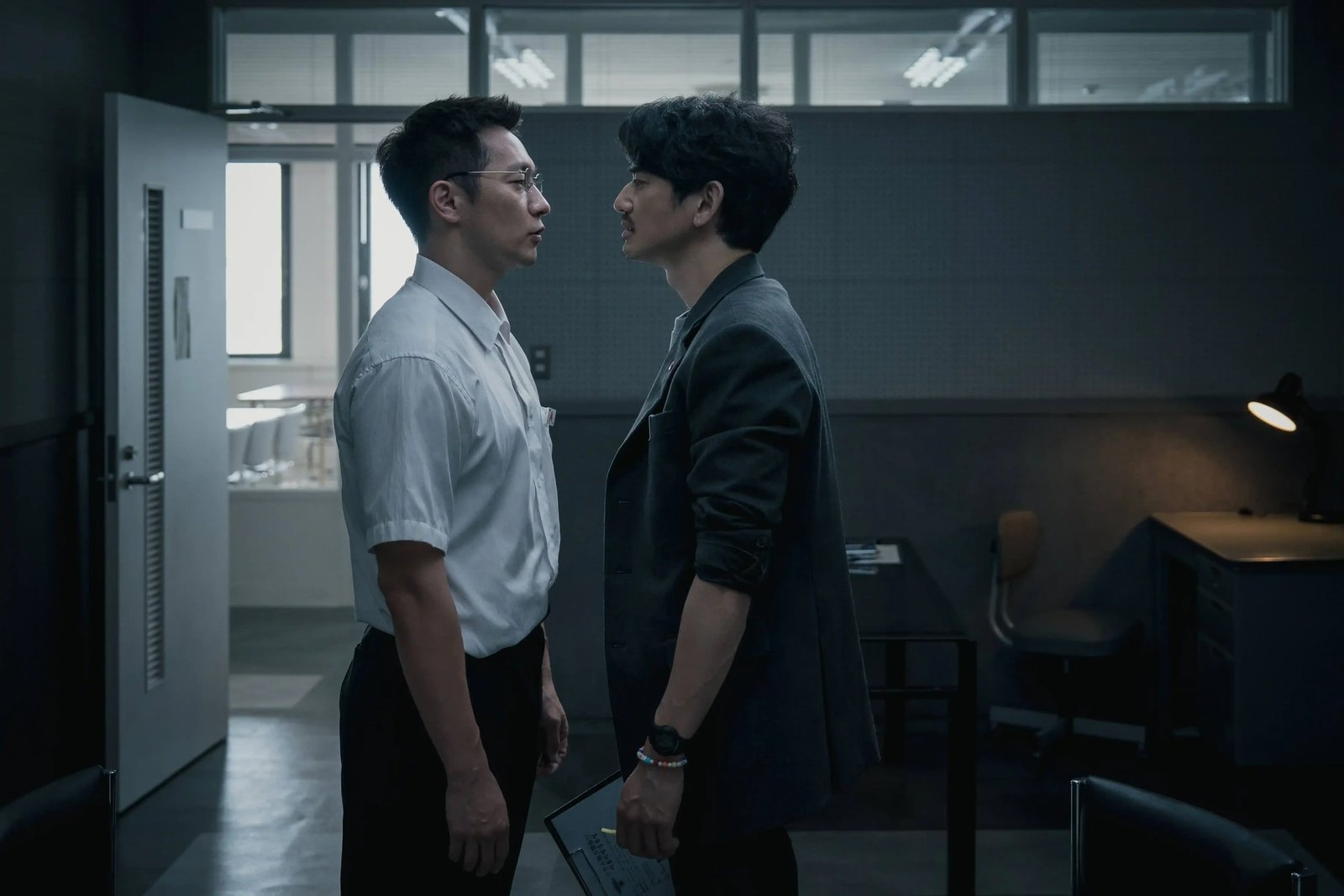
The opening episode sets the stage during the 2002 World Cup, which Japan and South Korea hosted together. Inose reaches an abandoned building in Shinjuku where a young woman lies dead with her limbs twisted backward and a message in Korean written in blood nearby. He spots a man with a camera, chases him down, and learns the man is Kim Seok, a Seoul detective who arrives with a matching case. The Korean victim had the same twisted bones and a message in Japanese. Netflix says the two clash and then “reluctantly team up.”
Episode two sends Kim home in disgrace after Tokyo learns that he lied about his assignment. Inose follows with proper permission and walks into Kim’s station in a Japanese football shirt, in the middle of a World Cup the two countries share. The killer’s message also surfaces online and traces back to a text attributed to Emiri, a Japanese soldier who fought on the Korean side in the Imjin War of the 1500s, and to a trail of paid online commenters.
Episode three names the killer. A crucial testimony leads the detectives to Emi Shunsuke, an artist who stages his murders as performances, and K-waves and Beyond lists Kentaro Sakaguchi in the role. The police take Emi in, but without evidence he walks free. Emi keeps outsmarting the detectives in episode four. Emi also kidnaps Kim’s ailing mother, who no longer recognizes her son and calls out for Hong Du-yeong, the man who helped raise Kim after his father vanished.
Emi’s next performance targets a young woman named Lee Hyeon-seo, and the detectives race to reach it. Emi falls from a building and dies on the way to the hospital, but before he dies he tells Kim that the man whose method he copied is alive. The pharmaceutical businessman Minamoto Shoichi, Emi’s father, had asked the gangster Seo Hyun-tae (Jung Jae-young) to kill his son. Daebak Daily’s recap says Hyun-tae removes Emi’s breathing equipment in the ambulance, unseen by the detectives. The case now points to a string of killings from the 1980s.
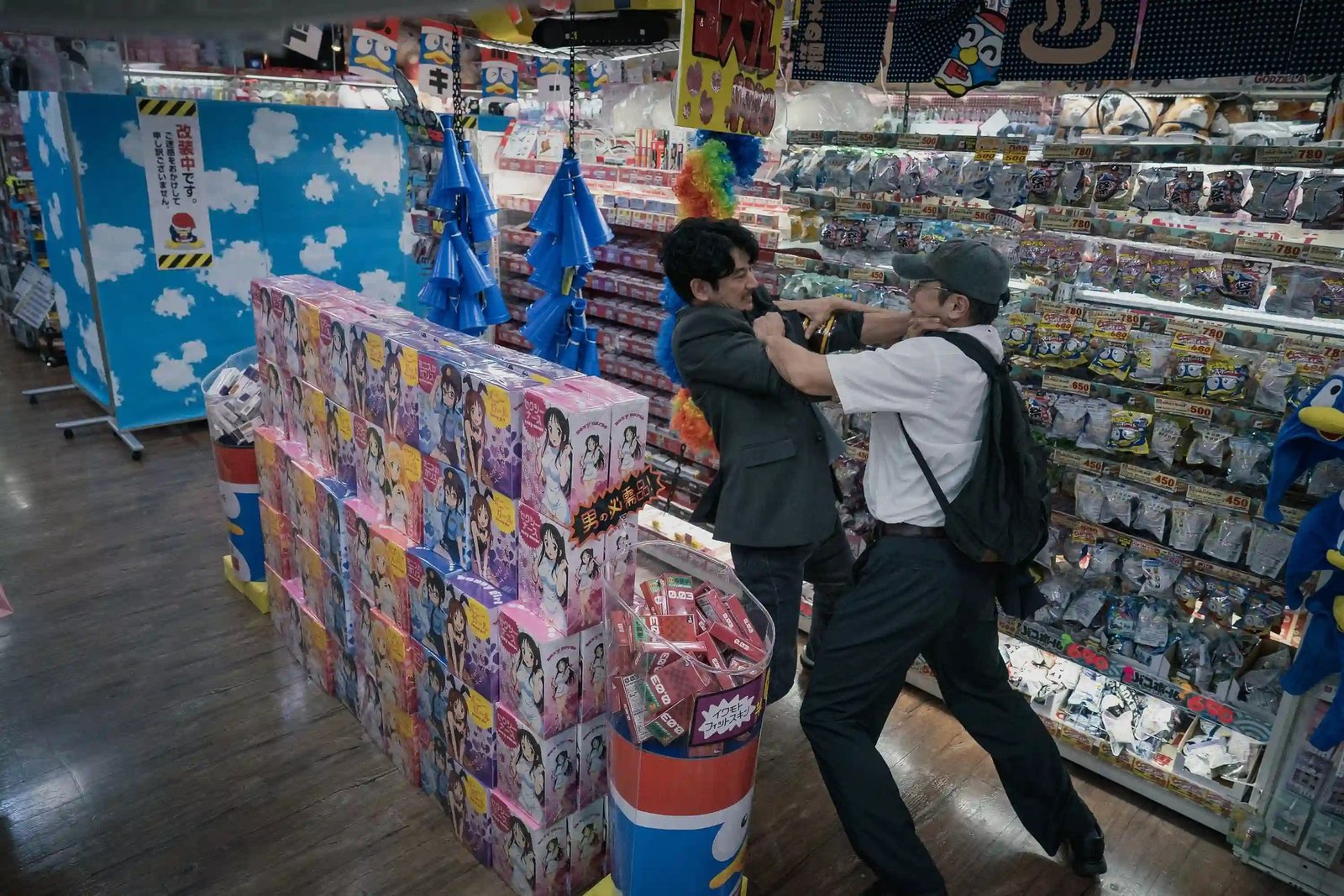
It emerges that Du-yeong was one of the victims from the 1980s. In episode five Kim confronts Hyun-tae, the pachinko kingpin. Hyun-tae has Kim seized, and Kim escapes only to find himself framed for drug trafficking. He flees to Hong Kong. Both detectives keep investigating despite official police intervention, and Inose reaches Hong Kong too and meets the Korean intelligence agent Yoon Soo-kyung. Hyun-tae trades in Speed K, the drug found in the victims. A deal with Minamoto’s company would let him sell it legally as medicine.
Episode seven turns to the past as Kim captures Hyun-tae and tortures him for answers, and Hyun-tae describes the Print Shop, a unit of South Korea’s old Agency for National Security Planning. It held and tortured people without papers. When a prisoner died, its men twisted the body and planted the story of a serial killer to cover the death. The 1980s murders were a cover story, and Hyun-tae shoots Inose and escapes.
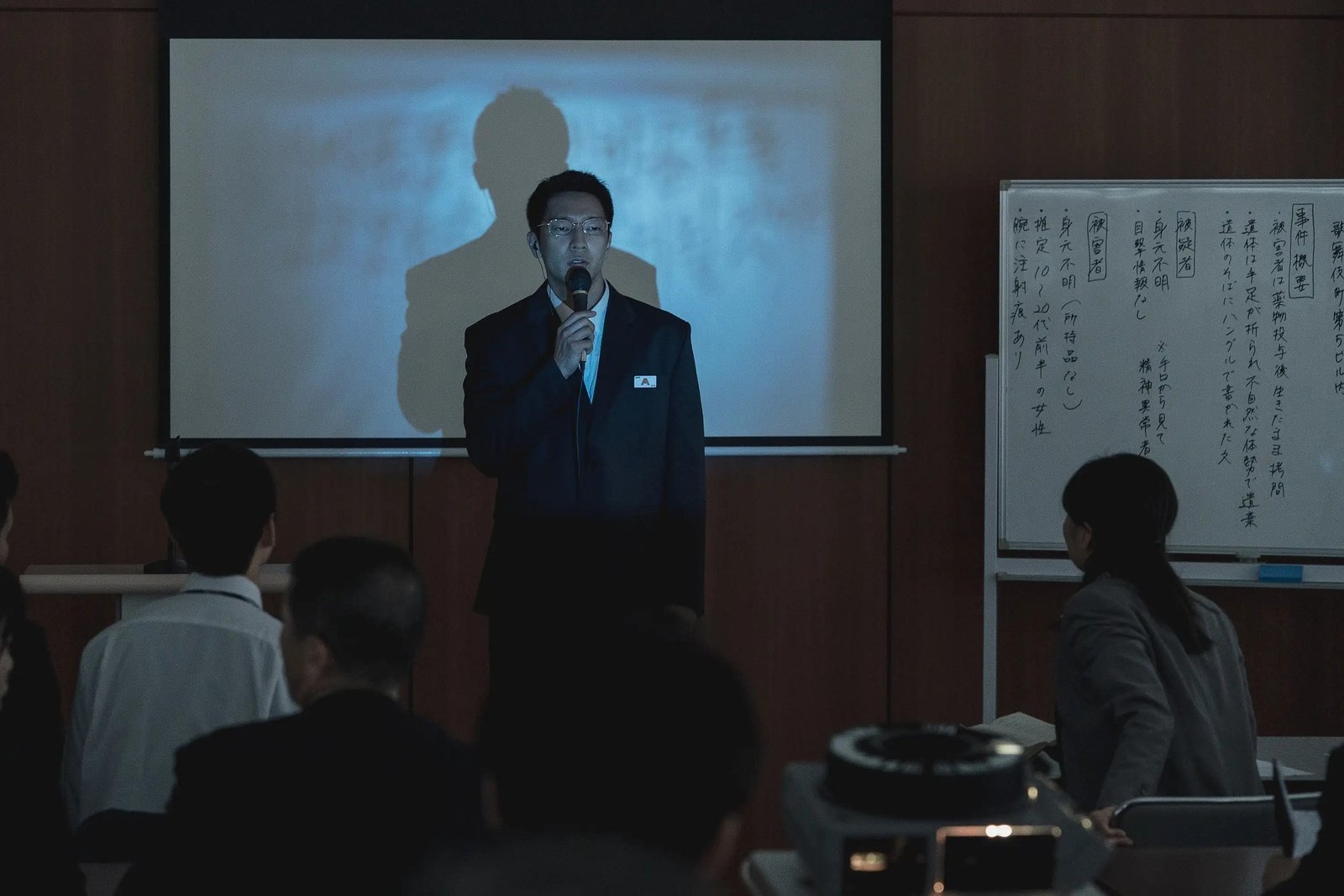
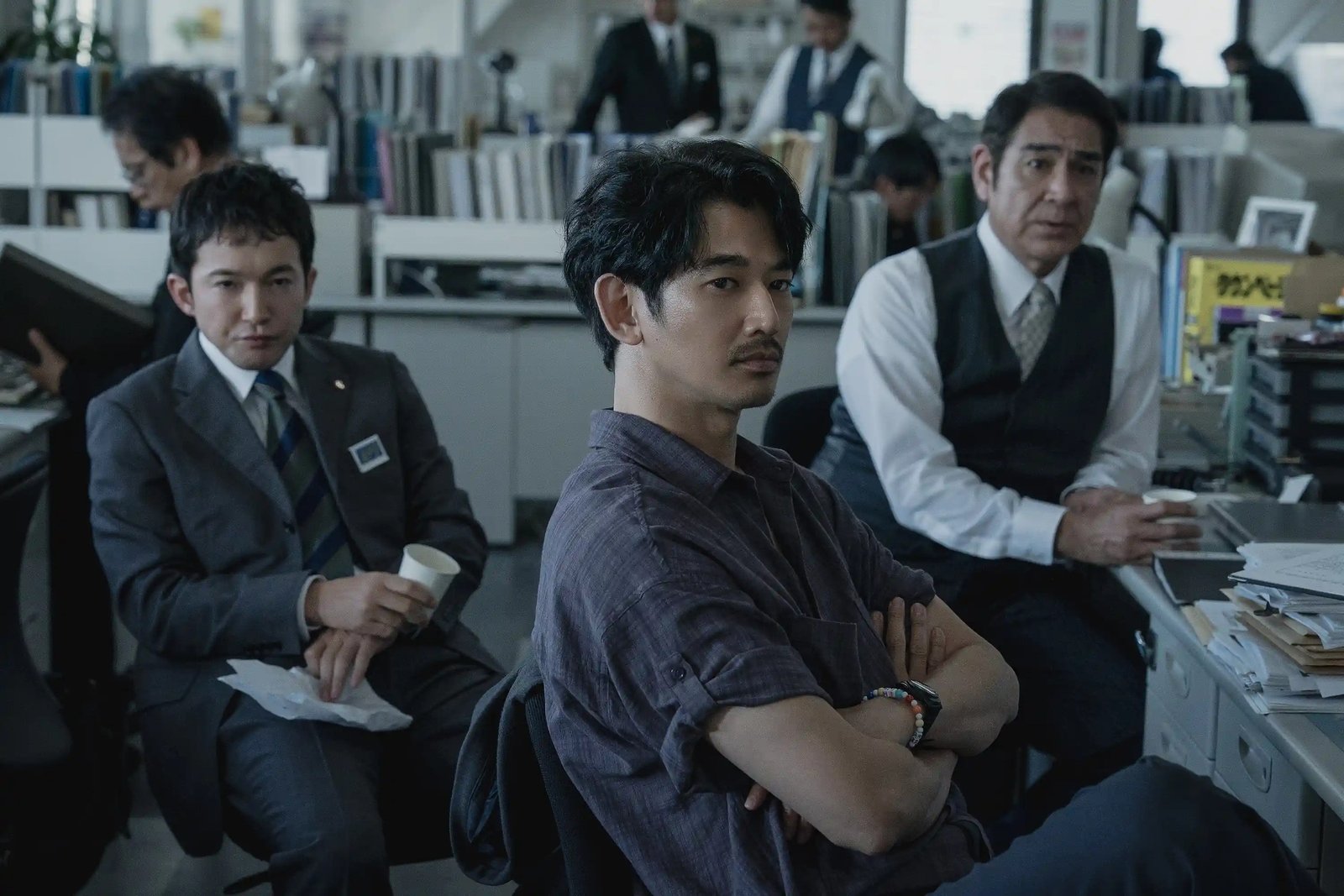
Episode eight opens at Inose’s funeral. Kim hands Inose’s former wife a note, and the death proves to be a ruse meant to make Hyun-tae feel safe. Kim travels to Dandelion Village in Central Asia, where a driver named Anastasia explains the road’s name. It comes from the tears of Korean families driven from their homes. Hyun-tae lives there among children, and Inose rejoins Kim alive.
Hyun-tae delivers a calm confession. Du-yeong had a hand in the death of Kim’s father, took a photograph of Kim’s mother from the dead man’s wallet, and moved into the family’s life. Hyun-tae killed Du-yeong years later. He then puts Kim’s mother in danger, and agents on Kim’s side step in. Kim chases the wounded Hyun-tae to a cliff, and Inose talks him into lowering his gun. Hyun-tae shoots Kim, Inose shoots Hyun-tae, and Hyun-tae falls to his death. Kim dies in Inose’s arms.
The closing scenes jump ahead to 2026. Anastasia is now a police officer who teaches the case, and she resembles Hyeon-seo, the young woman from Emi’s case. An older Inose visits Kim’s grave with her, and a younger Kim appears beside him and touches his shoulder.
The leads earn the praise. What’s on Netflix calls the barbs between the two detectives “delightful” and singles out Nagayama as the standout. But Why Tho calls the duo “a magical pairing” and Flickonclick credits them with “great buddy chemistry” in glowing reviews. The tone is the surprise. What’s on Netflix calls the show “unexpectedly kooky” and “more chaotic than those first moments suggest.” Decider finds it “can also be quite funny” and the comedy sits right beside the gore.
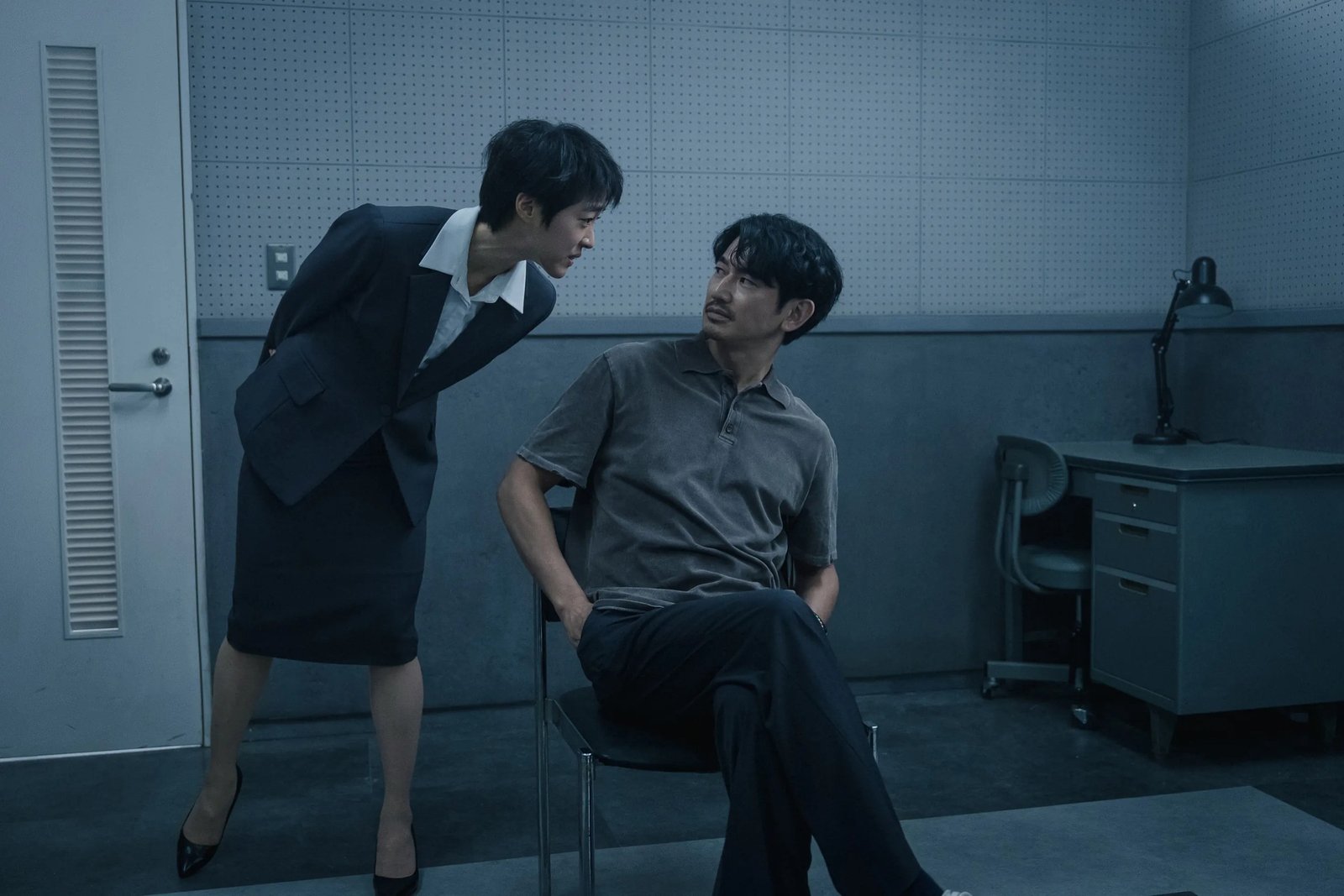
The history carries real weight. The case touches Zainichi Koreans, who are ethnic Koreans living in Japan. The Imjin War hangs over the message left at each scene. Flickonclick credits “a smart use of history” and But Why Tho finds the handling of the two nations’ tensions “admirable” too. The supporting cast fills in the underworld and the spy plot. Netflix’s announcement on September 12th, 2025 described Kim Shin-rock’s character as a facilitator of Korean-Japanese descent and Choi Sung-eun’s as a National Intelligence Service agent assigned to the case.
The complaints land on the plot. Midgard Times calls the script “almost fussy” and argues the cleverness “drains any sense of joy or exhilaration from the narrative.” It also objects to “bullets not hitting their targets even when the shooters are at close range” and to characters who talk to the culprits instead of arresting them. But Why Tho finds a last-minute callback in the final episode “more sentimental than earned.” The same review splits the season into two arcs and calls the first half “arguably the tightest in its arc”, while praising Kim’s stronger arc in the second.
Han also co-wrote the scripts with Cho Yu-jin. The episodes run from 35 to 57 minutes. The Korea JoongAng Daily reports that filming took place in Korea, Japan, Hong Kong and Kazakhstan. Both leads speak lines in each other’s language, and Son said the cast sometimes memorized the Japanese lines almost “like music.” The Korea JoongAng Daily also reports that at a Seoul press conference on November 17th, 2026 Nagayama said he sensed from the first meeting that “we shared the same instincts.” Han said he wanted to pair “two characters who could each be the protagonist of their own story.”
The verdict is a recommendation with a caveat. The first half is a tight chase with two leads who argue in two languages and slowly earn each other’s trust. The second half trades momentum for revelations, and some of them arrive as speeches. The finale lands its central betrayal and its goodbye, even if the last callback runs a little sweet. Watch it for Kim and Inose. Netflix lists it as a limited series, and the finale closes the case.
What Do You Think? Does the Print Shop twist justify the shift from chase to history? Did Kim’s ending land as tragedy or as a sentimental goodbye? And which half of the season worked better for you?
See you on the next binge!