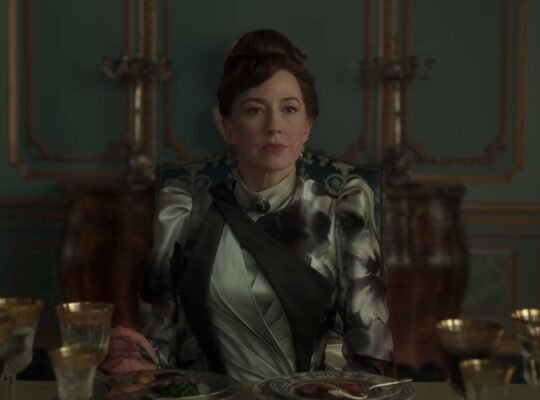
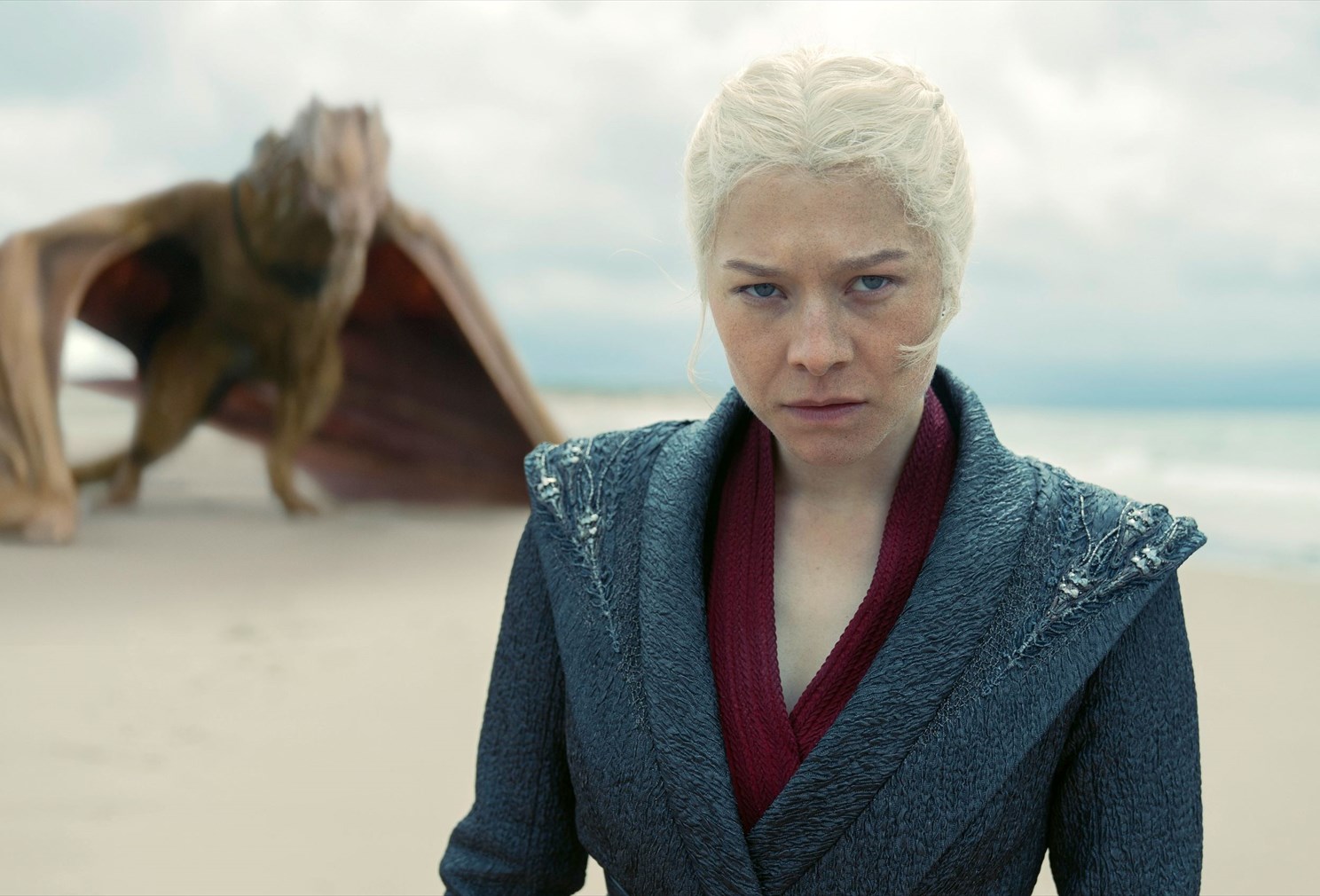
The dragons are back, and so is the record-setting audience. “House of the Dragon” returned tonight for its third season with a premiere titled “Salt and Sea, Fire and Blood,” and the numbers tell you the Targaryen civil war has lost none of its grip: 21.5 million viewers worldwide across linear and streaming, a figure that plants the show firmly back among the biggest events on television. The 72-minute premiere dropped at 9pm ET, and the Dance of the Dragons picked up right where its brutal second season left off.
For anyone who needs the lay of the land, this is the penultimate season of HBO’s “Game of Thrones” prequel, adapting George R.R. Martin’s “Fire & Blood” and its account of the Targaryen dynasty tearing itself apart. Season 2 ended with both sides marshaling for full-scale war after a season of positioning, grief, and the occasional dragon-sized escalation, and the premiere’s job was to convert all that simmering dread into open conflict. On the evidence of tonight, the kettle has boiled over. Warning beyond this point there are spoilers for House of the Dragon and the season 3 premiere ‘Salt and Sea, Fire and Blood’ and its story developments.
After a second season some found too patient, the premiere reads as a corrective: the waiting is over and the promised war has finally, expensively arrived.”
The premiere’s title itself is a thesis statement, and the episode earns it. “Salt and Sea, Fire and Blood” splits its attention between the naval and coastal dimensions of the war and the dragon-and-bloodline stakes that give the series its name, signaling a season willing to fight on multiple fronts at once. After a second season that some fans found too patient, too much table-setting and not enough payoff, the premiere reads as a corrective, a statement that the waiting is over and the promised war has finally, expensively arrived. The 21.5 million global figure deserves a moment, because it is a genuine flex in the current television landscape. In an era of fragmented audiences and shrinking appointment viewing, pulling more than twenty million viewers to a single premiere across the world is the kind of number that only a handful of properties on earth can still command. It confirms that the “Game of Thrones” brand, despite the divisive final season of its parent show, remains one of the most durable audience magnets in the medium. Westeros still summons a crowd.
What makes the audience loyalty remarkable is that this show asked for patience and mostly got it. “House of the Dragon” has been a slower, more deliberate burn than the parent series, trading some of the original’s plot velocity for character study and the mounting inevitability of tragedy. That is a harder sell in a binge culture that rewards immediate payoff, and yet the audience keeps showing up in enormous numbers, which suggests the show’s bet on dread-as-engine is paying off. Viewers are not just watching a war. They are watching a family choose to destroy itself, and they cannot look away.
The weekly rollout is part of the magic, and it is worth defending. New episodes air Sunday nights through the finale on August 9, and that old-fashioned appointment cadence is precisely what generates the Monday-morning theories, the week-long speculation, the communal build toward each new hour. Streaming dumps cannot manufacture that sustained cultural simmer, and “House of the Dragon” is one of the last shows operating at a scale where the weekly model still produces genuine event television. Eight weeks of this is a summer-long occasion, not a weekend binge.
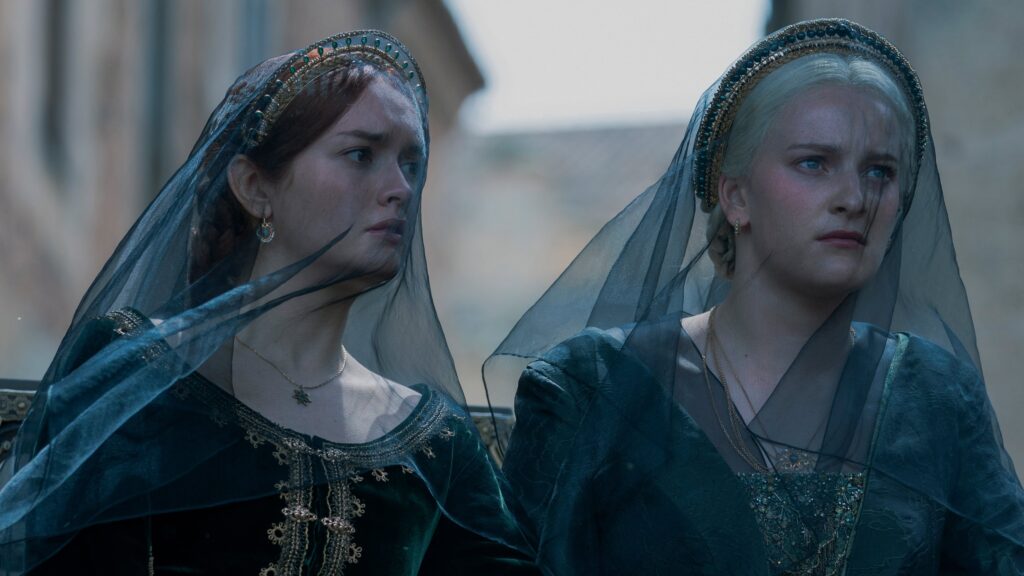
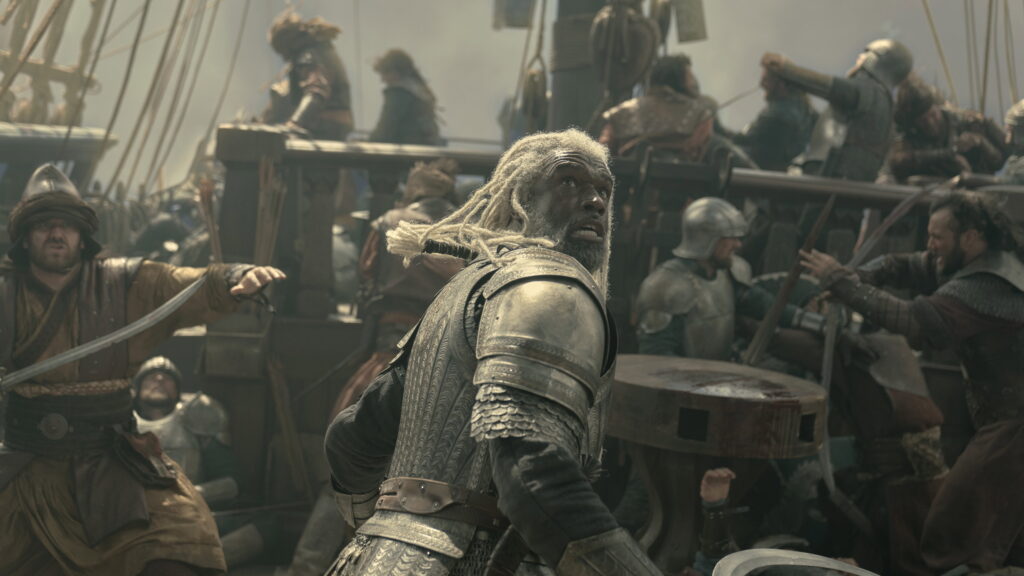
On the craft front, the premiere is a reminder that dragons remain the most expensive actors on television, and the most demanding. Every winged beast is a full digital creation that has to interact convincingly with live actors, real environments, and each other, and a season promising escalating aerial and naval warfare is a visual-effects undertaking on a scale few productions attempt. The show’s willingness to actually stage its dragon battles rather than cut around them is a large part of why it commands both the budget and the audience it does. Spectacle at this level is not cheap, and it shows on screen in the best way.
The BR team’s read on the premiere is that it accomplished the one thing it had to: it convinced a massive audience that the payoff is coming, and coming soon. Season 2’s patience tested some viewers, and the premiere answers that impatience by opening the throttle, promising a season of consequence rather than positioning. Whether it sustains that momentum across all eight episodes is the question the weekly rollout will answer, but as a season opener, “Salt and Sea, Fire and Blood” does exactly what a season opener should. It makes you need next Sunday.
There is a bittersweet edge to all of this, because season 3 is the penultimate chapter. The Dance of the Dragons is a story with a known, grim destination, and every triumphant premiere brings the audience closer to an ending that “Fire & Blood” readers already know is soaked in loss. Watching a show this popular march knowingly toward tragedy is its own strange pleasure, and the enormous premiere audience is, in a sense, a crowd gathering to witness a beautiful catastrophe they can see coming. That is a very “Game of Thrones” kind of appointment to keep.
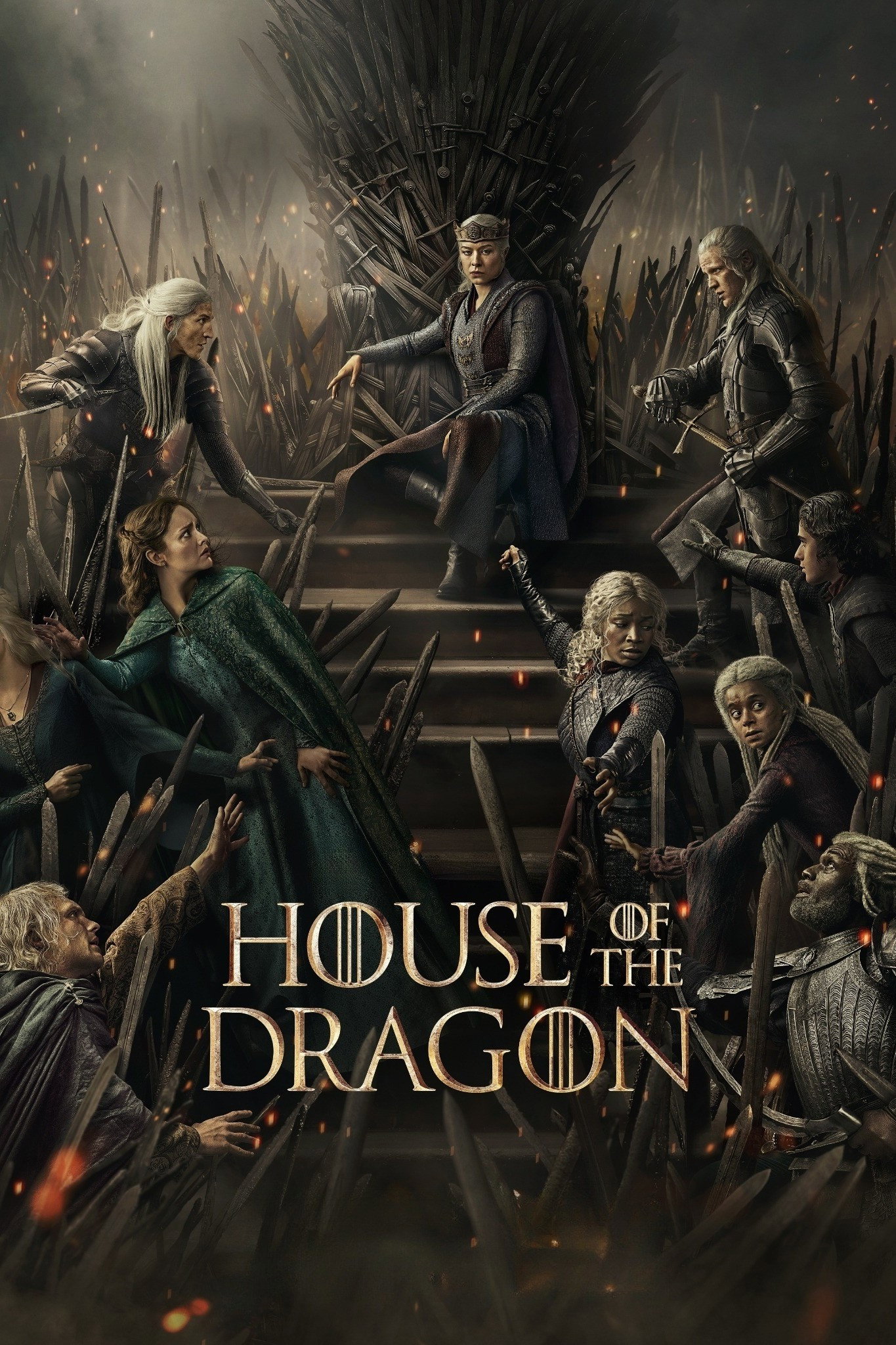
For the chronology-minded, “House of the Dragon” occupies a fascinating spot in the larger Westeros timeline, unfolding generations before the events of the original series and laying the dynastic groundwork that echoes all the way down to Daenerys. As the franchise expands with more projects on the horizon, keeping the Targaryen family tree and its many fires straight becomes its own rewarding puzzle, and our editors relish every new branch the show carves into the record. A season of open war will give them plenty to chart.
So the dragons are loose, the audience is enormous, and the war is finally here. “House of the Dragon” returned exactly as it needed to, converting years of dread into the opening salvos of a conflict that “Fire & Blood” readers know ends in ashes. Eight Sundays stand between us and the season finale, and if the premiere is any indication, they are going to be loud, expensive, and devastating. Westeros is back, and it wasted no time reminding us why we keep coming back to watch it burn.
What Do You Think? Does the premiere’s shift toward open war fix the pacing complaints that dogged season 2, or is “House of the Dragon” still a slower burn than some fans want? What does 21.5 million global viewers say about the “Game of Thrones” brand’s staying power after its parent show’s divisive ending? And as the penultimate season marches toward a tragedy readers already know, does knowing the ending make the Dance of the Dragons more powerful or less suspenseful?
Catch up properly: every Game of Thrones episode, prequel and book in chronological order on our Timeline Hub’s Game of Thrones timeline.
See you on the next binge!