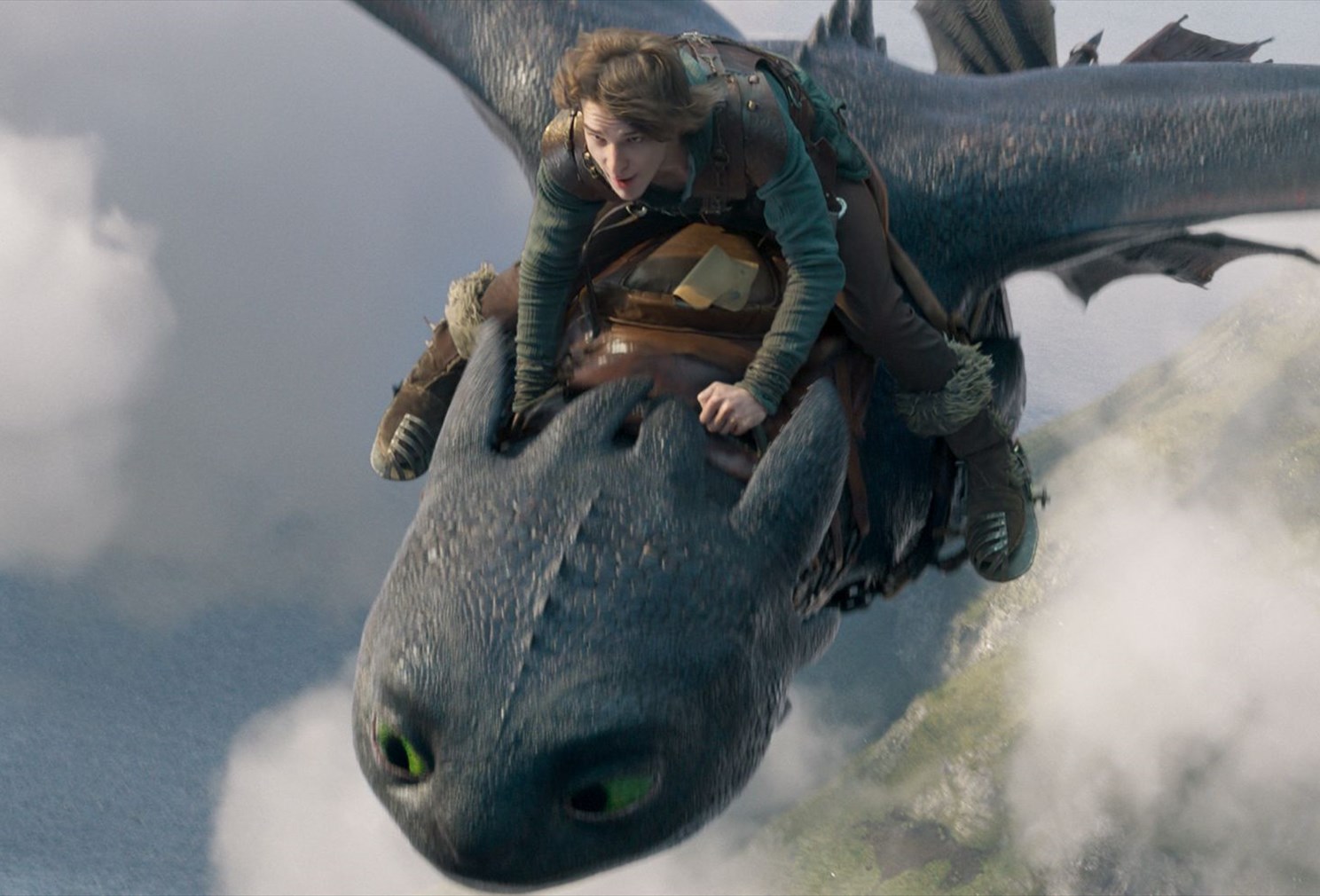
Live-action remakes of beloved animated films have a reputation, and it’s not a good one. Too often they’re soulless xerox jobs, trading the expressive magic of animation for flat photorealism and a nostalgia tax at the box office. So there was every reason to brace for the worst when Universal and DreamWorks announced a live-action “How to Train Your Dragon.” Then it opened on June 13, and something unusual happened: it was good, audiences showed up in droves, and the whole cynical narrative about these remakes got a little more complicated.
The number that made Hollywood sit up was the money. The film grossed north of $630 million worldwide, powered by an opening weekend that topped the entire franchise, the biggest debut any “How to Train Your Dragon” movie has ever had, animated or otherwise. For a remake that plenty of people assumed nobody asked for, that’s a thunderclap. It landed among the highest-grossing films of the year and reminded studios that when you get one of these translations right, the reward is enormous. The trick, of course, is the getting-it-right part. Warning: beyond this point there are spoilers for the live-action “How to Train Your Dragon” and how it handles the bond between Hiccup and Toothless.
Live-action remakes of beloved animated films have a reputation, and it’s not a good one. Too often they’re soulless xerox jobs, trading the expressive magic of animation for flat photorealism and a nostalgia tax at the box office.”
The single smartest decision was keeping Dean DeBlois in the director’s chair. DeBlois wrote and directed the original animated trilogy, so this isn’t a stranger reinterpreting someone else’s work: it’s the architect of Berk returning to his own creation with new tools. That continuity of vision is everything. He understands why the Hiccup-and-Toothless bond made a generation of kids cry, why the flying sequences soar, why the story lands emotionally. A remake helmed by the person who built the thing in the first place has a fighting chance that a work-for-hire version never would.
Casting was the other tightrope, and the film walks it. Mason Thames steps into the role of Hiccup, the scrawny, clever Viking misfit who’d rather befriend a dragon than kill one, and he carries the coming-of-age weight without doing an impression of Jay Baruchel’s animated voice. Nico Parker plays Astrid, the fierce warrior-in-training, and the pair have the awkward, sparky chemistry the story needs. Then there’s the masterstroke: Gerard Butler returns as Stoick the Vast, the gruff chieftain and Hiccup’s disappointed father, the same role he voiced in the animated films. Bringing back the original voice in the flesh is a bridge between the two versions, and Butler’s booming physical presence makes Stoick even more imposing than before.
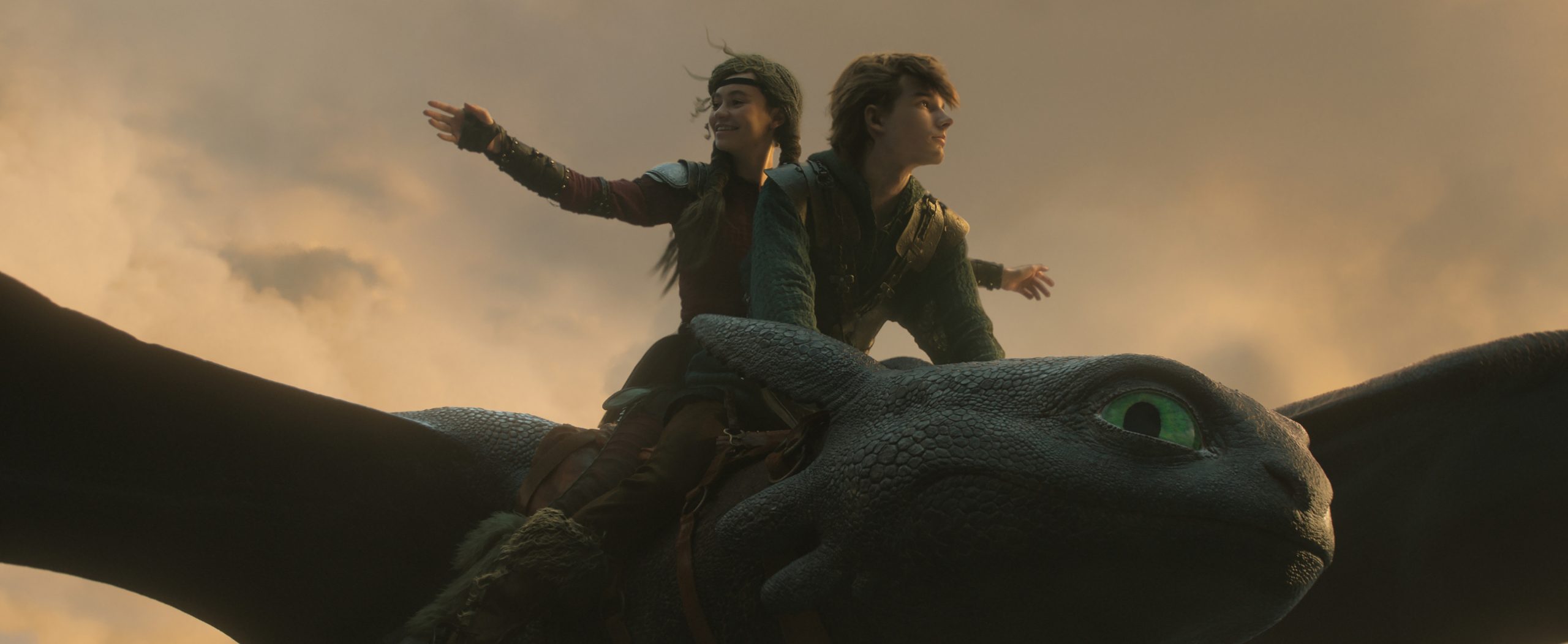
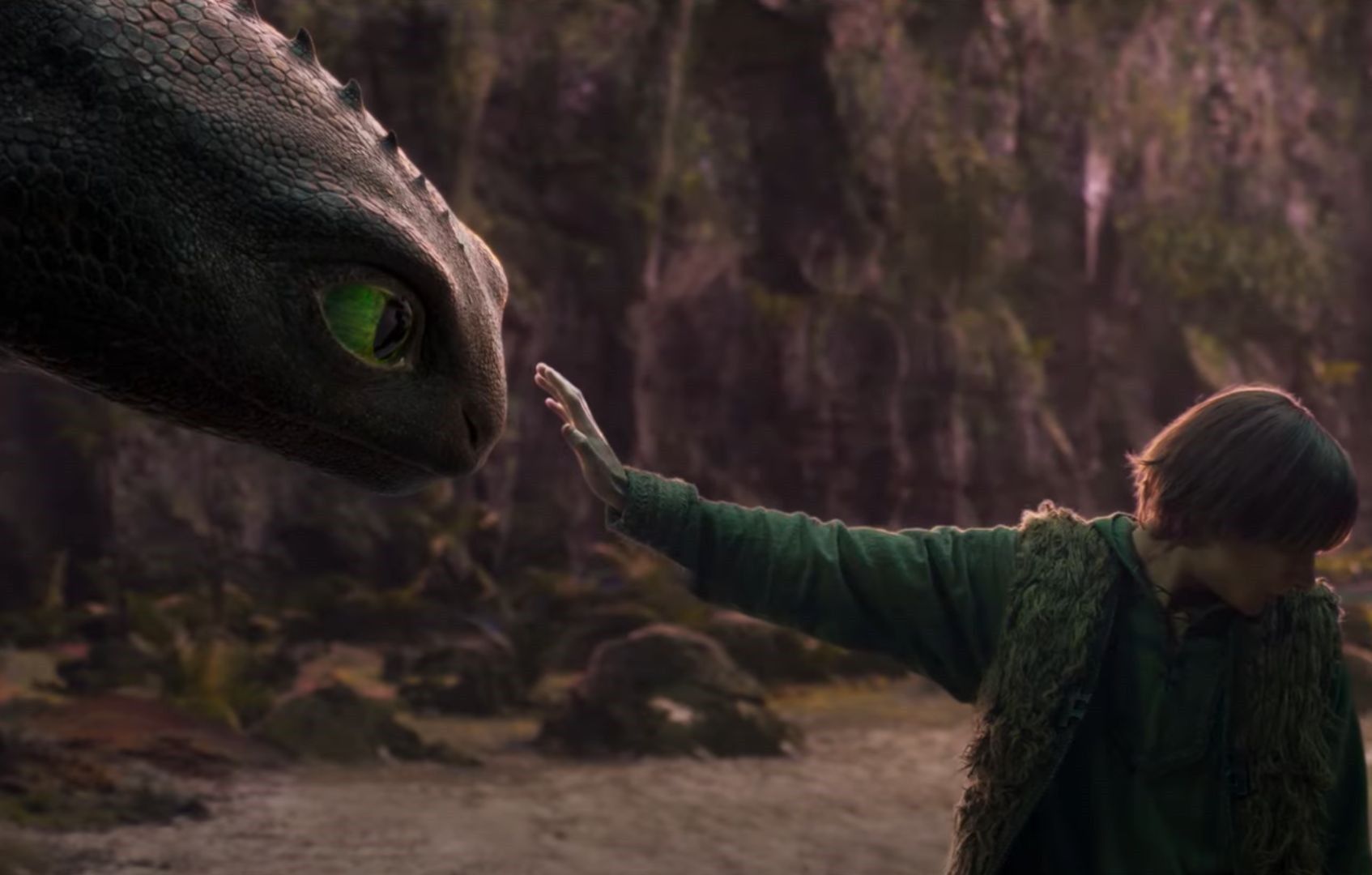
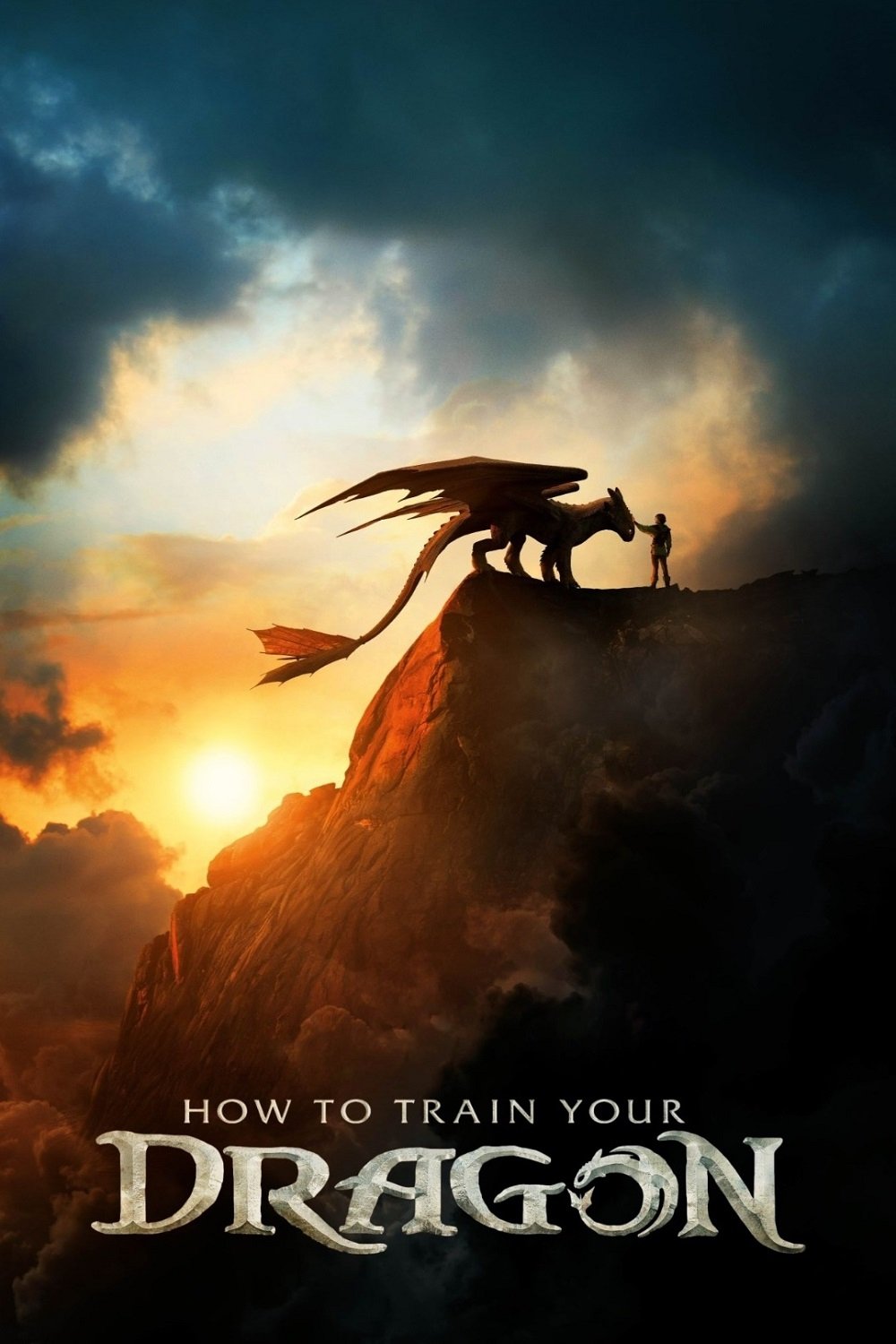
The genuine question hanging over any live-action dragon movie is Toothless himself, and here the film makes the right call by not going fully “realistic.” Toothless keeps his big, cat-like, wildly expressive design rather than being turned into a scaly, generic reptile. That matters more than it sounds. The whole emotional engine of this story is a boy and a dragon communicating without words, reading each other’s faces and body language. Strip Toothless of his cartoonish expressiveness in the name of photorealism and you gut the movie. By preserving his soul, the film keeps the relationship that makes everything else work.
What’s striking is how faithful the whole thing is, almost beat for beat, to the 2010 original. Some will call that a lack of ambition, and it’s a fair critique, if you’re going to remake a film shot for shot, what exactly is the point beyond the box office. But there’s a counterargument. The original is a modern animated classic, its structure and emotional beats close to perfect, and DeBlois clearly decided that reverence beat reinvention. The live-action format gives the flying sequences a visceral, tactile grandeur, and the Berk landscapes a real-world weight, without messing with a story that already worked. It’s a remake that knows what it has.
The supporting bench helps sell the world. Nick Frost brings the comic warmth as Gobber, the one-armed, one-legged blacksmith and mentor, and the ensemble of teen dragon-trainees fills out a Viking village that feels lived-in rather than green-screened. The film understands that Berk is a community, and it invests in making that community breathe, which pays off when the stakes rise and the dragons and Vikings have to choose whether centuries of war are worth continuing.
So where does this leave the remake conversation? In a more honest place. “How to Train Your Dragon” didn’t succeed because live-action remakes are inherently good: most of them still aren’t. It succeeded because the right filmmaker came back with the right cast, protected the emotional core, and treated the source material like something worth preserving rather than strip-mining. Universal has already set the sequel in motion, which means Berk is officially a live-action franchise now. On the evidence of this first flight, that’s not the groan-inducing news it would have been a year ago. Sometimes the dragon really does fly.
What Do You Think? Does keeping the live-action “How to Train Your Dragon” almost shot-for-shot faithful to the animated original show respect for a classic, or does a remake need to justify itself with something new? Was preserving Toothless’s cartoonish, expressive design the key to the film working, and would “realistic” dragons have killed it? And with a sequel already greenlit, can this live-action franchise sustain the emotional highs of the animated trilogy’s later chapters?
See you on the next binge!