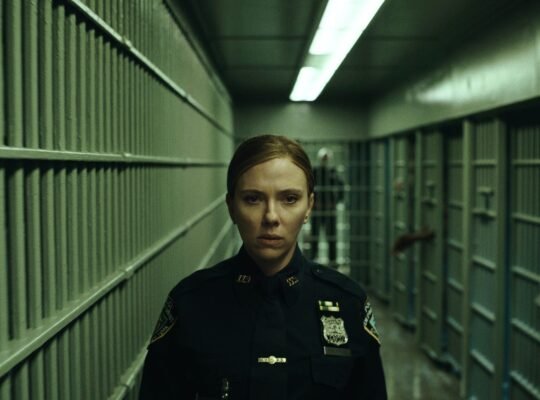
When Christopher Nolan announced that his follow-up to a Best Picture winner would be a three-thousand-year-old poem, even his most devoted fans raised an eyebrow. Homer’s “The Odyssey” is one of the foundational texts of Western literature, sprawling, mythic, dense with gods and monsters, and adapting it is the kind of swing that could produce a masterpiece or a magnificent folly. On July 17, the verdict arrived, and it’s emphatic. “The Odyssey” is here, and by the numbers it’s the best-reviewed film of Nolan’s entire career.
That’s a staggering claim for a director whose filmography includes some of the most acclaimed blockbusters of the century, and yet the reviews back it up. The film opened to a near-perfect critical consensus, with many declaring it one of the best movies of the year and Nolan’s most fully realized work: high praise for a filmmaker who has never exactly wanted for it. After years of bending time, space, and physics to his will, Nolan has turned to the oldest adventure story there is and, apparently, found the material that lets him do everything he does best on the grandest possible scale. Warning: beyond this point there are spoilers for “The Odyssey” and how it dramatizes Homer’s epic.
When Christopher Nolan announced that his follow-up to a Best Picture winner would be a three-thousand-year-old poem, even his most devoted fans raised an eyebrow.”
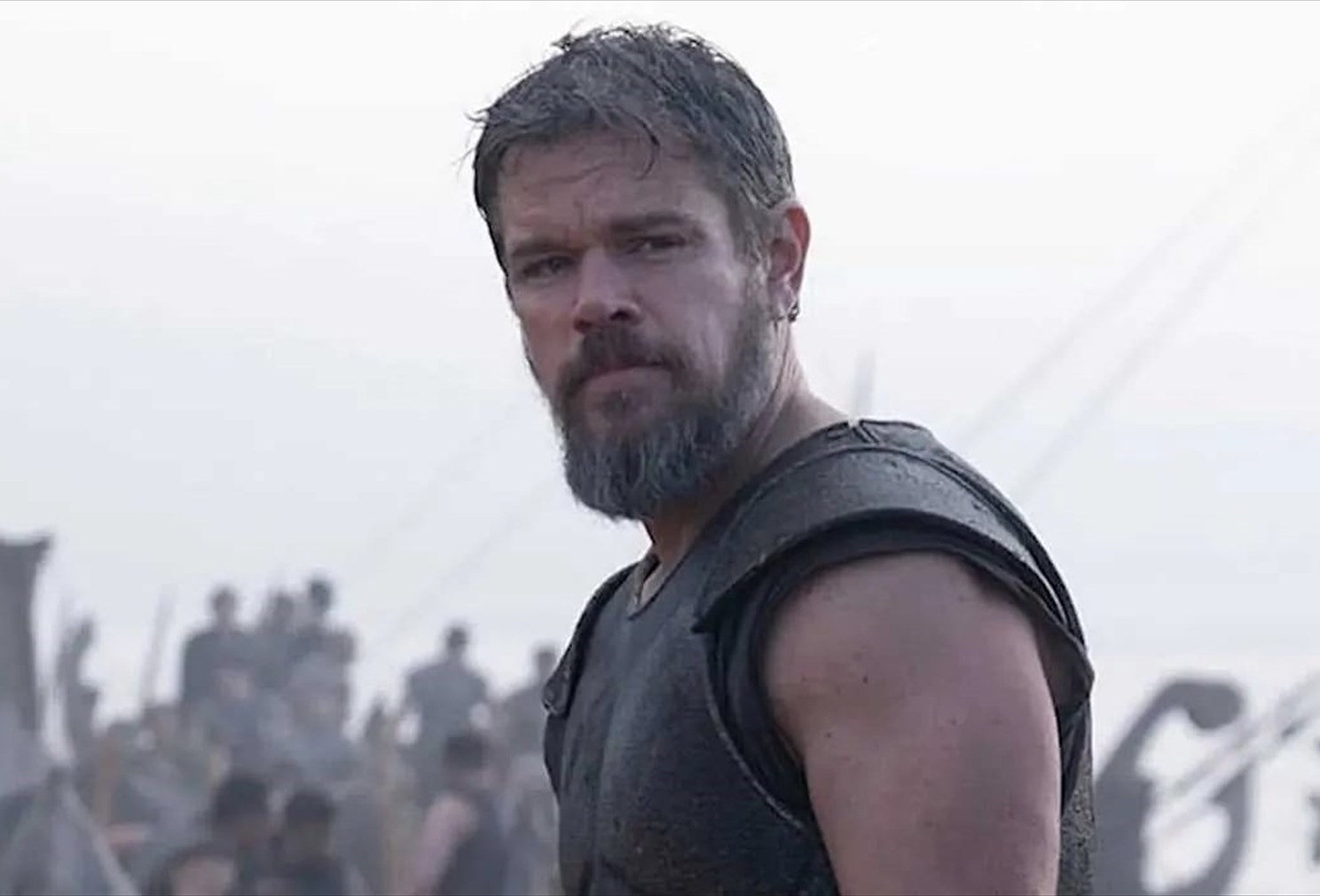
The premise is the timeless one that has echoed through storytelling for millennia. Matt Damon stars as Odysseus, the Greek king of Ithaca, chronicling his long, perilous, decade-spanning journey home after the Trojan War. Along the way he faces mythical beings, vengeful gods, and impossible temptations, all while desperate to reunite with his wife, Penelope, played by Anne Hathaway, who waits at home fending off suitors who assume her husband is dead. It’s a story of endurance, cunning, and the pull of home, and in Nolan’s hands, it becomes a meditation on obsession and the cost of the journey, the themes that have always driven his work.
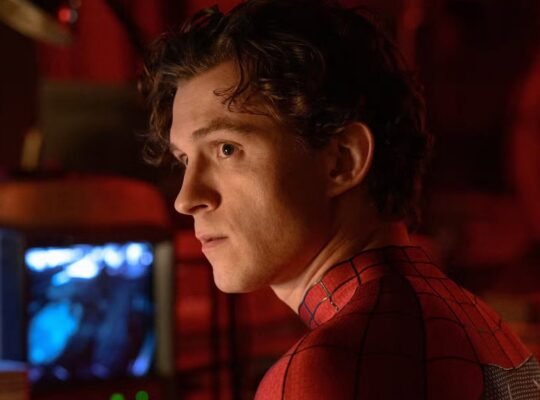
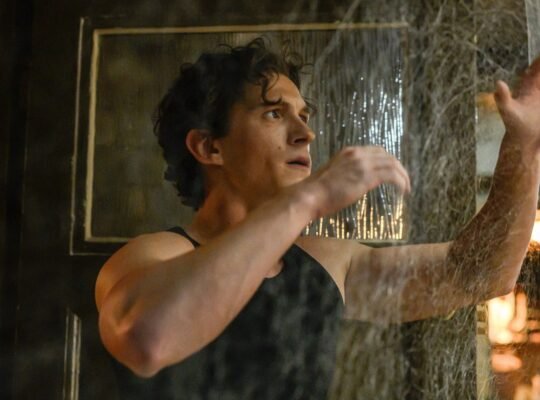
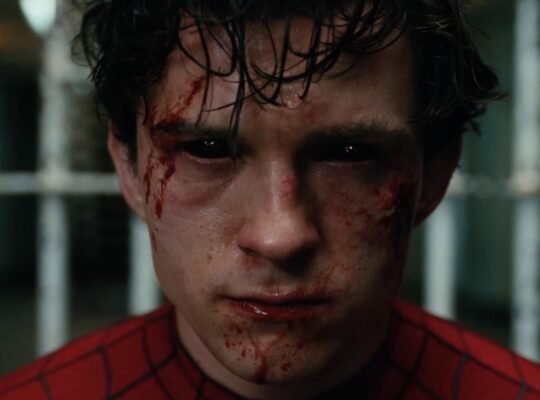
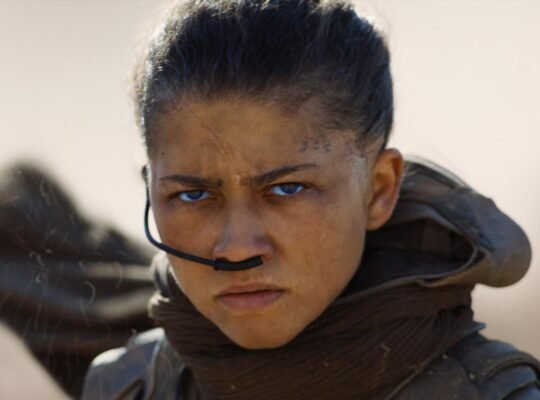
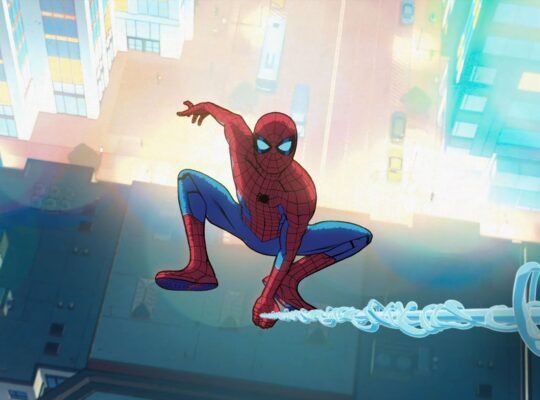
The ensemble Nolan assembled is jaw-dropping. Tom Holland plays Telemachus, Odysseus and Penelope’s son, a prince coming of age as he searches for the father he barely remembers, and reviewers are calling it a career-best performance, the most mature work of Holland’s life outside of a certain web-slinger. Around them orbits a constellation of stars: Zendaya, Robert Pattinson, Lupita Nyong’o, Charlize Theron, and Samantha Morton all appear as the gods, monsters, and mortals who populate Odysseus’s odyssey. It’s the kind of cast a director can only assemble when actors are lining up to work with him, and Nolan deploys them across the epic’s vast canvas.
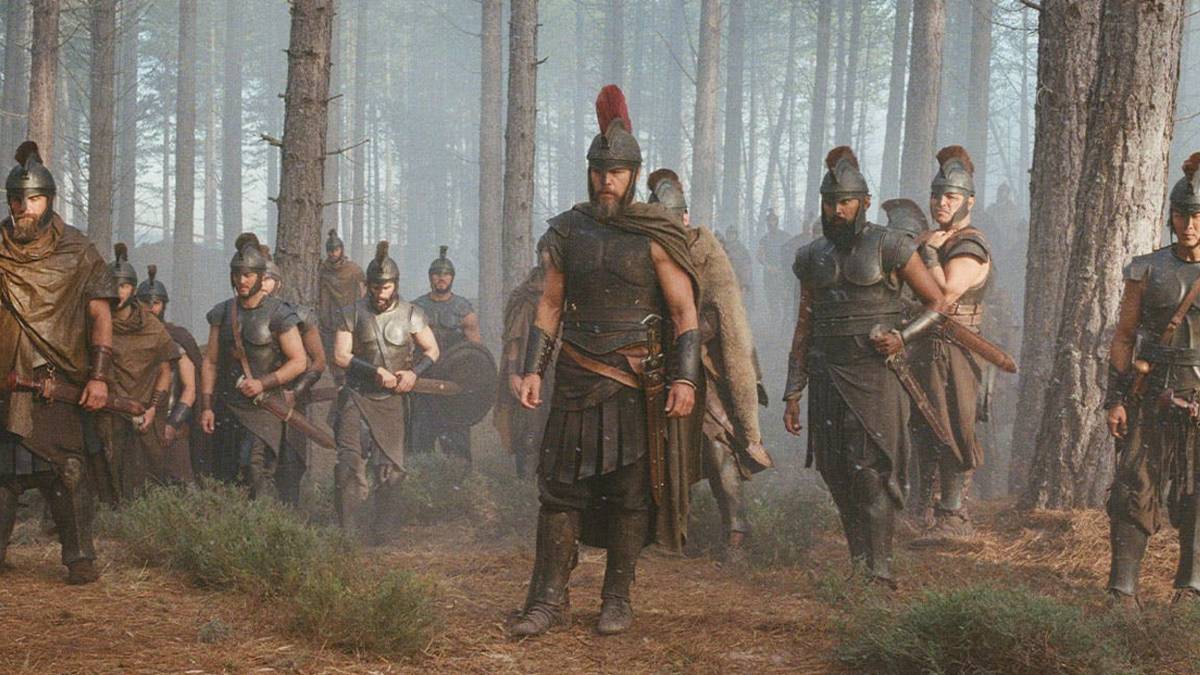
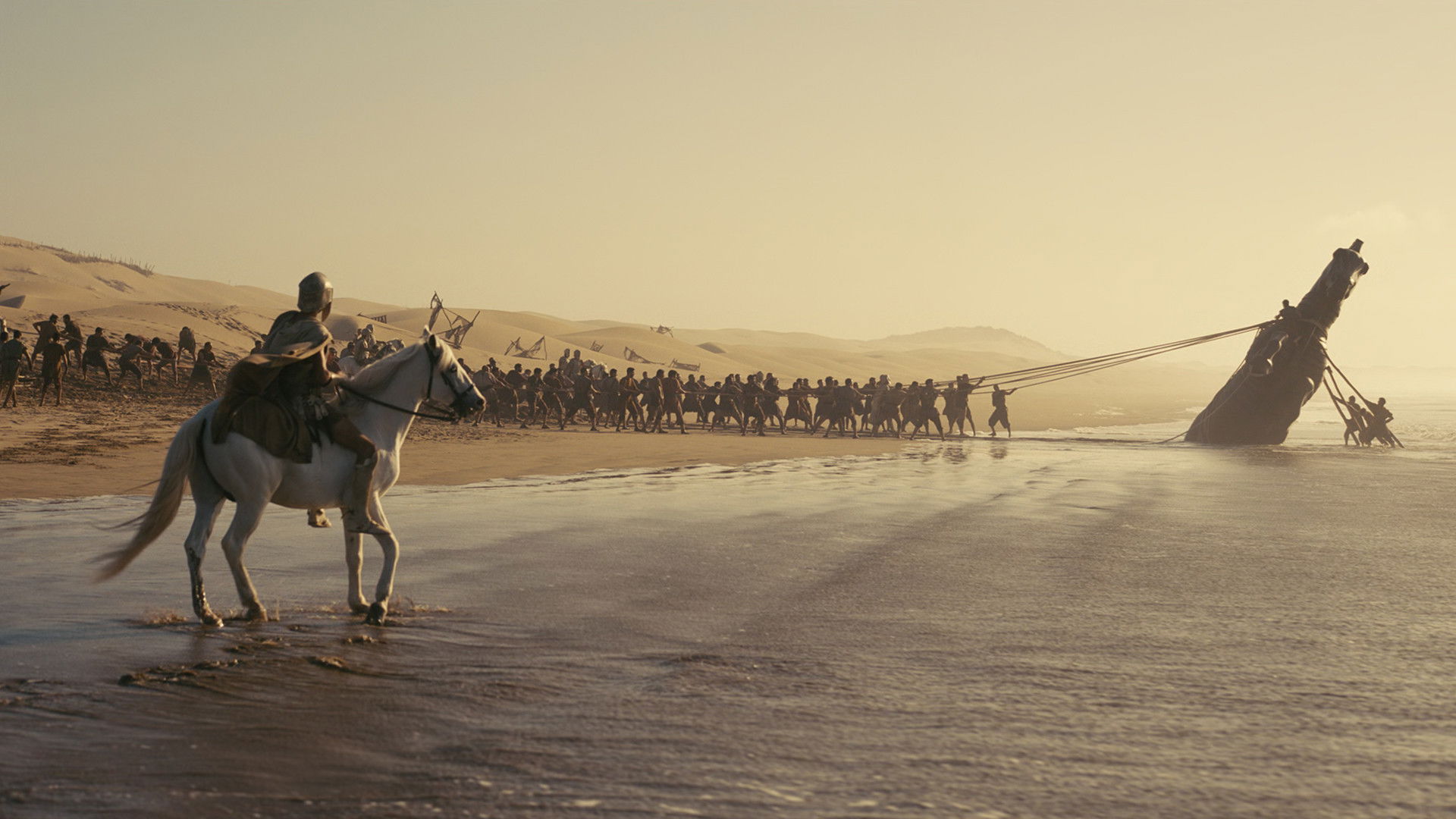
Then there’s the technical achievement, which is pure Nolan. “The Odyssey” was shot entirely on IMAX 70mm film cameras: a first for any feature film in history. Nolan has long been the medium’s most passionate champion, and pushing it this far is a statement of intent: this is a movie designed to overwhelm on the largest screens humanity can build, a big-canvas spectacle in the most literal sense. Gods towering over mortals, ships tossed on impossible seas, monsters rendered in staggering scale, the format promises an immersive grandeur that streaming could never replicate, the exact argument for why theatrical cinema still matters.
What’s remarkable, and worth celebrating, is what this represents in the broader film landscape. In an era dominated by franchise IP, cinematic universes, and pre-sold brands, “The Odyssey” is an original literary epic: no sequel hooks, no shared universe, just a singular artist adapting one of the greatest stories ever told because he wanted to. That Nolan can command a massive budget and an all-star cast for something like this, and that audiences turn out in force for it, is proof that ambition and craft still have enormous commercial value. He remains one of the very few filmmakers who can make a genuine original a global event.
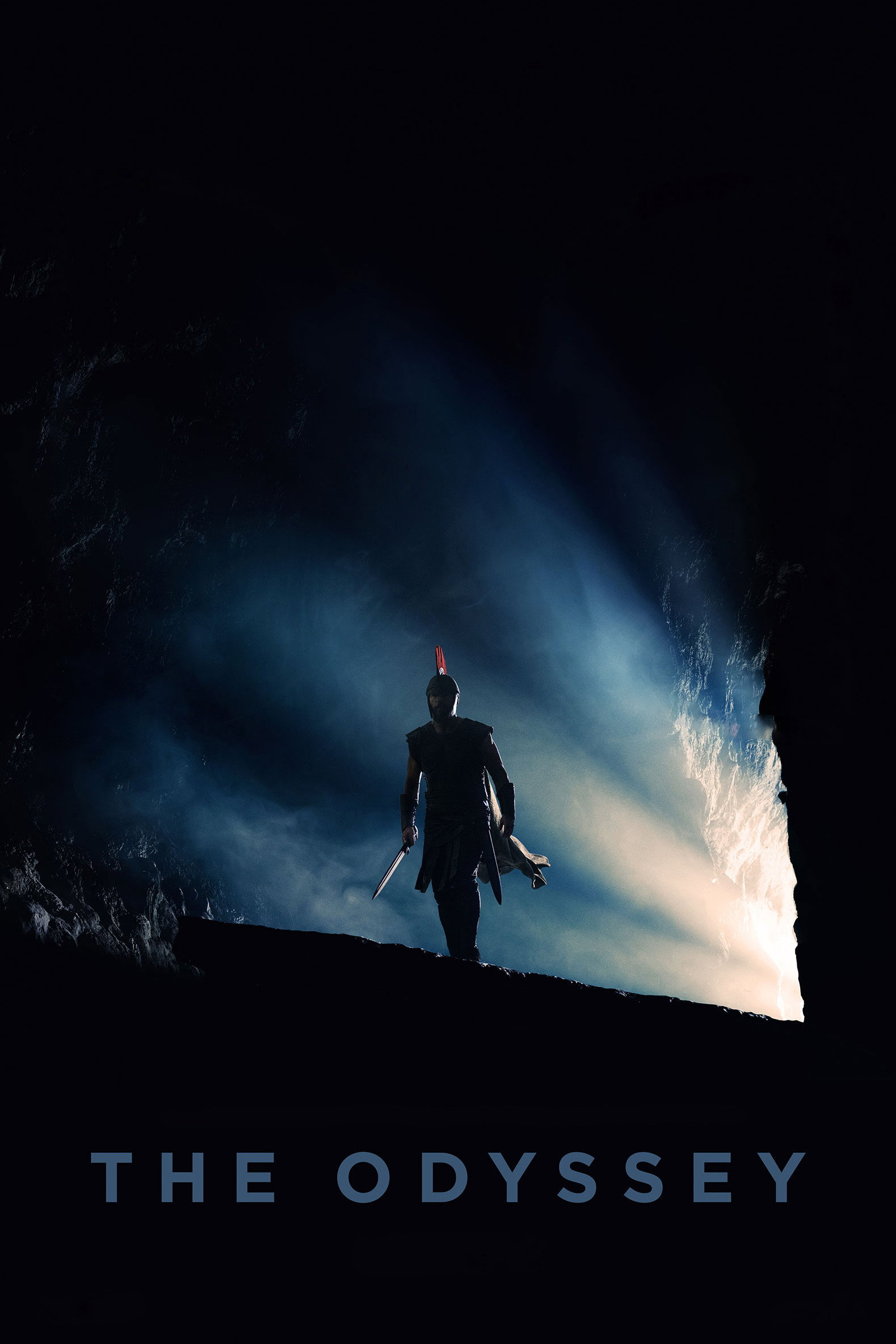
The reviews single out a specific balance as the film’s triumph: for all its mythic scale and cosmic spectacle, “The Odyssey” stays tethered to something deeply human. Damon anchors the three-hour epic with a grounded, weary performance, keeping the gods and monsters connected to a real man’s longing for home and family. That’s the needle these adaptations so often fail to thread: spectacle that means something, awe in service of emotion. Homer’s poem endured for three millennia because it’s ultimately about the ache of wanting to go home, and Nolan clearly understood that the heart has to beat as loud as the drums of war.
So the master has done it again, and then some. “The Odyssey” arrives as a monumental achievement: a technical first, a stacked ensemble, a career-best turn from Tom Holland, and the strongest reviews Nolan has ever received. It’s the rare summer release that feels like a genuine cultural event, the movie everyone will be talking about and, more importantly, arguing about for months. Three thousand years after Homer first sang of the man of twists and turns, his journey home has never looked bigger. This is what going to the movies is supposed to feel like.
What Do You Think? Does “The Odyssey” deserve to be called Christopher Nolan’s best film, or do his earlier works still hold the crown? Is Tom Holland’s Telemachus really the career-redefining turn the reviews claim, and does it change how you see him beyond Spider-Man? And in an age of franchises, how significant is it that an original three-hour literary epic can become the summer’s biggest cinematic event?
See you on the next binge!