Sticking the landing is the single hardest thing a television show can do. You can build a brilliant series over years, earn a devoted fanbase, and craft some of the best hours of TV ever made, and then torch all that goodwill in a single disappointing finale. We’ve all felt that specific betrayal. Which is exactly why the shows that get it right deserve to be celebrated. A great finale doesn’t just end a story; it recontextualizes everything before it and sends you off with the ache of a proper goodbye. So the BR team gathered to salute the endings that actually nailed it. Warning: beyond this point there are major spoilers for the series finales of the shows discussed below.
Sticking the landing is the single hardest thing a television show can do.”
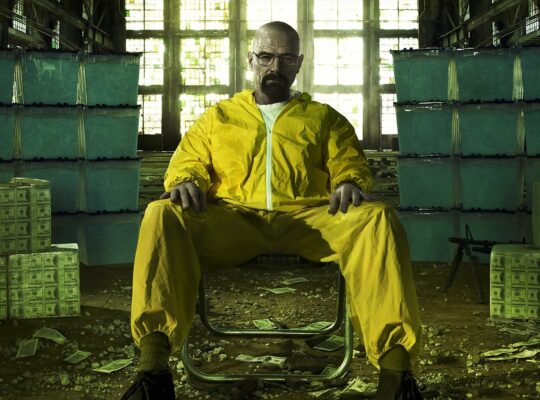
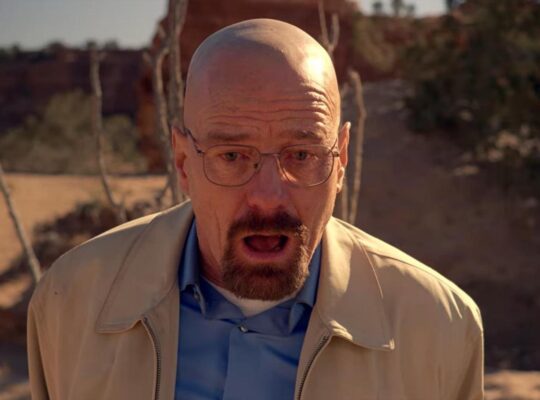
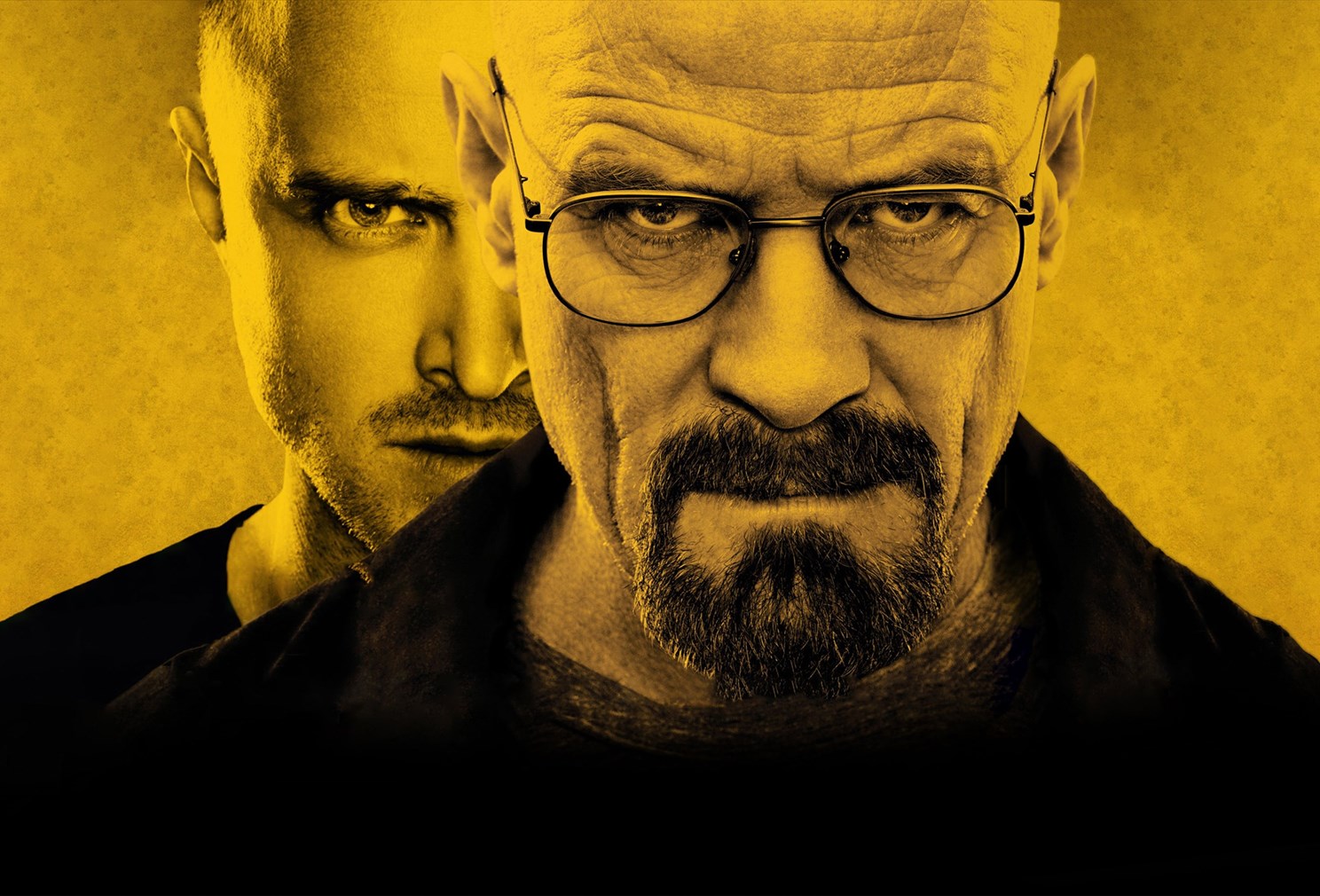
The reigning champion in most conversations is “Breaking Bad,” and it earned every bit of that reputation. “Felina” is a masterclass in giving an antihero the ending he deserves: Walter White (Bryan Cranston) finally dropping the pretense that any of it was ever for his family, admitting he did it because he liked it, because it made him feel alive. He ties up every loose end with cold precision, frees Jesse, and dies among the lab equipment that was the only thing he ever truly loved. It’s clean, unsentimental, and thematically perfect, the rare finale that fans and critics almost universally agreed nailed it.

If “Breaking Bad” is the champion of plot resolution, “Six Feet Under” holds the crown for pure emotional devastation. Its finale features what many consider the single greatest closing sequence in television history: a flash-forward montage set to Sia’s “Breathe Me” that shows us how every major character eventually dies, decades into the future. For a series that was always about mortality, ending by literally showing us death coming for everyone was a breathtaking gamble that paid off completely. People still can’t watch that final drive without falling apart, and that’s the mark of a finale that understood its own show to the core.

Comedy is arguably even harder to end well, which makes “The Good Place” such a triumph. A high-concept sitcom about the afterlife had every opportunity to fumble its philosophy, but instead it delivered a finale of genuine grace, letting its characters find peace and choose when to finally let go of existence itself. It managed to be funny, profound, and unbearably moving all at once, arguing that meaning comes precisely from the fact that nothing lasts forever. Few comedies have ever risked being that sincere, and fewer still have earned it.

Then there’s “Fleabag,” which pulled off the near-impossible by ending exactly when it should have. Phoebe Waller-Bridge’s masterpiece closed its second season with a devastating, perfectly judged final scene: a goodbye at a bus stop, a broken heart, and the show’s signature fourth-wall device used one last time as the camera tries to follow her and she gently waves it away. It was a definitive ending that its creator has steadfastly refused to undo, proving that knowing when to stop is its own kind of genius. No wasted seasons, no diminishing returns, just a flawless two-act story and out.

For a finale that gave its audience everything they wanted without feeling cheap, look to “Avatar: The Last Airbender.” The animated epic built toward its conclusion for three seasons and then delivered a multi-part finale that resolved every character arc, paid off years of setup, and let Aang defeat the Fire Lord in a way that honored his pacifist principles rather than betraying them. It’s the platonic ideal of a satisfying conclusion to a long-form story: earned, complete, and emotionally resonant, the kind of ending that makes the entire rewatch worth it.

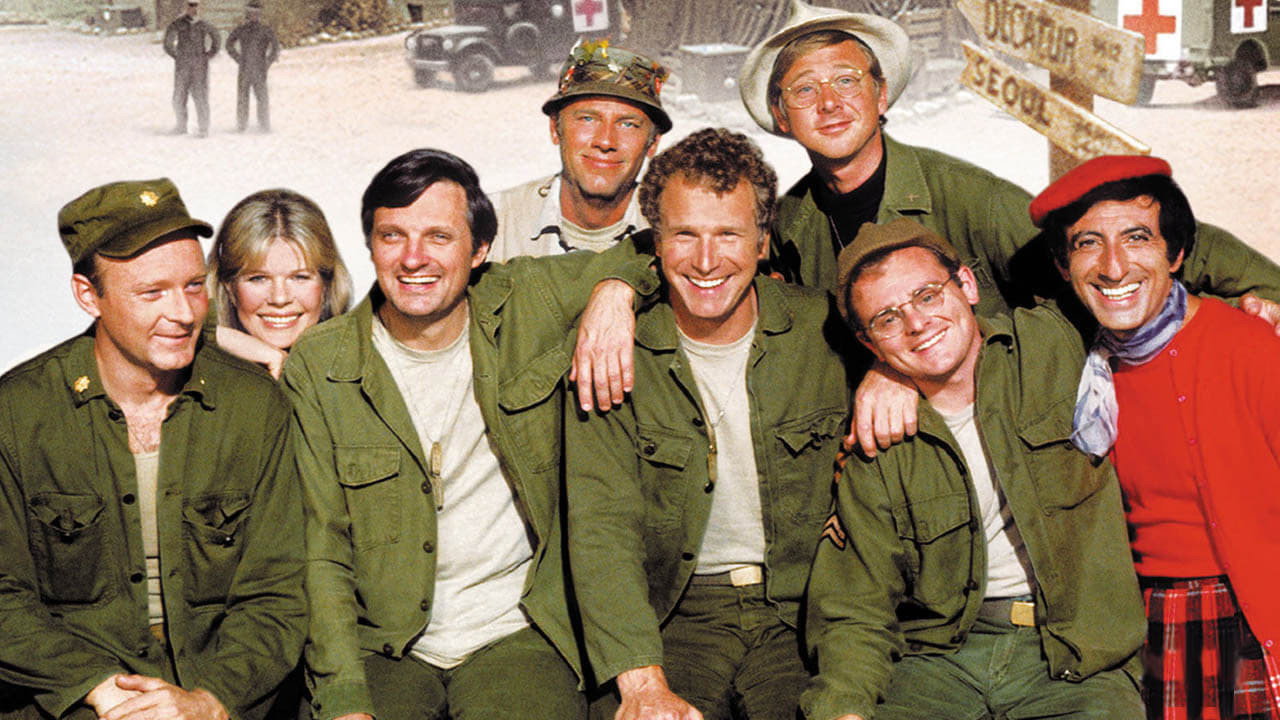
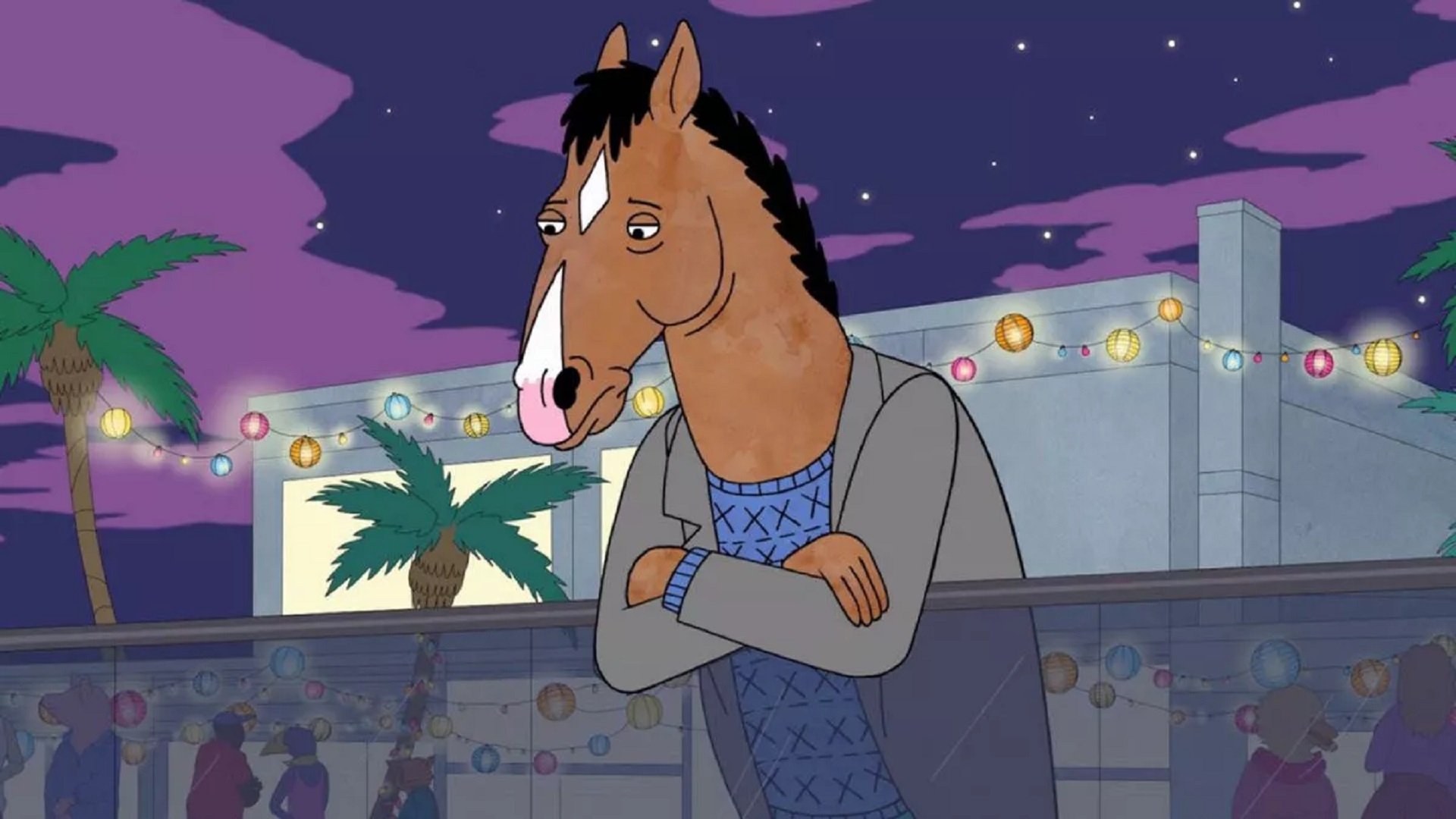
History offers its own legends, too. “M*A*S*H” ended with a finale so beloved that it drew one of the largest television audiences of all time, a genuine cultural moment as a nation said goodbye to characters it had lived with for eleven years. On the more animated end, “BoJack Horseman” closed its run with a quiet, unresolved rooftop conversation that refused easy redemption, ending not with a triumphant bow but with the hard, honest truth that life simply goes on. Different shows, different tones, but the same achievement: an ending true to everything that came before.
What unites all of these is that they understood their own stories well enough to end them honestly. A great finale isn’t about fan service or shocking twists; it’s about following the emotional logic of the series to its natural conclusion, even when that conclusion is sad, or ambiguous, or quiet. The shows that stick the landing trust their audience to handle a real ending, and they trust themselves to have earned it. In a medium where so many series limp on past their prime or collapse at the finish line, the ones that get the goodbye right are precious. Here’s to the endings that sent us off exactly the way we deserved.
What Do You Think? Which series finale do you think is the greatest of all time: the cold precision of “Breaking Bad” or the emotional wallop of “Six Feet Under”? Is knowing when to end, like “Fleabag” did, more impressive than resolving a sprawling epic? And which beloved show do you think completely blew its ending, no matter how great the rest of it was?
See you on the next binge!