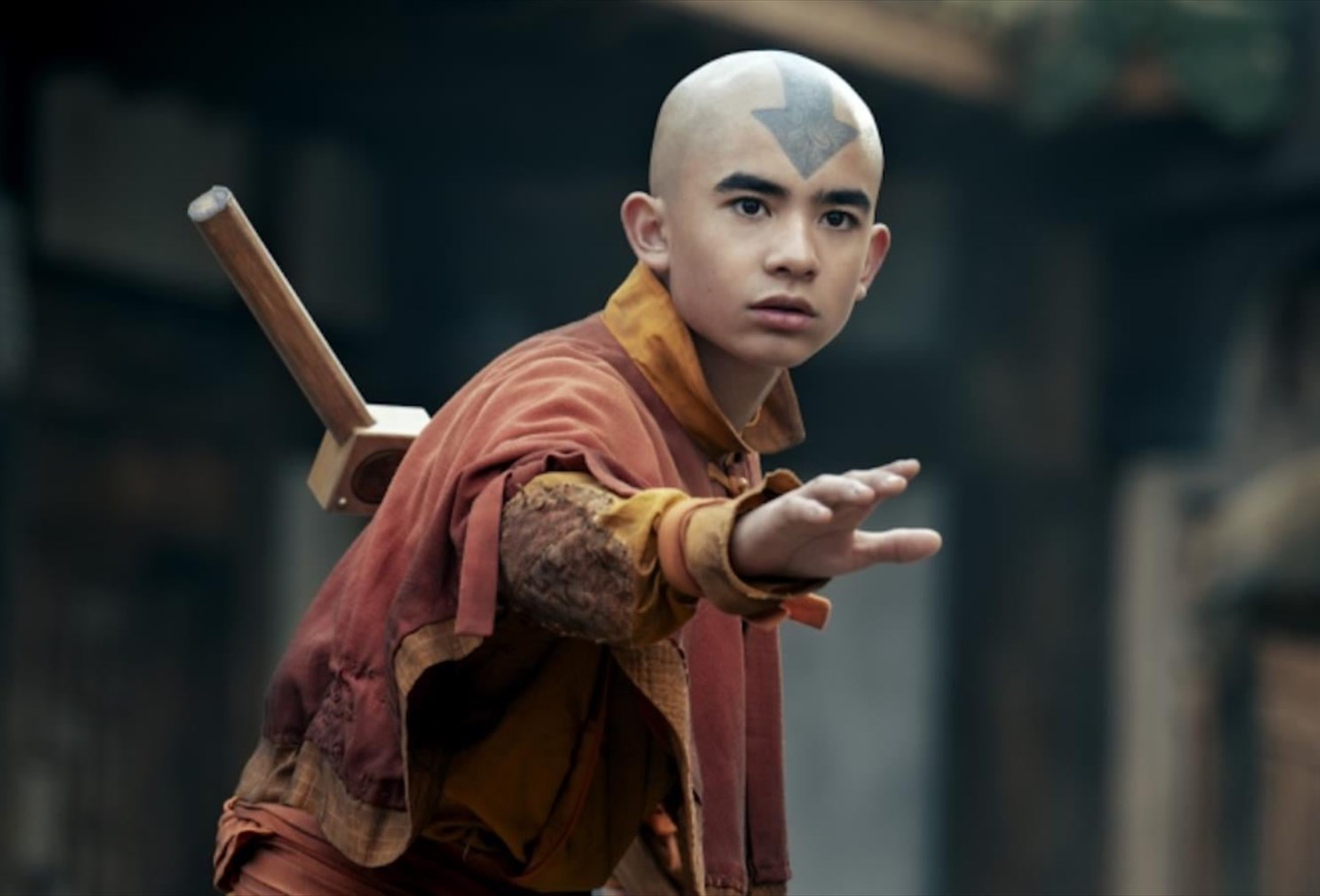
The single most beloved animated series of its generation has one of the most punishing live-action track records imaginable. Ask any Avatar fan about the 2010 movie and watch their face curdle. So when Netflix rebooted “Avatar: The Last Airbender” as live-action, the fandom watched through its fingers. Season 2 arrived on June 25, and it walks straight into the material that will decide everything: the Earth Kingdom, the city of Ba Sing Se, and the arrival of a certain tiny, blind, world-class earthbender who happens to be a lot of people’s favorite character in the entire franchise.
Toph Beifong is here, and her introduction is the season’s biggest swing. In the animated original, Toph is a revelation: a twelve-year-old blind girl who is also the greatest earthbender alive, all attitude and rock-solid confidence, the character who kicks the group’s dynamic into a higher gear. Casting her right was non-negotiable, and Netflix reportedly auditioned thousands of hopefuls before landing on newcomer Miyako for the role. That’s the kind of care the fandom demands, and getting Toph even slightly wrong would have sunk the whole season before it started. She’s too important, too loved, too specific. Warning: beyond this point there are spoilers for Season 2 of Netflix’s live-action “Avatar: The Last Airbender” and its Earth Kingdom storylines.
The single most beloved animated series of its generation has one of the most punishing live-action track records imaginable. Ask any Avatar fan about the 2010 movie and watch their face curdle.”
The returning cast is back and settling into their roles. Gordon Cormier continues as Aang, the reluctant twelve-year-old Avatar carrying the fate of the world; Kiawentiio returns as the fierce, nurturing waterbender Katara; Ian Ousley plays her wisecracking warrior brother Sokka; and Dallas Liu is back as the tormented banished prince Zuko, arguably the most compelling character in the entire saga. A cast getting a second season together tends to loosen up and find the rhythm, and the hope is that the awkwardness some viewers felt in the first outing gives way to genuine chemistry as these young actors grow into a story they clearly love.
Here’s why the stakes are so high: in the animated series, the second book, Earth, is widely considered the peak of the entire show. It’s where the storytelling deepens, where Zuko’s redemption arc gets genuinely complicated, where the group treks across a war-torn continent toward the great walled city of Ba Sing Se, and where the whole thing builds to a gut-punch of a finale. Adapting the fan-favorite season is a double-edged sword. Nail it and you silence the doubters for good. Fumble it and you’ve botched the exact material people care about most. Netflix chose to run straight at the franchise’s crown jewel, which takes nerve.
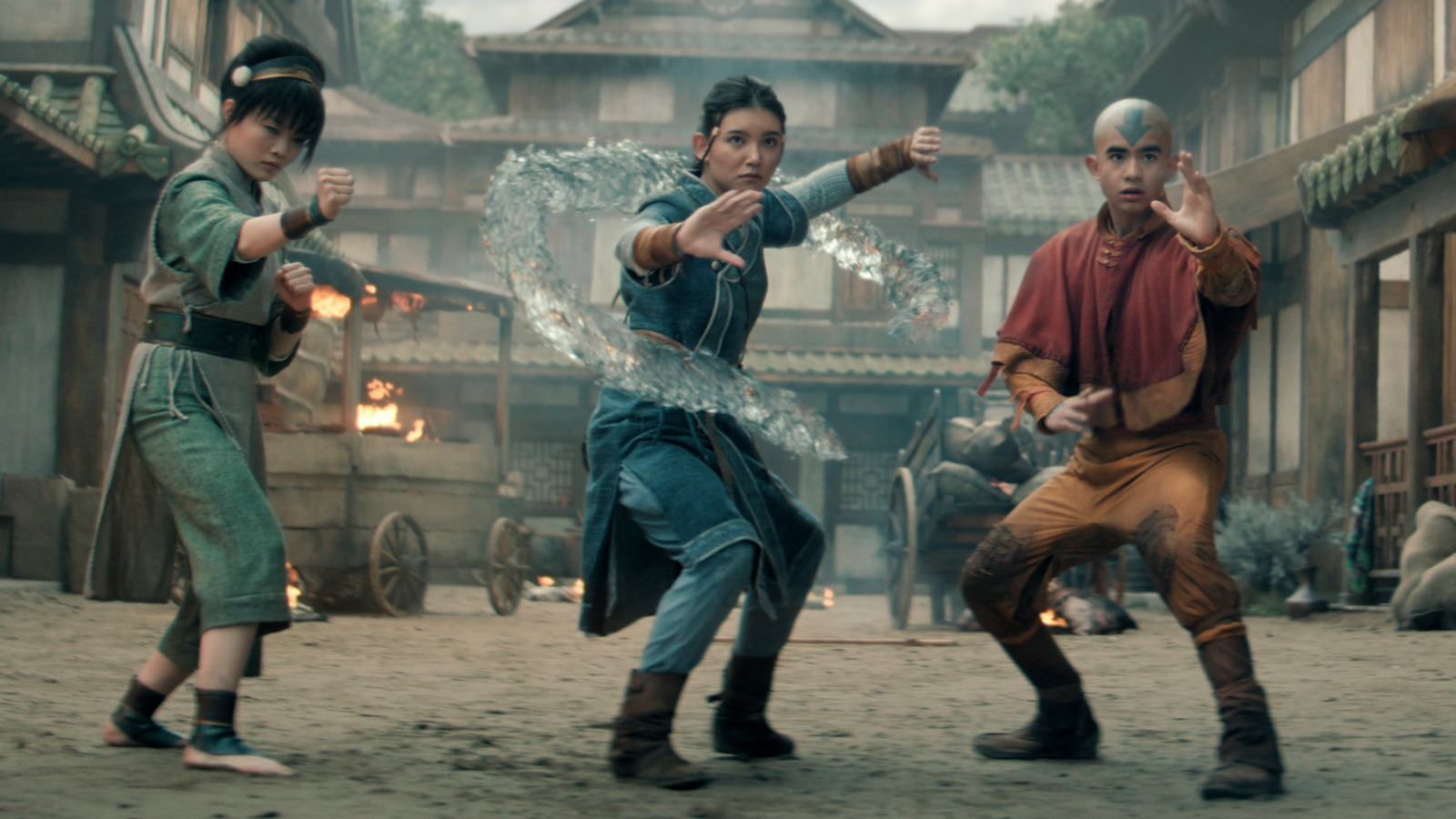
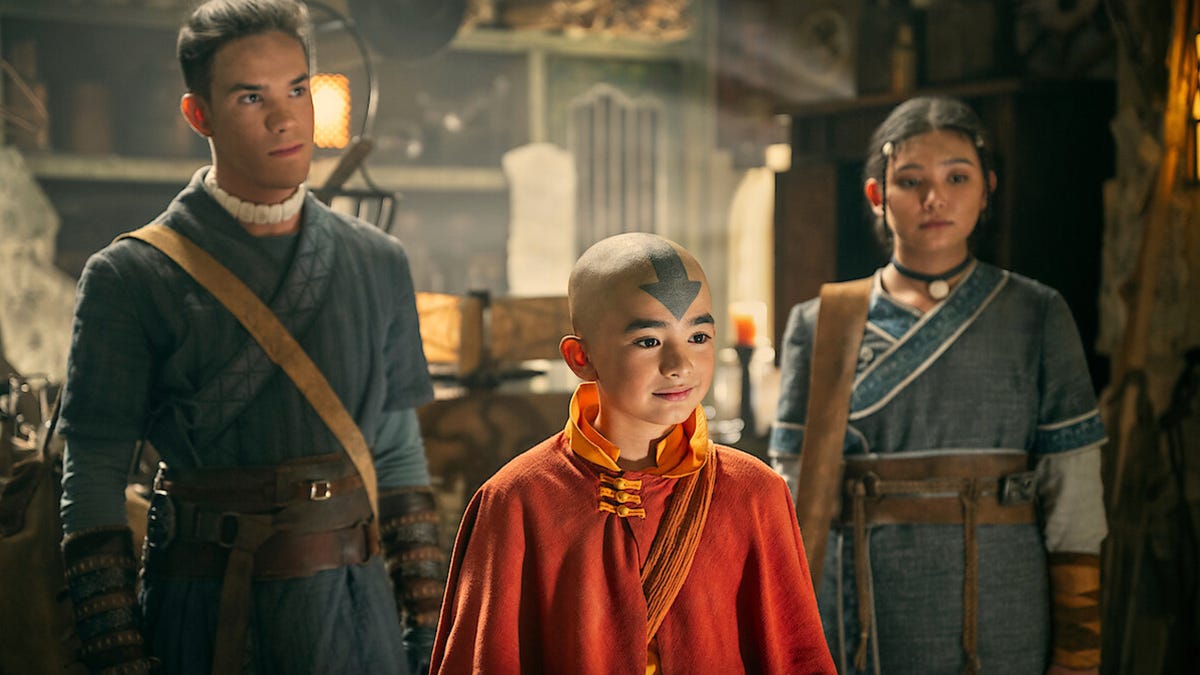
Ba Sing Se itself is a huge test. The Earth Kingdom capital is a sprawling, stratified city of secrets and suppression, home to the sinister Dai Li and a conspiracy of silence about the war raging outside its walls. Bringing that to live-action means enormous production demands: the scale, the earthbending set pieces, the political paranoia simmering under a veneer of order. If the show can make Ba Sing Se feel as vast and unsettling as it did in animation, that’s a strong sign this reboot has finally found its footing. It’s the kind of location that separates a competent adaptation from a great one.
Context matters when judging this season, and it cuts both ways. The first season was divisive: a clear, respectful improvement over the notorious film, but one that drew criticism for uneven pacing, softened characterization, and moments that didn’t quite capture the original’s blend of humor and heart. The bar it has to clear isn’t just “better than the movie” anymore; it’s “worthy of one of the greatest animated shows ever made.” That’s brutally high. But there’s also room to grow, and adapting the strongest source material gives Season 2 a natural advantage the first season didn’t have.
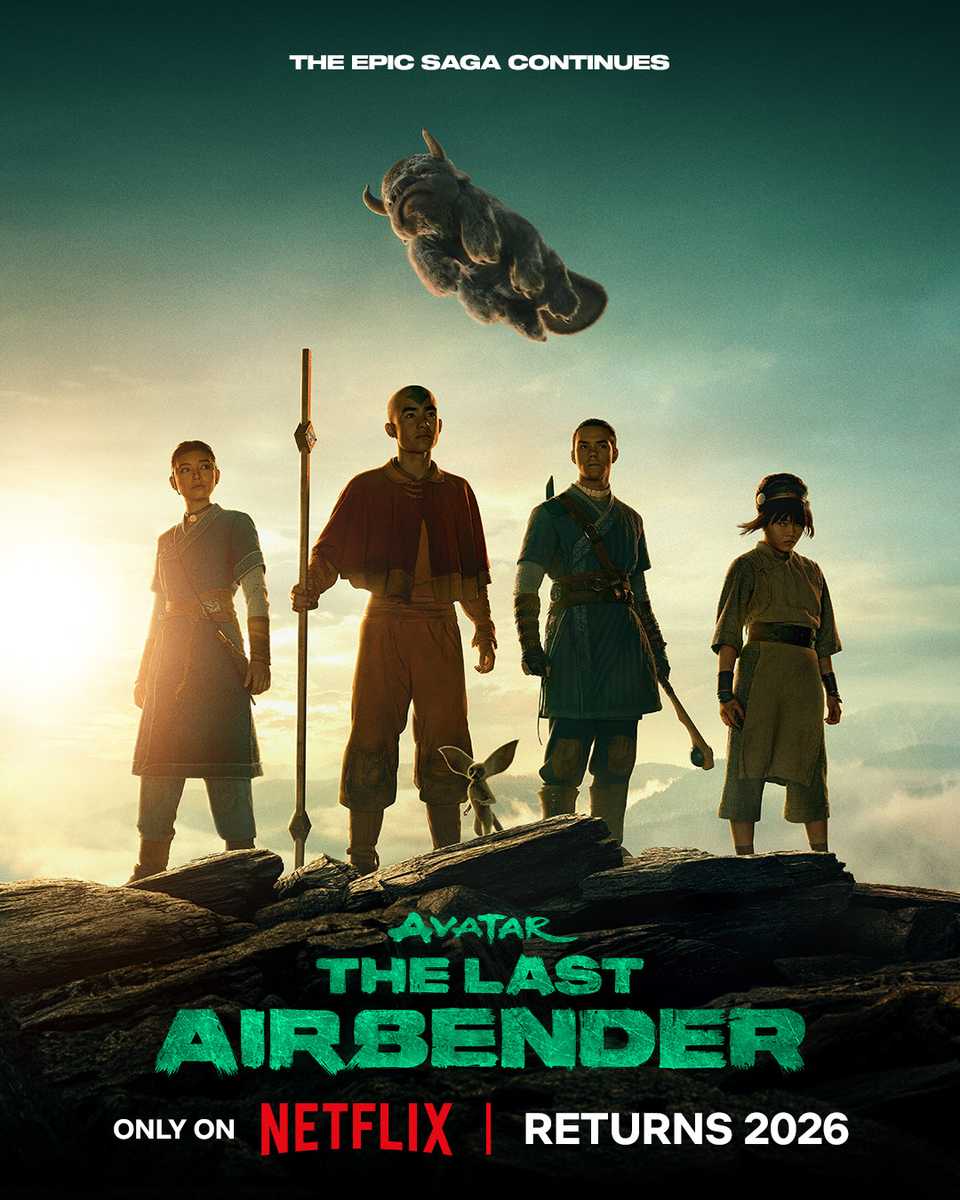
The broader Avatar universe is having a genuine moment, too. Beyond this series, an animated feature centered on an older Aang is on the way, keeping the franchise firing on multiple fronts, and the live-action show’s third and final season has already wrapped production: meaning the reboot’s complete arc is locked and coming, regardless of how Season 2 is received. That confidence from Netflix suggests the streamer sees Avatar as a long-term pillar rather than a one-and-done experiment. For a property this beloved, that commitment is reassuring even to the skeptics.
So the verdict rests where it always does with Avatar: on the details. Get Toph’s spirit right, make Ba Sing Se feel dangerous, let Zuko’s turmoil breathe, and honor the emotional crescendo the Earth Kingdom book is famous for, and Season 2 could be the moment this reboot finally earns the fandom’s trust. Get any of it wrong, and the ghost of that 2010 film gets a little louder. The elements are all in place, the source material is the best the franchise has, and a new earthbender just stomped onto the scene. Now we find out if the reboot can bend it into something worthy.
What Do You Think? Can newcomer Miyako’s Toph live up to a character this beloved, or was casting her the reboot’s most impossible task? Does adapting the fan-favorite Earth Kingdom season give Season 2 the boost it needs, or does tackling the show’s best material only raise the risk of disappointing fans? And after a divisive first season, has Netflix’s live-action “Avatar” done enough to finally escape the shadow of the 2010 film?
See you on the next binge!