There is no cinematic high quite like a great plot twist. That electric moment when the rug gets yanked out from under you, when the movie you thought you were watching reveals itself to be something else entirely, and every scene you just sat through suddenly rearranges into a new picture. A perfect twist doesn’t just shock; it rewards, sending you racing back to the beginning to catch all the clues hiding in plain sight. The BR team loves a good gotcha, so let’s celebrate the twists that genuinely fooled everyone. Warning beyond this point there are massive spoilers for the twist endings of the films discussed below.
That electric moment when the rug gets yanked out from under you, when the movie you thought you were watching reveals itself to be something else entirely, and every scene you just sat through suddenly rearranges into a new picture.”
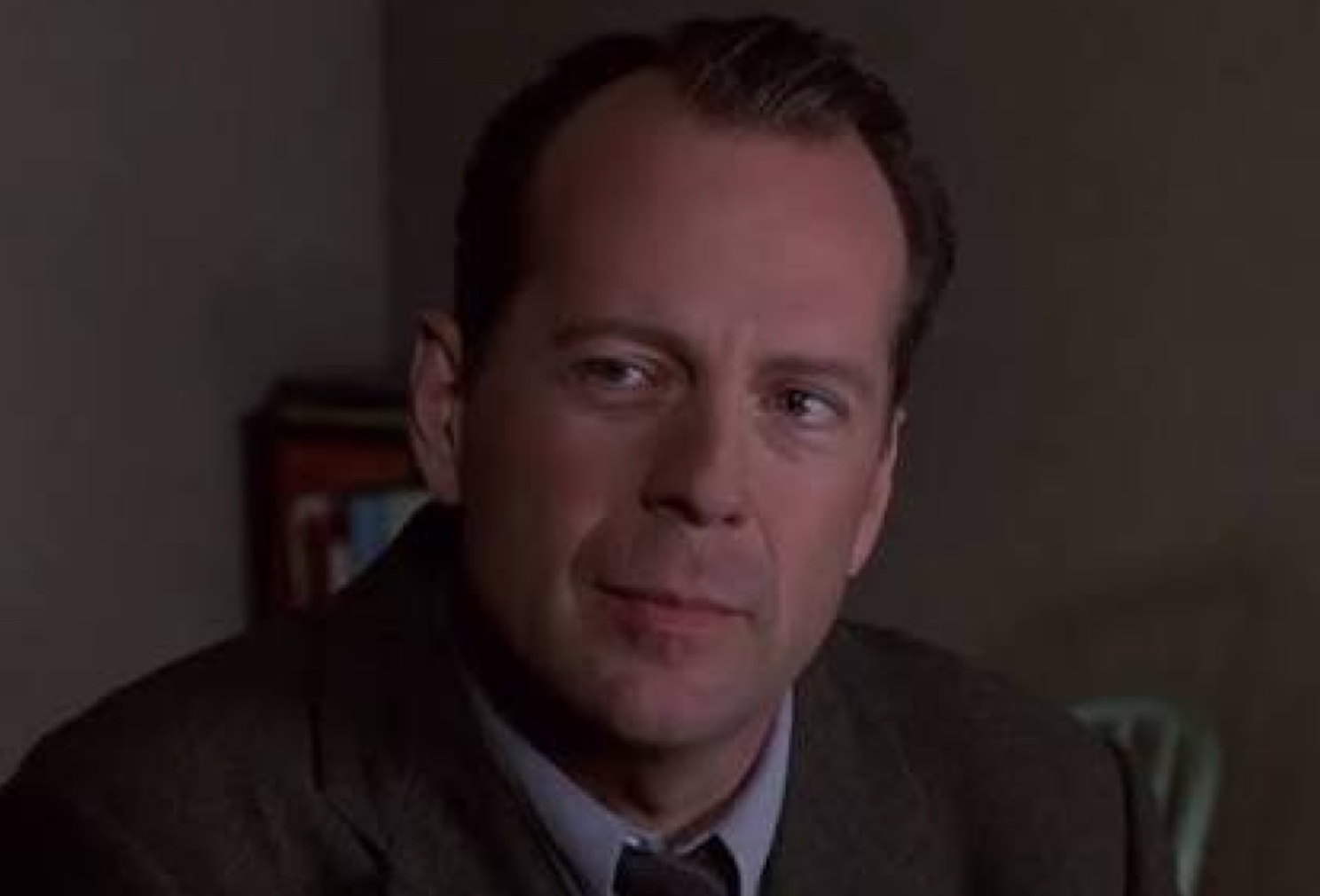
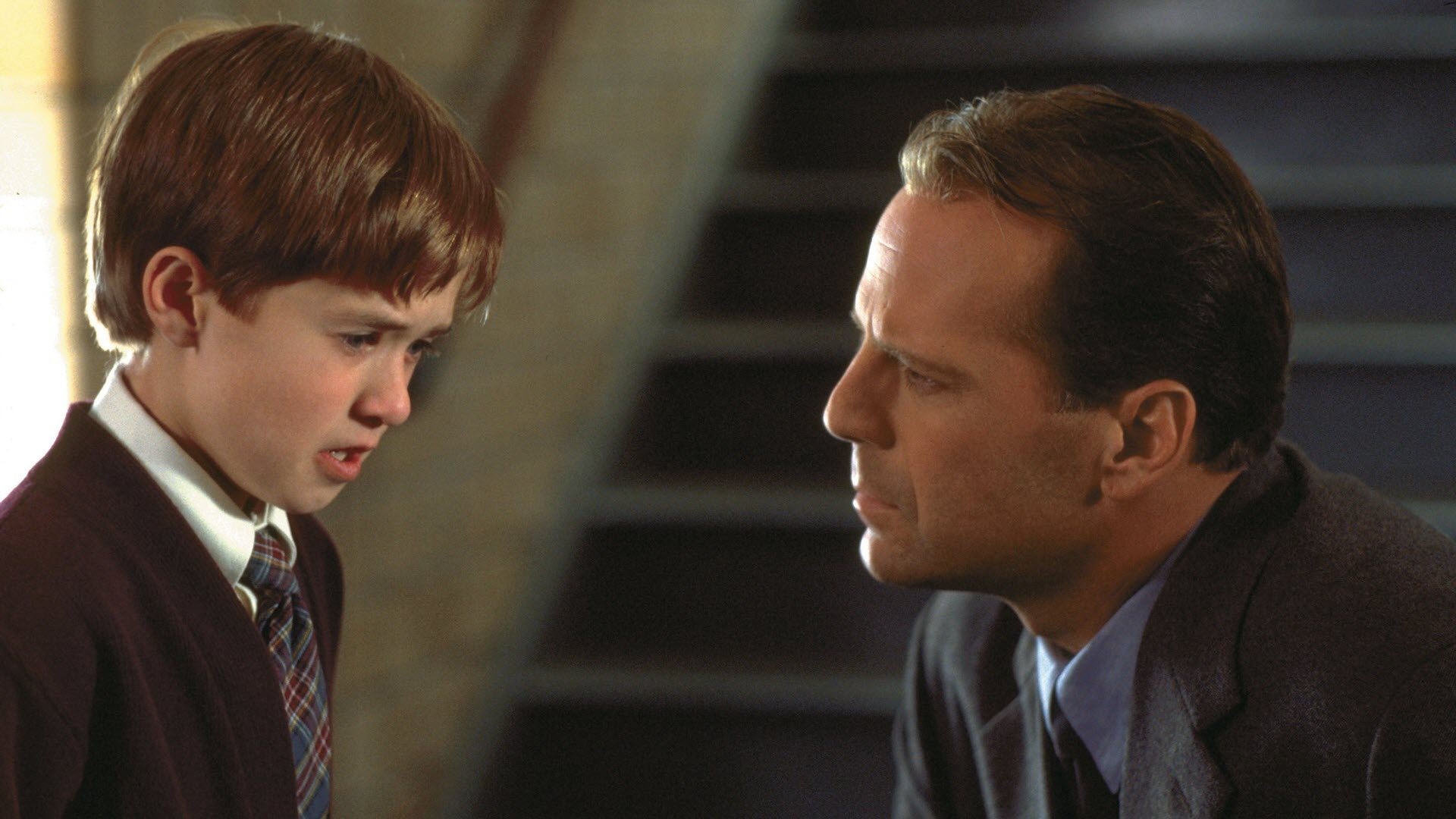
The twist that launched a thousand imitators is, of course, “The Sixth Sense.” M. Night Shyamalan’s ghost story built to a revelation so clean and so devastating that it became cultural shorthand: the discovery that Malcolm Crowe (Bruce Willis) has been dead the entire film, one of the very spirits the little boy sees. What makes it a masterpiece rather than a gimmick is that it plays completely fair; on a rewatch, every clue is there, from the fact that no one but the boy ever speaks to him to the unbroken red motifs. It fooled the entire world at once, and it holds up because it was never cheating.
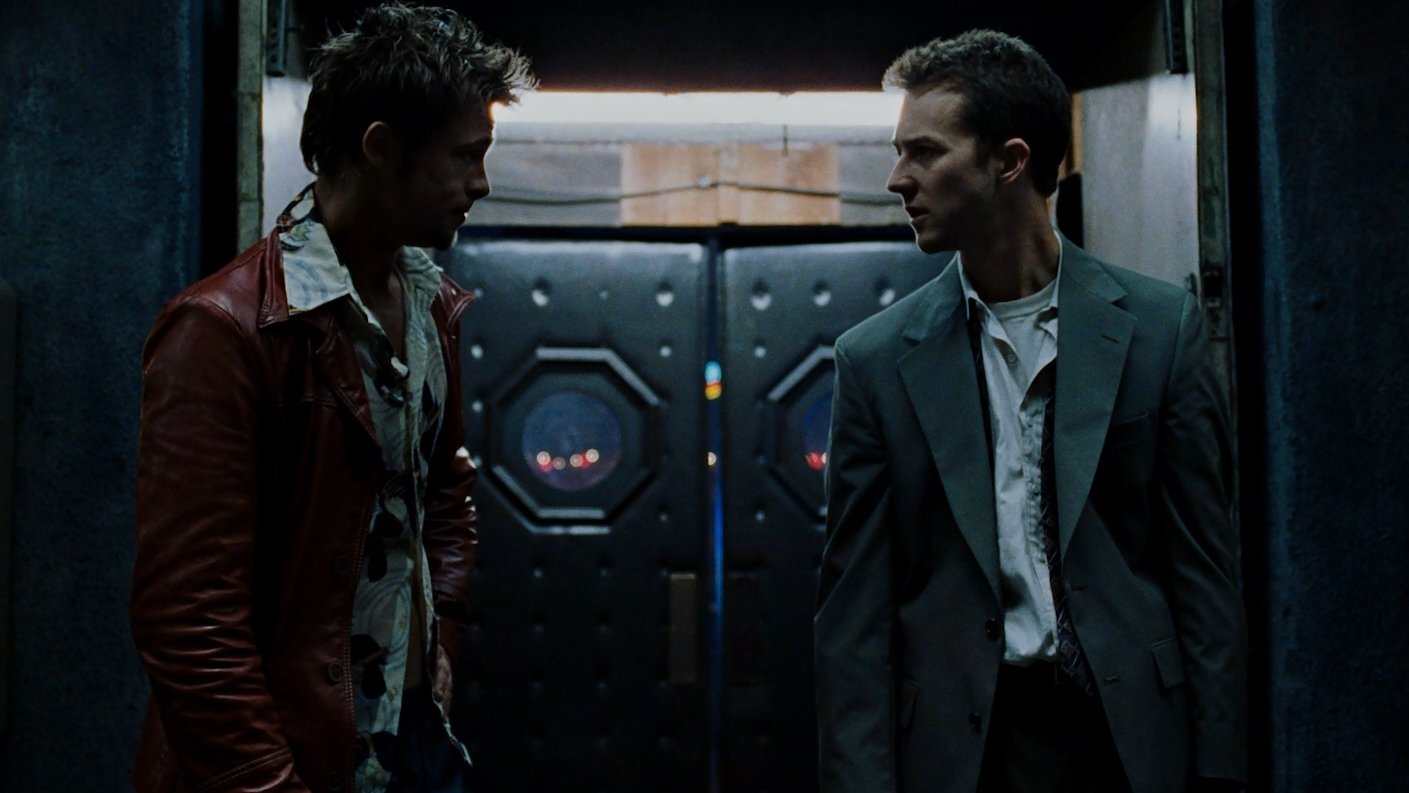
For sheer audacity, few twists match “Fight Club.” The reveal that the unnamed Narrator (Edward Norton) and the charismatic anarchist Tyler Durden (Brad Pitt) are the same person, that our protagonist has been beating himself up, literally, the whole time, reframes the entire film as a portrait of a fractured mind. It’s a twist that’s also the movie’s whole thesis about identity, consumerism, and masculinity in crisis, which is what elevates it above a mere trick. Watch it again and Pitt’s absence from certain scenes, the flickering single frames, the way people react to the Narrator, all click into place.
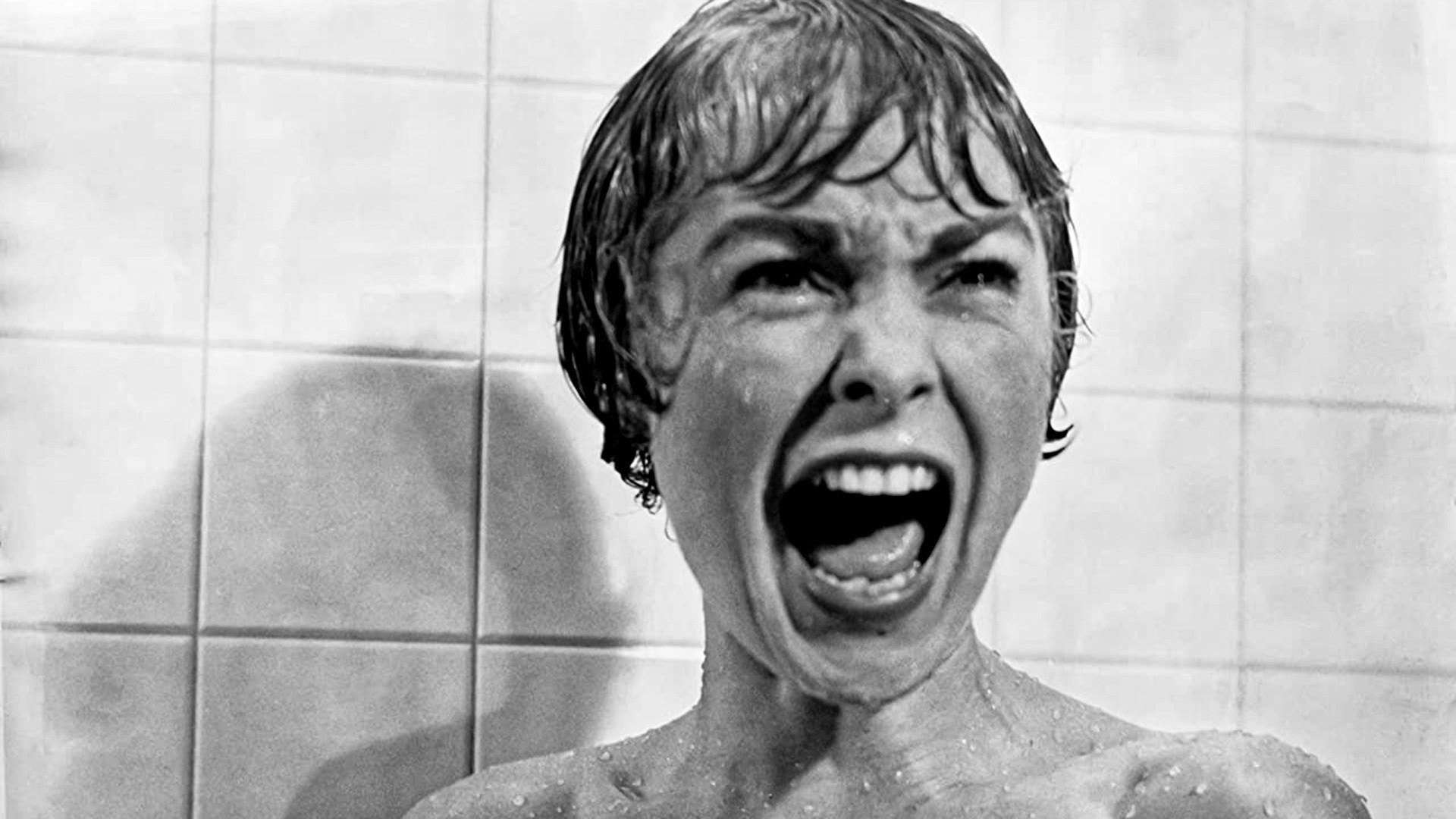
These twists have a long and noble lineage. Alfred Hitchcock’s “Psycho” pulled off two shocks at once: killing its apparent protagonist a third of the way in, then revealing that the sweet Norman Bates and his domineering mother are one and the same disturbed man. And the original 1968 “Planet of the Apes” delivered perhaps the most iconic final shot in movie history, as Charlton Heston’s astronaut discovers the half-buried Statue of Liberty and realizes the alien world he’s been trapped on was Earth all along. That gut-punch, humanity destroyed itself, turned a sci-fi adventure into a haunting parable in a single image.

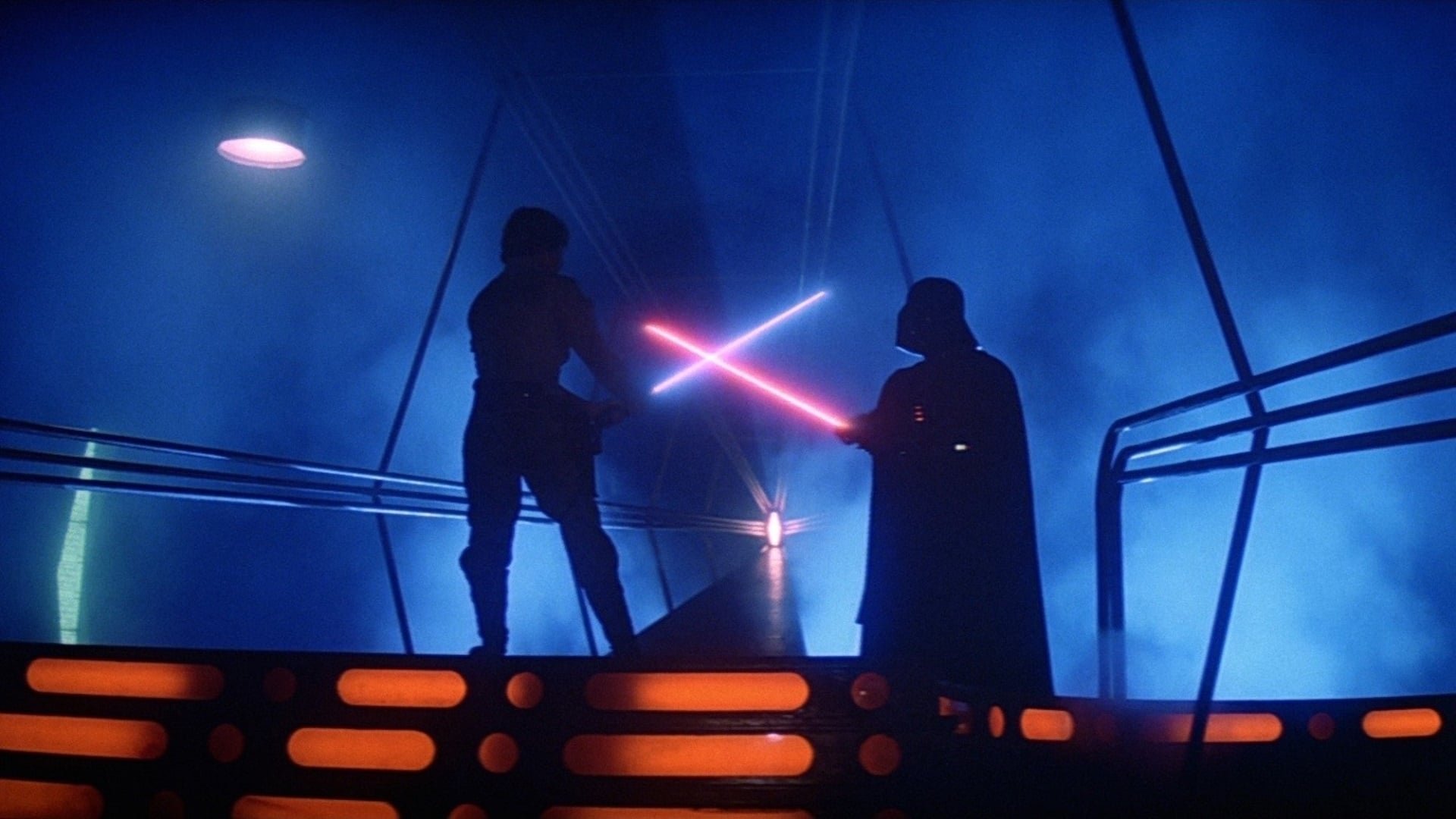
Then there’s the twist that defined a franchise and a generation: “The Empire Strikes Back” and four words that changed everything. When Darth Vader tells Luke Skywalker “I am your father,” he didn’t just reveal a family secret; he retroactively transformed the entire saga into a family tragedy. It’s proof that the best twists don’t just surprise you in the moment; they deepen everything that came before and everything that follows. Decades of “Star Wars” storytelling flow from that single revelation, and it remains the gold standard for a twist that expands a story rather than merely shocking it.
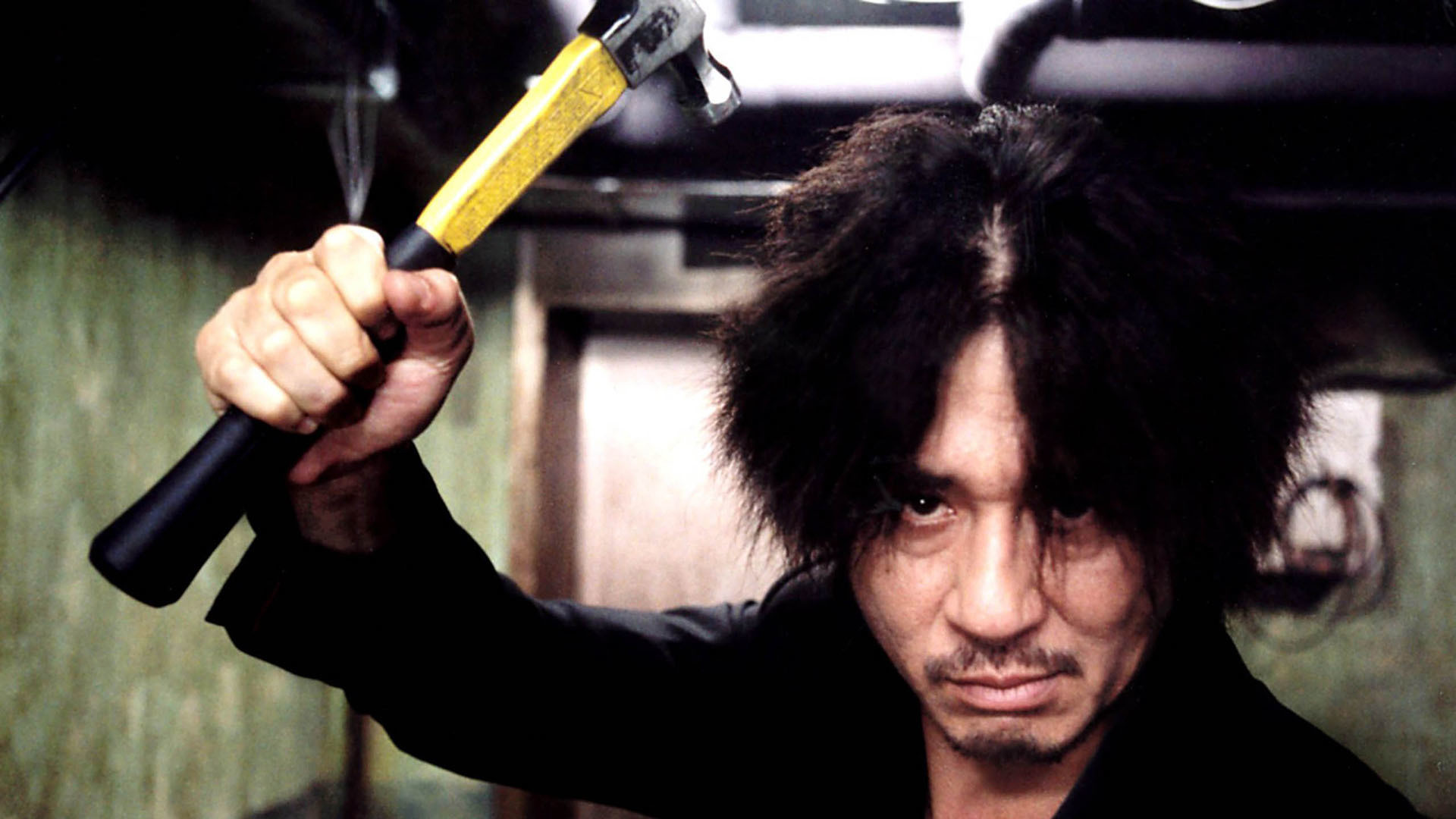
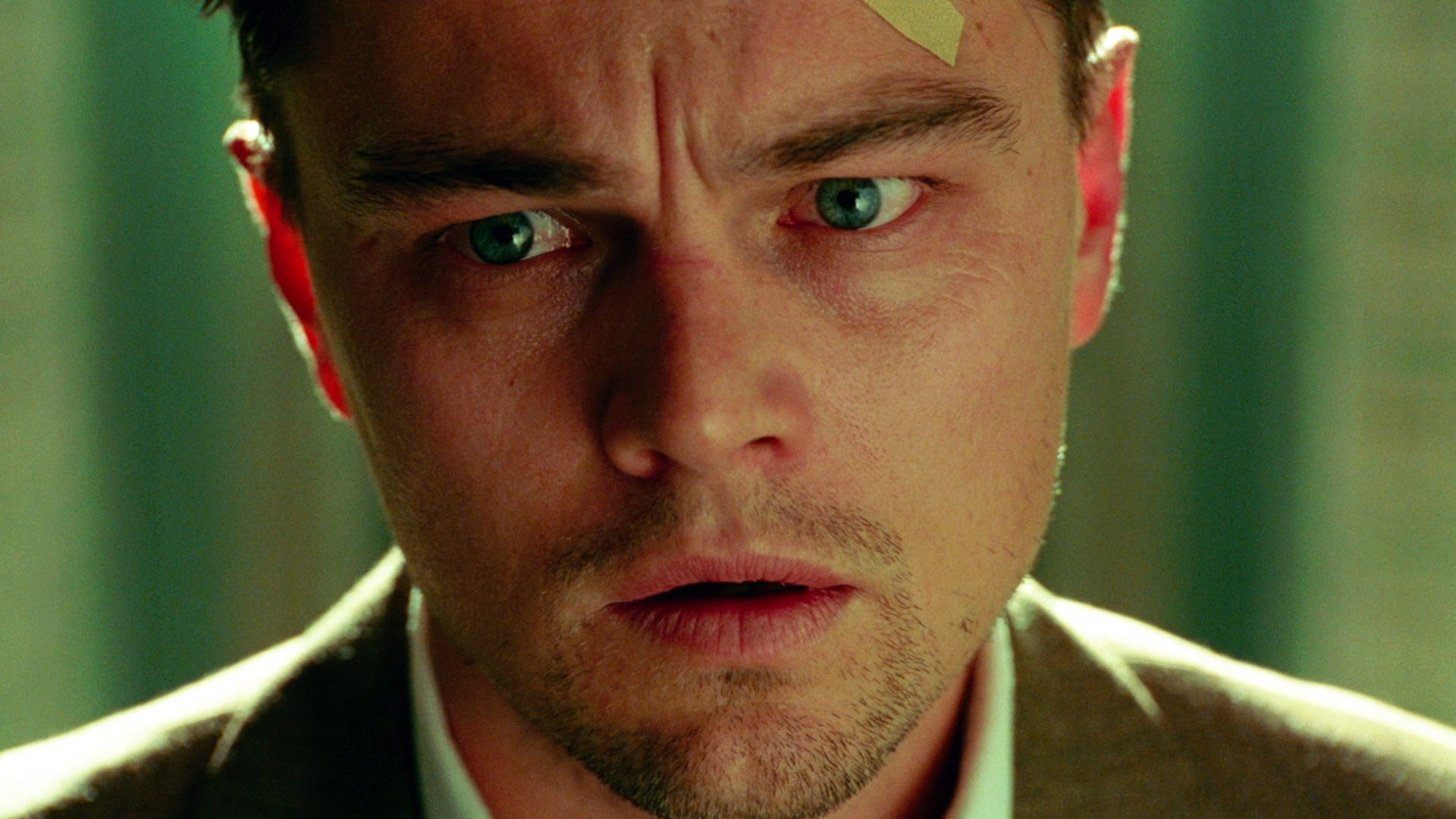
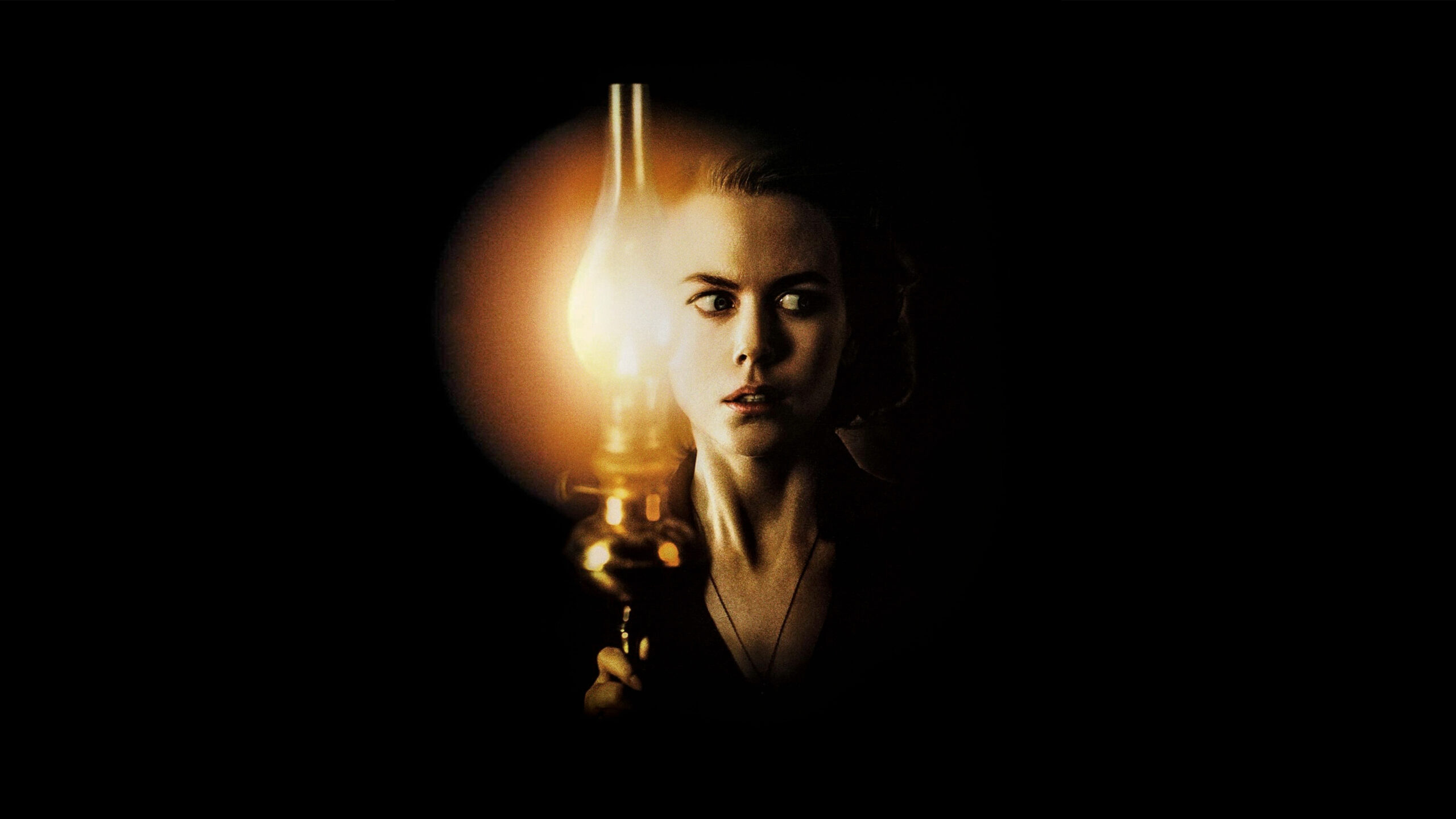
Some twists don’t just surprise you; they horrify you. Park Chan-wook’s “Oldboy” builds to a revelation so cruel it’s almost unbearable, recontextualizing its entire revenge story into something far darker and more tragic than you could have imagined. Martin Scorsese’s “Shutter Island” pulls the ground out from under its detective, revealing that the investigation itself was an elaborate role-play designed to break a delusion. And “The Others” quietly flips its haunted-house premise entirely, revealing that the terrified family fleeing the ghosts are the ghosts. Each one forces you to re-examine everything, and each one hurts in the best possible way.
What separates a great twist from a cheap one is the fairness of it. A bad twist feels like the movie lied to you, pulling a resolution out of nowhere that no attentive viewer could have anticipated. A great twist, by contrast, was hiding in plain sight the entire time, daring you to notice, and its power comes from the realization that the answer was there all along. That’s why these films reward rewatching: the second viewing becomes a completely different, richer experience, a treasure hunt for the clues you were too fooled to catch the first time. The best twists respect the audience even as they deceive them.
In an age where trailers spoil everything and online sleuths crack mysteries before a film even opens, a twist that genuinely lands feels rarer and more precious than ever. Going into a movie unspoiled and getting truly, completely blindsided is one of the great remaining pleasures of the medium: which is exactly why we guard these secrets so fiercely for the people who haven’t seen them yet. So if someone in your life still hasn’t experienced one of these gut-punches for the first time, do them the greatest favor a movie lover can: keep your mouth shut, and let them get fooled too.
What Do You Think? Which twist blindsided you the hardest the first time: the ghostly reveal of “The Sixth Sense” or the split identity of “Fight Club”? Do you prefer a twist that recontextualizes the whole story or one that delivers a single unforgettable shock? And which movie twist do you think people saw coming a mile away but everyone pretends fooled them?
See you on the next binge!