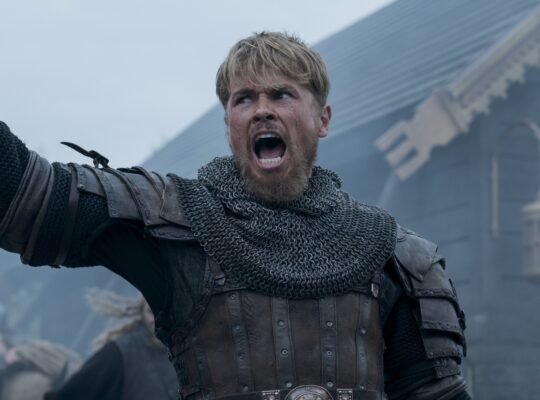
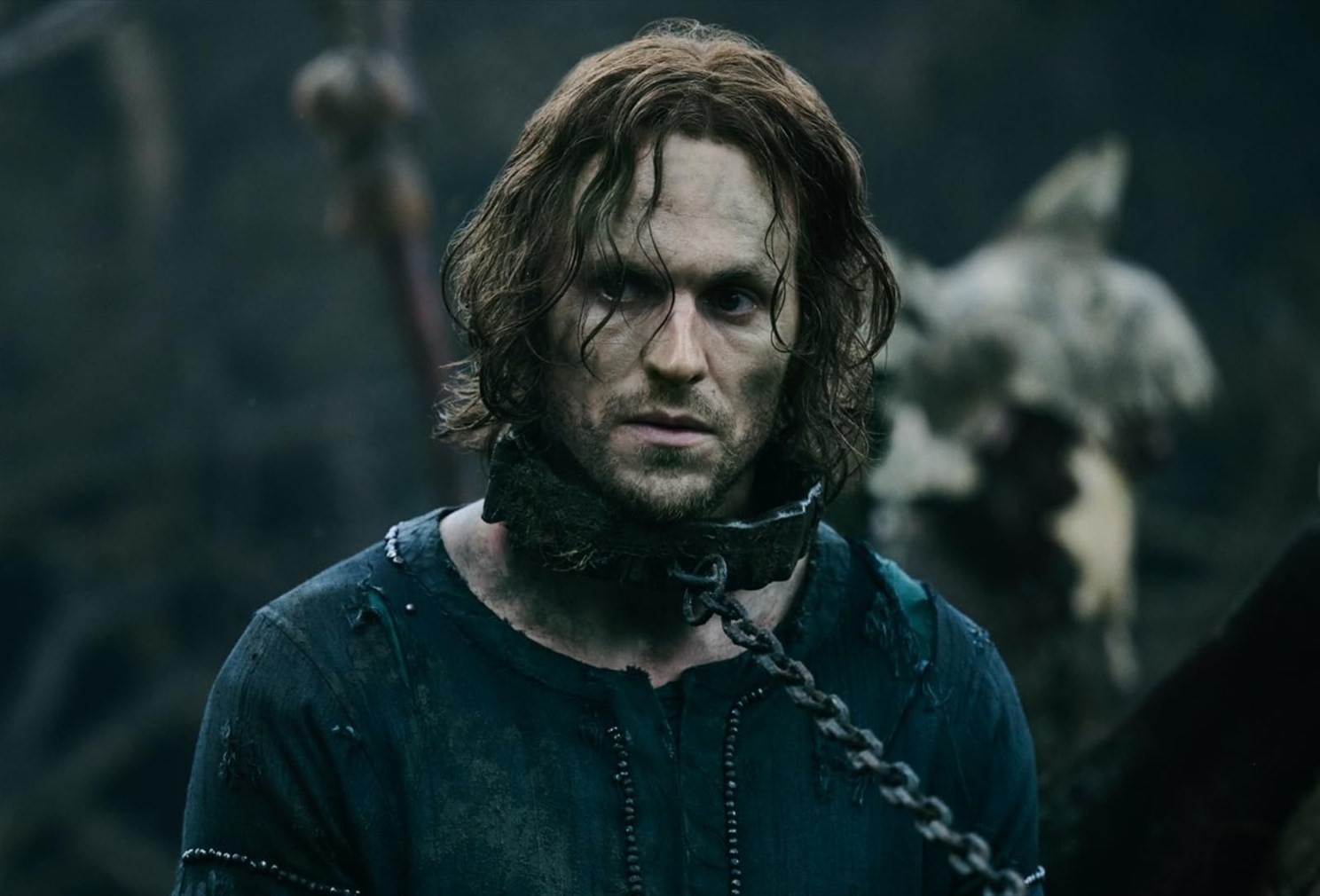
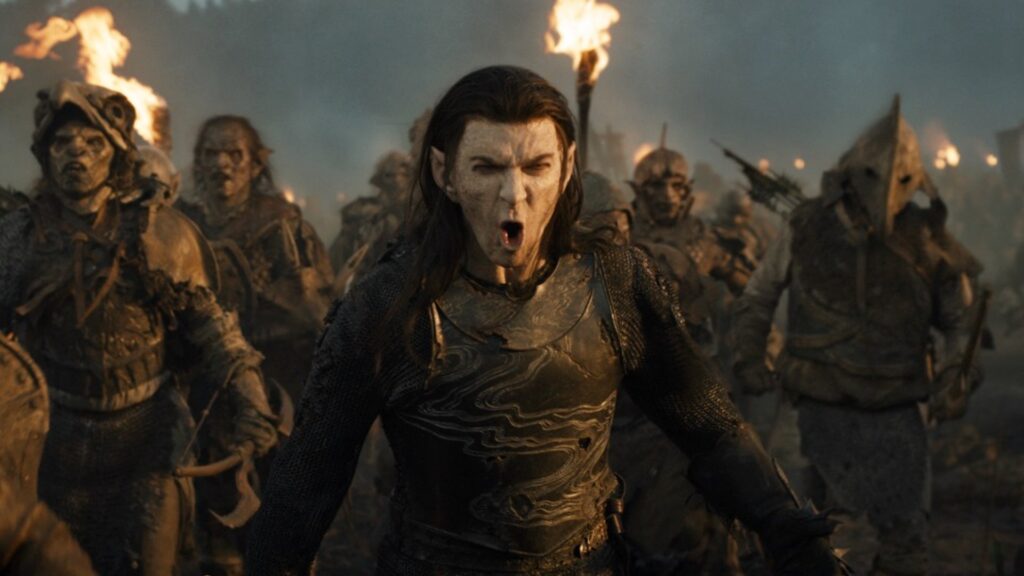
Amazon has finally given its billion-dollar Middle-earth gamble a homecoming date, and this time the marketing is not being coy about the monster in the room. “The Lord of the Rings: The Rings of Power” will return for its third season on November 11, 2026, and the first look that came with the announcement makes one thing perfectly clear: Sauron is done pretending to be anyone’s friend. After two seasons of the Dark Lord wearing borrowed faces and whispering in the ears of people who should have known better, the mask is off, and the show is finally pivoting toward the war we all knew was coming. For a series that has spent an enormous amount of money and goodwill getting to this point, that is exactly the pitch it needed to make.
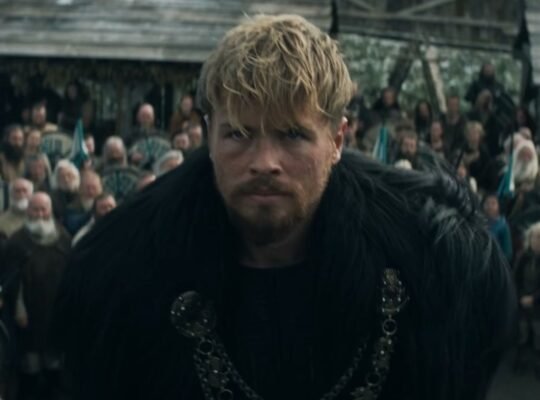
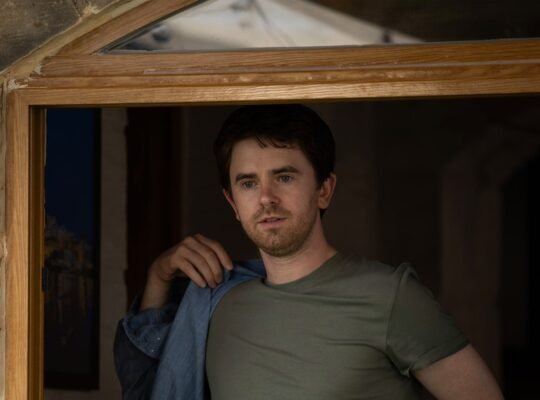
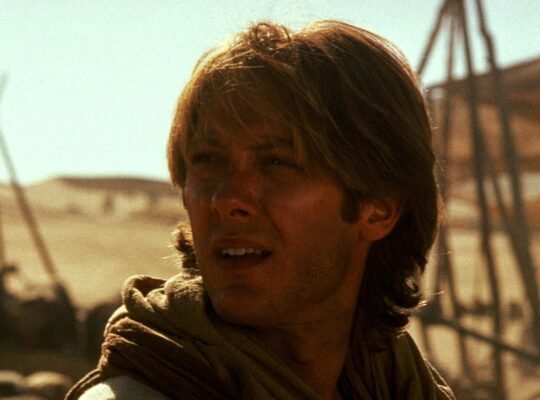
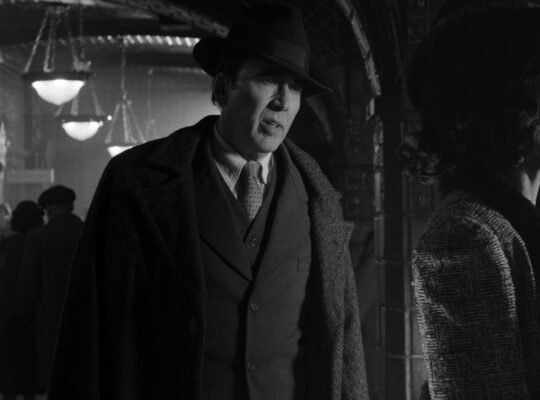
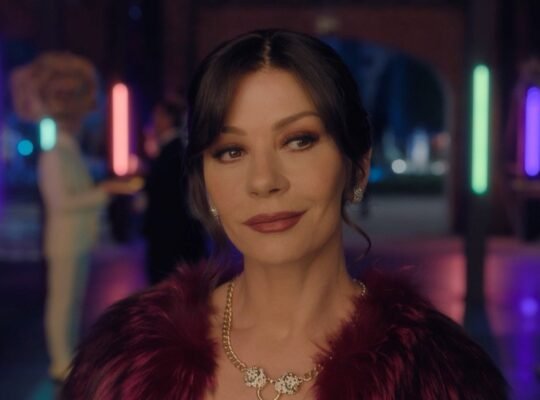
The date and the reveal land the show squarely in the back half of its planned five-season arc, with showrunners J.D. Payne and Patrick McKay still steering the ship they set sail back in 2022. Charlie Vickers returns as Sauron, now unambiguously the villain of the piece after the second season peeled away his Halbrand and Annatar disguises, and the ensemble is bringing in fresh blood, with Jamie Campbell Bower and Eddie Marsan among the names joining the cast. The story is marching toward the forging of the great rings and the slow poisoning of everything Sauron touches, which is the material this whole prequel was built to eventually deliver. Warning: beyond this point there are spoilers for “The Rings of Power” and the Second Age history of Middle-Earth.
After two seasons of the Dark Lord wearing borrowed faces and whispering in the ears of people who should have known better, the mask is off.”
Let us talk about the position this show is actually in, because it is a strange one. The first season was a genuine cultural event, the most expensive television series ever made, and it arrived to a wall of noise, some of it earned criticism about pacing and mystery-box storytelling, some of it bad-faith review-bombing that had nothing to do with what was on screen. The second season quietly did the harder thing, tightening its focus, delivering a genuinely great siege in the back half, and improving on nearly every technical front. The problem is that a chunk of the audience had already checked out, and improved reviews do not automatically bring lapsed viewers back. So the third season arrives carrying a very specific burden. It is not enough for it to be good. It has to be good enough to make people who left feel like they made a mistake.
The decision to fully unleash Sauron is the smartest possible move toward that goal. The single most compelling thing the show has done is let Vickers play the Dark Lord as a seductive, wounded manipulator rather than a snarling shadow, and now that the character no longer has to hide, the season can trade slow-burn intrigue for genuine menace. Middle-earth is best when there is a clear evil closing its fist around the world, and a Sauron operating in the open gives the sprawling story the gravitational center it sometimes lacked in its early going. If the writers can make the forging of the rings feel like the tragedy it is, watching good people accept gifts that will damn them, this season could finally be the one that silences the doubters.
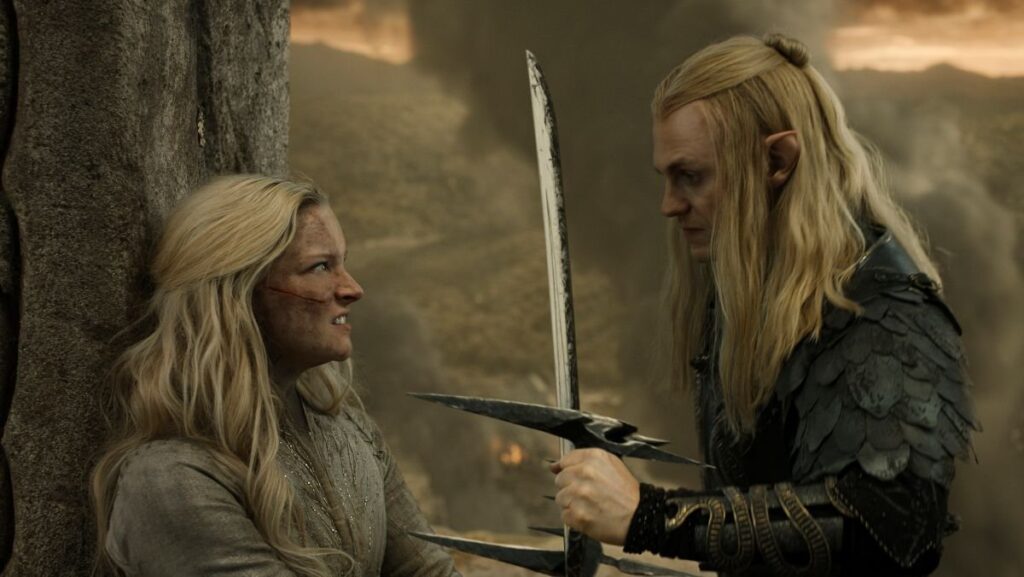
The scale remains almost absurd. This is still one of the most expensive productions in the medium, and every frame is expected to justify that price tag. The addition of performers like Marsan, a genuinely gifted character actor, suggests the show is continuing to invest in the human texture underneath the spectacle, which matters more than any battle. The great weakness of big-budget fantasy is spending so much on dragons and armies that the people get lost, and Middle-earth only works when the stakes are personal. A ring is just jewelry until you care about the hand it is being slipped onto.
There is also the simple matter of momentum. Sitting a beloved property out for well over a year is dangerous in a landscape where audiences forget shows exist between seasons, and Amazon is clearly betting that a hard date and a strong first look can rebuild the anticipation. November is a smart landing spot too, dropping the season into the prestige-heavy back end of the year when viewers are looking for something big and immersive to sink into as the nights get longer. The pieces are in place for a comeback, if the show can deliver on the promise of that first image.
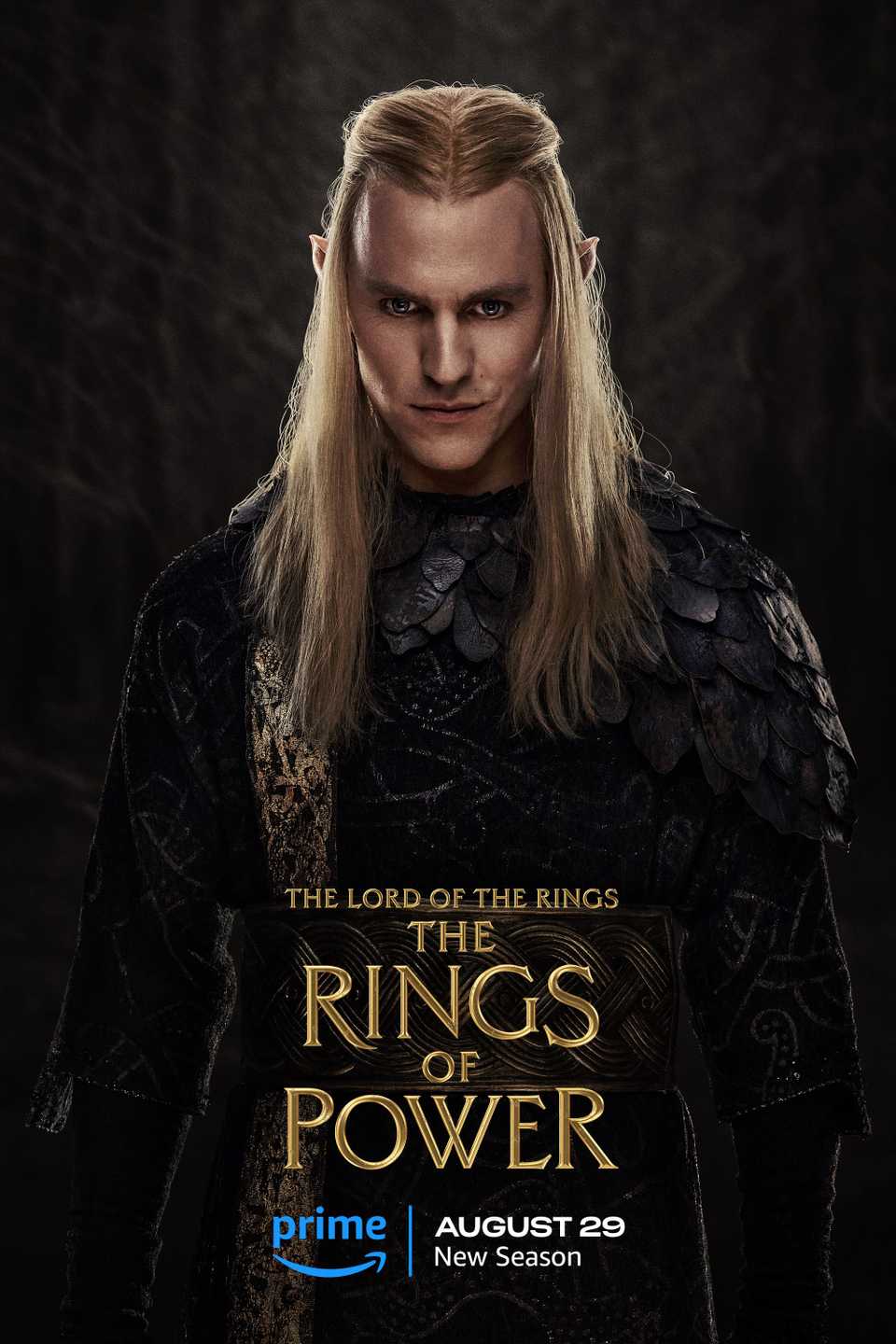
So the countdown is officially on. A firm date, a Dark Lord finally stepping into the light, and a season that has to do the heavy lifting of proving this whole massive experiment was worth it. We have gone back and forth on this show more than almost anything else on television, frustrated by its lulls and genuinely moved by its highs, and this feels like the season that decides which version of “The Rings of Power” we are going to remember. The forge is hot, the enemy has a face, and Middle-earth is marching toward the dark. We will be watching to see if it finally lives up to the world it is borrowing.
What do you think? Now that Sauron is operating in the open, can the third season finally win back the viewers who drifted away during the slower stretches of the early seasons? Is fully committing to the forging of the rings the story this prequel has needed all along, or does losing the mystery cost the show some of its intrigue? And can any series, no matter how gorgeous, justify a budget this enormous if it cannot turn respect into genuine must-watch appointment television?
Catch up properly: every Middle-earth film and series in chronological order on our Timeline Hub’s Lord of the Rings timeline.
See you on the next binge!