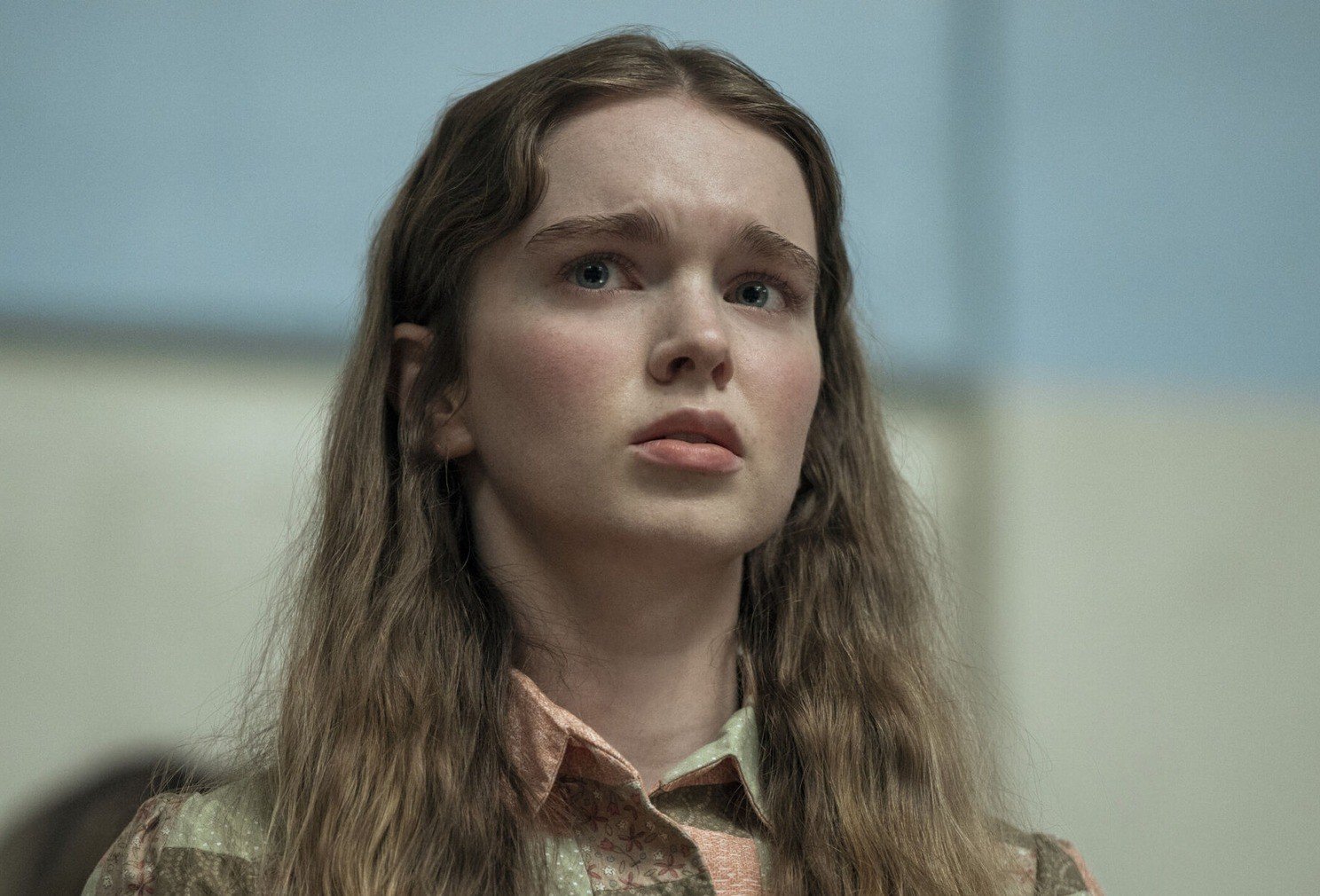
When the bucket finally tips over Carrie White (Summer H. Howell), it happens at the end of the seventh episode rather than the eighth, and what follows in that gym is the part of the story rewritten for 2026. The room goes quiet, somebody laughs, the laugh spreads, and then the phones come up, because a girl whose first period was already filmed in a locker room is about to be filmed again. Mike Flanagan’s “Carrie” arrived on Prime Video on Wednesday, October 7th, all eight episodes at once. It is a better idea than most of what has been done with this story in fifty years, and we suspect it is also the reason the show is less frightening than it wants to be.
Flanagan developed the series and ran it, wrote the first and last episodes, and directed four of the eight himself, with Stephen King on board as an executive producer. We have not seen a screener, so this review is written from the published reviews, the episode recaps that went up after the release and the interviews Flanagan gave this week, and where the write-ups disagreed on a detail, including exactly who dies at the prom, we left it out. Warning beyond this point there are spoilers for all eight episodes of “Carrie.”
It is a better idea than most of what has been done with this story in fifty years, and we suspect it is also the reason the show is less frightening than it wants to be.”
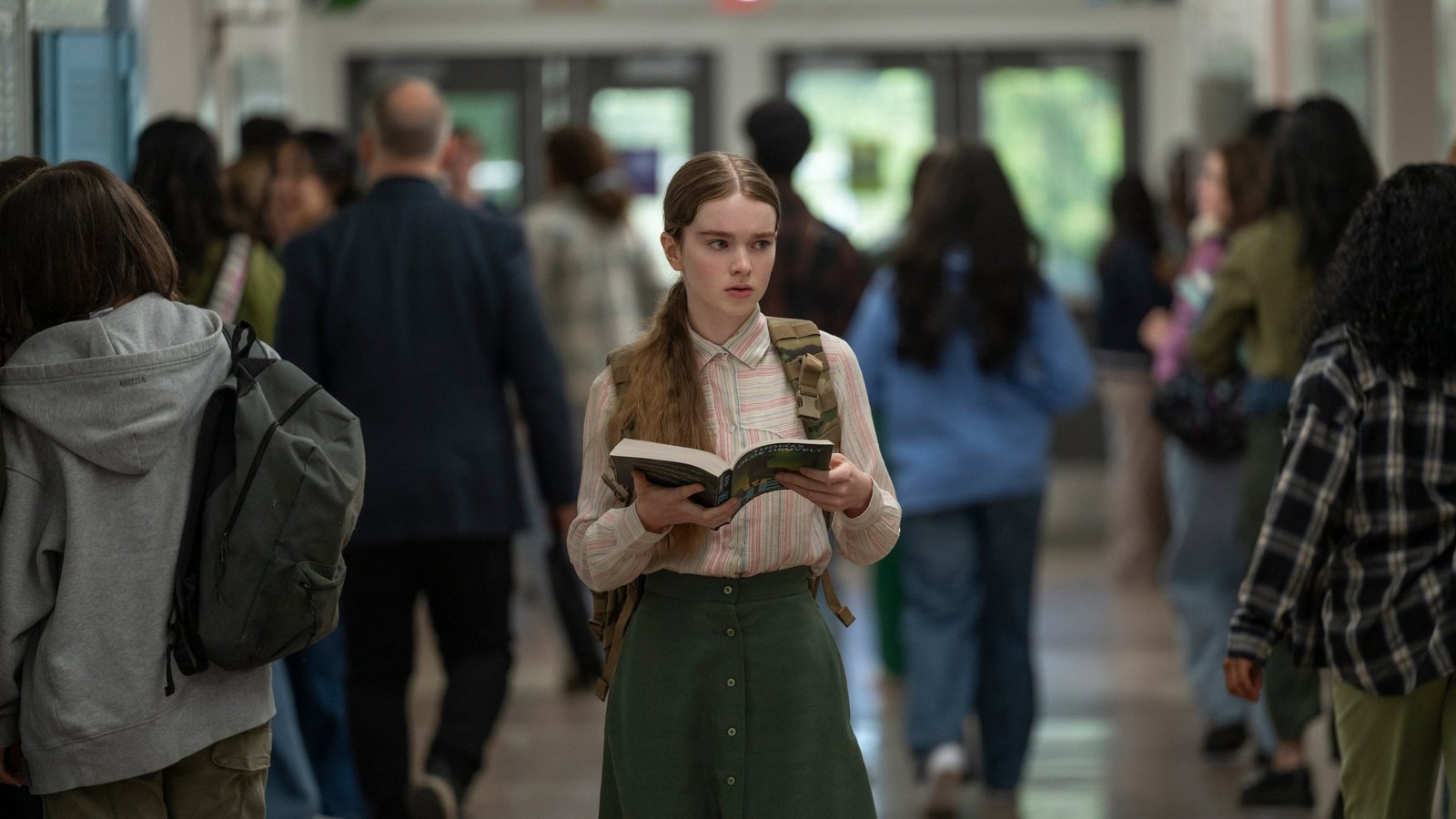
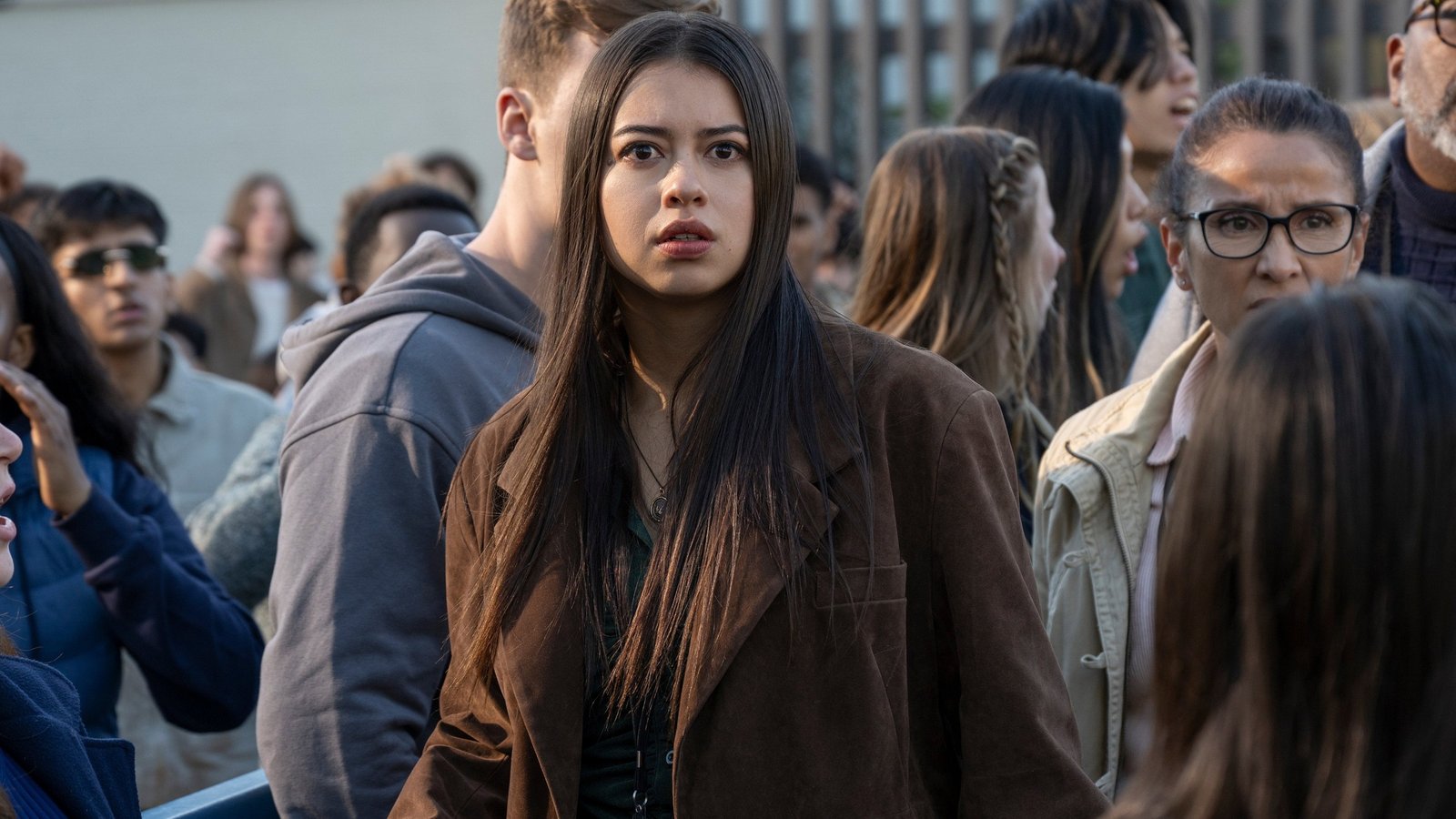
The first hour moves the story’s center of gravity before the title card has settled. Carrie’s father, Ralph (Tahmoh Penikett), dies in an accident on a construction site, and it turns out the men he worked with never knew he had a family. When the authorities reach the house, they find his wife, Margaret (Samantha Sloyan), and a daughter who was schooled at home and has apparently never left it. To keep custody, Margaret takes a job at a big box store, and Carrie is sent to Ewen High, where the first things waiting for her are a metal detector and an active shooter drill. This Carrie is not a girl the town has spent years ignoring. She is new, she is curious, and she walks in with what the A.V. Club called “a totally open heart.”
That openness is the hardest thing in the show to play, and critics who agree on very little else agree on Howell. Chris Evangelista at /Film called her “something of a revelation, easily the best part of this entire adaptation”, and singled out an early scene in the school library, where Carrie learns she is allowed to read any book she wants. “The look of stunned wonder on Summer H. Howell’s face here broke my heart just a bit,” he wrote. Even Daniel Fienberg of The Hollywood Reporter, the least won over of the major reviewers, wrote that “Howell embodies an awkwardness that can’t be cured with a makeover montage.” A Carrie this sweet could easily have grated, and by every account, she never does.
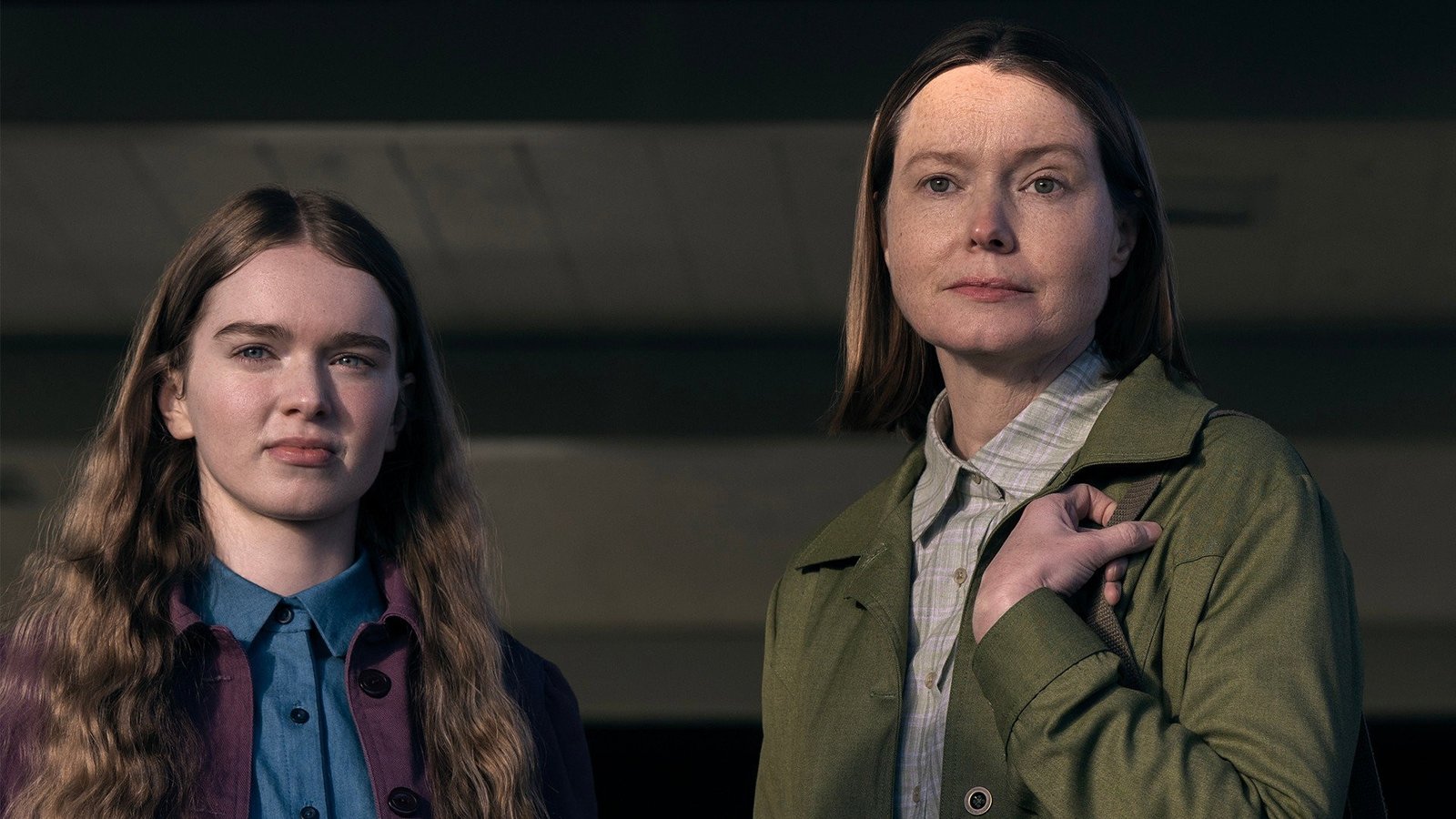
Margaret is where Flanagan placed his biggest bet, and he explained it plainly to Nerdist this week. “What if Margaret loves her daughter and doesn’t know how to do that right and doesn’t know how to keep her safe?” he said. Sloyan’s version clashes with the principal, works a supermarket job she loathes, and eventually takes to social media to fight back, which Time’s Judy Berman summed up as “a vlogging parents’ rights crusader.” Berman credited Sloyan with “locating the wounded soul of a character who’s always been more of a caricature.” Not everyone bought it. Ben Travers at IndieWire found her monotonous, and his verdict was short. “Instead, she’s just a representative.”
What she is fighting is the other big change. Chris Hargensen (Alison Thornton) runs an anonymous Instagram account under Carrie’s name, and by midseason it has turned on teachers and half the student body, so a story about one girl’s humiliation becomes a story about a school feeding on itself. Flanagan also gives Chris a home life, with a father, John (Michael Trucco), sinking under money trouble. Jordan Williams at Screen Rant, who scored the season 8 out of 10, saw “an angry, sad, neglected kid who’s been failed by the adults and systems around her.” Evangelista disagreed outright. “I simply don’t think Chris needs to be softened in any way, shape, or form,” he wrote.
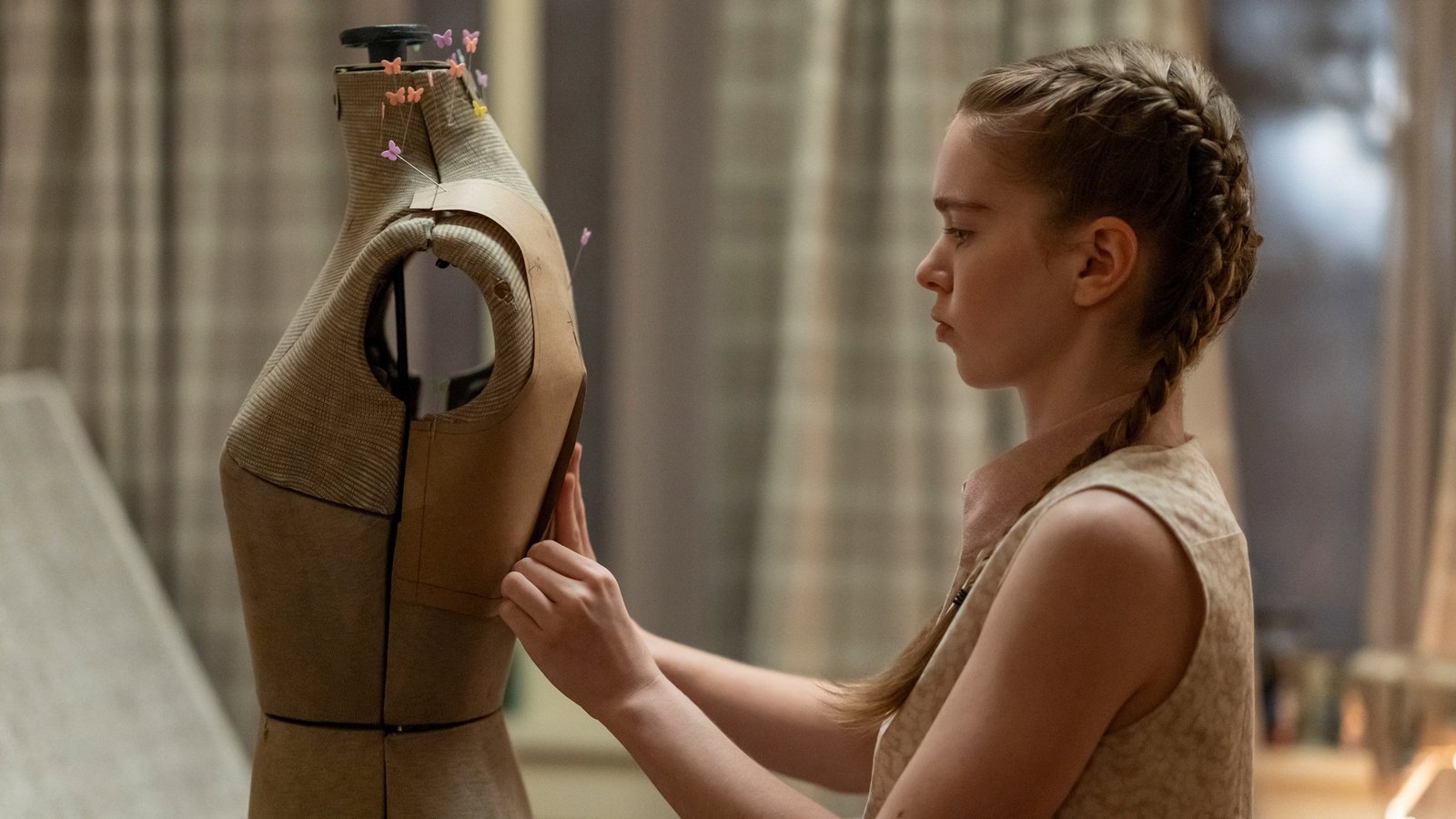
The middle of the season is where the reviews split hardest. In the fifth episode, Chris offers Carrie an apology that curdles into an insult, and Carrie breaks her nose without touching her, then tells her to “plug it up”, the novel’s old taunt handed back to the bully. In the same hour, footage stolen from Margaret’s hidden cameras goes up on the account and shows Carrie at home talking to Emaline West (Thalia Dudek), the friend she made at school, except that nobody else is in the room. The sixth episode ends in a mediation between the families, Chris expelled, and a riot outside the school. Williams admitted the stretch “drags slightly in the middle, at times feeling repetitive”, and Fienberg compared it to “Netflix’s 13 Reasons Why.”
Here is our honest worry. Fienberg wrote that “this Carrie is finally less distinctive and far less scary than it should be,” and Travers went further. “It’s a plea instead of a roar, and the modern world, with all its problems, calls for screams,” he wrote. Flanagan told Nerdist that “I don’t think there are any monsters on our show,” and a horror story with no monsters in it might make a richer tragedy, but it also makes a gentler night on the couch, which is an odd thing to say about the story that taught a whole genre to look up at the rafters on prom night.
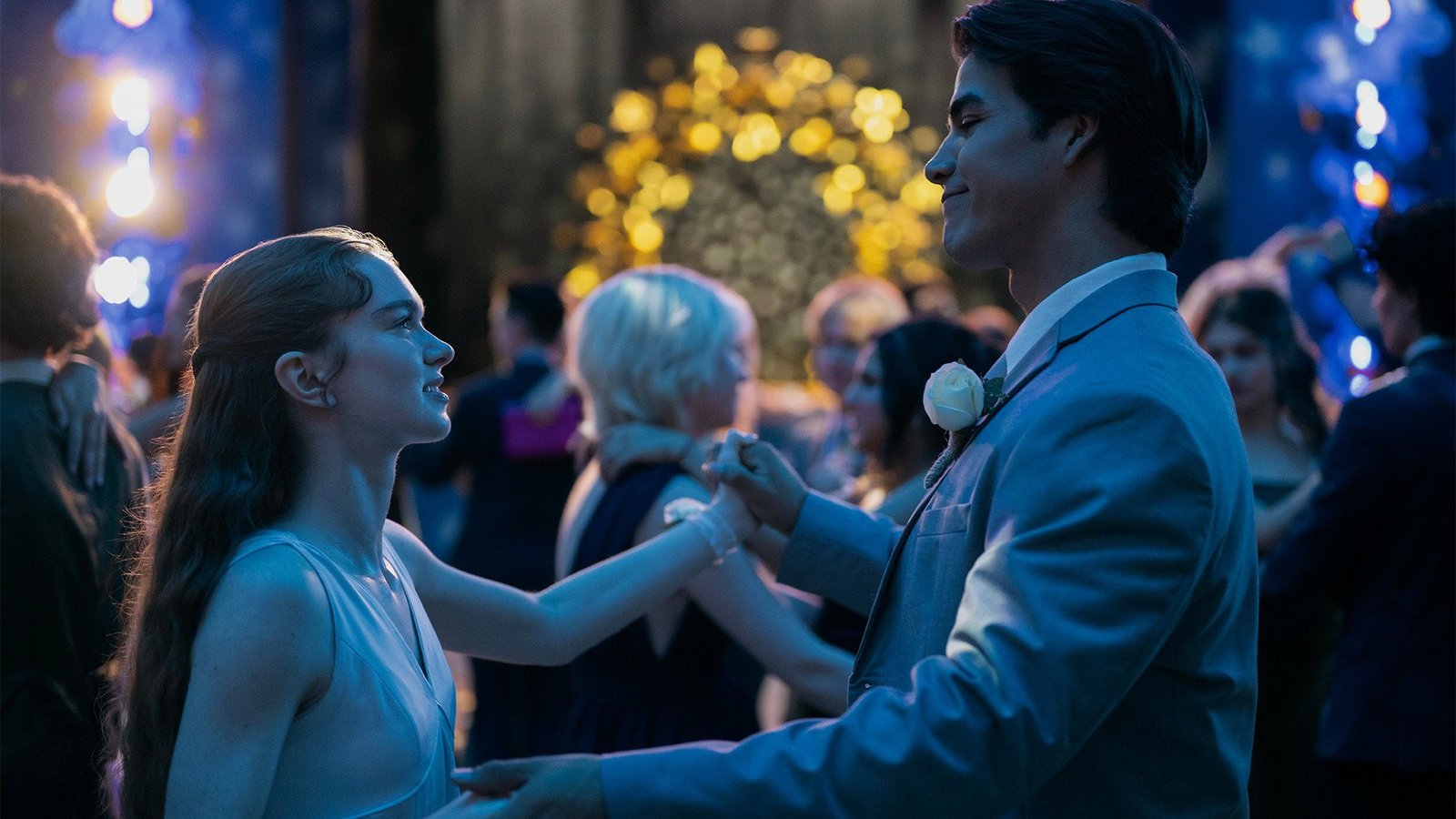
The seventh episode, written by Jamie Flanagan and directed by Mike Flanagan, is the one the recappers liked best. Tommy Ross (Joel Oulette) asks Carrie to the prom because he wants to, not because his girlfriend, Sue Snell (Siena Agudong), talked him into it as she does in the novel. Carrie stands up at a meeting of parents, teachers and students ready to cancel the dance, and talks them into holding it. Margaret, meanwhile, goes looking for someone who understands her daughter and finds Amanda (Katee Sackhoff), a stranger who tells her the only answer for girls like Carrie is death. Winter Is Coming called the hour “excruciatingly suspenseful in the best of ways,” and it ends on the bucket.
The finale opens with Sue telling an interviewer what she saw, then cuts back into the gym. Carrie shatters the phones held up to film her, driving glass into the faces and hands of the students holding them. In the chaos Emaline appears at her side and offers to help, while Sue, who ran to the school too late to stop it, sees a shadow standing behind Carrie. The doors lock, water floods the floor, a live wire comes down, and the interviews put the toll at around two hundred dead. Williams called the sequence “undoubtedly one of the greatest achievements in Flanagan’s career thus far.” Travers called it an “overdrawn, and underwhelming meltdown at prom”, and without a screener, we cannot settle that one for you.
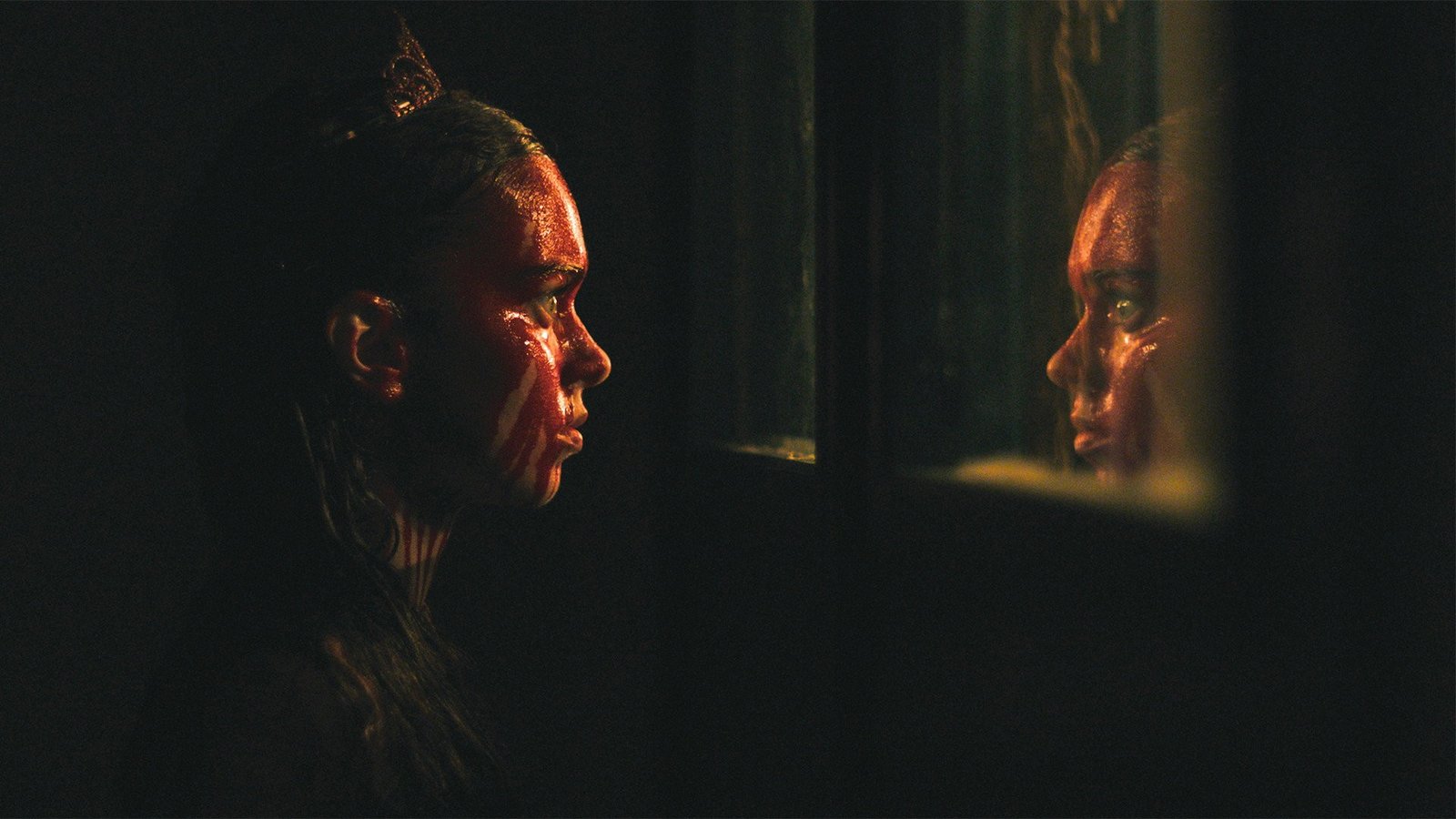
Chris and Billy Nolan (Arthur Conti) get away in Billy’s car, and when Billy tries to run Carrie down, Chris grabs the wheel, a last decent act that saves neither of them. Then Carrie walks home. Margaret bathes her and then tries to stab her, and the house comes down on both of them, close enough to the novel that the change underneath lands hard. Margaret survives because she carries a weaker version of the same gift. The interviews that open every episode turn out to be run by Adelaide (Kate Siegel), and when Margaret admits she could never find that strength again, Adelaide stops her heart and has it staged as a death in her sleep.
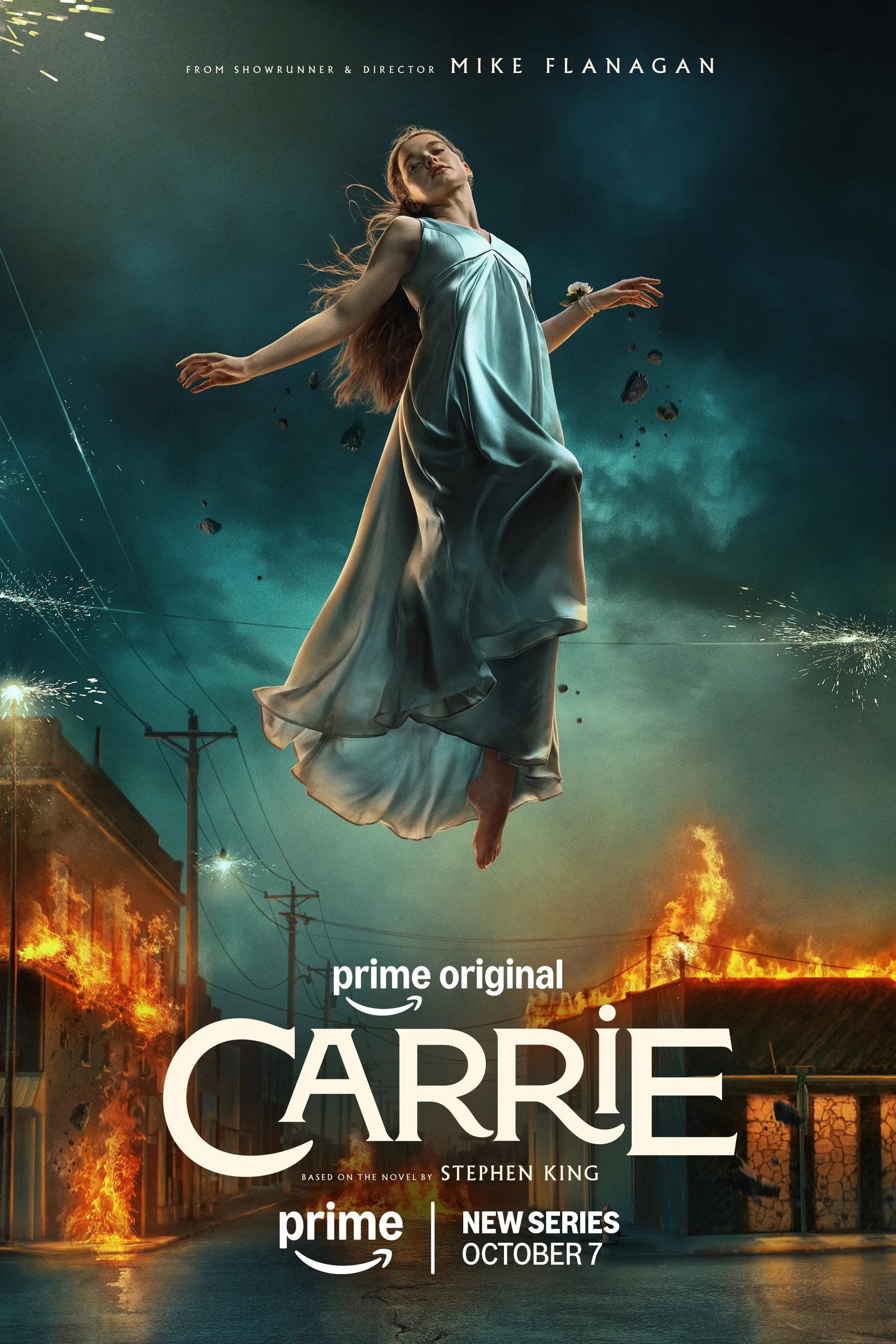
Carrie comes to in a car beside Emaline, who is real after all, an astral projector who had been reaching her from somewhere else the whole time, and the two of them drive out of Chamberlain together. “If this is the end of Summer H. Howell’s tenure as Carrie White, I wanted to send her off into the world we thought she deserved,” Flanagan told Inverse. This is the choice we are least sure about. Collider’s review found that where the series is heading “isn’t nearly as interesting or fresh,” and Meagan Navarro of Bloody Disgusting wrote that it “saves its most radical departures for last, setting up a bizarre continuation not fully earned by the eight-ep first season.”
Flanagan has called three seasons his “dream scenario,” and Prime Video has not renewed the show, so for now the last image is a girl walking away from a burning town into the world she always wanted to see. Sparing her is a defensible kind of tragedy, possibly a braver one, but it trades the ending everyone knows for a mystery the show may never get to solve. On Thursday afternoon the season stood at 84 percent on Rotten Tomatoes across 87 reviews and at 73 on Metacritic from 30 critics, broadly warm, with real reservations about the scares and the last hour. Our read, from the outside, is that Flanagan found the “Carrie” only a decade of phones and lockdown drills could produce, then pulled back, a little, from making it as frightening as the one he was replacing.
What Do You Think? Should Carrie have survived the prom, or does sparing her take the tragedy out of the story? Does building the plot around a gossip account and a crowd of phones make this the right “Carrie” for 2026, or is it the reason the show is not scarier? And would you watch a second season about Carrie and Emaline on the run?
See you on the next binge!