
Superhero movies have a house style by now: big skies, bigger CGI, a third act where a city gets rearranged block by block. So here’s the fun part about DC’s next move: “Clayface” started rolling cameras on October 1, and it isn’t chasing a single beat of that. It’s a horror movie. A genuine, skin-crawling, watch-through-your-fingers horror movie about a man whose body won’t hold its shape. In a genre that mostly plays it safe, that’s a swing worth paying attention to.
Let me set the table. James Gunn’s rebuilt DC Universe has been sold on variety: the promise that not every project has to be a cape-and-tights blockbuster, that there’s room for a war story here, a heist there, and yes, a monster movie lurking in the corner. “Clayface” is that corner made real, and now that it’s actually shooting, we finally know the shape of the thing. Warning: beyond this point there are spoilers for Clayface and the body-horror premise DC Studios has lined up for Matt Hagen’s origin.
It’s a horror movie. A genuine, skin-crawling, watch-through-your-fingers horror movie about a man whose body won’t hold its shape.”
The premise is nastier than you’d guess from the name. Matt Hagen (Tom Rhys Harries) is an actor whose career and face are both falling apart, and in his desperation he turns to a scientist (Naomi Ackie) with an experimental fix. The fix works, and then it keeps working, his body becomes malleable, moldable, clay, and the horror isn’t the power so much as the slow erasure of a fixed self. It’s a Jekyll-and-Hyde story wearing the skin of a body-horror film, the kind of premise that only lands if everyone commits all the way to the discomfort.
For the uninitiated, Clayface is one of Batman’s oldest and saddest rogues, a shapeshifter who has worn a few different faces across the comics, a washed-up horror-movie actor in the earliest version, a small-time performer warped by strange matter in others. The throughline is always tragedy. He’s a monster who used to be a man, someone whose gift is also the thing devouring him. Pulling the character out of Gotham’s rogues’ gallery and handing him a standalone origin is a smart way to mine that pathos without ever needing Batman in the frame.
Which is where the hires get interesting. The script comes from Mike Flanagan, the horror craftsman behind a decade of the genre’s most emotionally literate work, a writer who treats scares as a delivery system for grief rather than an end in themselves. Directing is James Watkins, whose track record runs cold and mean in the best way. Pairing a writer who makes horror ache with a director who makes it bite is not the combination you assemble for a toothless four-quadrant tie-in. Rounding out the cast are David Dencik, Max Minghella, and Eddie Marsan, character actors you hire when you want faces that feel lived-in rather than airbrushed.


Then there’s the number that tells you the most about the whole plan: forty million dollars. In a landscape where comic-book films routinely balloon past two hundred, “Clayface” is being made for a fraction of that, and the restraint is the point. A lean budget forces discipline. It means the movie has to work on craft, tension, and performance instead of a firehose of pixels, and it lets the studio take a genre risk without betting the quarter on it. This is DC behaving like a filmmaker’s shop rather than a factory, at least for one movie.
There’s a bigger current running under this, too. Superhero storytelling has been quietly reaching for other genres to stay fresh, a paranoia thriller here, a heist there, and straight horror is the frontier it mostly hasn’t crossed on the big screen. “Clayface” is DC planting a flag on that ground first. Get it right and it opens a whole lane; the studio has already talked about the movie as a proof of concept for a scarier, stranger kind of comic-book film.
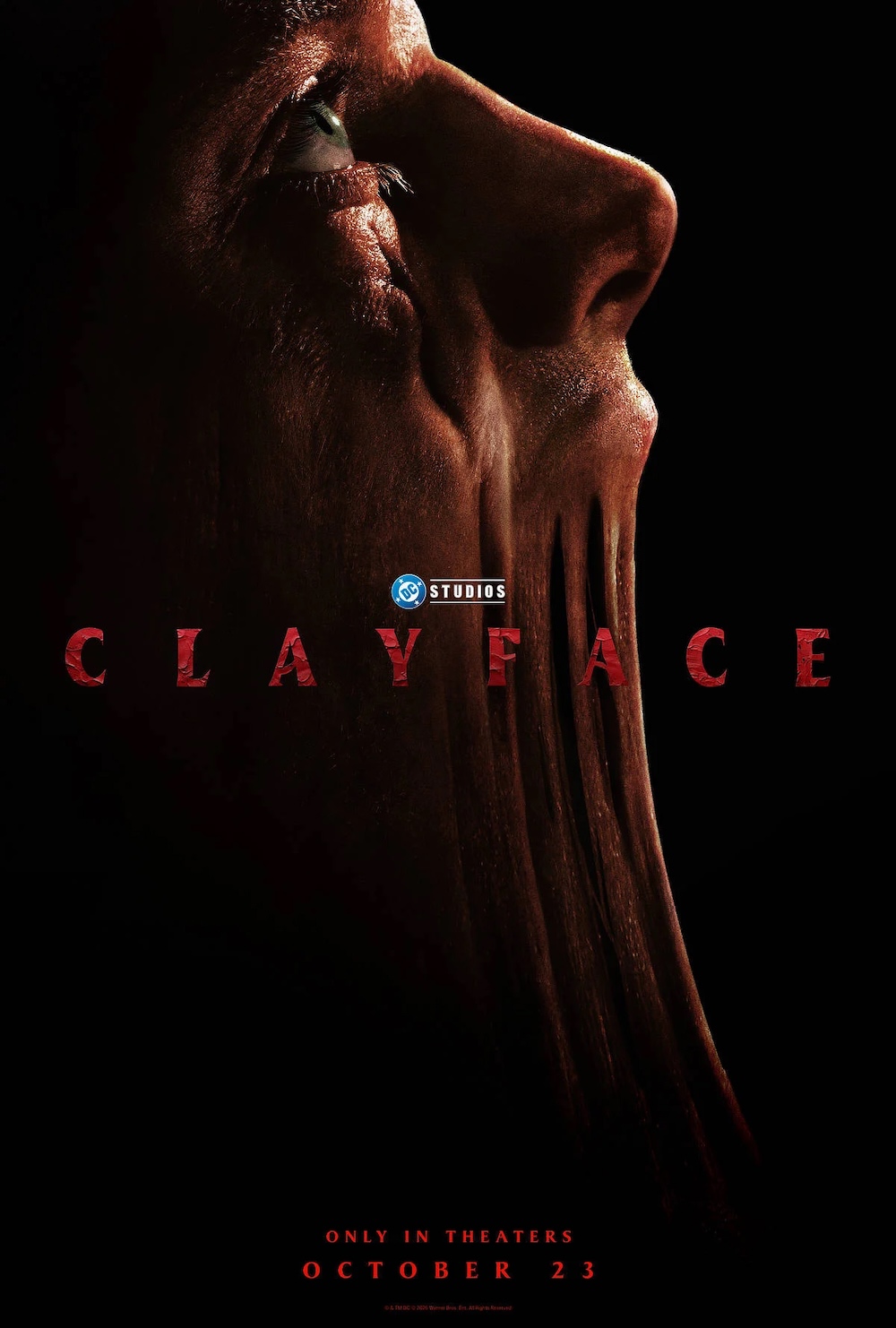
I’ll be honest about why this excites me more than another team-up. The safest thing DC could do right now is crank out interchangeable spectacle and let the logo carry it. Instead they’re handing a lesser-known Batman villain to a pair of horror specialists and telling them to make something that unsettles people. It might not work, body horror is a narrow tightrope, and a superhero label can scare off the exact audience that shows up for a hard R scare. But the ambition is real, and ambition has been in short supply in this genre for a while.
The film slots into Gunn’s “Gods and Monsters” era with a release penciled in for 2026, and it’s meant to prove a thesis: that the DCU can hold more than one kind of movie under its roof. If “Superman” is the hopeful daylight of this universe, “Clayface” is the thing that lives under the floorboards. A shared world is only as interesting as its range, and you don’t get range by making the same movie eight times. For now, the cameras are turning, the cast is set, and the pitch is clear.
What Do You Think? Can a hard-edged body-horror movie actually thrive under a superhero banner, or does the comic-book label scare off the horror crowd it’s built for? Is a lean forty-million-dollar budget the smartest thing about “Clayface,” or a sign DC is hedging its bet on how far audiences will follow the DCU into genre territory? With Mike Flanagan writing and James Watkins directing, does “Clayface” have the pedigree to become the DCU’s first great horror film, or is a shapeshifting Batman villain too tricky to pull off on screen?
Catch up properly: every DC movie and show in chronological order on our Timeline Hub’s DC timeline.
See you on the next binge!