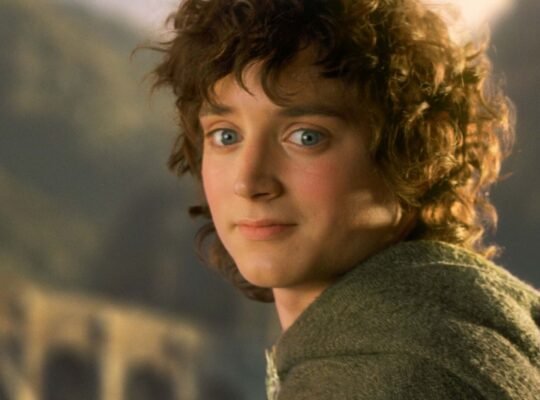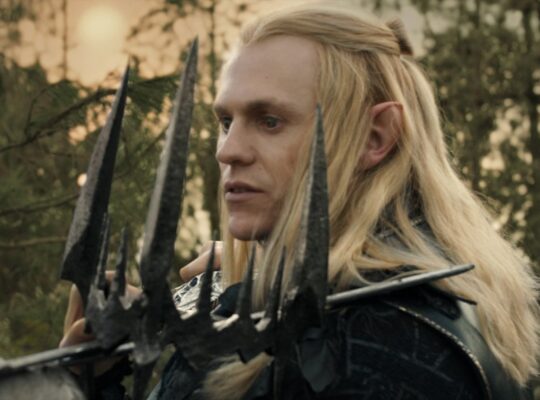
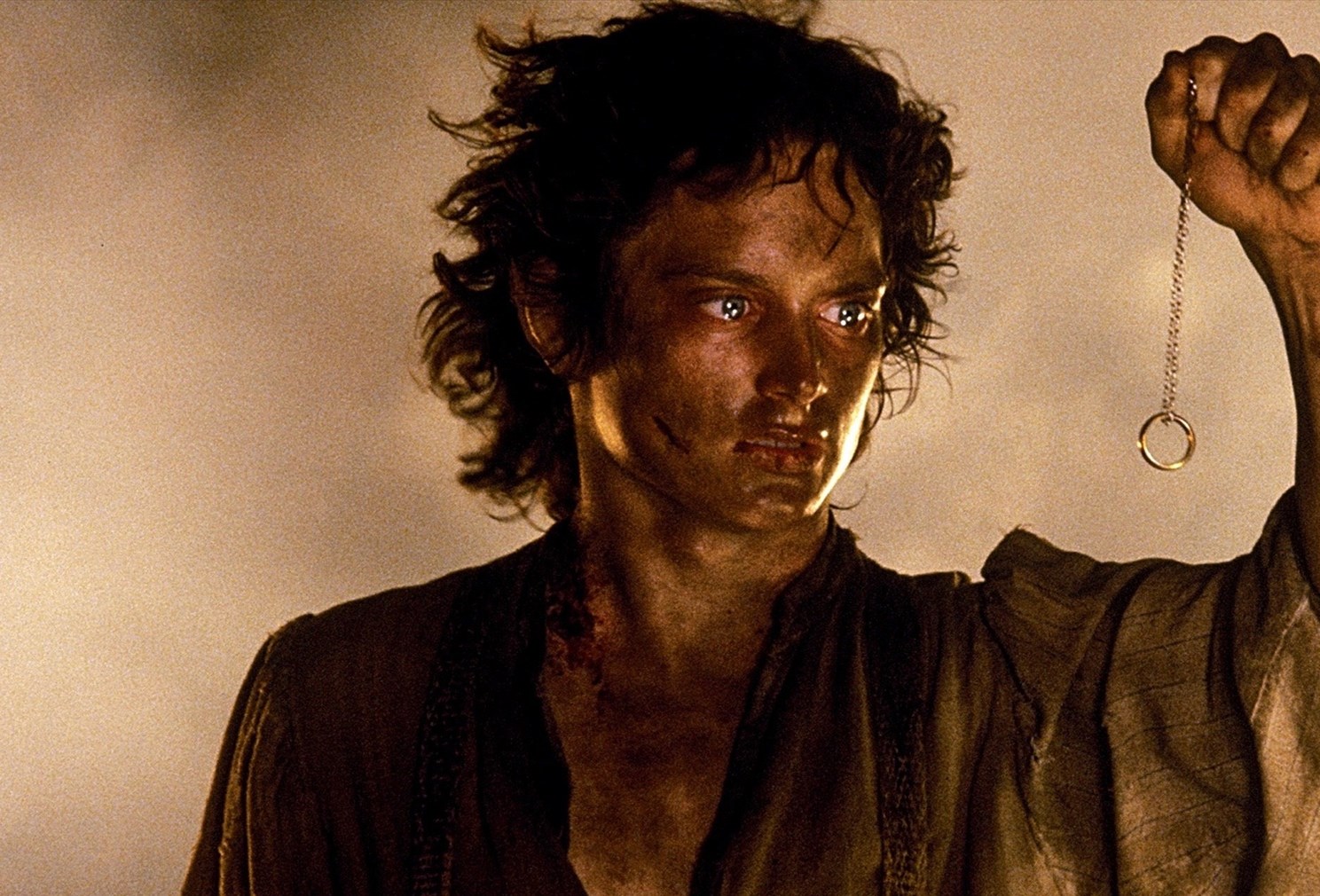
Twenty-five years on, the ring still commands the room. To mark the quarter-century anniversary of “The Fellowship of the Ring,” the extended editions of Peter Jackson’s “Lord of the Rings” trilogy returned to theaters in January, and audiences didn’t just show up, they showed up in numbers big enough to embarrass some brand-new releases. Middle-earth, it turns out, never really left. It was just waiting for the invitation.
The event itself was a fan’s dream. Rather than the shorter theatrical cuts, this re-release put the extended editions on the big screen, the versions with the additional scenes, the deeper character beats, the runtime that swells the trilogy past eleven hours total. Fathom Entertainment and Warner Bros. rolled them out across two waves in January, with premium D-BOX presentations kicking things off and standard screenings following the next week, so fans could pick their poison and settle in for the long haul. Warning: beyond this point there are spoilers for the box-office performance of the Lord of the Rings re-release and what it signals for the franchise.
Middle-earth, it turns out, never really left. It was just waiting for the invitation.”
The numbers are what turned heads. The re-release pulled in around five million dollars in presales alone, with roughly 407,000 tickets sold ahead of time across the three films, Fellowship, Two Towers, and Return of the King each getting its own night. That’s not a nostalgic trickle; that’s a stampede. Most strikingly, the trilogy’s re-release out-earned some fresh theatrical releases in the same window, meaning quarter-century-old films with no new marketing hook beat brand-new movies studios had spent real money promoting. Let that sink in.
Jackson himself sweetened the deal, recording exclusive, lengthy welcome introductions for each of the three extended editions, a personal touch that turned a simple re-screening into something closer to an event, a night out with the filmmaker as your host. It’s the kind of gesture that acknowledges what these movies mean to people, and it clearly worked. Fans didn’t just want to see the films again; they wanted the occasion of seeing them together, in the dark, with a crowd that feels the same way.
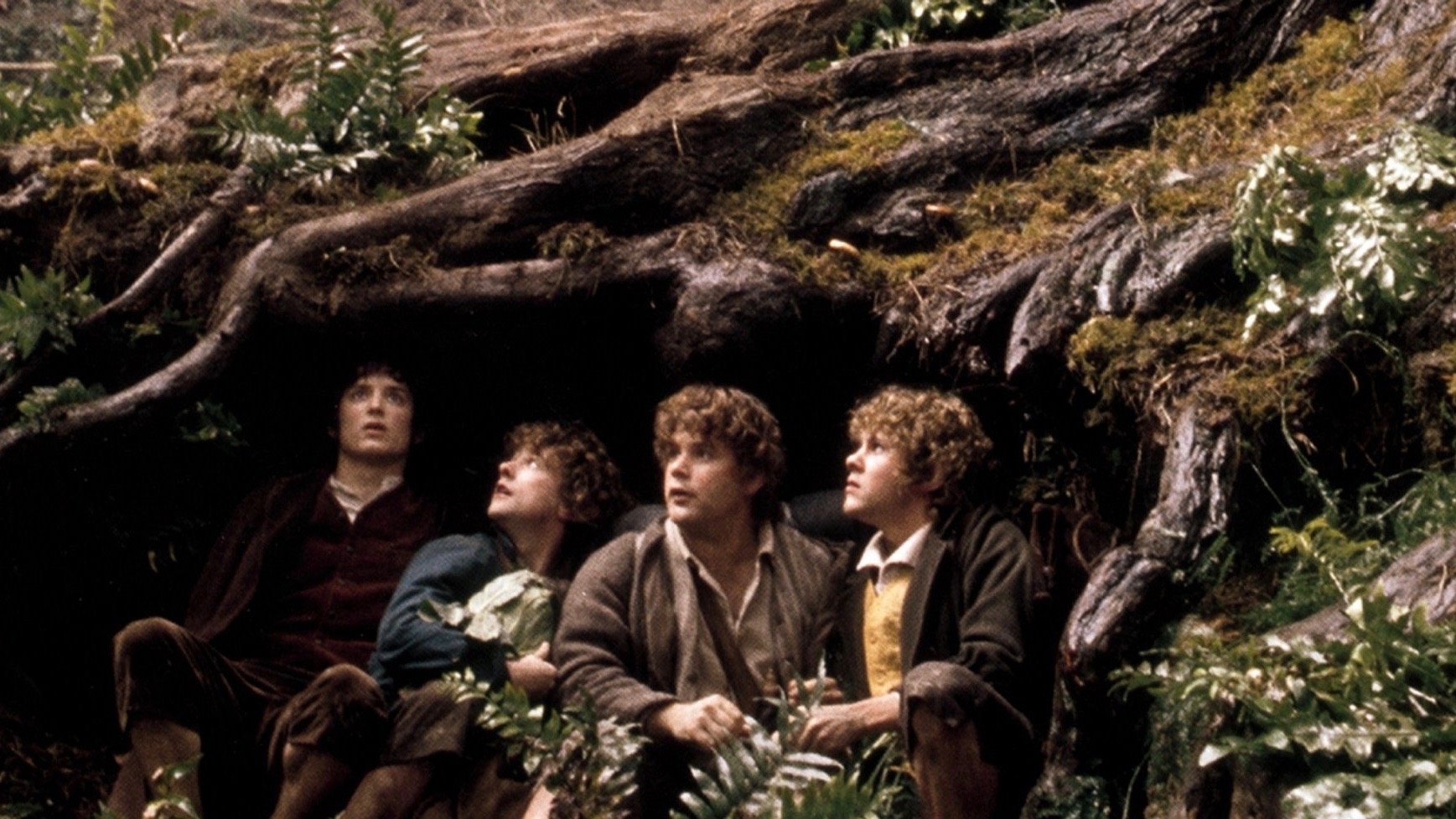
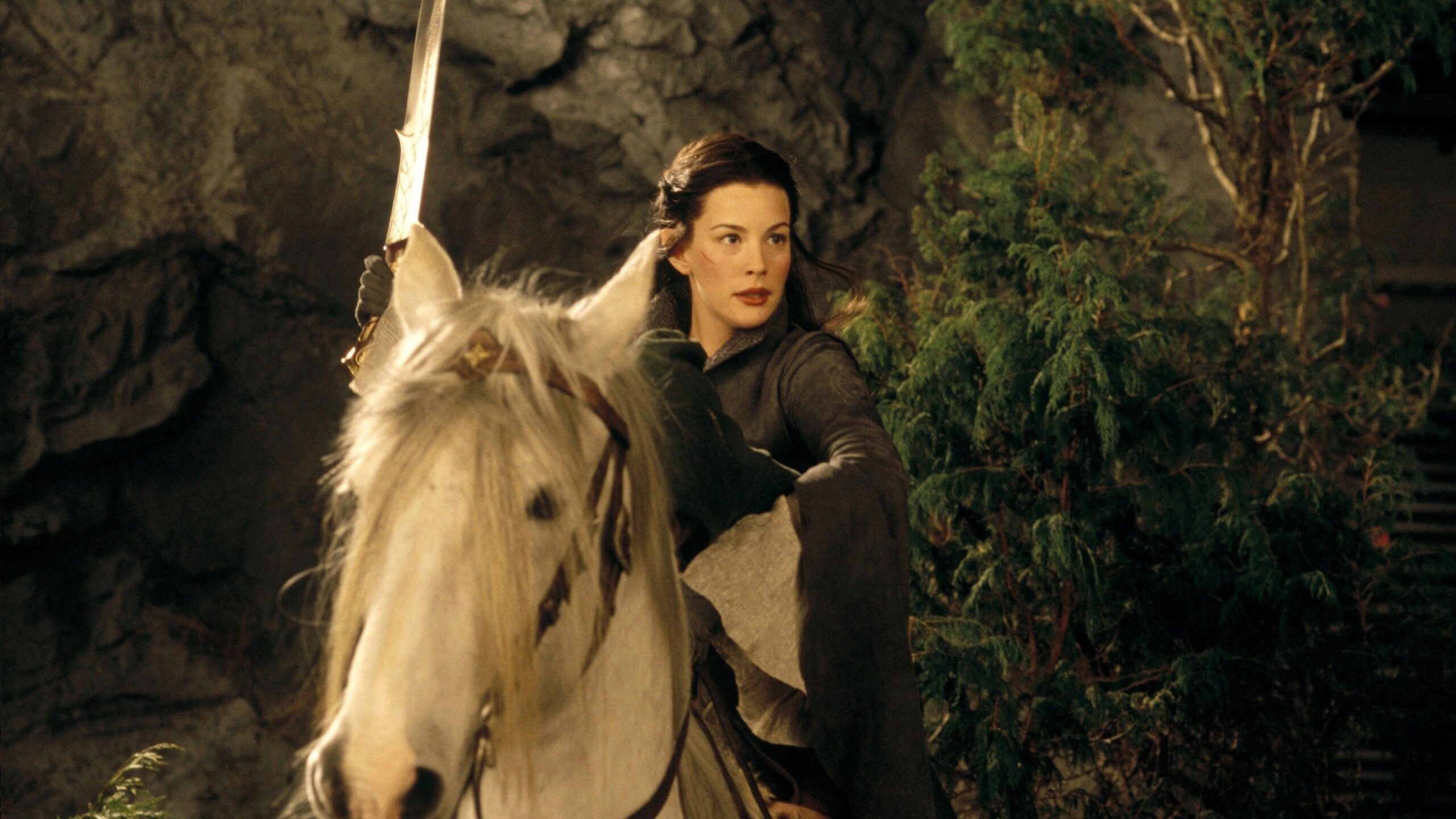
Step back and the box office tells a story bigger than one anniversary. In an era where studios fret constantly about what will actually get people off the couch and into a theater, a set of decades-old fantasy epics just proved that the right event still packs houses. Part of it is the communal magic of experiencing “Lord of the Rings” with hundreds of strangers who gasp and cheer in all the same places. Part of it is simply that these films are that good, timeless in a way most blockbusters aren’t, rewarding the big screen and the big commitment.
The timing is no accident, either. Warner Bros. is in the middle of a full-scale Middle-earth revival, with “The Hunt for Gollum” in the works and a newly announced film joining the slate, and a re-release this successful is exactly the proof of concept the studio wanted. It confirms, in the only language Hollywood truly speaks, that the appetite for Tolkien is not a fond memory but a live, paying audience. You don’t get 407,000 presale tickets for a dead franchise.
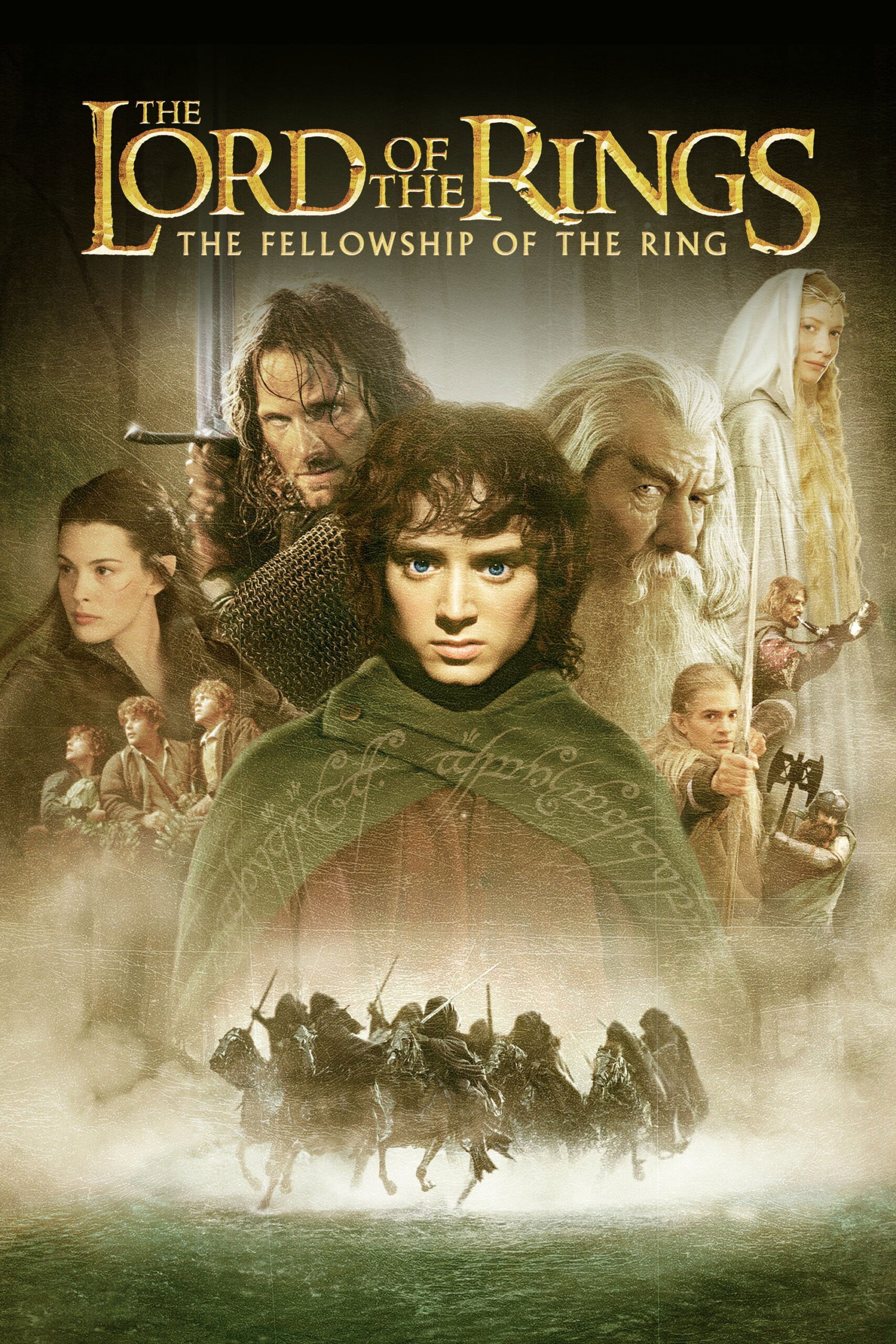
There’s something genuinely heartening in all this, beyond the dollars. It’s a reminder that great filmmaking doesn’t expire, that a trilogy which swept the Oscars a generation ago can still fill theaters on its own merits, no reboot or gimmick required. For younger fans, it was a chance to finally see these movies the way they were meant to be seen. For everyone who was there the first time, it was a homecoming. Either way, the lights went down and Howard Shore’s score swelled and, for eleven-plus hours, it was 2001 all over again.
Middle-earth is back in theaters and back in the conversation, and the box office just wrote the studio a very clear permission slip to keep going. The ring, as ever, has a way of pulling people back. This January, a few hundred thousand of them answered the call, and proved that some journeys are worth taking again and again.
What Do You Think? Does the massive turnout for the “Lord of the Rings” re-release prove that theatrical events are the future of the box office, or is this kind of success unique to a handful of untouchable classics? Are the extended editions the definitive way to watch the trilogy, or do the tighter theatrical cuts still have a case, and which did you catch this January? With this re-release minting money, is Warner Bros. right to keep expanding Middle-earth on the big screen, or does the trilogy’s enduring pull argue for leaving well enough alone?
Catch up properly: every Middle-earth film and series in chronological order on our Timeline Hub’s Lord of the Rings timeline.
See you on the next binge!