
A week after “Supergirl” opened to disaster, the picture has only darkened, with the film shedding a brutal share of its audience in its second weekend and settling in as one of the sharpest superhero drop-offs in recent memory. So it is worth stepping back from the wreckage and asking the real question, the one that matters more than any single weekend’s grosses: what does this actually mean for the future of James Gunn’s DC Universe, and is the sky genuinely falling, or does it just feel that way right now?
Let us establish the damage honestly first, because sugarcoating helps no one. “Supergirl” opened below “The Marvels,” the genre’s byword for failure, on a budget north of $170 million, and then cratered in weekend two, a collapse that all but guarantees a substantial financial loss once marketing is factored in. By any measure, this is a bomb, and it is the second theatrical release of a rebooted universe that was supposed to signal a clean, confident break from DC’s troubled past. The timing could hardly be worse, and the symbolism of it stings even more than the balance sheet. Warning beyond this point there are spoilers for the DC Universe and the fallout from ‘Supergirl’ and the road ahead for DC Studios.
One expensive failure, however painful, does not doom a well-planned universe. What matters is whether it is an aberration or the start of a pattern.”
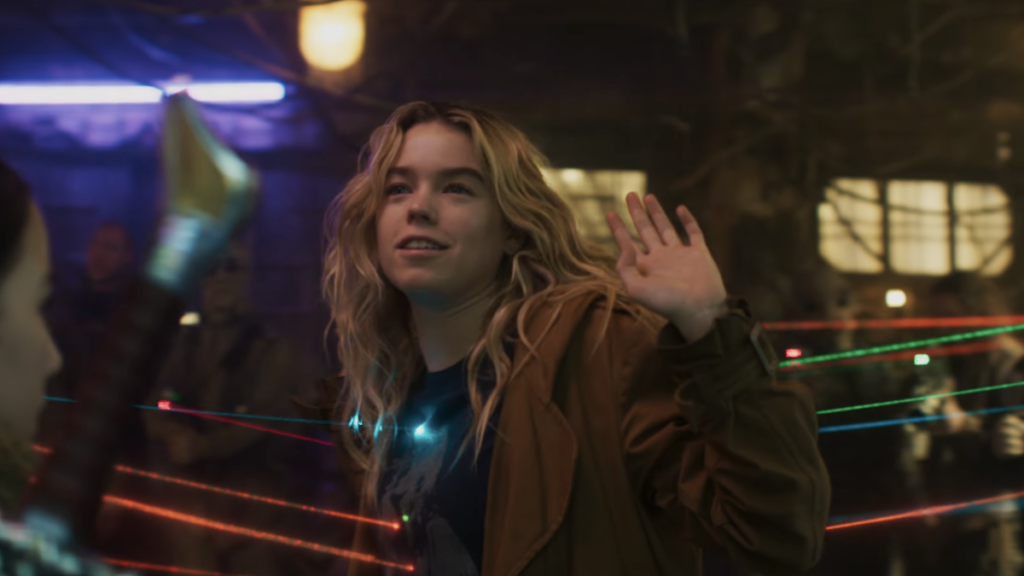
Here is the crucial context the doom-posting tends to skip, though, and it genuinely matters. This is a marathon, not a sprint, and cinematic universes are judged over years and many films, not on a single stumble. The MCU itself, the gold standard everyone measures against, weathered underwhelming entries and rough patches on its long climb to dominance, and no one remembers those wobbles now because the overall trajectory was strong. One expensive failure, however painful, does not doom a well-planned universe. What matters is whether it is an aberration or the start of a pattern, and that story is not yet written. The single most important asset to salvage from this wreck is Milly Alcock, and the good news is that she emerged from it intact. Even the harshest reviews praised her Kara Zor-El, and the consistent narrative was a strong lead trapped in a weak film. That means the DCU has found a genuine star, someone with the presence and charisma to anchor the franchise for years, and star-level casting is far harder to come by than a workable script. The film failed her, not the other way around, and a smart studio builds around a talent like that rather than letting one bad vehicle define her future.
Which brings us to the actual silver lining, the thing that should temper the panic: the DCU’s most important project is already deep in production and looking healthy. “Man of Tomorrow,” the Superman sequel, is reportedly halfway through filming, with executives offering upbeat updates about assembling a Superman family on screen and bringing the wider DC world together. David Corenswet returns as Superman opposite Nicholas Hoult’s Lex Luthor, with the two reluctantly teaming against the superintelligent threat of Brainiac, and Alcock’s Supergirl is set to appear as well, folding her into the flagship narrative regardless of her solo film’s fate.
That detail is the strategic key, and the BR team thinks it is being underappreciated amid the box office funeral. The DCU’s health does not hinge on “Supergirl.” It hinges on “Man of Tomorrow” and the Superman throughline that anchors Gunn’s entire vision, and that project is progressing on schedule with the reboot’s strongest asset, its well-received Superman, back in the cape. If the sequel delivers, it reestablishes momentum and reframes “Supergirl” as a bump in the road rather than a defining collapse. The foundation of this universe was always Superman, not his cousin’s troubled solo debut.
None of that erases the real problems “Supergirl” exposed, and pretending otherwise would be the false-confidence nonsense we try to avoid. The reviews cited bad writing, uninspired visuals, and a whiff of the “bad old days” the reboot was meant to bury, and those are execution failures the studio has to reckon with honestly. A great lead and a promising Superman sequel do not automatically fix whatever process allowed a $170 million film to turn out this poorly received. The DCU needs to diagnose what went wrong here, not just point hopefully at the next release and cross its fingers.
The broader genre context matters, too, and it cuts both ways. Superhero fatigue is real enough that audiences no longer turn out on brand loyalty alone, which is precisely why “Supergirl” could open below “The Marvels” despite a beloved character and a rising star. But that same selective audience still shows up in force for superhero films they actually want to see, which means the genre is not dead so much as demanding. The lesson for the DCU is not that capes are finished. It is that quality and word of mouth are now non-negotiable, and there is no coasting on a logo anymore.
So where does this leave us, honestly? The DCU has taken a real and expensive hit, one that punctures the reboot’s early confidence and hands its skeptics ammunition, and it would be dishonest to wave that away. But it retains its foundational Superman, a star-making Supergirl performance worth building on, and a flagship sequel already halfway shot and reportedly going well. The universe is bruised, not broken, and the difference between those two states will be settled not by “Supergirl’s” grosses but by whether “Man of Tomorrow” and the projects after it can deliver on the reboot’s original promise.

Our advice to fans anxious about the DCU’s future is patience with clear eyes. Do not let one bad weekend convince you the whole enterprise is doomed, because that is not how cinematic universes rise or fall, and the pieces that matter most are still in place and moving forward. But do not dismiss the warning “Supergirl” delivered either, because it proved that vision and casting alone cannot save a poorly executed film. The road ahead is long, the next steps are the ones that count, and the DCU’s real test was never going to be Kara Zor-El. It was always going to be what comes next.
The house of El took a hard fall this summer, but the foundation of Gunn’s universe is Superman, and Superman is already back at work on the next chapter. That is the fact worth holding onto as the “Supergirl” postmortems pile up. One film failed, spectacularly and expensively, but the story of whether the DCU succeeds or joins DC’s long history of false starts is only just beginning to be told. We will be watching “Man of Tomorrow” very closely, because that, not this, is the film that will decide which way the wind is really blowing.
What Do You Think? Is “Supergirl’s” collapse a survivable bump on a long road or the first real crack in James Gunn’s DCU? Should DC Studios keep building around Milly Alcock’s Kara despite her solo film’s failure, or has the character been damaged? And does the health of “Man of Tomorrow” mean the reboot’s future was never really riding on “Supergirl” in the first place?
Catch up properly: every DC movie and show in chronological order on our Timeline Hub’s DC timeline.
See you on the next binge!