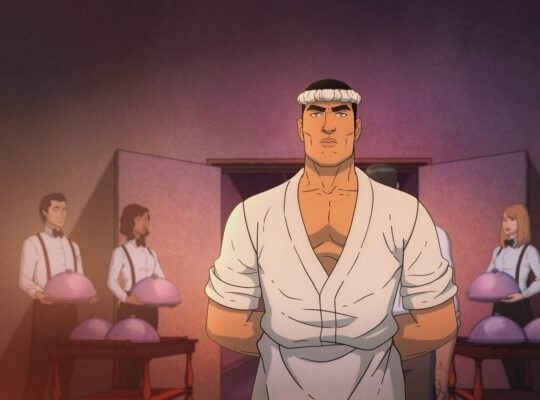
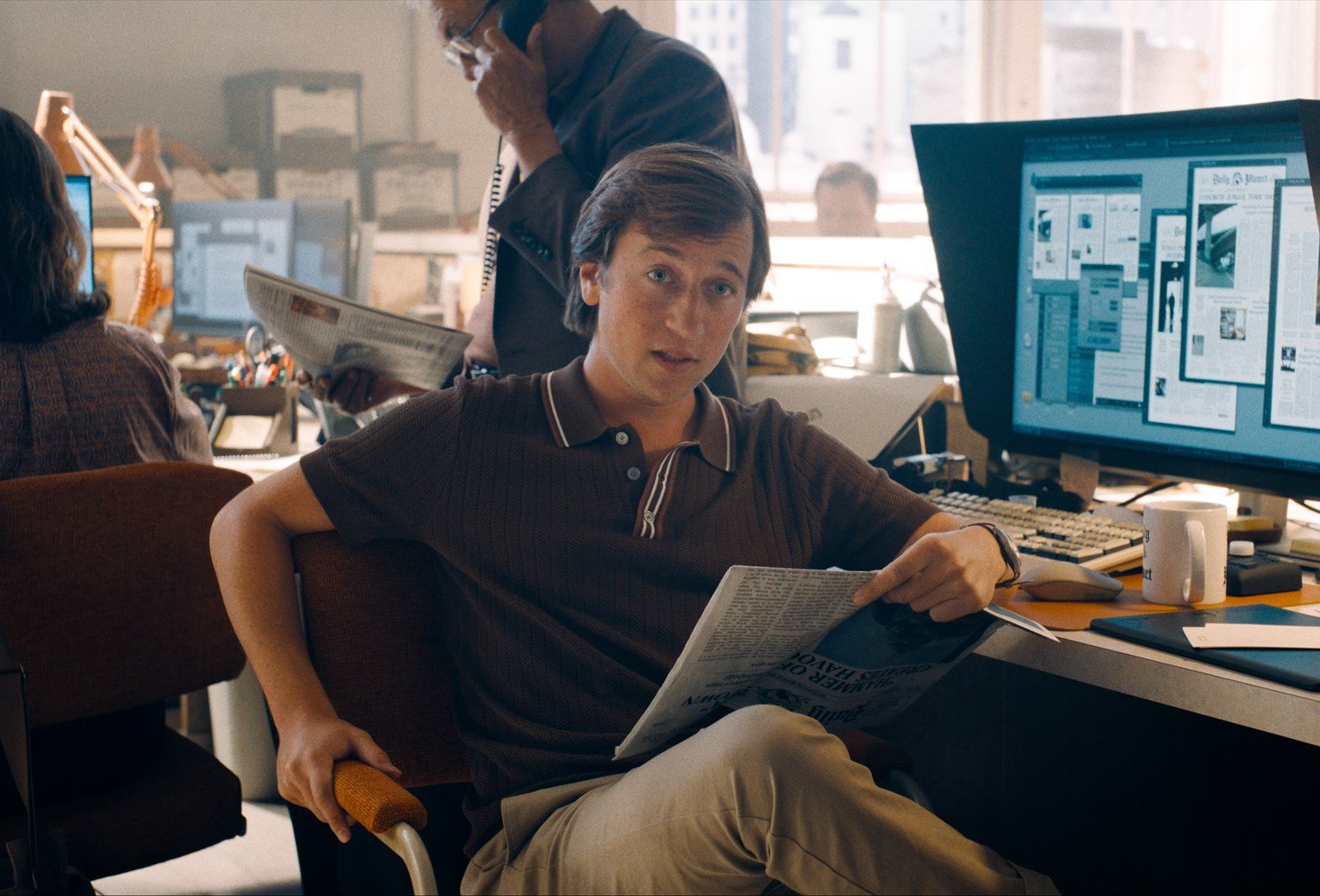
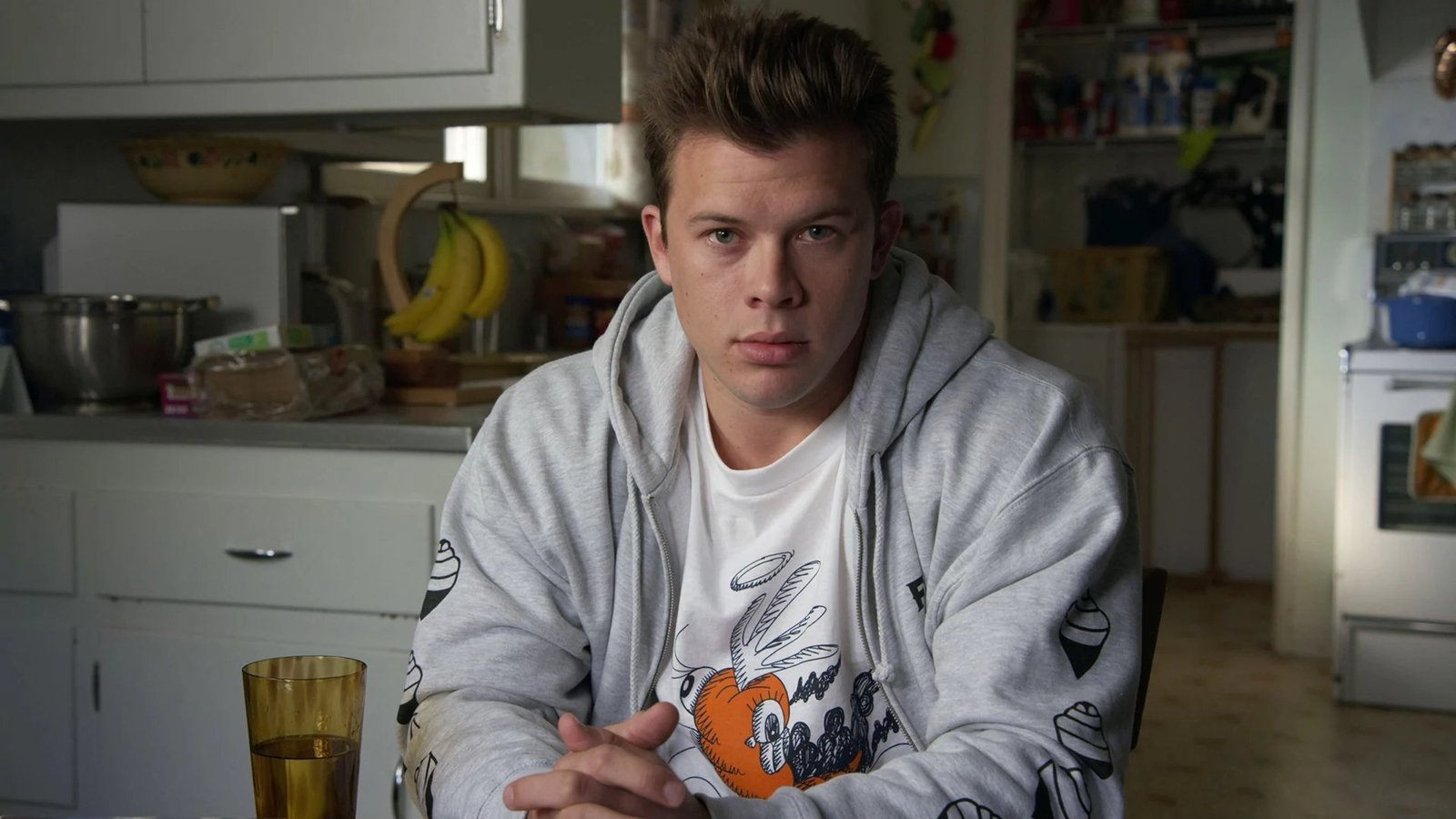
DC Studios just greenlit a show about a gorilla who ate his father, and it is going to be canon. HBO Max has handed an eight-episode, straight-to-series order to “The People v. Gorilla Grodd,” a half-hour true-crime parody in which the Daily Planet’s Jimmy Olsen (Skyler Gisondo) points a camera at one of Metropolis’ most notorious murder trials and asks whether the convicted ape actually did it. James Gunn and Peter Safran are executive producing, so this is not a side project or an Elseworlds curio parked safely outside the main story. It sits in the same continuity as “Superman” and “Lanterns,” and nobody at DC seems remotely embarrassed about that.
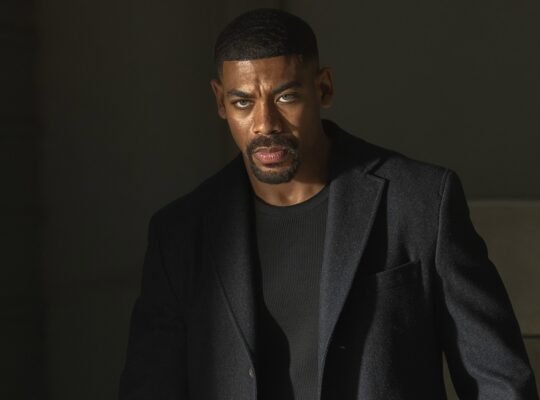
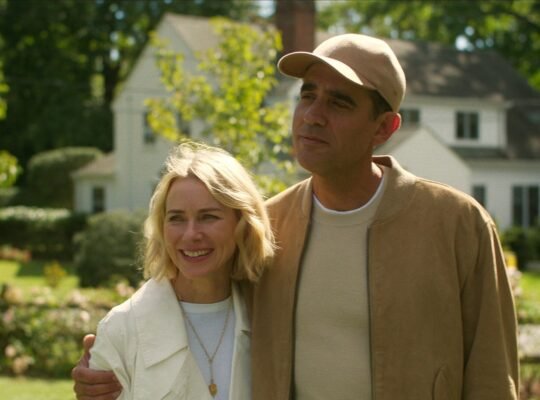
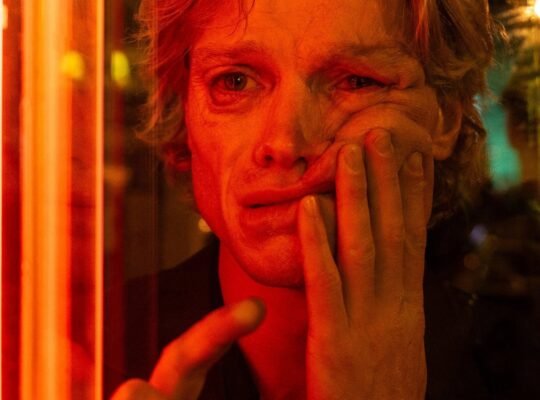
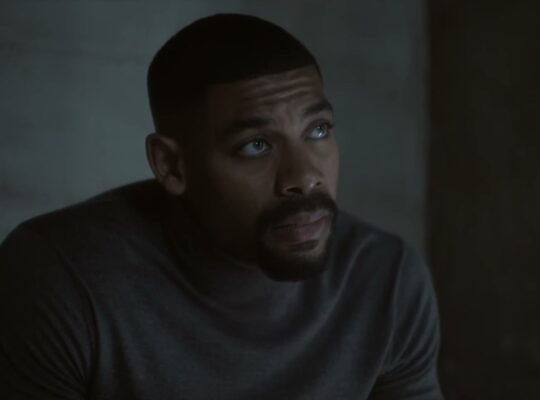
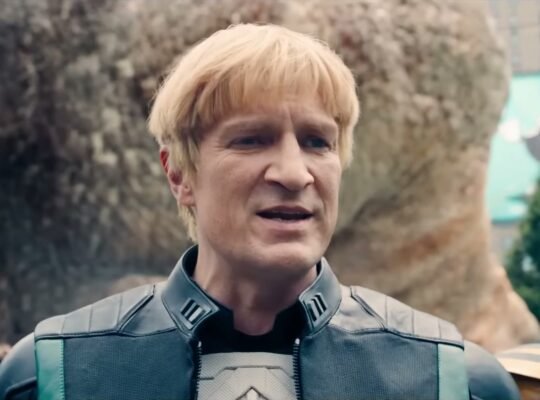
The specifics are as straight-faced as the premise is ridiculous. Gorilla Grodd (Jimmy Tatro) stands convicted of killing his father, the King of Gorilla City, and the series runs eight half-hour episodes built as a “true” crime docuseries, scare quotes included in DC’s own logline. Tony Yacenda directs all eight of them. Three actors from last year’s “Superman” return in their roles alongside Gisondo, with Perry White (Wendell Pierce), Steve Lombard (Beck Bennett) and Cat Grant (Mikaela Hoover) turning the Daily Planet bullpen into the show’s supporting cast. Mary Holland, Eduardo Franco, Arian Moayed, Andrew Leeds and Tim Baltz are aboard as well, though DC has not said who a single one of them is playing.
DC Studios just greenlit a show about a gorilla who ate his father, and it is going to be canon.”
The names in the credits are the reason this is more than a punchline. Yacenda and Dan Perrault created “American Vandal,” the Netflix mockumentary that spent an entire season investigating who spray-painted crude drawings on twenty-seven cars in a high school faculty parking lot, and played it with the exact visual grammar of “Making a Murderer.” Talking heads, grainy phone footage, dramatic reconstructions, cliffhanger act breaks, all of it deployed with total sincerity in service of the dumbest possible crime. It won a Peabody Award. It sits at 98 percent on Rotten Tomatoes across both seasons. Netflix cancelled it in October 2018 anyway, and in the years since, those two have been the people everyone points at whenever a prestige documentary starts taking itself too seriously.
Here is the detail that turns this from a gimmick into something genuinely clever, and almost nobody is leading with it. Jimmy Tatro, now voicing Grodd, starred in the first season of “American Vandal” as Dylan Maxwell, the loud, dim, endlessly punchable teenager the whole season was built around either exonerating or condemning. Eight episodes asked one question: did this idiot actually do it? Now the same two writers have cast the same actor in the same structural slot. Eight episodes again, one question again, except this time the defendant is a telepathic ape accused of eating his own father. The production even shot in Georgia this summer under the working title “American Villain.” They are not hiding the joke, they are signing their name to it.
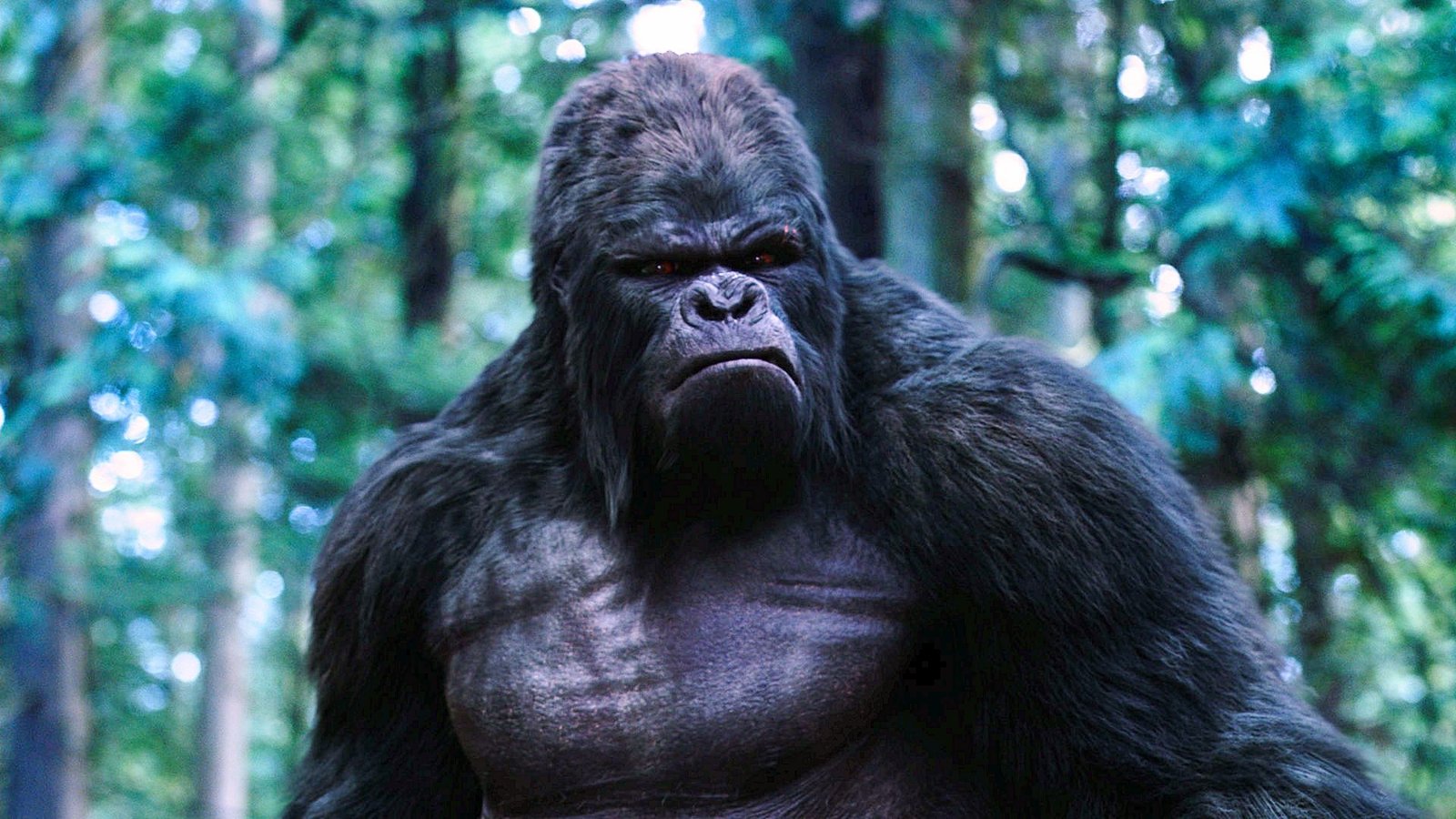
The part most of the coverage is skipping is that DC did not invent the crime. In Grodd’s New 52-era origin, he took the throne of Gorilla City by killing his father in ritual combat and then eating his brain to absorb everything the old king knew, which is a genuinely grim piece of comics lore that the show has quietly repackaged as a courtroom scandal. The rest of the setup is doing work too. Grodd debuted in “The Flash” #106 in May 1959, created by John Broome and Carmine Infantino, and he has been a Flash villain ever since. Gorilla City and its ruler Solovar belong to Barry Allen’s corner of the DC map, not Superman’s. Dropping Grodd into the Daily Planet is a deliberate crossover, not a homecoming, and it is a slightly strange choice to make with a character this size.
Jimmy Olsen headlining a comedy is not the stretch it might sound like either. He carried his own book, “Superman’s Pal, Jimmy Olsen,” from 1954 all the way to 1974, and it is remembered now for turning him into a giant turtle creature, a werewolf, a genie and Elastic Lad, occasionally within a few issues of each other. More usefully, Matt Fraction and Steve Lieber ran a twelve-issue revival across 2019 and 2020, collected as “Who Killed Jimmy Olsen?”, and it was a murder-mystery farce that critics adored. A true-crime parody built around Jimmy is close enough to that run that the show almost reads as an adaptation of its energy, if not its actual plot. If you wanted evidence DC has thought about this longer than a weekend, that is it.
Grodd has also been sitting in this universe for a while, waiting for someone to use him. He appeared in a vision in episode four of “Creature Commandos,” allied with the Pokolistan army and offering up his mind control, which readers correctly took at the time as a plant for something bigger. Gunn says the show goes back further than that. Announcing it himself on X, he wrote that “along with Lanterns, this was one of the shows Peter and I pitched to WBD before we came on board,” which puts the pitch in front of Warner Bros. Discovery before he and Safran were even running the studio. He also called it DC’s “first foray into the true crime genre,” which is the accurate claim, whatever you read elsewhere about this being the DCU’s first comedy. “Peacemaker” got there years ago and it is not close.
What nobody has is a release date. HBO Max announced the order, the title and the cast, then stopped, and the 2028 launch being passed around online is an outlet doing arithmetic on the filming schedule rather than anything DC has actually said. That gap is worth flagging, because this lands at a genuinely awkward moment for the DCU. We have written more than once this year about the pressure the universe has been under since “Supergirl” underperformed, and the answer, apparently, is an eight-part mockumentary about ape court. That is either a studio confident enough to be silly in a quiet corner of its own map, or a studio changing the subject. We would take either one over another origin story, and the “American Vandal” guys have earned enough credit to find out which.
What Do You Think? Is putting a Flash villain on trial inside a Superman show a smart way to widen the DCU, or does Grodd deserve a straight introduction before he becomes the butt of the joke? Can the “American Vandal” format survive a jump to a universe where mind control is real and presumably admissible in court? And if Grodd walks, or if he stays convicted, does DC leave itself any room to use him as a serious threat later?
Catch up properly: every DC movie and show in chronological order on our Timeline Hub’s DC Multiverse timeline.
See you on the next binge!