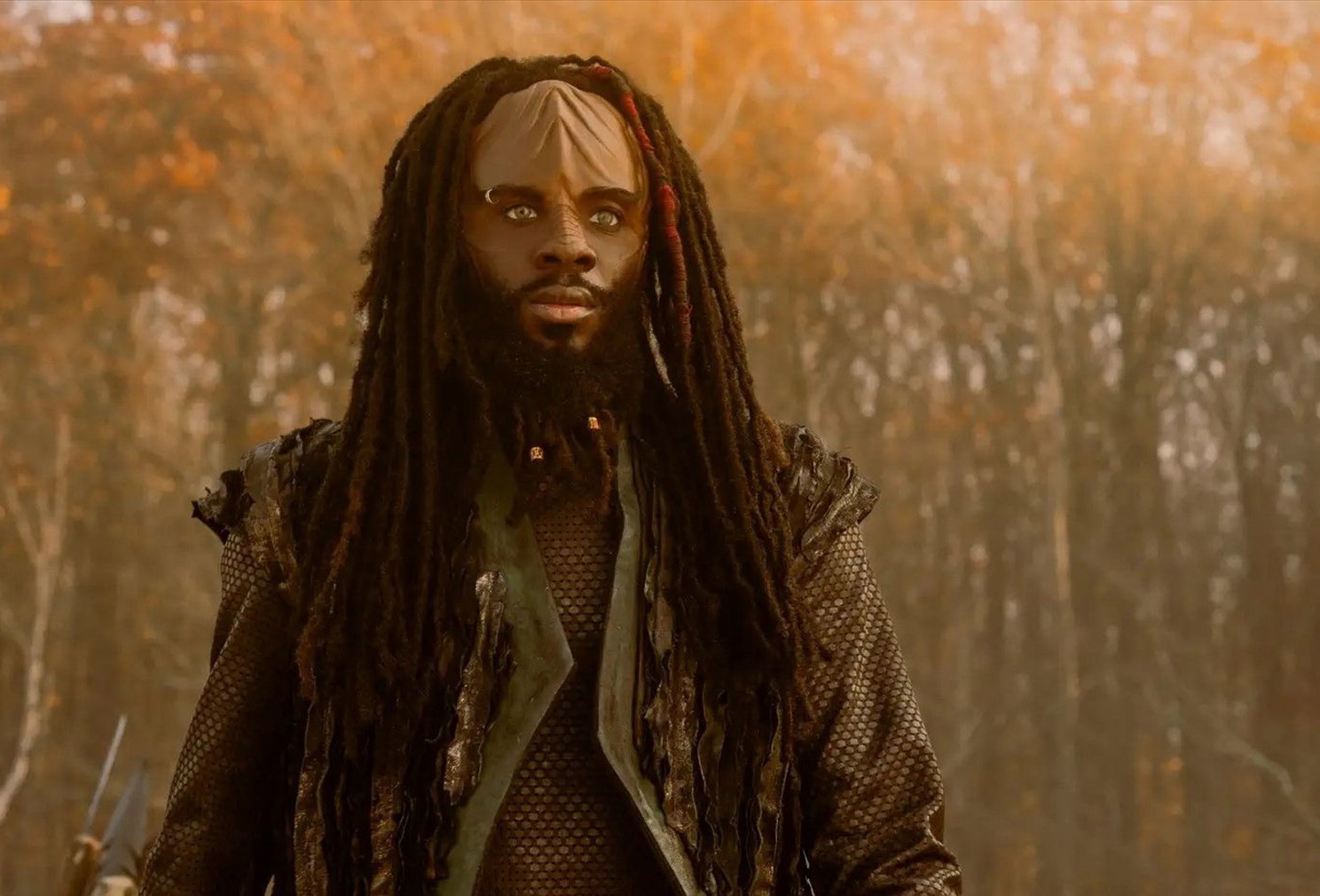
Star Trek has handed us captains, first officers, engineers, and even the beautifully doomed nobodies of the lower decks. In sixty years, though, it never once sat us down in the classroom and made us do the homework. That changes now. “Star Trek: Starfleet Academy” warped onto Paramount+ this week, a coming-of-age drama built to mint an entire new generation of fans, and it managed to do two things at once, launch a genuinely ambitious series and walk face-first into a fandom civil war. This is the boldest swing the modern Trek machine has taken in a while, and the reaction has been anything but calm.
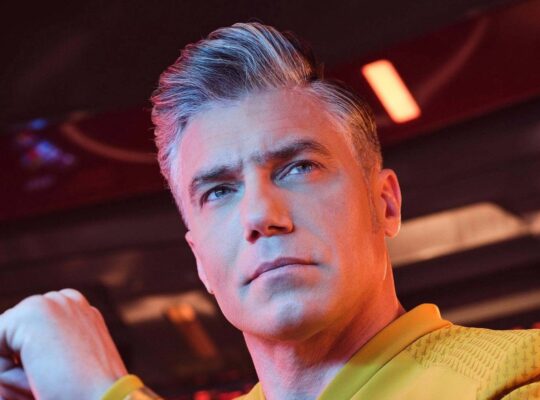
The premiere dropped two episodes out of the gate, with the remaining eight rolling out weekly through the middle of March. It plants itself in the 32nd century, the same distant future the mothership series “Star Trek: Discovery” spent years building, and follows the first new class of Starfleet cadets in over a century as they train aboard the USS Athena, docked at the rebuilt San Francisco campus. The pitch is unapologetically young, all first crushes and impostor syndrome and idealism getting tested by reality. Holly Hunter anchors the whole thing as Chancellor Nahla Ake, the steely academy leader, while Paul Giamatti lurks as recurring antagonist Nus Braka. Robert Picardo returns as the Doctor from “Star Trek: Voyager”, and Tig Notaro and Oded Fehr reprise their “Discovery” roles to stitch it into the larger tapestry. Alex Kurtzman and Noga Landau run the show from a concept by creator Gaia Violo. Warning: beyond this point there are spoilers for “Star Trek: Starfleet Academy” and its place in the 32nd-century era of the franchise.
In sixty years, Star Trek never once sat us down in the classroom and made us do the homework. That changes now.”
Let us start with the smartest thing this show did, which was hiring Holly Hunter. Handing an Academy Award winner the keys to a Star Trek series is a statement of intent, and she plays the chancellor with exactly the kind of flinty warmth the role demands, a leader who clearly loves these kids and would still absolutely wash them out if they failed the people around them. She gives the whole enterprise a gravity that a cast of unknowns could never have manufactured on their own, and every scene she is in immediately feels more important. Whenever the show threatens to tip too far into teen-drama froth, Hunter yanks it back to something with real weight.
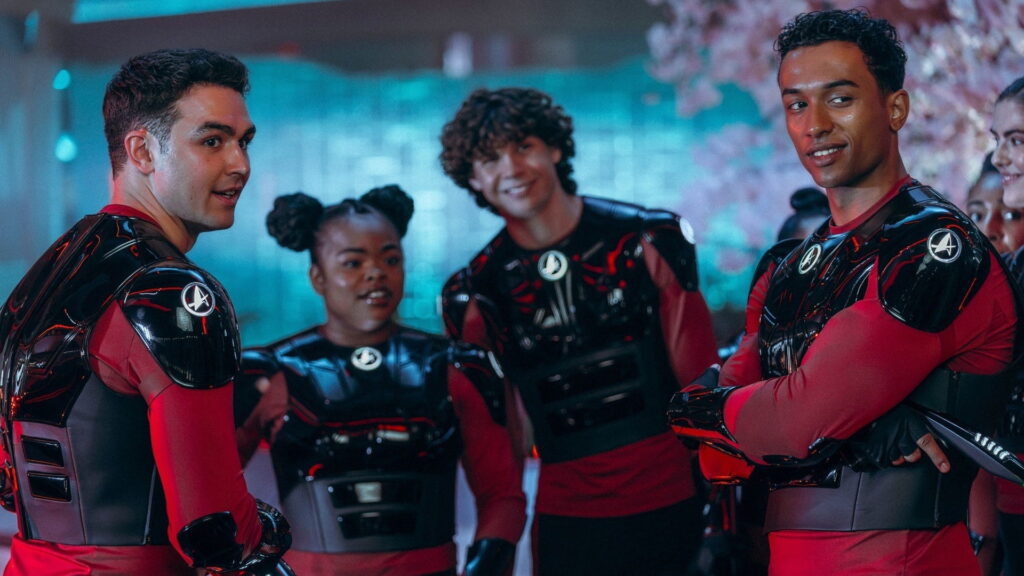
The pivot toward youth is the entire point, and you can feel the Kurtzman brain trust making a calculated bet on the future here. Trek has an aging, fiercely loyal audience, and a show built around wide-eyed cadets is a transparent attempt to grow a new one. The ensemble of young officers-in-training is diverse, earnest, and stumbling through the exact kind of coming-of-age beats you would expect, and when it works, it taps into the same optimistic core that made the franchise matter in the first place. The Academy has always been the beating idealistic heart of this universe, the promise that a better future gets built one hopeful recruit at a time. Centering a whole series on that promise is, on paper, one of the more Star Trek ideas anyone has had in years.
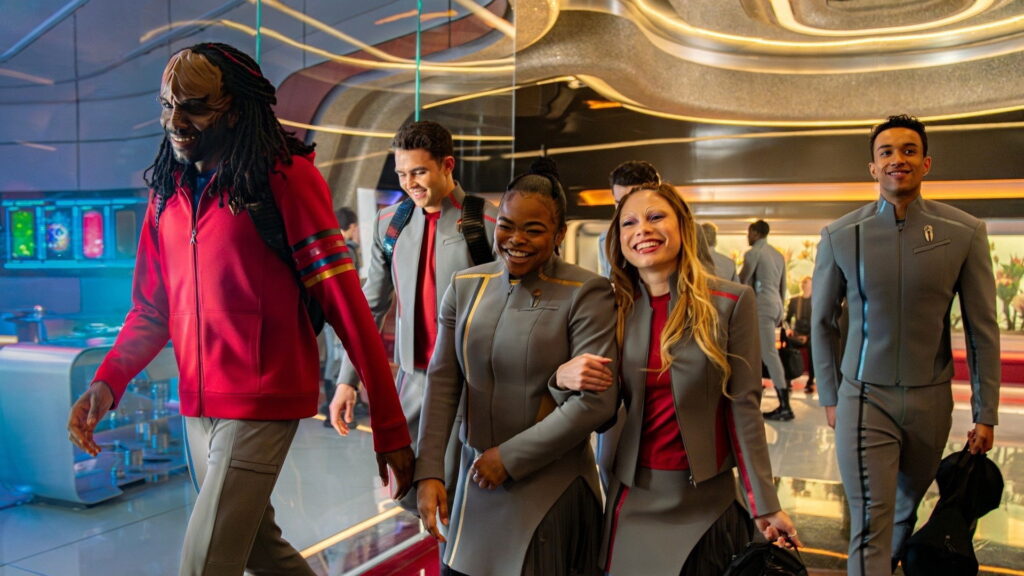
For the veterans, the show sprinkles in enough connective tissue to reward the faithful. Picardo slipping back into the Doctor is a genuine delight, a warm bridge to the Voyager era that lands even harder than we expected. The 32nd-century setting means “Discovery” fans get a familiar sandbox, and Giamatti chewing scenery as the looming threat gives the season an actual antagonist to build toward. There is a real effort here to make this feel like part of the family rather than a spinoff shoved off in a corner, and for the most part that effort pays off.
And then there is the noise. Critics have largely embraced the series, with the reviews landing in solidly positive territory in the mid-eighties, but the audience conversation curdled almost the instant the episodes went live. Certain corners of the internet launched a coordinated review-bombing campaign, hammering the show over its diverse young cast and progressive framing under the usual tired banner of complaints about it being too “woke.” It is a depressingly familiar story at this point, the same organized outrage that greets nearly every franchise property with a cast that reflects the actual world. Whether any of that reflects the quality of what is on screen is a separate question entirely, and we would gently suggest it does not. Star Trek has been aggressively, unapologetically progressive since a Black woman sat on the bridge of the Enterprise in 1966. Pretending that is some new betrayal is a bad-faith argument wearing a Starfleet badge.
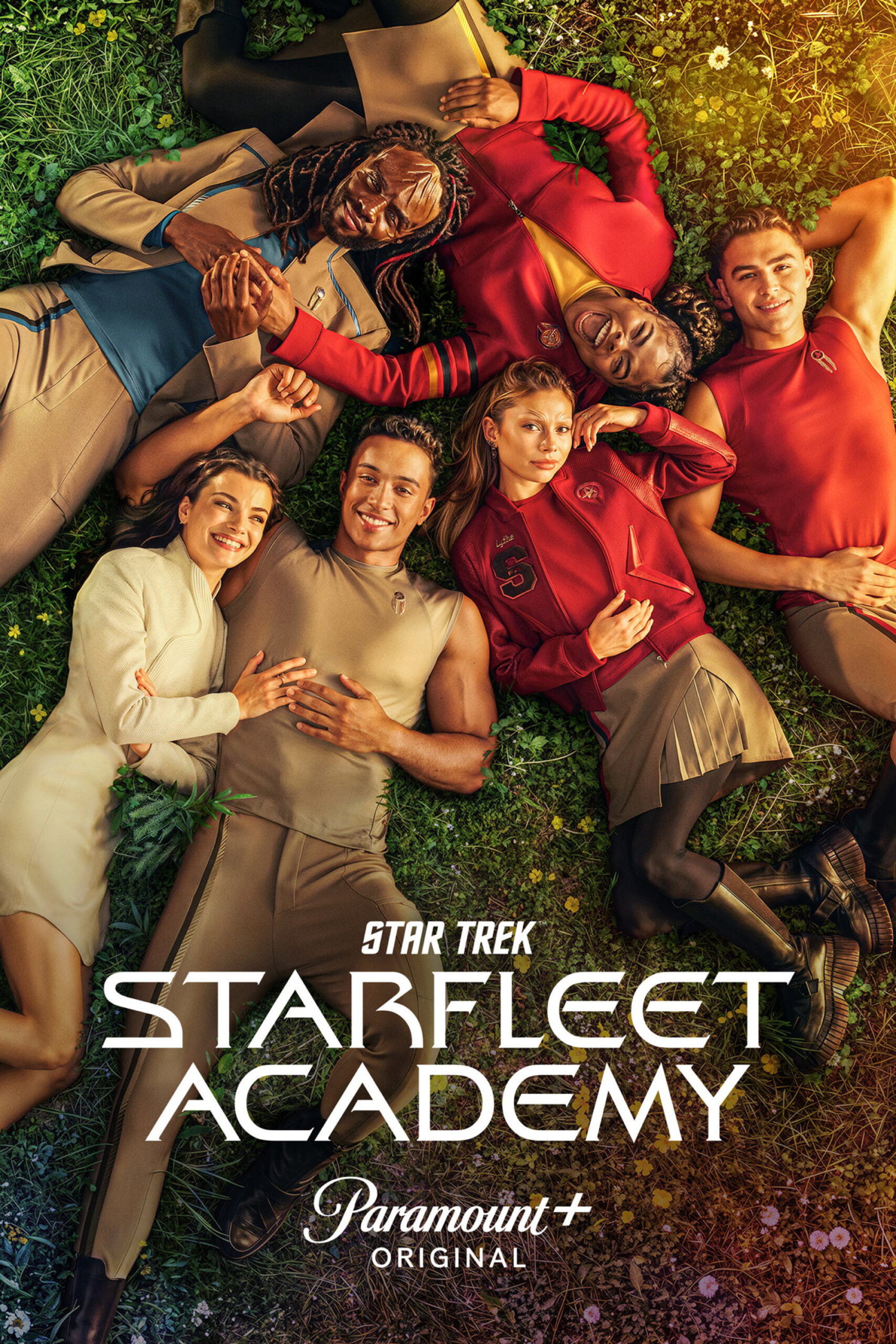
What matters more is whether the show can actually convert its ambition into staying power. A coming-of-age Trek series lives or dies on whether we come to care about these specific cadets, and two episodes is not enough to know if this ensemble has the chemistry to carry a franchise on its back. Hunter and the returning legacy players give it a floor of quality, but the ceiling depends entirely on the kids. If the writers can make us love this crew the way we loved the ones who came before, Paramount will have pulled off the rarest trick in the business, handing a decades-old institution to a new generation without breaking it. If they cannot, this becomes another well-meaning experiment the loud corners of the fandom will claim as a scalp. For now, the Academy doors are open, and class is very much in session.
What do you think? Can a coming-of-age series centered on cadets grow the new audience Star Trek clearly needs, or does the franchise’s future belong on the bridge with seasoned officers? How much does the return of familiar faces like the Doctor actually matter to newcomers who have never watched a single episode of Voyager? And will the organized backlash aimed at the cast have any real effect on the show’s survival, or is that noise ultimately just noise?
Catch up properly: every Star Trek series and movie in chronological order on our Timeline Hub’s Star Trek timeline.
See you on the next binge!