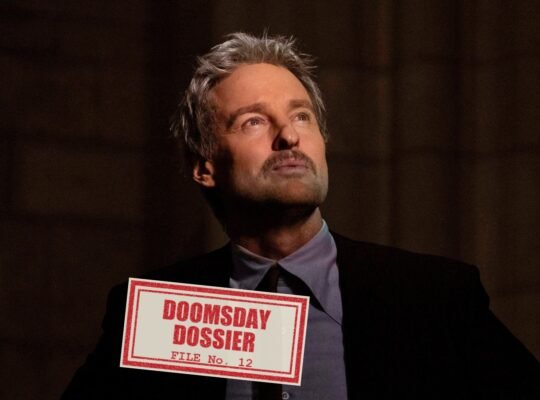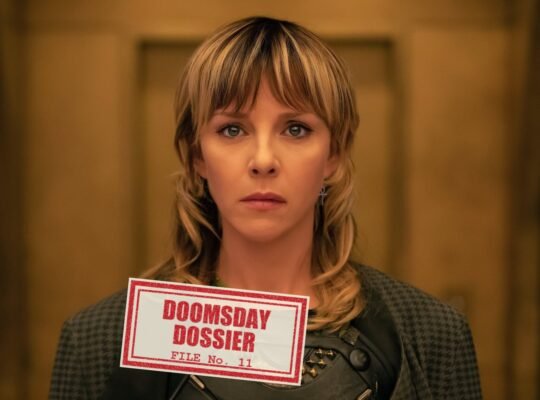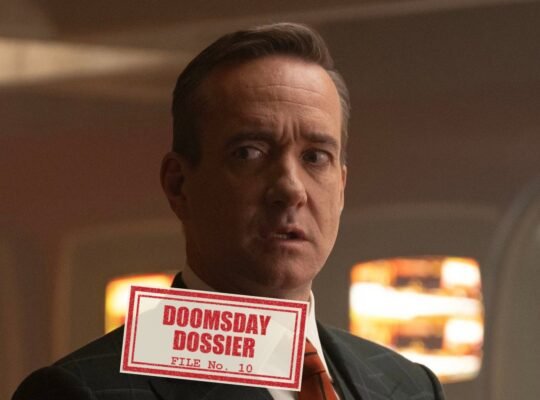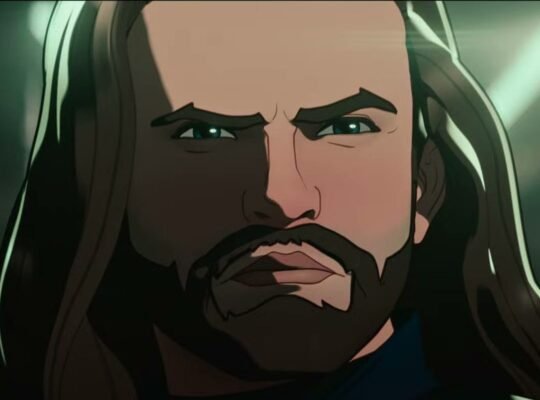
Marvel uses the word “variant” for at least four different things. It can mean a person who took a different path or an actor in a familiar costume. It can mean a double from the past or a hero who inherited someone else’s title. The studio almost never says which one it means. That matters now, because “Avengers: Doomsday” arrives on December 18th and outlets are already asking whether Doctor Doom (Robert Downey Jr.) is a variant of Tony Stark.
Here is a guide to the ideas hiding inside that one word. A variant is defined by a choice, not by a face. Hold onto that and most of the confusion clears up. Warning beyond this point there are spoilers for “Loki,” “Doctor Strange in the Multiverse of Madness,” “Deadpool & Wolverine,” “X-Men: Days of Future Past,” “Spider-Man: No Way Home,” “The Falcon and the Winter Soldier,” “Avengers: Endgame,” “What If…?” and “Ant-Man and the Wasp: Quantumania”.
A variant is defined by a choice, not by a face.”
Start with the show that made the word famous. Slashfilm describes variants as deviations from the Sacred Timeline, policed by the Time Variance Authority, that create alternate timelines through their actions. The first one the series follows is Loki (Tom Hiddleston). AV Club says the Avengers accidentally create the branch in which he escapes. It also reads episode 5 as saying that every Loki is destined to die at the hands of Thanos, and that diverting from that fate is what makes a Loki a variant. The test is a choice that changes a life. Nothing in it mentions a face.
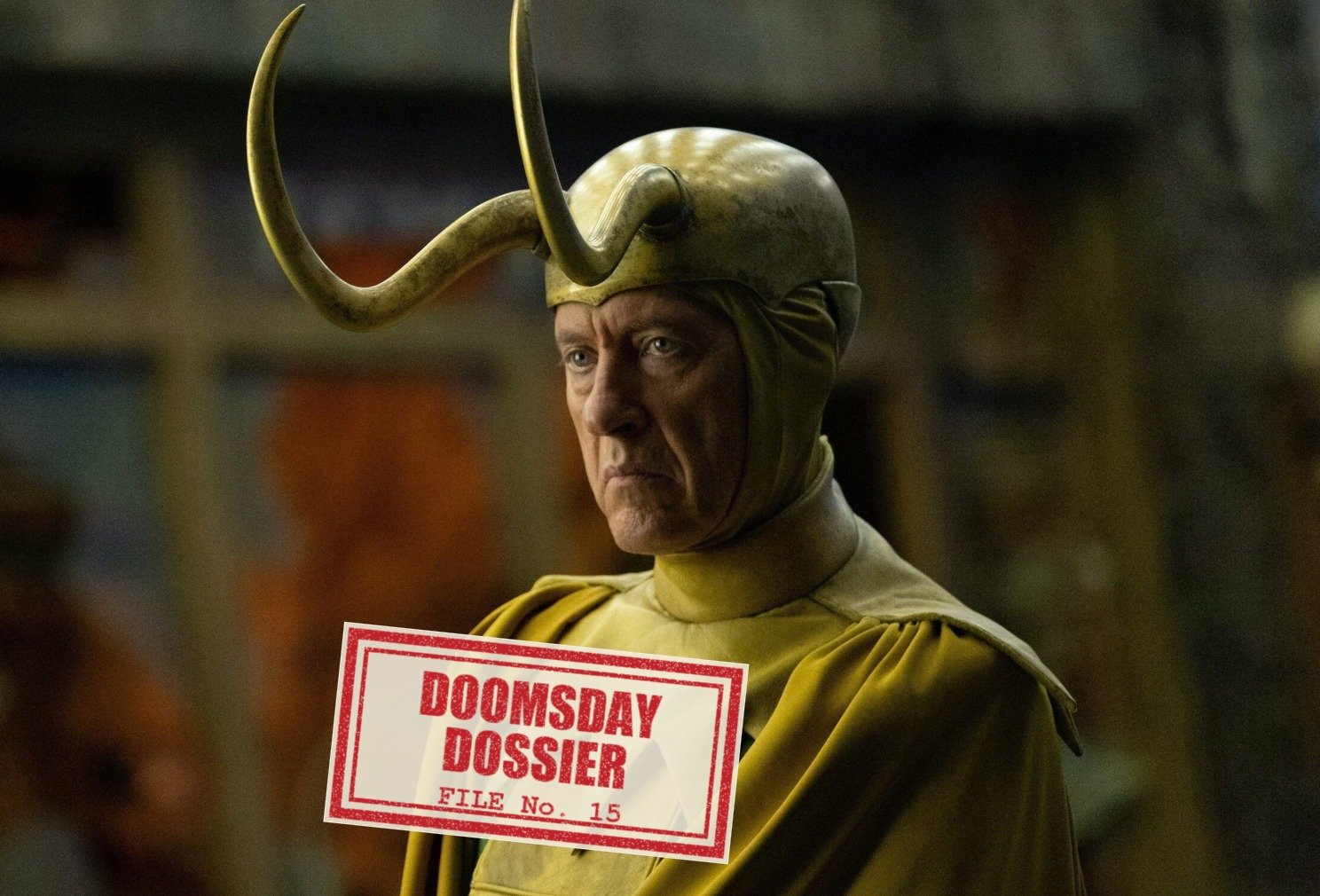
Then the show proves the point with a joke. In the Void, Loki meets Kid Loki, Classic Loki (Richard E. Grant), Boastful Loki and Alligator Loki. TVLine calls all four variants of himself. TechRadar says Kid Loki killed Thor and Boastful Loki claims to have beaten two Avengers and taken all six Infinity Stones. It says Alligator Loki was removed from time for eating the wrong cat. AV Club says Classic Loki faked his death to dodge Thanos. It also argues that if events had gone right for the alligator, he would be the Sacred Timeline Loki.
The second idea is that a variant belongs to a character, never to an actor. The Ringer says “Doctor Strange in the Multiverse of Madness” introduces Professor X (Patrick Stewart) as a member of the Illuminati on Earth-838, and CinemaBlend calls him the Earth-838 variant. ComicBook.com reports that costume designer Graham Churchyard built his green suit and yellow chair from “X-Men: The Animated Series,” an idea that came from Kevin Feige’s childhood. The Ringer adds that the Scarlet Witch kills him about as quickly as he is introduced. Same actor as the Fox films, different man.
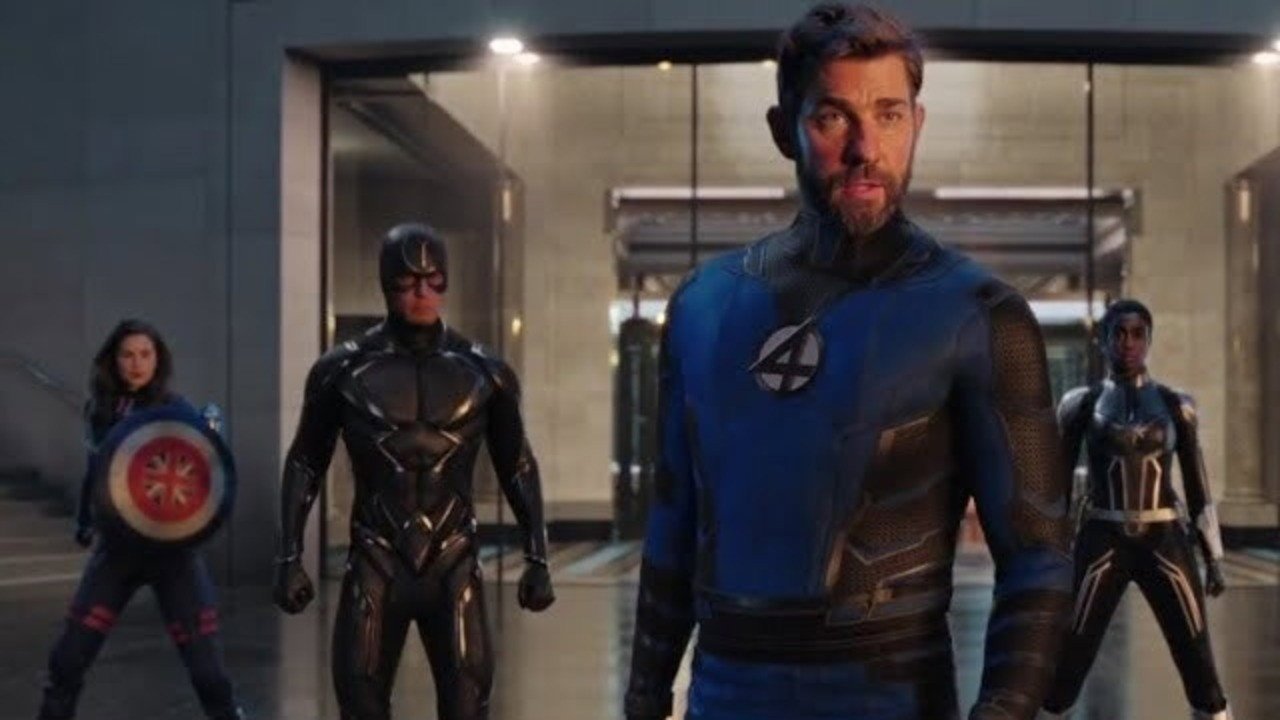
“Deadpool & Wolverine” runs the rule in reverse. Slashfilm says Wade’s universe, Earth-10005, is dying because it lost its Logan, so Deadpool (Ryan Reynolds) bounces around the multiverse looking for a surviving Logan (Hugh Jackman). TheWrap says that search runs through a montage of Wolverine variants, from Old Man Logan to a one-handed Weapon Omega. Inverse says nearly all of them are played by Jackman, and it calls Henry Cavill’s brief turn the one Wolverine variant who is not Jackman. Dexerto notes that Cavill barely appears. A different actor does not break the logic. He is still a Wolverine who chose another road.
A rewritten timeline is a different thing again. In “X-Men: Days of Future Past,” Logan’s mind is sent back to 1973, and SciFiNow says he wakes in a new present that effectively retcons the earlier X-Men films. Looper says he is the only person who remembers the changes. That does not make him a variant of himself. He is one man, with one memory, standing in a world that changed around him. That is a rewrite, and it is a different thing from a variant.
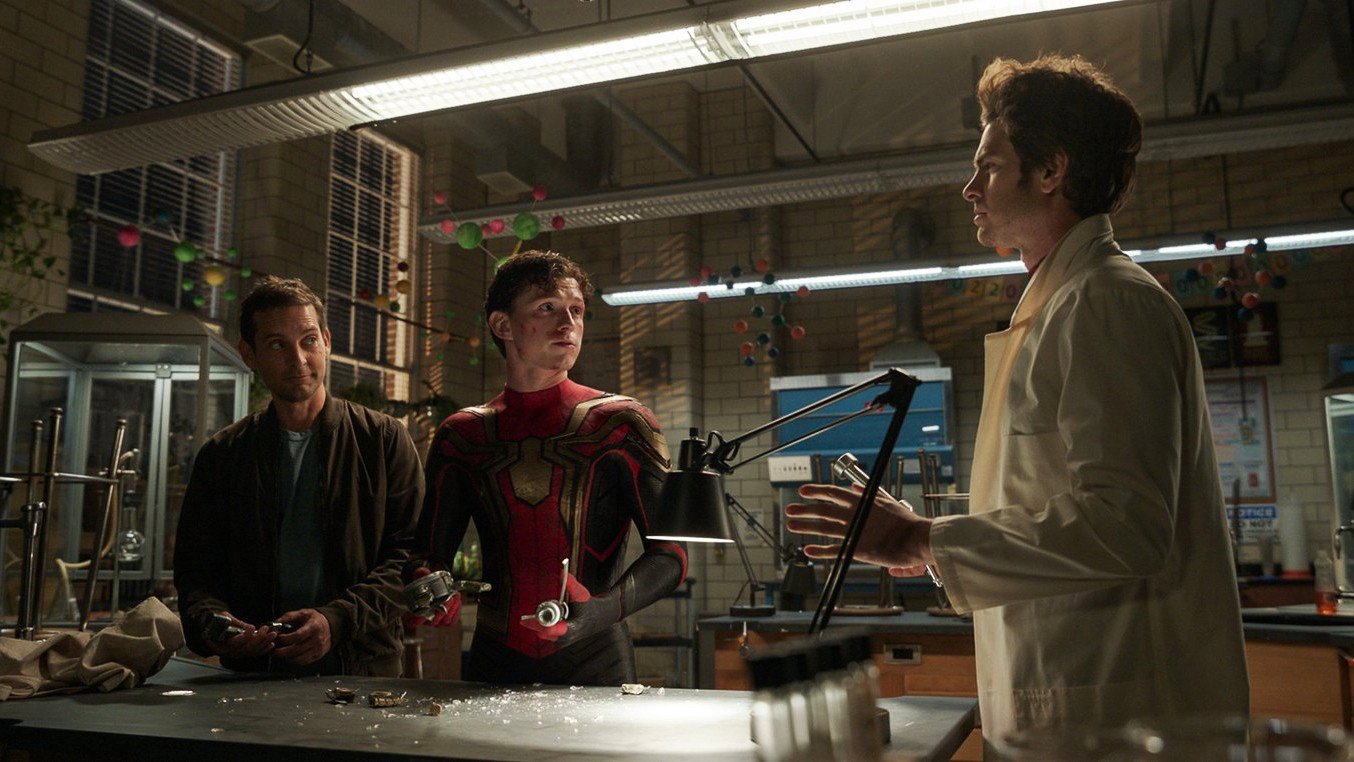
“Spider-Man: No Way Home” puts three Peters in one room, and none is an older or younger copy of another. Slashfilm labels them Peter 1 (Tom Holland), Peter 2 (Tobey Maguire) and Peter 3 (Andrew Garfield), each from a different universe. It says the two older Peters were plucked from their own present days. Each one brings his own history. Slashfilm says Peter 3 saves MJ from a fall, something he failed to do for Gwen in his own universe. That is three lives that share a costume.
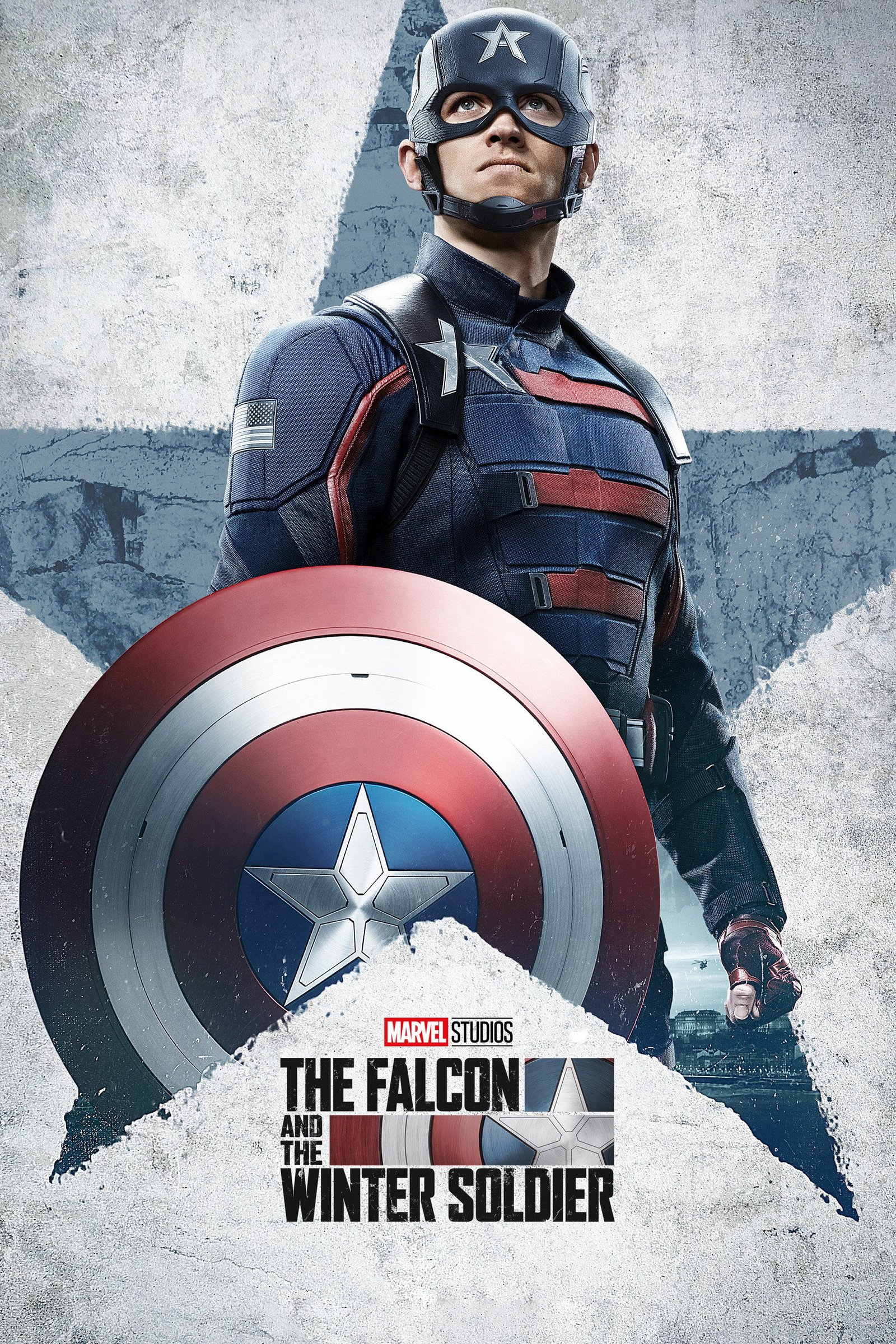
The third idea is the mantle, and it is not a variant at all. The Ringer says Steve Rogers (Chris Evans) passed on his shield in “Avengers: Endgame,” and that Sam Wilson (Anthony Mackie) finally accepted the mantle of Captain America in the finale of “The Falcon and the Winter Soldier.” A different man took the same job and is no variant. Compare Peggy Carter (Hayley Atwell). Sportskeeda says “What If…?” opens on a world where Peggy takes the super-soldier serum instead of Steve, and TheWrap says she got it on Earth-838 too. That is a variant: one woman, one different choice, and the job followed her.
The fourth idea is the time-travel double. In “Avengers: Endgame,” Syfy Wire says Cap fights his 2012 self over the Mind Stone, and the present-day Cap then steps over the knocked-out past self. That is one man at two points in his own life. Nebula (Karen Gillan) is trickier. Den of Geek says the present-day Nebula kills her 2014 counterpart while Gamora watches. GamesRadar says Bruce Banner’s time rules mean she has only killed a version of the person she could have been, because that Nebula “diverged from the original timeline, separating the two characters entirely.” A double repeats a life, but a variant leaves it.
Kang shows the whole idea at scale. The Hollywood Reporter recalls He Who Remains (Jonathan Majors) warning in “Loki,” “If you think I’m evil, just wait ’til you meet my variants.” Looper says Kang began as Nathaniel Richards, a scientist from an alternate 31st century who discovered the multiverse. Other Kangs made the same discovery at the same time. Some showed their true colors, and Looper says the multiverse erupted into Kangs at war. The Hollywood Reporter says the Council of Kangs includes Immortus, an older Kang from the far future, and Rama-Tut, the pharaoh version, all played by Majors. These variants share a face but differ in what they chose to become.
One last warning: the Void tells you less than it seems to. TVLine says everything from a pruned timeline branch is sent there. Looper says it is implied that all the characters trapped in the Void in “Deadpool & Wolverine” come from universes the TVA destroyed. A castaway proves that a branch was pruned but does not say whose variant he is.
Now take all of this into “Avengers: Doomsday.” TechRadar lists Stewart as Charles Xavier alongside Ian McKellen’s Magneto and James Marsden’s Cyclops, and Dexerto calls them “old faces from the Fox-verse.” Looper’s reading of the July trailer has Xavier watching a cataclysm in the sky that it says represents an incursion. CinemaBlend notes that Stewart’s Xavier has already died twice on screen, once at the hands of X-24 in “Logan” and once at the hands of the Scarlet Witch. So which Xavier is in the trailer matters. TechRadar says some fans believe Downey’s Doom is a Tony Stark variant, and TheWrap says that is not clear.
That is the real question behind the word. Is a variant someone who made a different choice, someone who wears a different face, or someone who holds the same title? Marvel has used all three, and the TVA’s own definition is the first. If “Doomsday” wants its multiverse to land, it has to keep them straight.
What Do You Think? Is Sam Wilson a variant of Steve Rogers, or just the next man to hold the shield? Does a different actor make a different Wolverine, or only a different face? And if Doctor Doom turns out to be a Tony Stark variant, which kind of variant should he be?
Catch up properly: every MCU movie and show in chronological order on the MCU+ Universe Tree.
See you on the next binge!