Twenty three years is a long time to wait for a phone call, and the one Paramount just made is not quite the one everybody wanted. A sequel to “How to Lose a Guy in 10 Days” is officially in the works at the studio with Kate Hudson attached, which sounds like the headline a lot of people have been refreshing their feeds for since roughly 2004. Read it twice, though, because the word doing the heavy lifting is attached, and what she is attached as is a producer. Variety broke it as an exclusive, and Deadline, The Hollywood Reporter and TheWrap all matched it within hours, so the development itself is solid. What sits inside the development is thinner than the headline makes it sound.
Here is the complete list of what is actually locked down. Hudson is producing alongside Stacey Sher through Sher’s Shiny Penny banner, and Paramount is the studio. That is the list. There is no writer, no director, no cast and no green light, and every outlet carrying the story describes the project as being in early development. Matthew McConaughey is not attached to anything. The reporting says the intention is for both leads to return, which is a sentence about what a studio would like rather than a sentence about what anyone has signed. We have watched enough of these announcements turn into nothing to know the difference matters.
Read it twice, though, because the word doing the heavy lifting is attached, and what she is attached as is a producer.”
Hudson has been asked about this for years and her answer has barely moved an inch. On Watch What Happens Live in July 2024 she said that she and McConaughey are “both totally open” to a sequel, and then she attached the condition that actually matters: “All that matters would be the script and if Matthew and I were into the script.” That is the star of the movie telling the studio, on television, exactly where the gate is. The gate is a screenplay. Paramount has now set the project up without one, which means the only thing standing between this announcement and a finished film is precisely the thing that has been standing there the entire time.
McConaughey has been saying a version of yes for even longer. Back in 2020 he described the film as “teed up, you know, teed up for one that you could easily do a sequel,” and added that “as far as romantic comedies go, that was a really good one. People still love that one.” He is right about the second part, and that is the whole commercial case in two sentences. So the picture here is not two movie stars who need talking into it. Both have been publicly willing for the better part of a decade. What has never existed is a draft either of them wanted to put their name on, and that is a far harder problem to solve than getting a studio to say yes to a title everybody recognizes.
Which brings us to the producer credit, and to why it is worth reading as information rather than as a technicality. A returning lead who signs on to produce before committing to appear is doing something specific. She is buying a seat at the table where the writer gets hired and the draft gets approved, without promising to be in front of the camera if that draft comes back wrong. Given that Hudson has spent a decade saying the script is the only thing that would decide it, taking the producer chair is the most consistent move she could have made. It is also, quietly, the move that lets her walk away.

The reason any of this is happening in 2026 has a number attached to it, and the number is 677 million dollars. That is what “The Devil Wears Prada 2” took worldwide after opening on May 1, and it blew up the assumption that a legacy rom-com was a nostalgia play with a low ceiling. Every studio holding a beloved 2000s title in a vault read that gross and started making calls. Paramount happens to hold one of the deepest vaults in the business, and sitting in it is a 2003 romantic comedy that made 177.5 million dollars against a 50 million dollar budget.
Look at how Prada actually got there, though, because the comparison is not flattering. That sequel brought back David Frankel, who directed the original, and Aline Brosh McKenna, who wrote it, plus Meryl Streep, Anne Hathaway, Emily Blunt and Stanley Tucci. It reassembled the people who made the first one work before it went anywhere near a release date, and the audience could see that reassembly happening in every casting announcement. “How to Lose a Guy in 10 Days” currently has exactly one returning name, and she is behind the camera. That is not an indictment of the plan so much as an honest measure of how early this is.
The Paramount of 2026 is also not the Paramount of 2003, and that context explains the timing better than nostalgia does. David Ellison’s Skydance took the studio over and immediately opened the taps: the theatrical slate went from eight releases in 2025 to fifteen this year, and Ellison has said the company is committed to thirty films a year once the Warner Bros. Discovery merger closes. Thirty slots a year is an enormous appetite, and the cheapest way to feed an appetite that size is the library you already own. Ellison has been open that the century old film catalogue was a large part of what he was buying. This is what that strategy looks like when it reaches the ground.

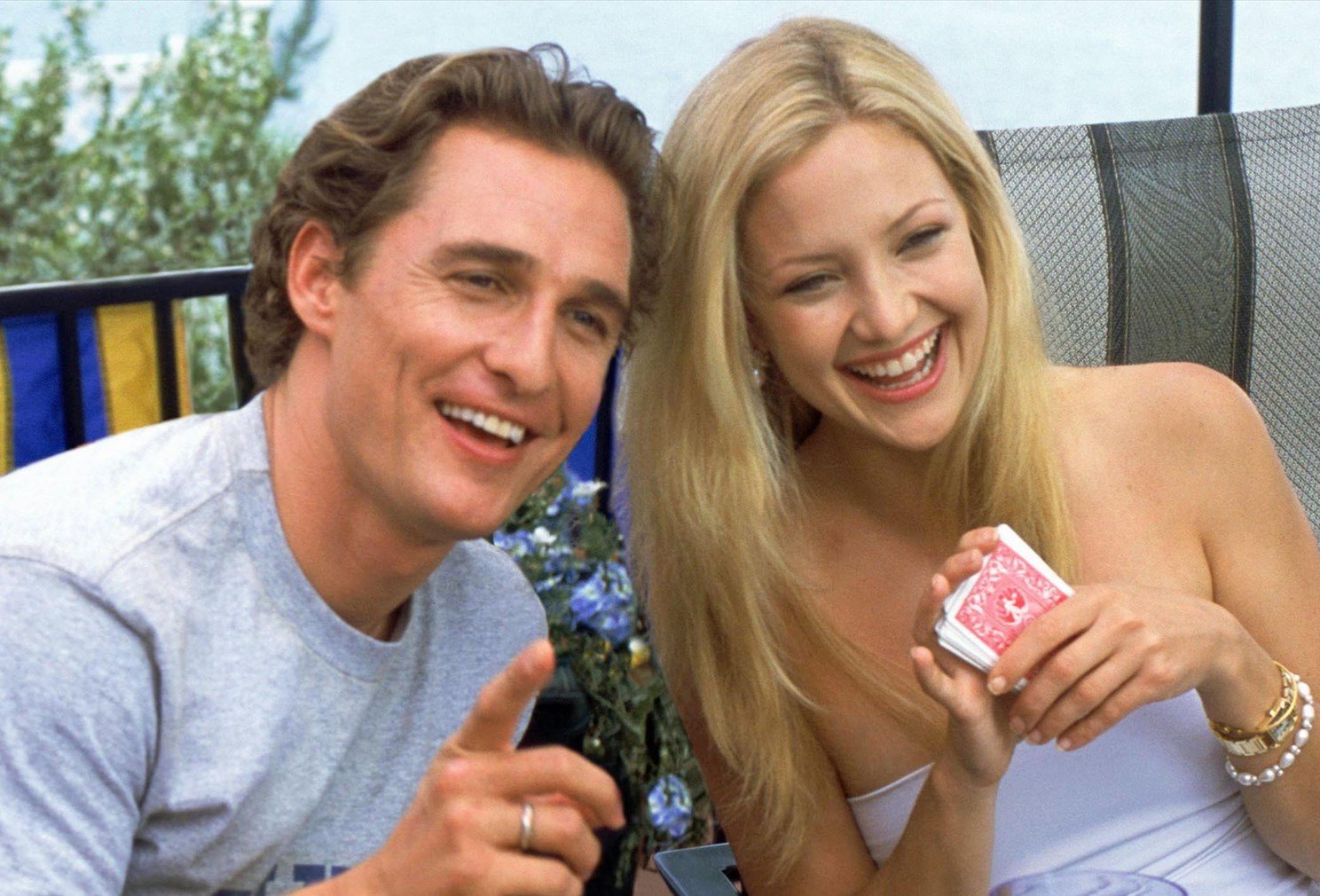
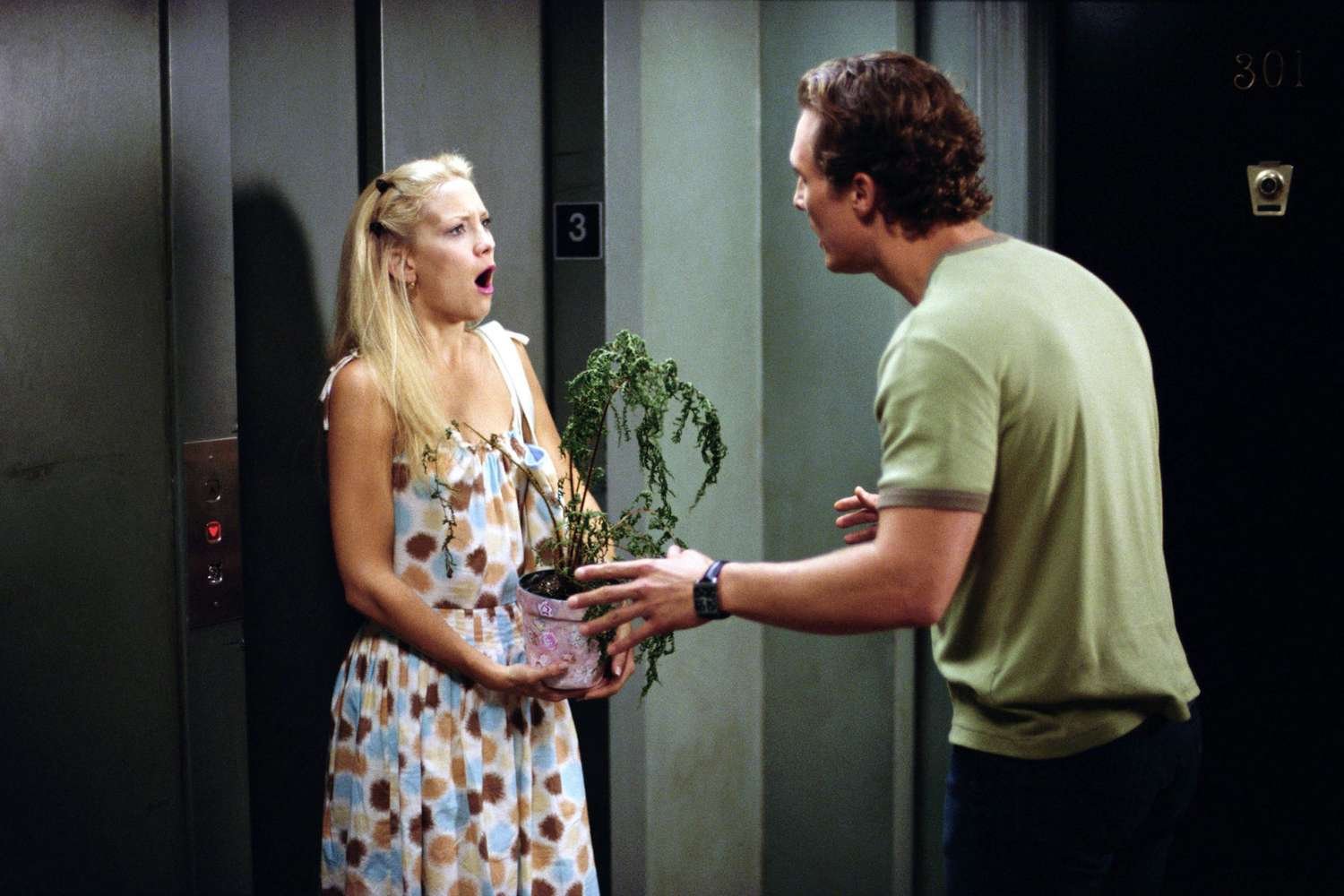
The original landed on February 7, 2003, directed by Donald Petrie from a script by Kristen Buckley, Brian Regan and Burr Steers, adapted from a picture book by Michele Alexander and Jeannie Long. Andie Anderson (Kate Hudson) is a magazine writer building a how-to column out of driving a man away inside ten days. Benjamin Barry (Matthew McConaughey) is an advertising executive who has bet his bosses he can make a woman fall for him in exactly the same window. Neither one knows what the other is running, and that collision is the entire engine of the movie.
Critics were not kind to it. The film sits at 42% on Rotten Tomatoes across 150 reviews, with most of the complaints landing on a premise you can see coming from the poster art. Audiences handed it an A- and then never let it go. That gap between the reviews and the room is the reason a sequel is worth somebody’s attention now, because the people buying tickets never agreed with the critics and have spent twenty three years continuing to disagree on cable, on streaming and on every February programming block since. Sher is a genuinely interesting name to find on this, too: her credits run through Pulp Fiction, Erin Brockovich, Contagion, Django Unchained and The Hateful Eight, which is not the resume of a producer who makes disposable romantic comedies. And for anyone running the where-are-they-now math on that 2003 call sheet, Michelle Rubin (Kathryn Hahn) was one of Andie’s colleagues at the magazine, two decades before Hahn became one of the most reliable scene stealers working.
So what has to happen next is dull, and it is the same thing that has to happen every single time. Paramount hires a writer, the writer delivers a draft, and then Hudson and McConaughey read it. Hudson has already told everybody in public what her answer depends on, which is more than most projects give you. Until a script exists this is a title with a studio attached and two stars who have been politely available since 2020. We would love to be wrong about the odds here, because the 2003 movie is better than its reviews and the two leads have chemistry that far more expensive films have failed to manufacture on purpose. But an announcement is not a movie, and this one has a long way to travel before it becomes one.
What Do You Think? Is a “How to Lose a Guy in 10 Days” sequel something you actually want, or is the original one of those films that works precisely because it stopped where it did? Do you read Hudson taking a producer credit instead of a starring commitment as her protecting the material, or as a sign she is not sold on stepping back into Andie? And if Paramount can only get one of the two leads back, is there a version of this worth making at all, or does the whole thing collapse the moment it stops being the pair of them?
See you on the next binge!