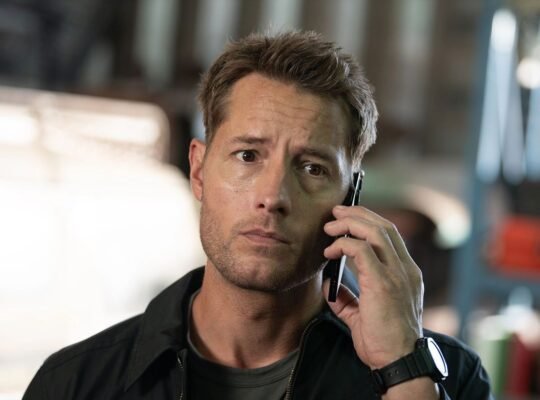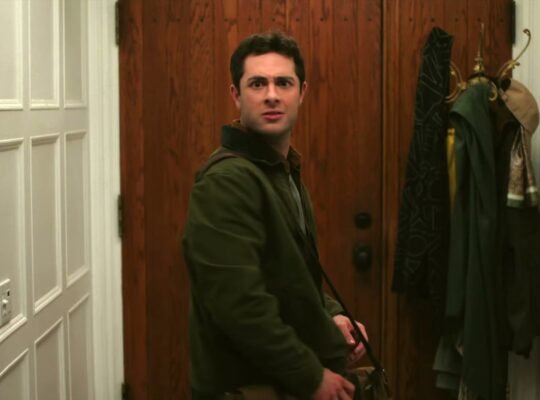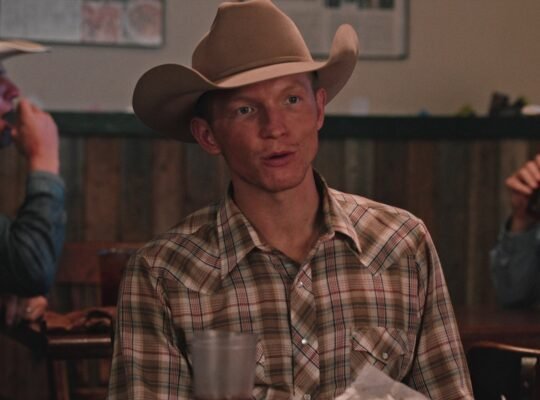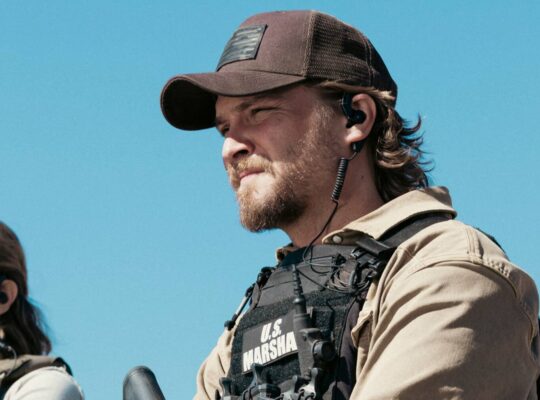
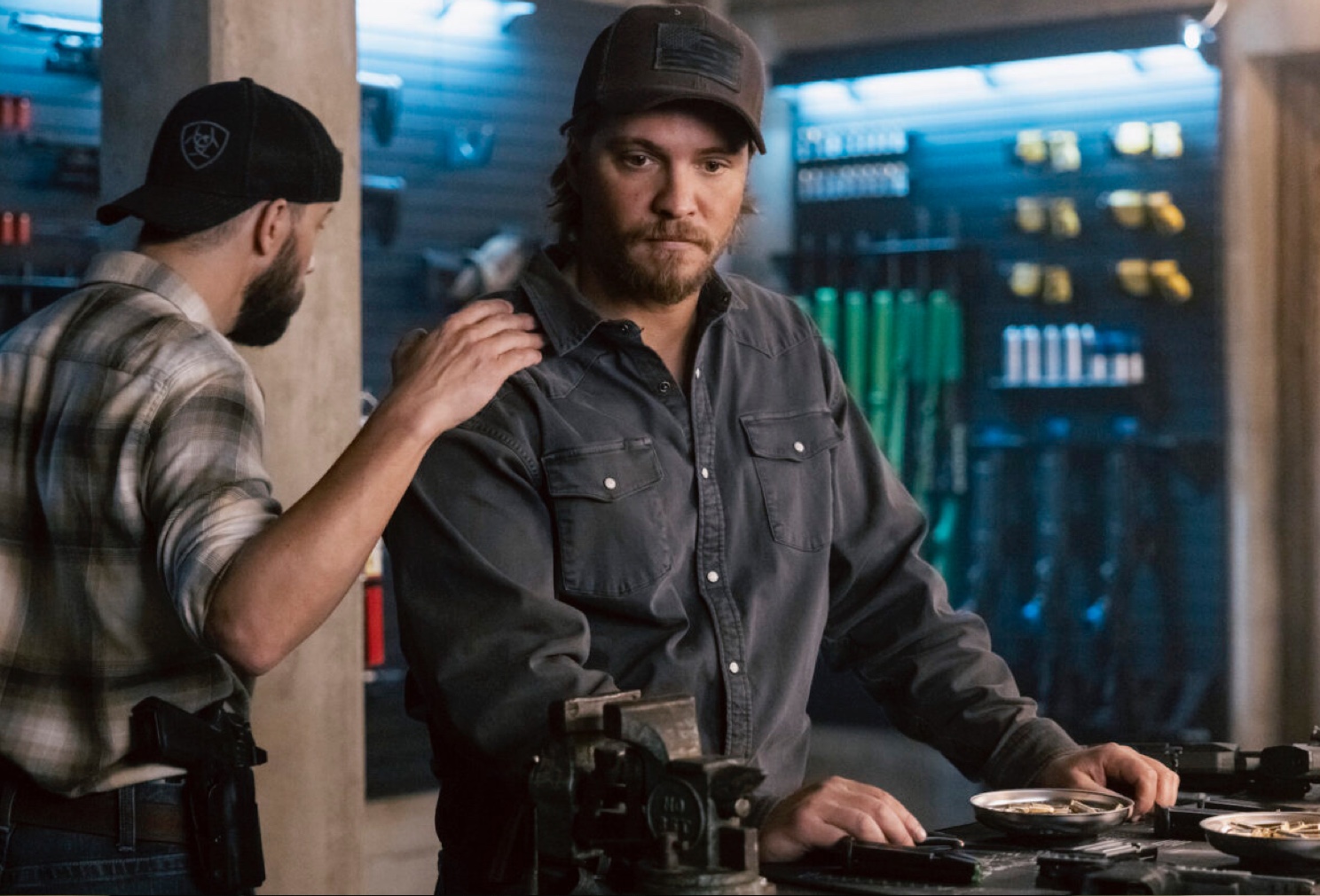
The Duttons are going mainstream, and it is a stranger sight than it sounds. “Y: Marshals” premiered on CBS this week, which means the sprawling, prestige-adjacent, streaming-and-cable juggernaut that is the Yellowstone universe has officially landed on plain old broadcast network television for the very first time. Luke Grimes trades the family ranch for a federal badge as Kayce Dutton, and the whole enterprise reformats itself from sweeping neo-Western soap opera into something closer to a traditional case-of-the-week procedural. It is a fascinating experiment, and whether the Yellowstone magic survives the translation is the question hanging over every frame.
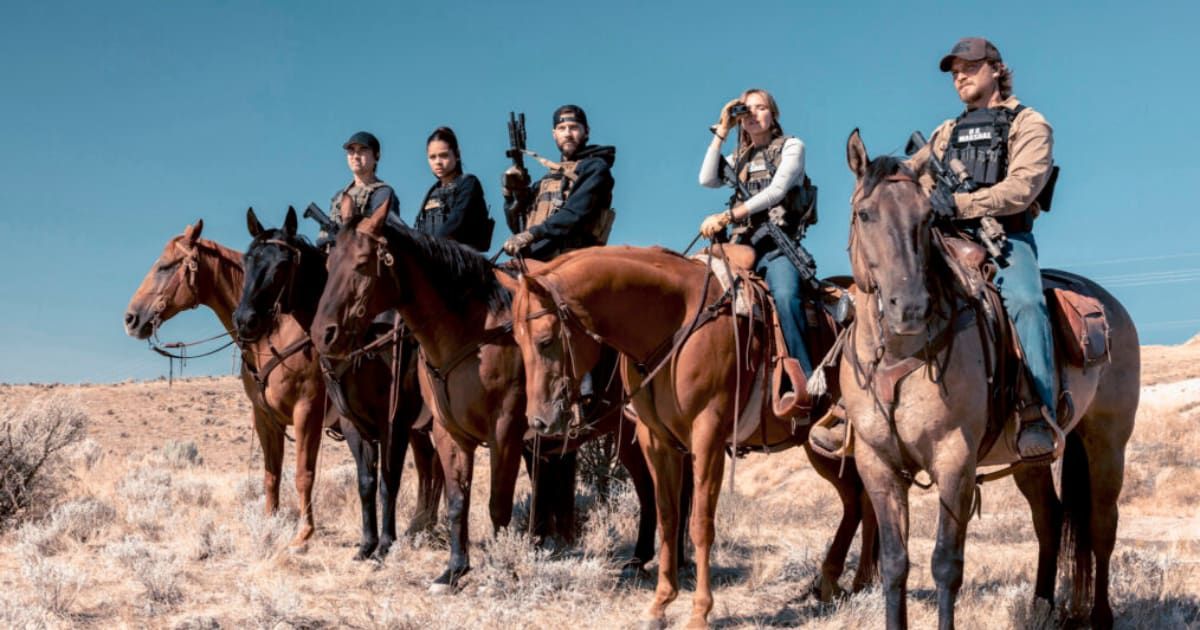
The series picks up with Kayce, the former Navy SEAL and most quietly decent member of the Dutton clan, still grieving the death of his wife Monica and looking for a new purpose. He finds it by joining a specialized unit of U.S. Marshals tasked with protecting the vast, lawless stretches of Montana. Grimes anchors a cast that includes Logan Marshall-Green, Arielle Kebbel, and franchise mainstays like Gil Birmingham returning as Thomas Rainwater, Mo Brings Plenty, and Brecken Merrill reprising Kayce’s son Tate. The show was created by Spencer Hudnut, working from characters built by Taylor Sheridan and John Linson, with Sheridan attached as an executive producer. Crucially, it is the first series in the entire franchise to debut on a linear broadcast network rather than cable or streaming. Warning beyond this point there are spoilers for “Y: Marshals” and the wider Yellowstone universe.
The whole enterprise reformats itself from sweeping neo-Western soap opera into something closer to a traditional case-of-the-week procedural.”
The move to CBS is the entire story here, and it is a genuinely shrewd business play even if it is a creative risk. Yellowstone became a cultural phenomenon partly because it captured an audience that network television had been quietly bleeding for years, older viewers and heartland audiences who wanted big, unfussy, character-driven drama. Bringing a spinoff directly to broadcast is a bet on meeting those exact viewers where they already are, on the channel they already watch, in the format they already love. A weekly Marshals procedural with a beloved Dutton at its center is, on paper, a ratings machine built in a lab. Whether it captures the sprawling ambition of its parent show is another matter entirely.
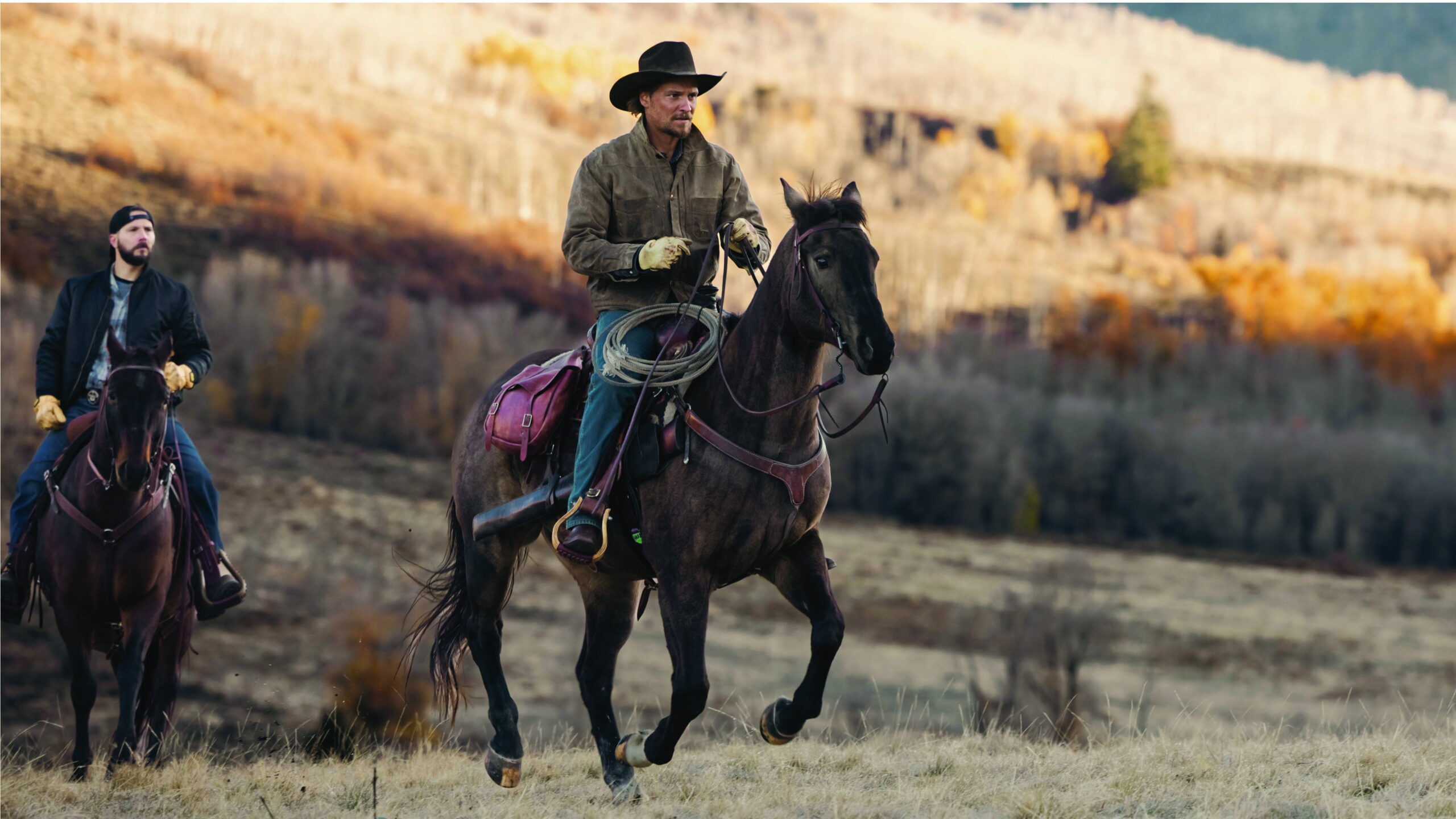
Grimes is the smartest possible choice to carry this. Kayce has always been the sympathetic heart of the Dutton family, the one who wanted out of the cycle of violence even as it kept pulling him back, and giving him a story about protecting people rather than protecting land is a natural evolution for the character. Watching him channel that weathered decency into the badge could give the show a moral center that a straight procedural often lacks. The supporting bench, stacked with familiar faces from the franchise, helps stitch it into the larger world without requiring viewers to have followed every twist of the mothership.
The early reviews, though, land a warning shot. Critics have been mixed, with the consensus suggesting the series lacks the narrative spark that made the original such a runaway success, and that is a real concern. The genius of Yellowstone was its operatic, sprawling messiness, the sense of an entire dynasty at war with itself and the modern world. Squeezing that energy into a tidy network procedural, complete with the structural demands of broadcast pacing and case-of-the-week resolution, risks sanding off exactly the edges that made the franchise feel special. A Dutton solving crimes on CBS is comforting, but comforting is not the word anyone used to describe why they fell in love with this world.
Still, there is a reason this franchise keeps expanding, and it is because Sheridan and his collaborators understand their audience better than almost anyone in the business. “Y: Marshals” is a calculated attempt to plant the flag in new territory, to prove the Dutton name can carry a show in the most mainstream format television has to offer. If it works, it opens the door to an even bigger audience than the one that made Yellowstone a monster.

If it does not, it becomes a cautionary tale about what gets lost when you trade sprawling ambition for the reliable rhythm of network TV. Either way, the badge is on, the frontier is wide, and Kayce Dutton is officially the most famous lawman on broadcast television.
What do you think? Can the Yellowstone magic survive being squeezed into a traditional network procedural, or does the format strip away everything that made the franchise special? Is Kayce Dutton the right character to carry a spinoff, given he was always the Dutton who wanted out? And is bringing the franchise to CBS a genius play for a massive mainstream audience, or a step down from the prestige ambition of the original?
Catch up properly: every Yellowstone and Taylor Sheridan show in chronological order on our Timeline Hub’s Sheridan-verse timeline.
See you on the next binge!