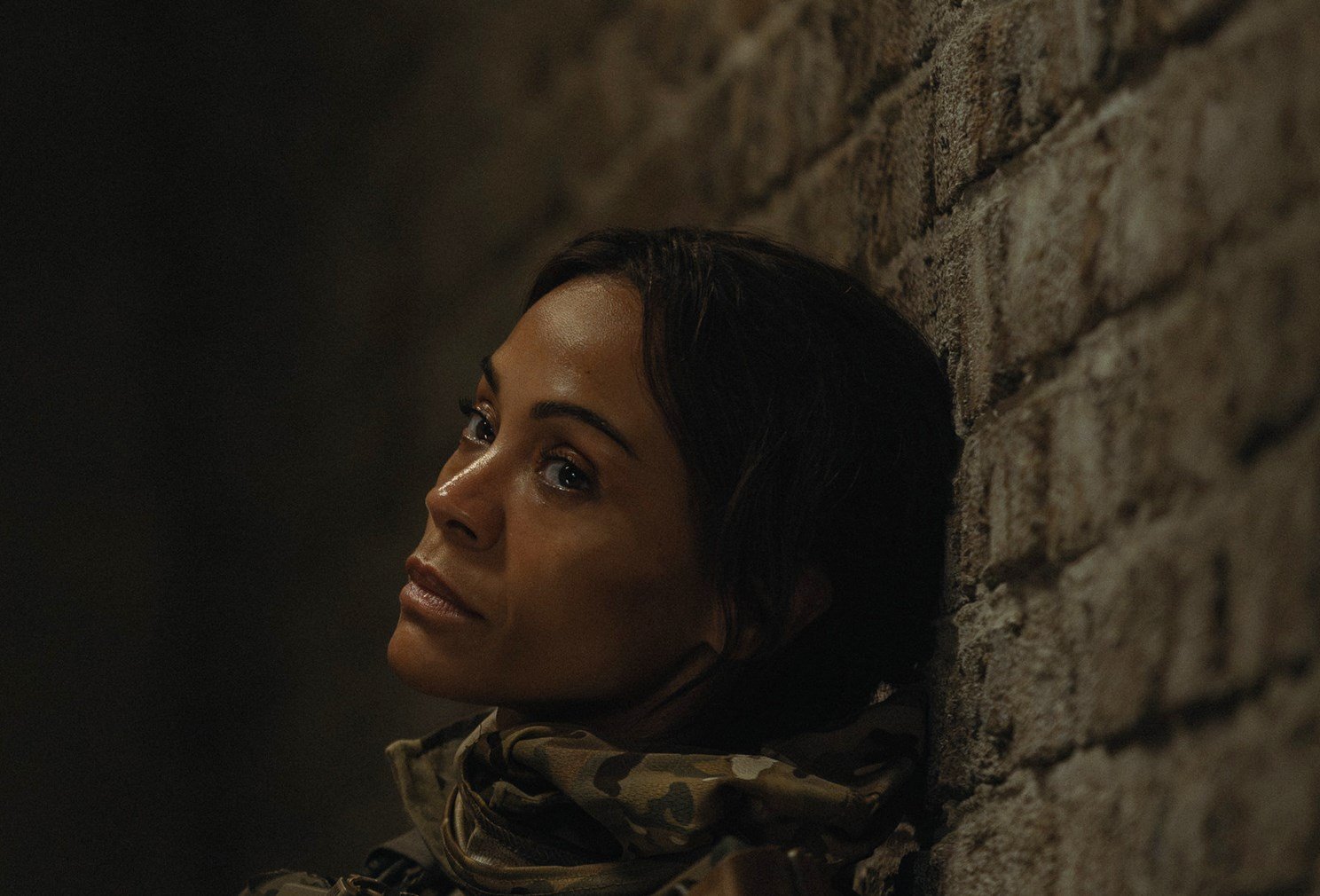
Every Taylor Sheridan show borrows something. This one borrowed a name, and the women it belongs to have finally said out loud what they think of that. Speaking to The Telegraph in an interview picked up by TheWrap on Monday, several of the real Team Lioness veterans went on the record about “Lioness,” and the word one of them used was corrupted. Not inaccurate, not exaggerated. Corrupted. That is a heavier charge than the usual complaint about a drama taking liberties, and it lands differently because the show did not invent the title it is trading on.
Team Lioness was formed by the United States Marine Corps in Iraq in 2003. It was not a spy program and it was not secret. Department of Defense policy at the time barred women from certain ground combat roles, and the Marines had a practical problem they could not solve without them: nobody could search Iraqi women at checkpoints or during house raids without causing an incident. So they pulled women out of the support jobs they were already doing, mechanics, engineers, combat medics, and attached them to male units going out on operations. Those women ended up among the first American servicewomen in offensive ground combat, doing a job the policy said they were not doing.
Sheridan’s version, which opened its third season on Paramount+ on August 2, is a top secret CIA task force that plants female operatives inside the families of terrorism targets. It is a good hook and it has nothing to do with any of the above. Warning beyond this point there are references to season 3 of “Lioness” and to the way the show frames the program it is named after.
Every Taylor Sheridan show borrows something. This one borrowed a name, and the women it belongs to have finally said out loud what they think of that.”
Ranie Ruthig was in the original program. She is not a hater of the man’s work and said so, which is what makes her version of the complaint stick. “It makes me mad that it doesn’t follow what we did at all,” she told the paper. “They took the Team Lioness name and twisted it into a spy thing.” Her summary of it is the line the headlines ran with: he took our history and kind of corrupted it. Read that next to the show’s logline and the objection is obvious. The program was invented so that women in support roles could do something the rules would not let them be credited for. The show turns it into a black-bag operation where the women are the weapon and the credit is the whole point.
Kate Guttormsen, who was the only female company commander in the 1st Engineer Battalion, described the actual work in a sentence that does more damage to the premise than any argument could. Her Lionesses, she said, “would do anything from going to schools and handing out soccer balls to finding intel.” That is the range: humanitarian outreach at one end and intelligence gathering at the other, performed by soldiers whose paperwork said they were fixing trucks. It is a stranger and better story than a honeypot operation, and it is sitting right there unused.
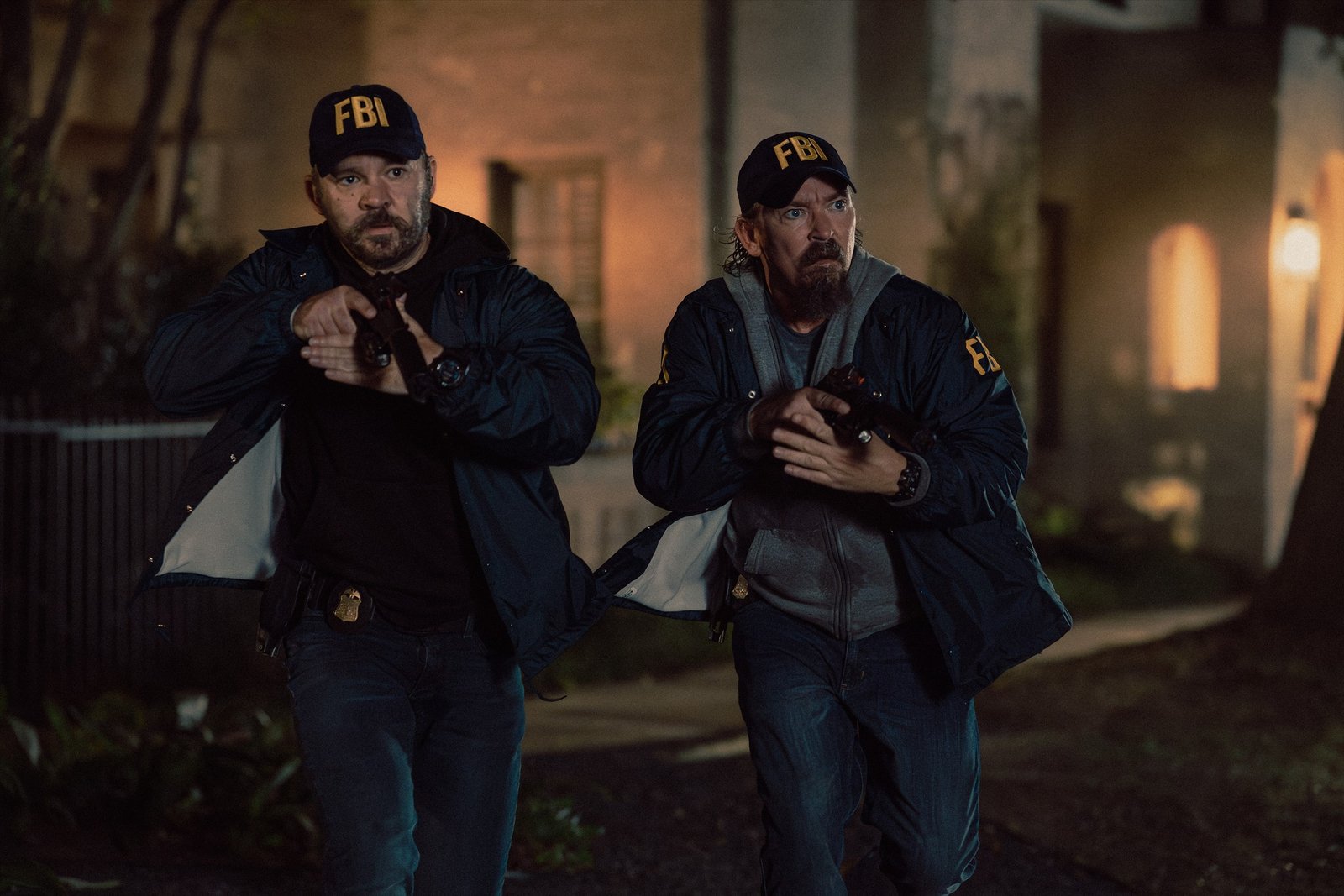

The sharpest framing of the whole thing comes from Daria Sommers, who co-directed a documentary about the real unit and has spent years trying to get their story in front of people. “The term Lioness is now honorific,” she said. “The key thing is it has no basis in reality.” Then she put the argument where it actually belongs, which is not on the cast: “I’m not critiquing Nicole Kidman or Zoe Saldaña, they should get all the kick-ass adventure roles they want. But if Taylor Sheridan had called the show something else, we wouldn’t be having this conversation.” That is the case in one sentence, and it is very hard to answer.
Because she is right that the name is doing work. A title lifted from a real military program signals true story to anybody scrolling past it, and that signal is worth money. Nothing in the show is presented as documentary and nobody is claiming otherwise, but the borrowed word carries an implication the writing never has to earn. Michelle Dallocchio, who served with Team Lioness in 2004 and 2005, called it what it looks like from her side: “It feels like appropriation. I see a really complicated women’s wartime history repackaged into something safer and sanitized for mass consumption, while erasing the actual women who lived it.”
Sanitised is the word worth sitting with, because it inverts what you would expect. Sheridan’s show is the bloodier of the two by a mile, and season 3 alone opens with bodies on the floor of a family home. What Dallocchio means is that a CIA thriller is emotionally tidy in a way the real thing was not. There is no ambiguity in a black op. There is a target, a plan, and a result. The genuine article was women doing dangerous work under a policy that formally denied they were doing it, then coming home to a system that had no category for what they had been through. That is messy, unresolved and much harder to sell in a trailer.
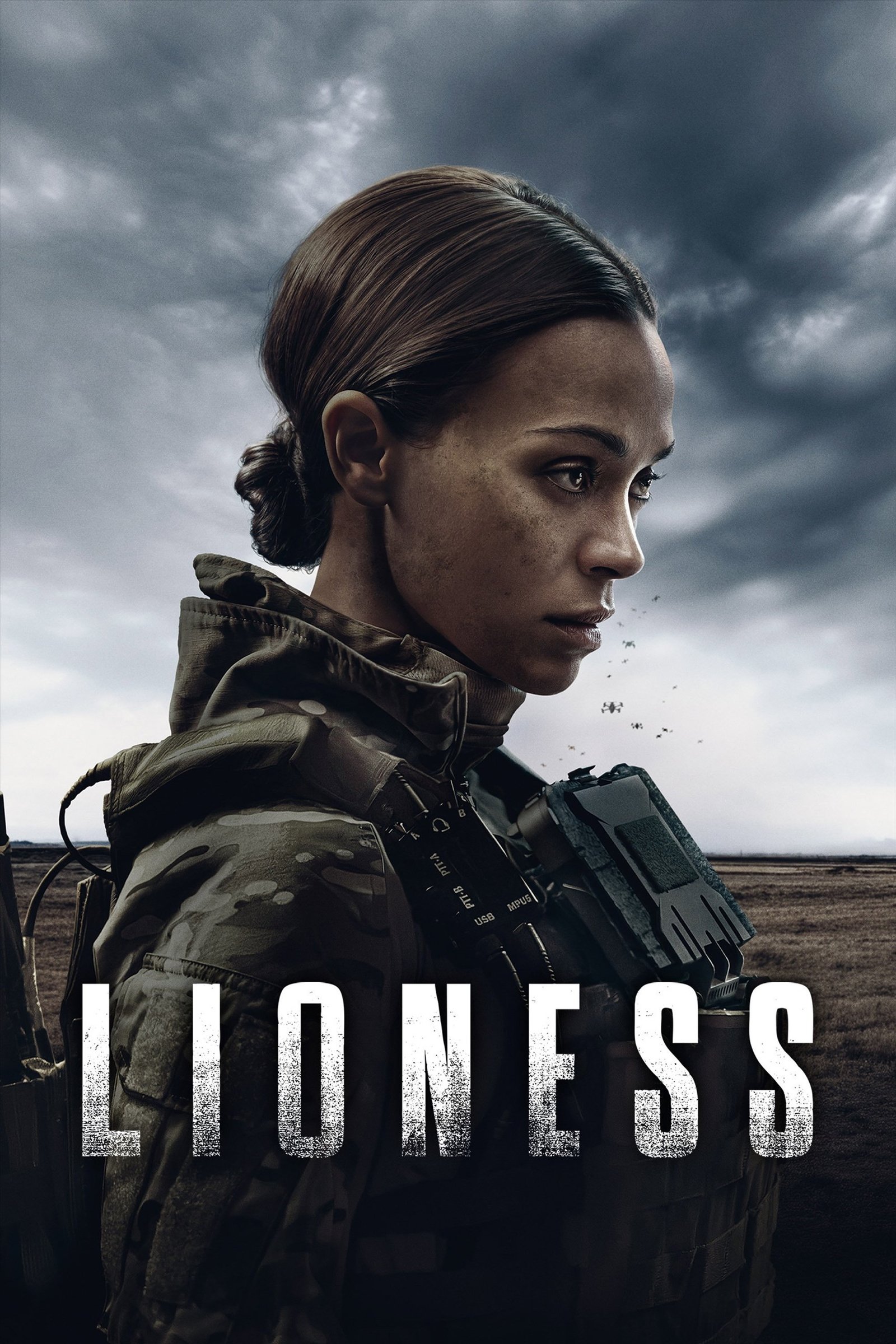
None of this is a demand that the show be cancelled and none of these women asked for that. Every one of them was careful to separate the actors and the entertainment from the naming decision, which is a level of precision the internet will now proceed to ignore on their behalf. Paramount was approached for comment and did not provide one, which is the response you give when there is no good answer and the story will move on by Thursday.
Here is where we land on it. Sheridan is the most productive writer in American television and a chunk of that output runs on real texture: real ranching, real oil, real police work. That instinct is why his shows feel heavier than the competition. This time the texture he reached for was a real unit of real people who are still alive, still arguing for recognition, and who now have to explain at every family barbecue that no, they were not in the CIA. A fictional name would have cost him nothing. It would also have left the women who served in it holding the only thing anybody ever gave them for that deployment, which was the word.
What Do You Think? Does borrowing a real unit’s name for a fictional premise cross a line, or is that just how historical drama has always worked? Would the show be weaker if it had invented a title instead? And is there a better series in the actual story, mechanics and medics kicking doors under a policy that said they were not there?
Catch up properly: every Taylor Sheridan show in chronological order on our Timeline Hub’s Sheridan timeline.
See you on the next binge!