The show is called “Lioness” because of the program at the middle of it: female operators placed close enough to a target’s family to become part of it, run by people who will never admit the program exists. So it is worth sitting with what the third season premiere actually does. When the mission goes in, the Lioness quick reaction force is left behind, and Joe McNamara (Zoe Saldana) walks into a Ukrainian trench line attached to a Delta Force element instead. The show benched its own premise in the first hour, and it did it on purpose.
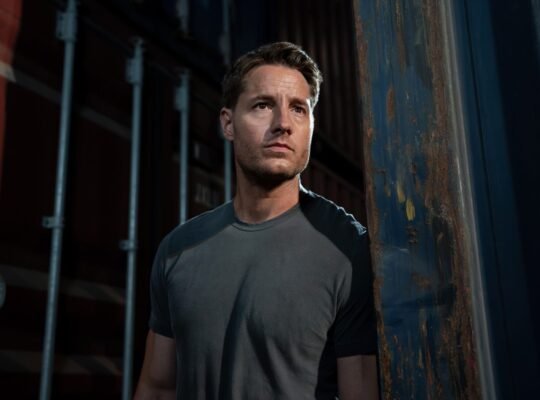
“The Spider and the Fly” landed August 2 on Paramount+, written by Taylor Sheridan and directed by Michael Friedman, and it opens an eight-episode season running weekly through September 20. Nicole Kidman is back as Kaitlyn Meade, Morgan Freeman as Secretary of State Edwin Mullins, Michael Kelly as Deputy Director Westfield and Laysla De Oliveira as Cruz Manuelos. The season’s most consequential addition is Ian Bohen as Grady, a Delta Force operator and K9 handler, which tells you where the show is spending its attention now.
What the premiere is really doing is dismantling the wall this series has stood on for two years. Joe’s marriage, her kids, her house: those existed as the cost of the job, the thing being damaged from a distance. They were never the battlefield. By the closing minutes of this episode they are, and the show is careful to make that a permanent change rather than a scare. Warning beyond this point there are spoilers for Lioness season 3, the Ukraine operation and what happens at Joe McNamara’s front door.
The show benched its own premise in the first hour, and it did it on purpose.”
The cold open is the most relaxed the series has ever let Joe be. She is at home, training, working a desk assignment at Langley, telling her family she has moved to lighter duties, and for a few minutes the show lets you believe her. Then she is driving in, on the phone with Kaitlyn, and a vehicle puts her into a spin. What comes out of the other cars is not a carjacking. It is an organised team in masks working a rehearsed sequence, and they take her. That is the first thing the season shows you, before it has explained a single piece of it.
Then the episode reaches backwards and spends the rest of its running time telling you how she got there. Joe meets a Russian intelligence contact on the Georgetown campus, in daylight, in public, which is either confidence or exhaustion depending on how you read her. The offer on the table is access to a Russian asset the intelligence community has nicknamed Putin’s Hammer, and the window on it is a matter of days rather than months. It is the kind of intelligence that gets approved before anybody has time to ask why it arrived so conveniently.
The operation goes to Ukraine, and this is where the premiere makes its statement. The QRF that has carried two seasons of this show gets staged and then held, and the Delta sergeant major running the assault picks exactly two people to come forward with his operators: Joe and Cruz. Everyone else waits. For a series that has spent two seasons insisting the Lioness program is the sharpest instrument in the building, watching a Delta element treat it as optional is a genuine shift in the show’s own opinion of itself, and nobody on screen argues the point.
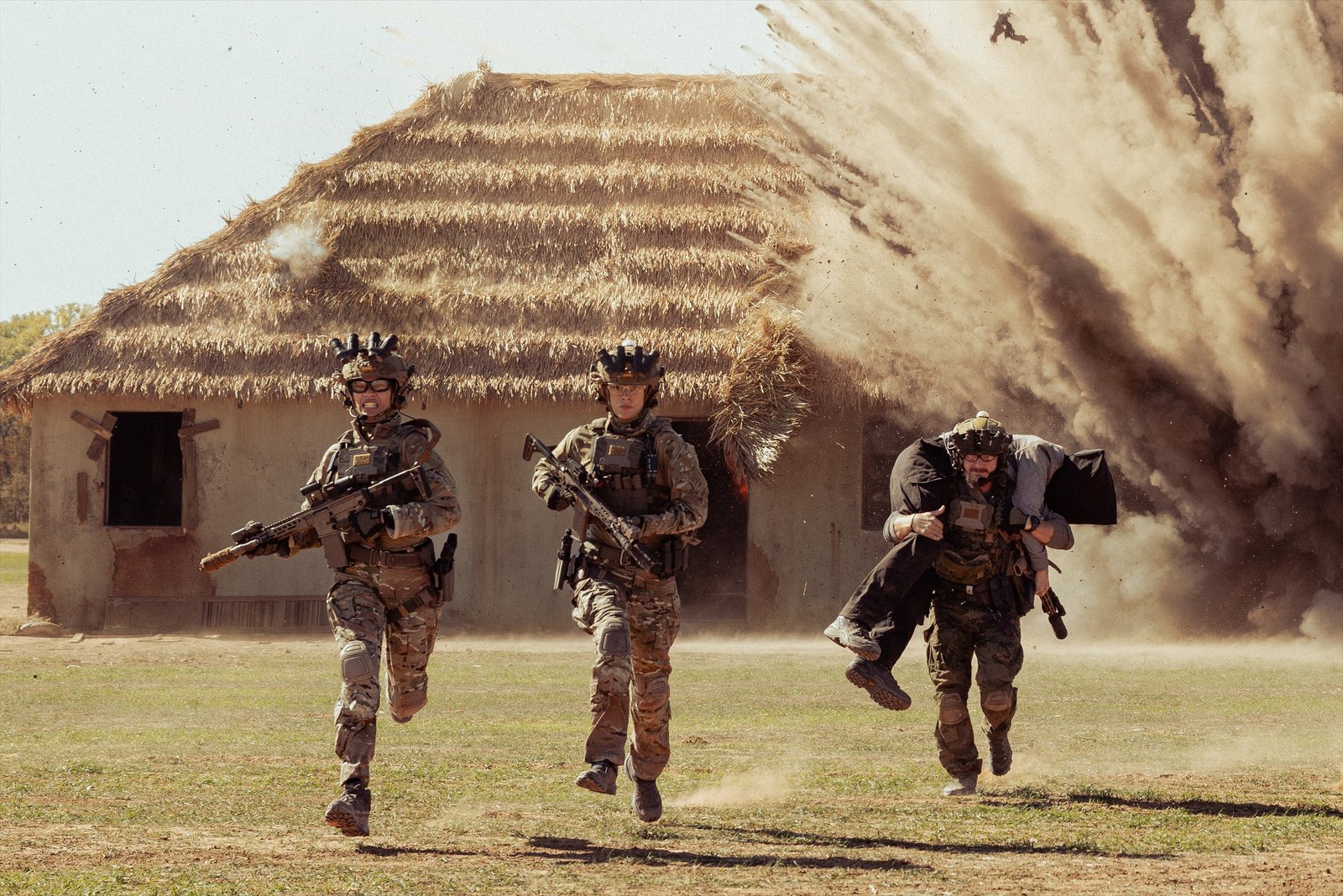
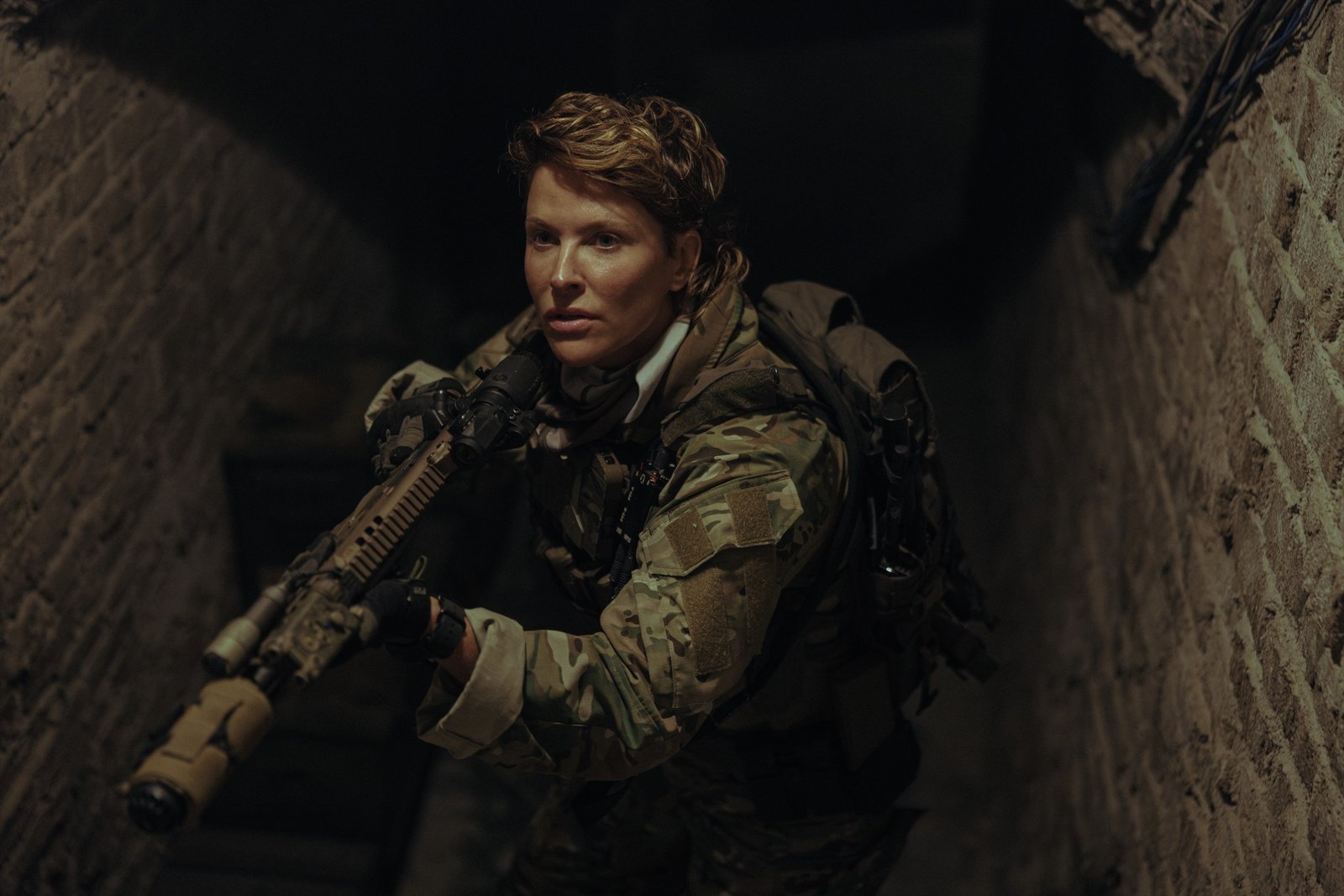
The assault itself is the best action the series has shot. It is trench warfare, literally: dug positions, connecting saps, underground bunkers, men clearing rooms with the ceiling a metre above their heads, and a North Korean battalion holding the ground. Over the top of that sit drones and German shepherds, so the sequence runs nineteen-fourteen and twenty-twenty-six at the same time. Jill Wagner, who plays Bobby, told TVInsider the trenches were not an effect: “You were going to these football fields where the land and those trenches are real. They dug all of that. That’s not CGI.” Watching it, that reads.
They get the asset. The Russian intelligence officer at the end of the tunnel, played by Jack Dimich, comes out with them, and the operation goes down as a success in the way Sheridan operations usually do, which is to say it works and it costs. The episode does not linger on the arithmetic, and that restraint is a choice: the point of the sequence is not the trade, it is that Joe was inside a hole in the ground in Donetsk two weeks ago and is now unpacking groceries in a house in Virginia.
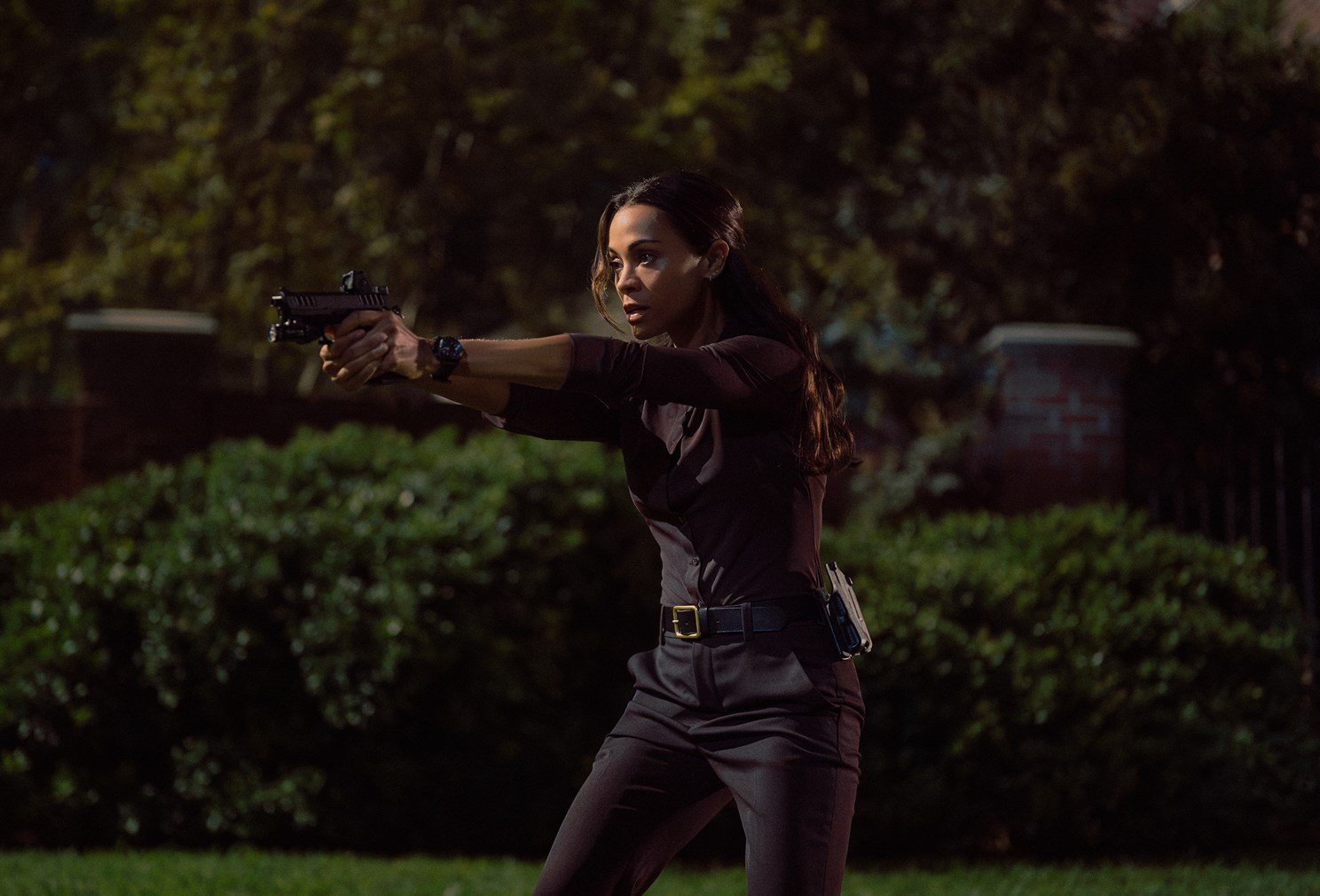
Which is where the episode collects. Two men come to Joe’s door presenting themselves as state police, and she reads them as wrong before they finish the sentence. They force entry. She kills both of them in her own house, on her own floor, and then picks up the phone. There is no rescue, no team, no Kaitlyn on comms telling her what to do. She is the entire response, in a room where nobody in this show has ever had to be.

That is the line the season is built on, and it explains the abduction the premiere opened with. Somebody knows who Joe is, where she sleeps and how to move a team into her street twice. The question the season is asking is not who sent them so much as how they knew, because the only honest answer is that the Lioness program has been opened from the inside. A show about people whose entire operational value is that they cannot be identified has just had its central operator identified at her home address, and the premiere leaves that sitting there without a comforting explanation.
It works. The premiere reviews that landed alongside it were strong, in the mid-to-high eights out of ten, and the praise consistently lands on Saldana, who spends the hour playing somebody being hunted rather than somebody running a hunt and finds a different register for it. The reservations are the usual ones with this show and they are fair: the American military hardware gets photographed with real affection, the geopolitics arrive pre-simplified, and a Russian contact handing over a gift-wrapped asset in week one is a plot that has to be paid for later. But the structural move is the interesting thing here. Sheridan opened his third season by taking the Lionesses out of the fight and then putting the fight in his lead’s living room, and both halves of that say the same thing about how compromised this program already is.
What Do You Think? Is benching the QRF a one-episode setup, or is season 3 quietly arguing that the Lioness program is finished? Who gave up Joe’s address, and is it somebody we have already met inside the agency? And after two seasons of the job wrecking her marriage from a distance, does Joe’s family survive a season where the job knows where they live?
Catch up properly: every show in the Sheridan-verse in chronological order on our Timeline Hub’s Sheridan-verse timeline.
See you on the next binge!