
“Neagley” dropped all eight of its episodes on Prime Video this morning, the same day “Reacher” ended its fourth season. It opens in Chicago at two in the morning with a man taking off his clothes in a train station and walking into an oncoming train. That man is Tommy Crane (Jhaleil Swaby), and he was Frances Neagley’s oldest friend. Everything the season does after that is an argument about whether he chose it.
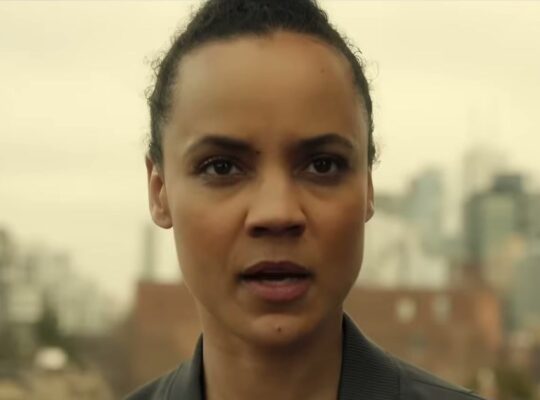
Frances Neagley (Maria Sten) has been a supporting player in “Reacher” since season two. This is the first story in the franchise built around her, and it is also the first one not adapted from a Lee Child novel. That matters more than it sounds. Every season of “Reacher” so far has had a book to answer to. This one is free, and what it does with the freedom is dig into a character the books never explained.
Warning beyond this point there are spoilers for the whole of “Neagley” season one, including who killed Tommy Crane, the drug at the centre of the case, the childhood secret behind Neagley’s refusal to be touched, who dies in the finale and how it ends. There are also mild spoilers for the “Reacher” season four finale.
It opens in Chicago at two in the morning with a man taking off his clothes in a train station and walking into an oncoming train.”
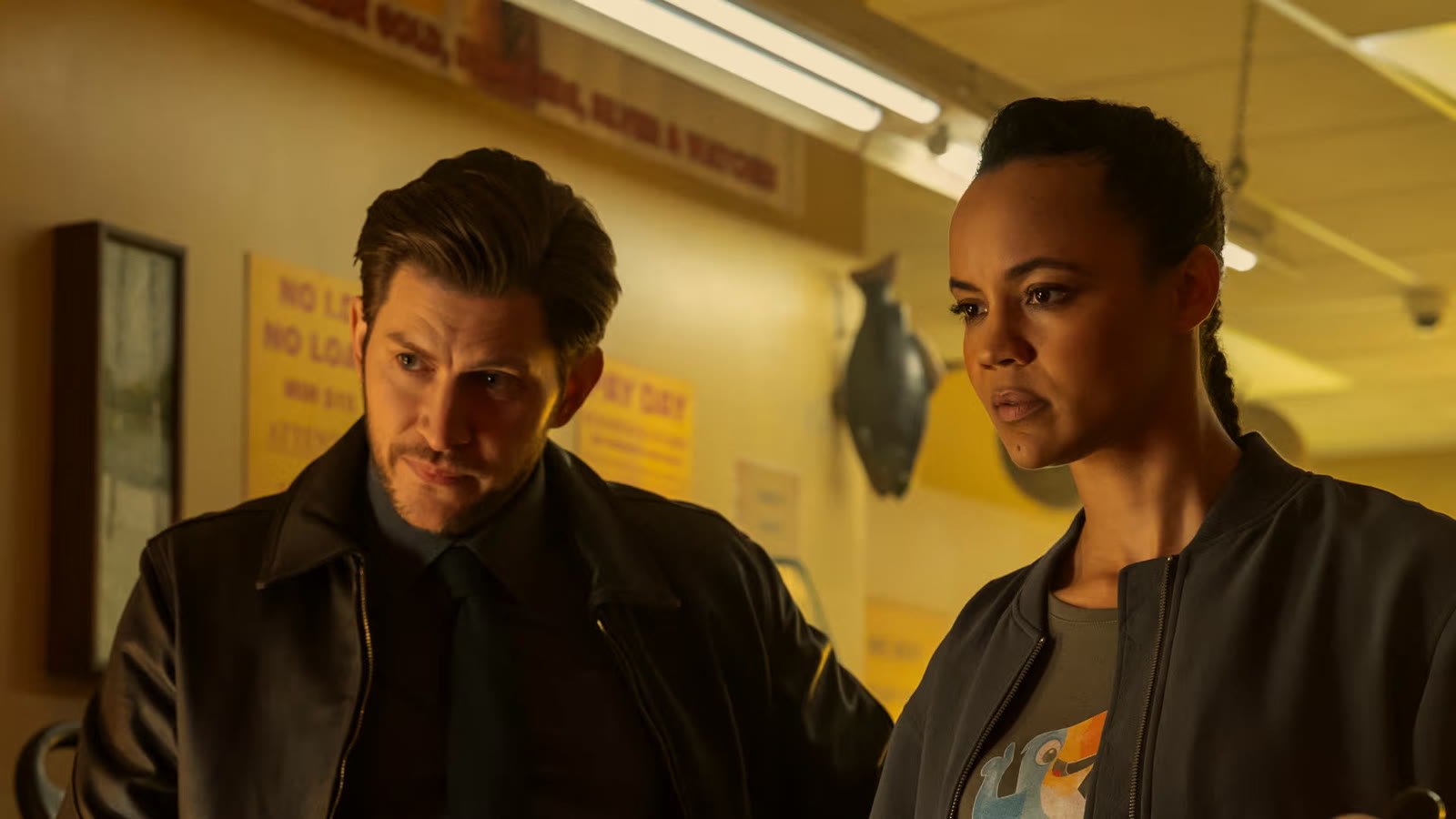
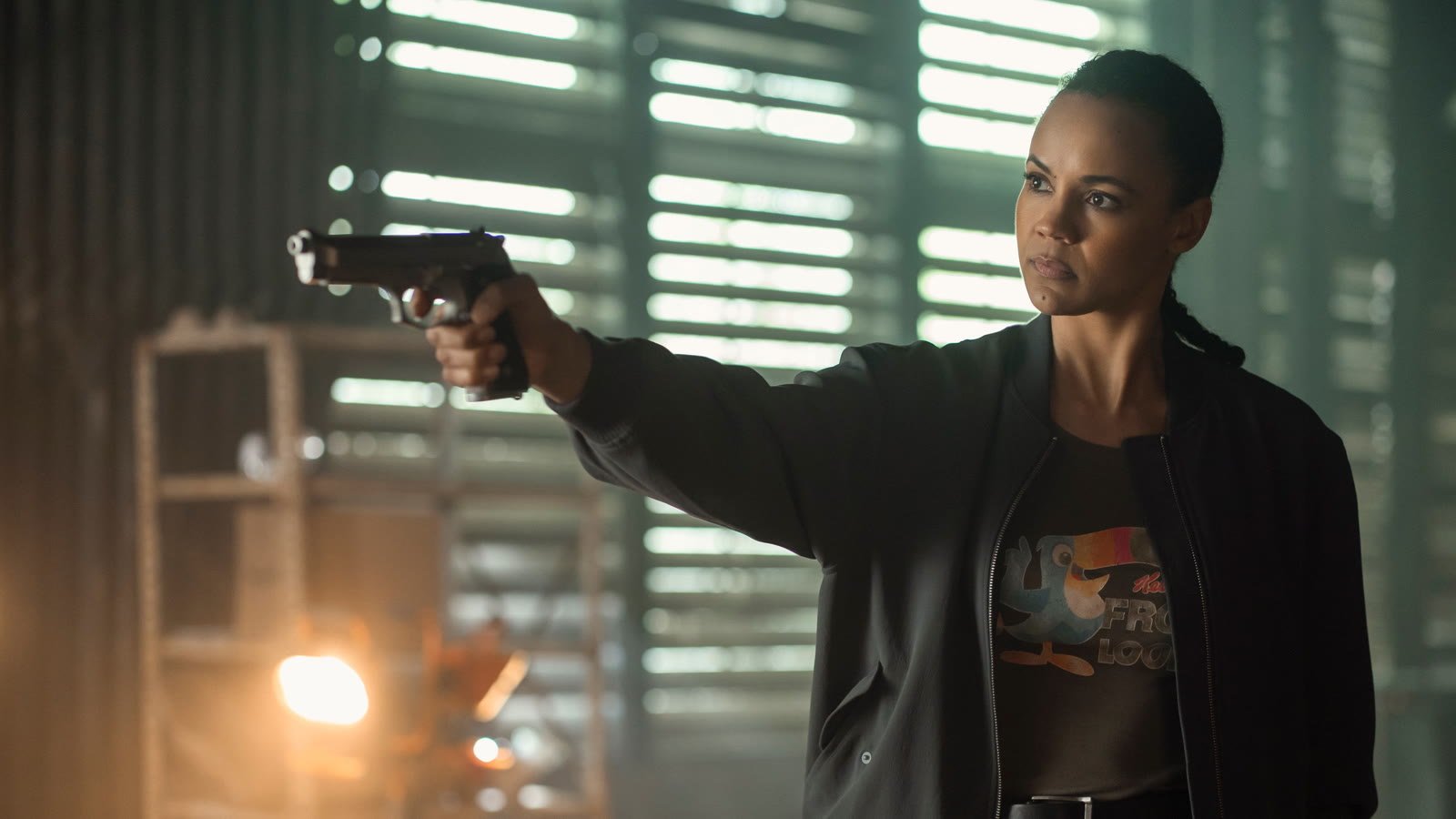
The premiere spends its first stretch on what her life looks like before the call comes. She is a private investigator in Chicago, which is her home town, and she is closing a kidnapping case when the series starts. Reacher helps her finish it, and they get the girl back while he deals with the men holding her in the way he deals with everything. Then she takes him to a Cubs game, tells him she is an acquired taste and makes it clear she does not need a partner. The news about Tommy lands after that, which is the point. The show establishes that she is fine on her own and then takes away the one person she was not alone with.
Somebody notices her asking questions straight away. On the drive back a truck rams her car over and over until she forces it off the road, and it explodes before she can reach whoever was driving. That is all still episode one. The police are calling Tommy a suicide and Neagley is not, so she starts with the obvious question, which is why every camera around that station broke on the same night.
One piece of footage survives, and it shows a young man named Keno (Jasper Jones) running from the scene. Keno turns out to be a foster kid who was there and saw what actually happened, which was a truck leaving at speed with buckwheat spilling out of the back of it. Buckwheat does not turn up in a Chicago train station by accident. It is grown at a place called Echo Canyon Farm, and that is where the season goes.
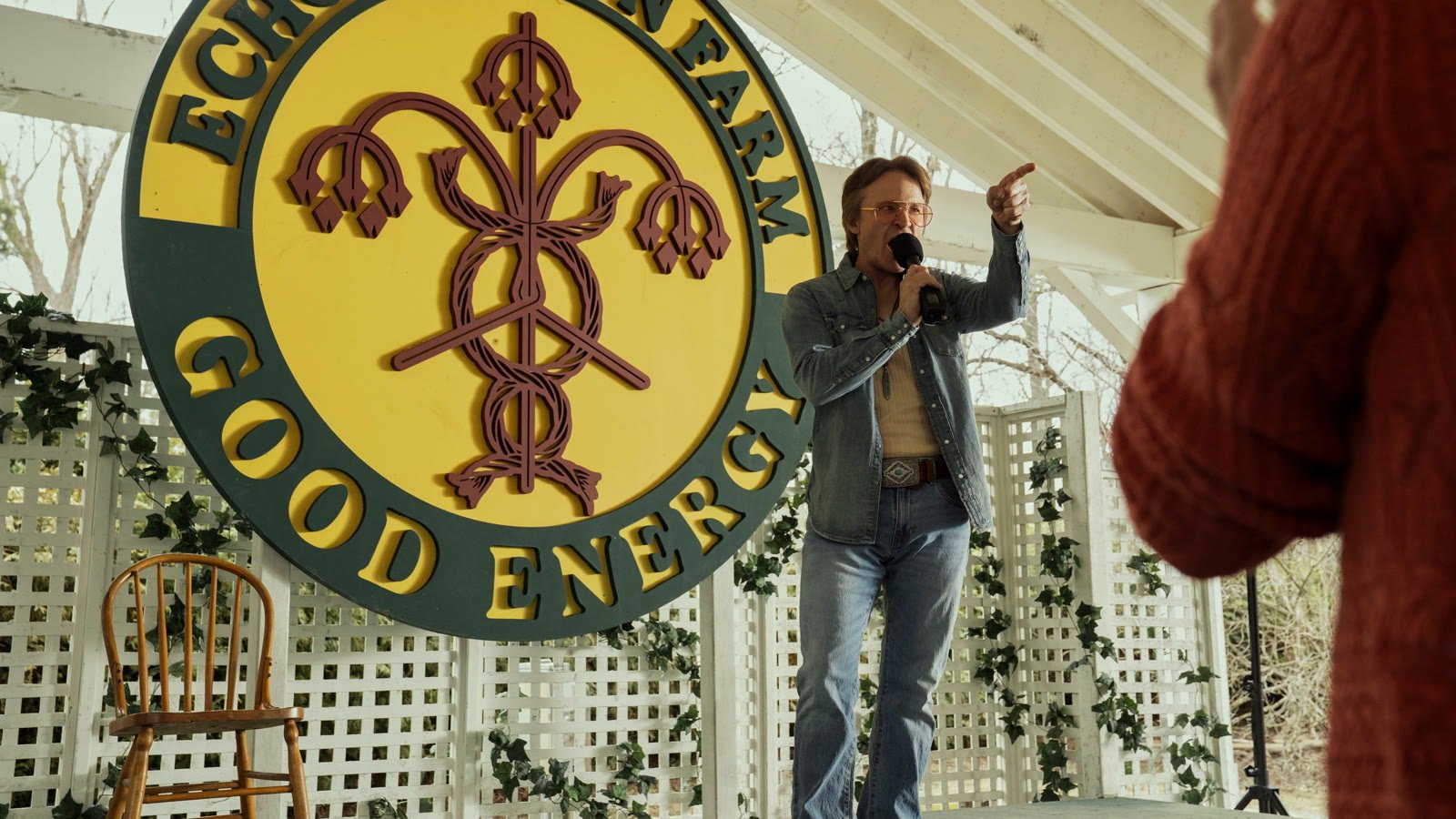
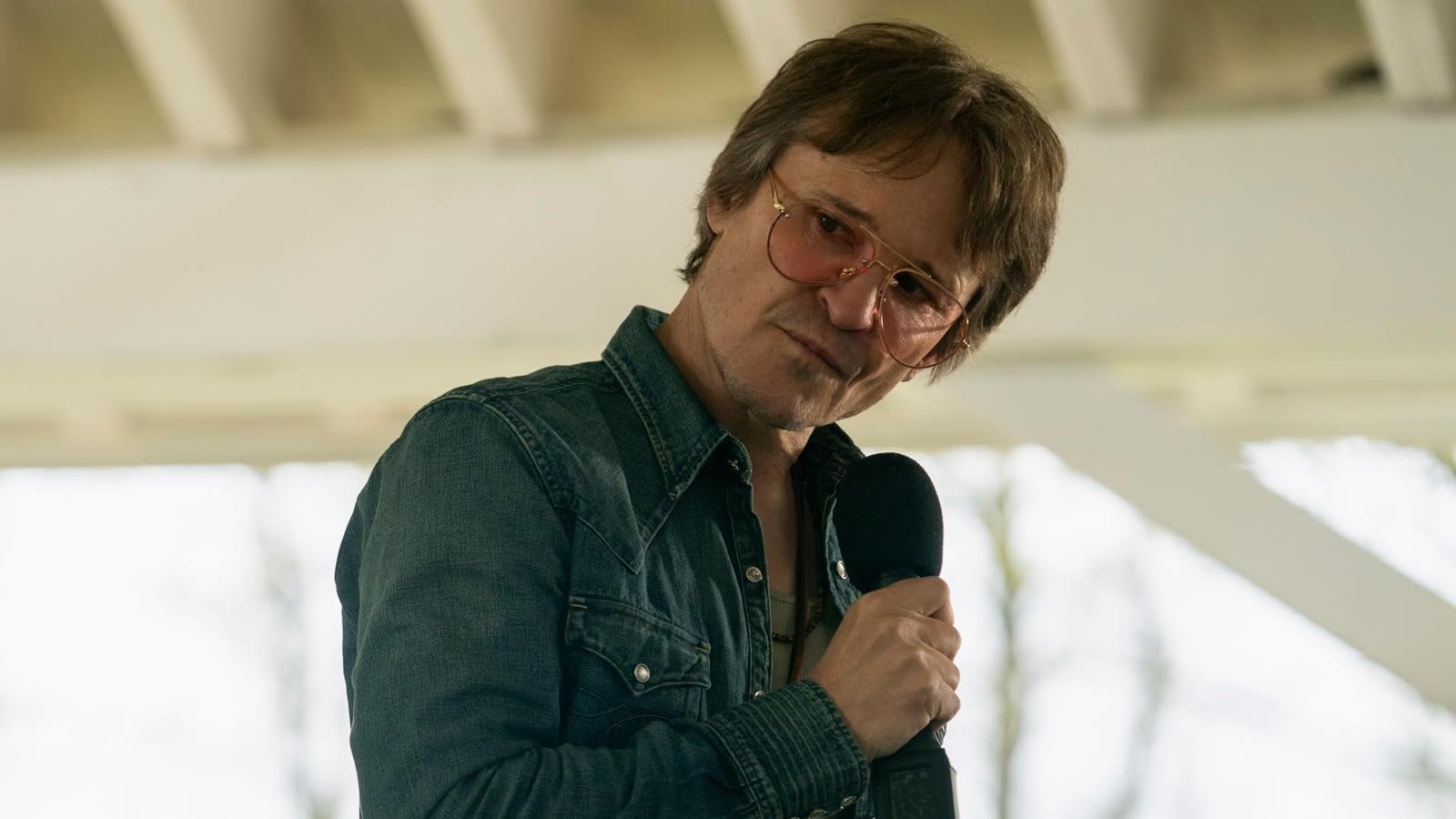
Echo Canyon is a wellness commune run by Lawrence Cole (Damon Herriman), and the show is precise about what kind of man he is. Cole was an English professor, then a folk singer, then a guru. That progression is the whole character. Herriman plays him warm rather than sinister, which is the correct choice and the reason the place works on screen. People go to Echo Canyon because their lives have stopped working. The actual business happens in a heavily secured barn, and the barn is monitored by somebody who does not live there.
That somebody is Pierce Woodrow (Matthew Del Negro), a pharmaceutical chief executive. Echo Canyon’s residents are his test subjects. The drug is called Tranqlara, it is an experimental psychedelic, and the money behind it belongs to a Swedish billionaire named Arvid Rawlings. Nobody at the farm consented to anything, and Tommy worked out what was being done to them. He was killed before he could say it out loud. The train was not a decision. It was a dose.
Neagley does not work this alone, which is the structural difference between this and “Reacher.” She teams up with Chicago detective Hudson Riley (Greyston Holt). Renee Birdwhistle (Adeline Rudolph) is a secretary at the investigations firm Neagley works out of, and she starts pulling camera records on her own initiative. Renee does not especially like Neagley, and she says she helps because she wants to be her, which is the most honest line anybody in the season gets. Keno goes from suspect to ally. By the back half these three are a team, and the show has quietly built the thing the title character spent the premiere insisting she did not want.
What separates this from a competent procedural is what the show does with Neagley herself. She does not shake hands and she does not like being touched. In “Reacher” that read as a quirk, and the books never bothered to explain it. The spin-off explains it, and the explanation is the best thing in the season. As a child she saw her father stab a paedophile named Elliot Percy to death. She ran, her father caught her, and he told her that nobody would ever be able to touch her again.
Read that line twice. It is meant as a promise and it lands as a sentence. A father tells a frightened girl she will never be touched, and she grows into a woman who cannot be. The show is careful not to spell it out and it does not need to, because Sten has been playing the symptom for two seasons of another programme. This is the first time anyone has bothered to write the cause.

The season also takes things away from her while she is working. Her boss at the firm dies, and her father dies, and both happen while she is chasing a case she took on because a third person she cared about was already gone. The show does not make a speech about any of it. It just keeps removing people and watching what she does, which is keep working.
The finale is the strongest hour of the eight. Rawlings decides to close the operation down, and his method is to blow the underground silo at Echo Canyon and dress the whole thing up as a mass suicide ordered by Cole. He also has Woodrow killed, because Tranqlara works now and the man who built it is a loose end. Neagley, Riley and Renee fight through the facility while the charges are already set. They get the surviving commune members out and they get Keno out, and they leave with the evidence.
Cole does not get out. Neagley breaks his leg so he cannot, then leaves him in a bunker that Rawlings’ men have already rigged, and walks away while it goes up behind her. She does not pull a trigger and the distinction is doing real work. Rawlings gets something more deliberate. She finds him outside his own office building and puts a dose of Tranqlara into him, and he takes his clothes off and walks into traffic exactly the way Tommy did in the first five minutes of episode one. It is the same beat played back at the man who paid for it. Whether that is justice or a murder is the argument the season wants you to have, and leaving it open is the right call.
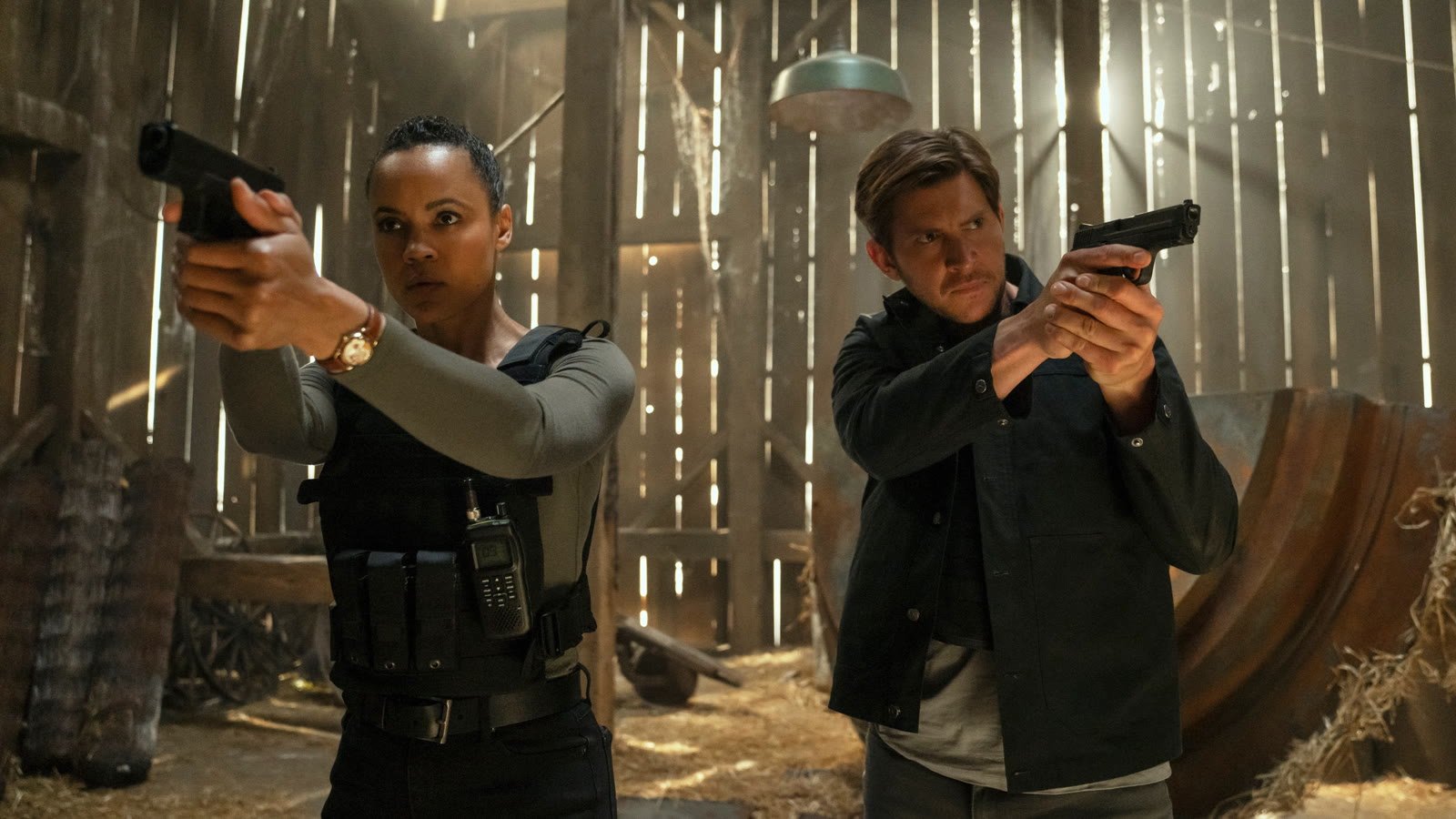
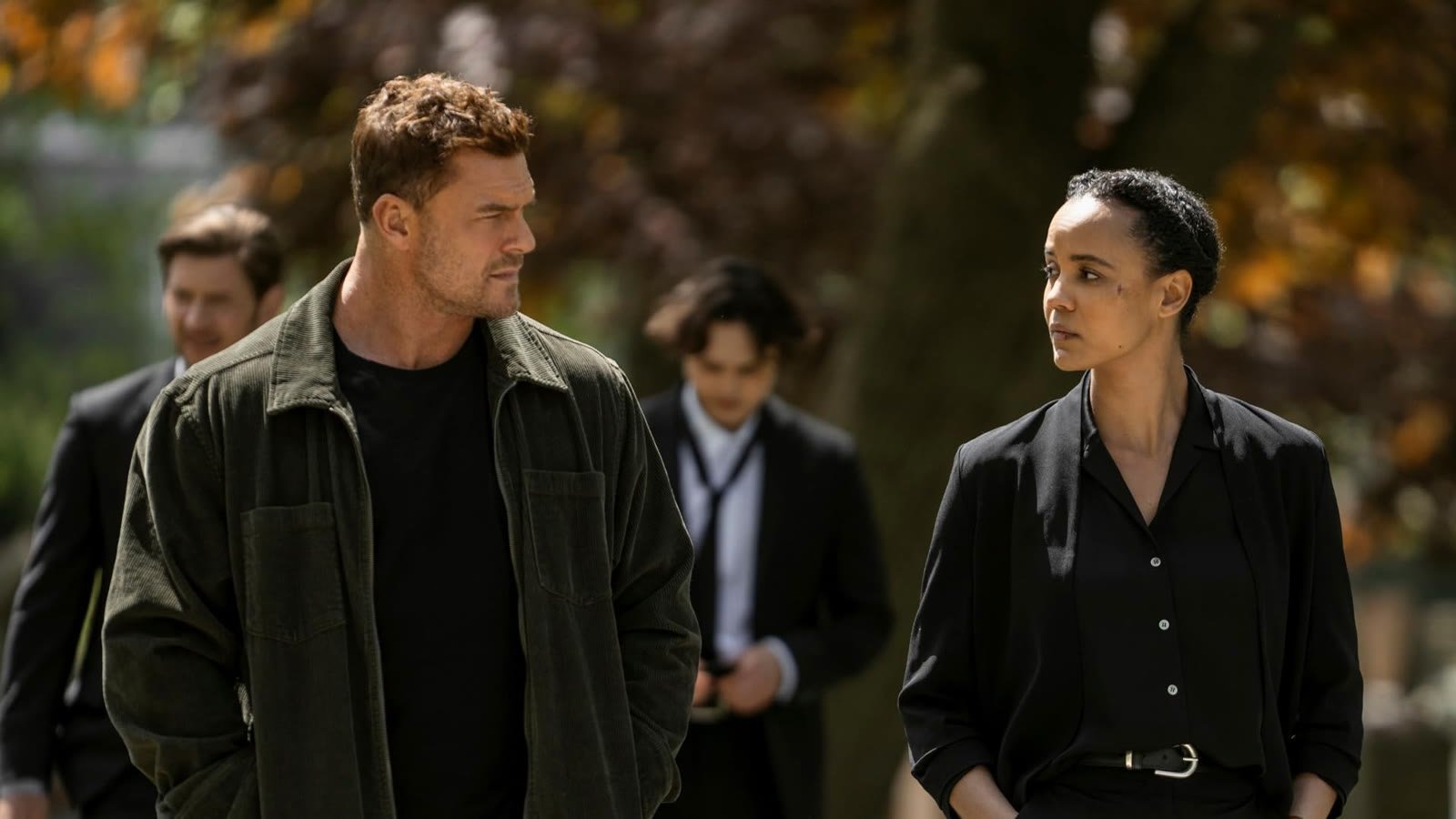
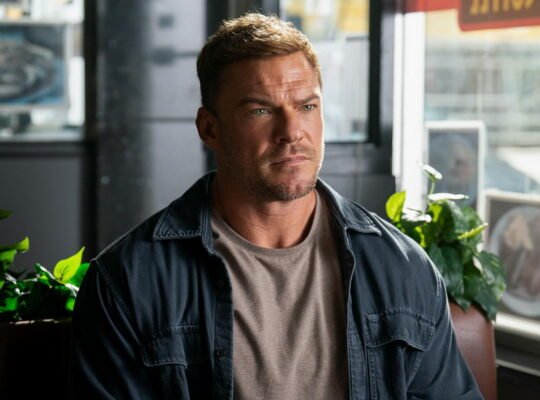
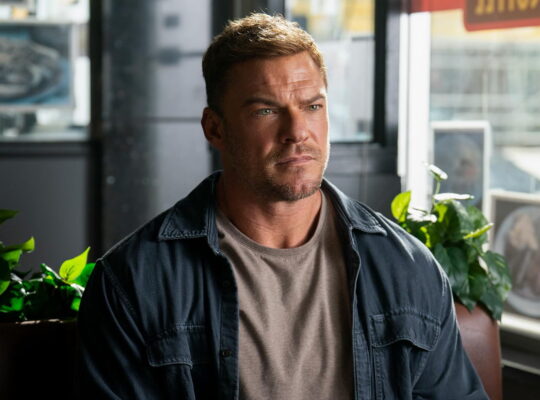
The closing stretch is quieter and better than the explosion. Neagley buys York Investigations from her dead boss’s widow and pays her five times what she asked for it. She hires Riley, Keno and Renee. Keno helps Renee find her brother Patrick. She starts therapy. At her father’s funeral Jack Reacher (Alan Ritchson) turns up, tells her it is nice to meet her, and she shakes his hand and remarks that his hands are surprisingly soft. After eight episodes explaining why she does not touch people, the handshake is the entire character arc in one gesture, and nobody puts a line of dialogue on top of it.
Critics have landed split and the split is fair. The pharmaceutical conspiracy is the most familiar thing in the eight hours, and if you have watched enough of these you will be ahead of it by episode four. The supporting bench is not familiar at all. Riley, Keno and Renee get interiors rather than jobs, and Herriman’s guru is the best guest performance this franchise has had. Set beside “Reacher,” this is a smaller show doing more detailed work on one person.
One structural note, because it explains the release strategy. “Reacher” ended season four this morning with no post-credits scene and no handoff to this at all. The connective tissue is all in here instead, in the opening minutes and then again at the graveside. Prime Video did not use the finale to advertise the spin-off. It used the spin-off to say goodbye to the finale, and that is a more confident move than it first looks.
What Do You Think? Was dosing Rawlings with his own drug justice for Tommy, or did the show let its hero commit a murder and dress it as poetry? Does explaining Neagley’s aversion to being touched make the character stronger, or did she work better as a woman nobody had figured out? And now that the franchise has proved it can write its own stories without Lee Child, should “Reacher” itself stop adapting the books?
See you on the next binge!