There’s a specific thrill that only comes around a couple of times a year, when NBC clears three straight hours of primetime and lets its Windy City heroes collide. On January 29, the “One Chicago” universe pulled off exactly that, a three-hour, three-show crossover event stretching across “Chicago Fire,” “Chicago Med,” and “Chicago P.D.”, and it reminded everyone why Dick Wolf’s shared-universe machine remains one of the most reliably satisfying things on network television.
The premise was pure disaster-movie catnip, scaled for a Wednesday night. A gas explosion tears through a high-rise, and suddenly all three branches of the city’s first responders are pulled into the same catastrophe. Firefighters race to pull hundreds of civilians out of a burning tower. Doctors brace for a flood of the wounded. And the police work the angle nobody wants to think about during a rescue, whether the blast was an accident at all. It’s the kind of sprawling, interlocking emergency that no single show could contain, which is precisely why the crossover format exists. Warning beyond this point there are spoilers for the January “One Chicago” crossover event across “Chicago Fire,” “Chicago Med,” and “Chicago P.D.”
Firefighters race to pull hundreds of civilians out of a burning tower. Doctors brace for a flood of the wounded.”
What elevated the stakes above the usual mass-casualty setup was the personal hook: forty people trapped deep underground, and two of them are part of the family. When the peril reaches into the ensemble itself, when it’s not anonymous victims but characters we’ve followed for seasons stuck beneath the rubble, the whole event stops being a spectacle and starts being a gut-check. That’s the trick these crossovers have always understood. The explosions get you in the door, but it’s the fear of losing someone you’ve watched for a decade that keeps you glued through all three hours.
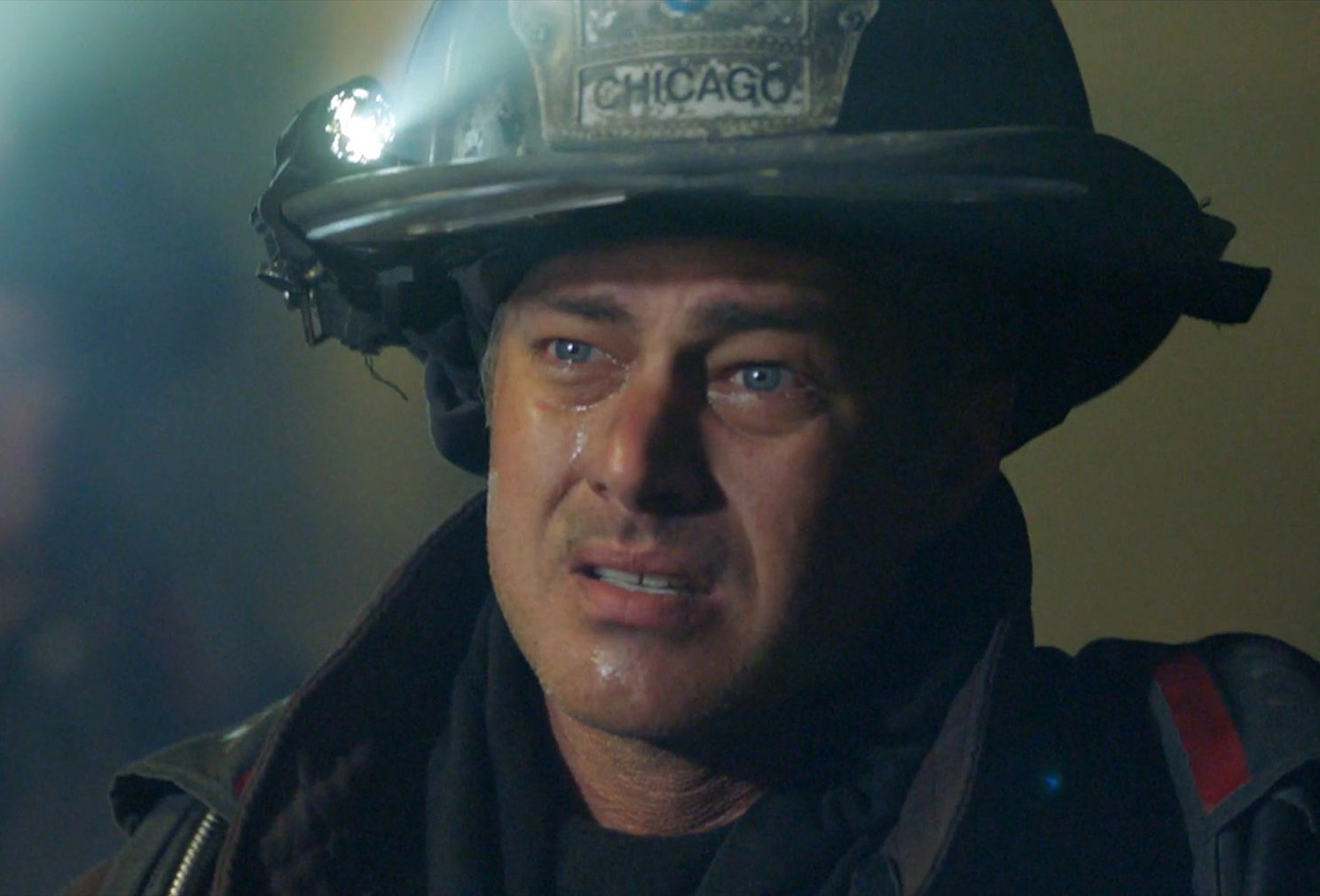
The structure of these events is a small marvel of television engineering. “Chicago Fire” kicks things off at eight, throwing Firehouse 51 into the inferno as Kelly Severide (Taylor Kinney) and the crew battle to reach the trapped. “Chicago Med” picks up the baton at nine, shifting the tension from the rescue to the emergency room, where survival suddenly depends on triage and split-second calls. Then “Chicago P.D.” closes at ten, with Hank Voight (Jason Beghe) and the Intelligence unit digging into what actually caused the blast. One night, one disaster, three completely different lenses on it: the rescue, the recovery, the reckoning.
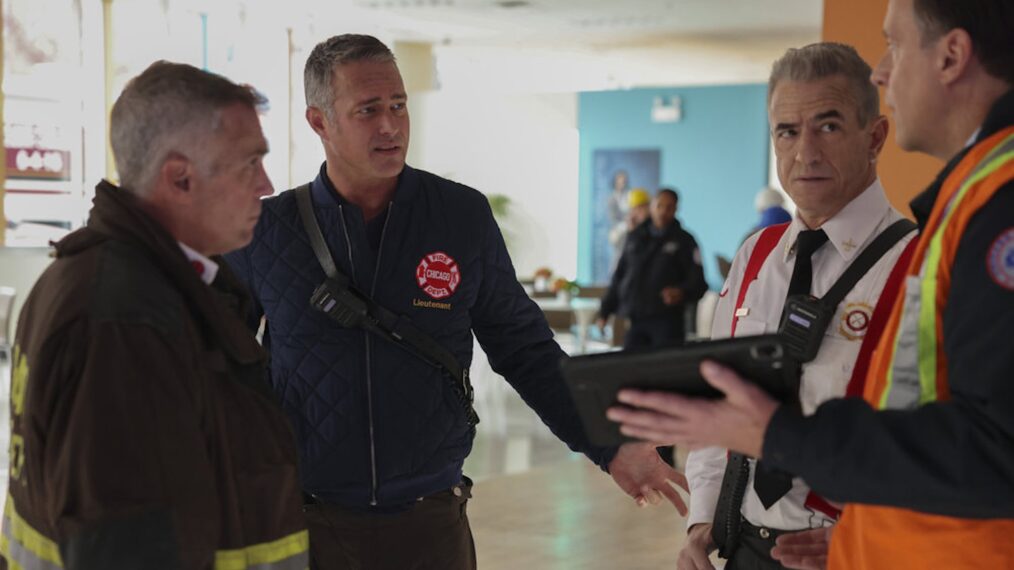
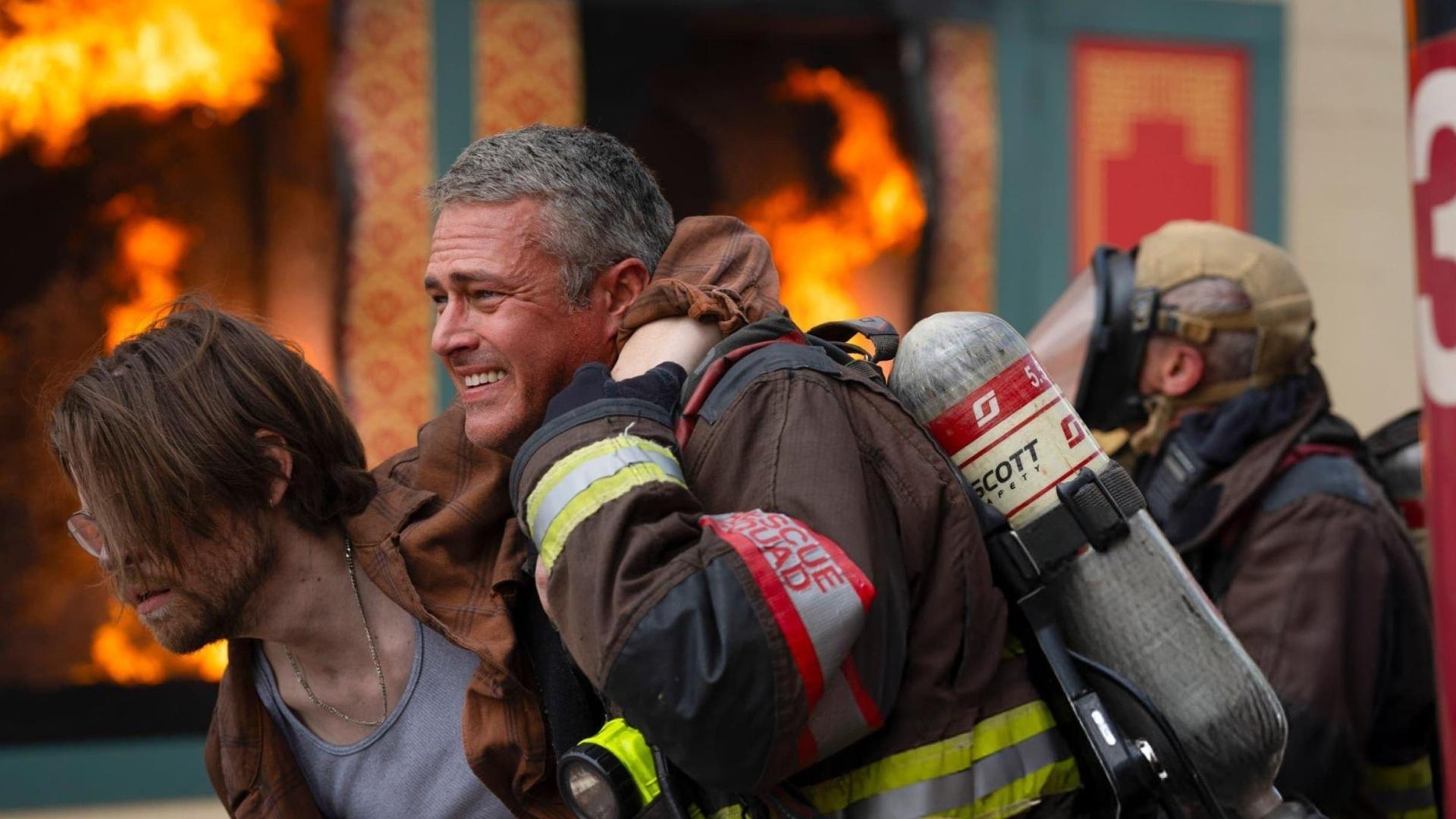
It’s easy to be cynical about network procedurals, and plenty of people are. But there’s real craft in making three separately-produced shows, each with its own writers, cast, and rhythm, feel like a single continuous story for one night. The handoffs have to be seamless, the timeline has to track, and the emotional throughline has to survive being passed between three different creative teams. When it works, and on the best of these nights, it really does, it delivers a scope that a standalone hour simply can’t touch. This is event television in the most literal sense.
The enduring appeal comes down to the “family” idea baked into the whole franchise. Across Fire, Med, and P.D., these characters aren’t just coworkers; they’re intertwined, they date each other, they grieve together, they show up when one of them is in trouble. A crossover weaponizes all that accumulated history at once. Watching a firefighter, a doctor, and a detective who know each other outside the job converge on the same disaster carries a weight that a fresh one-off never could. Years of quiet relationship-building pay off in a single high-pressure night.
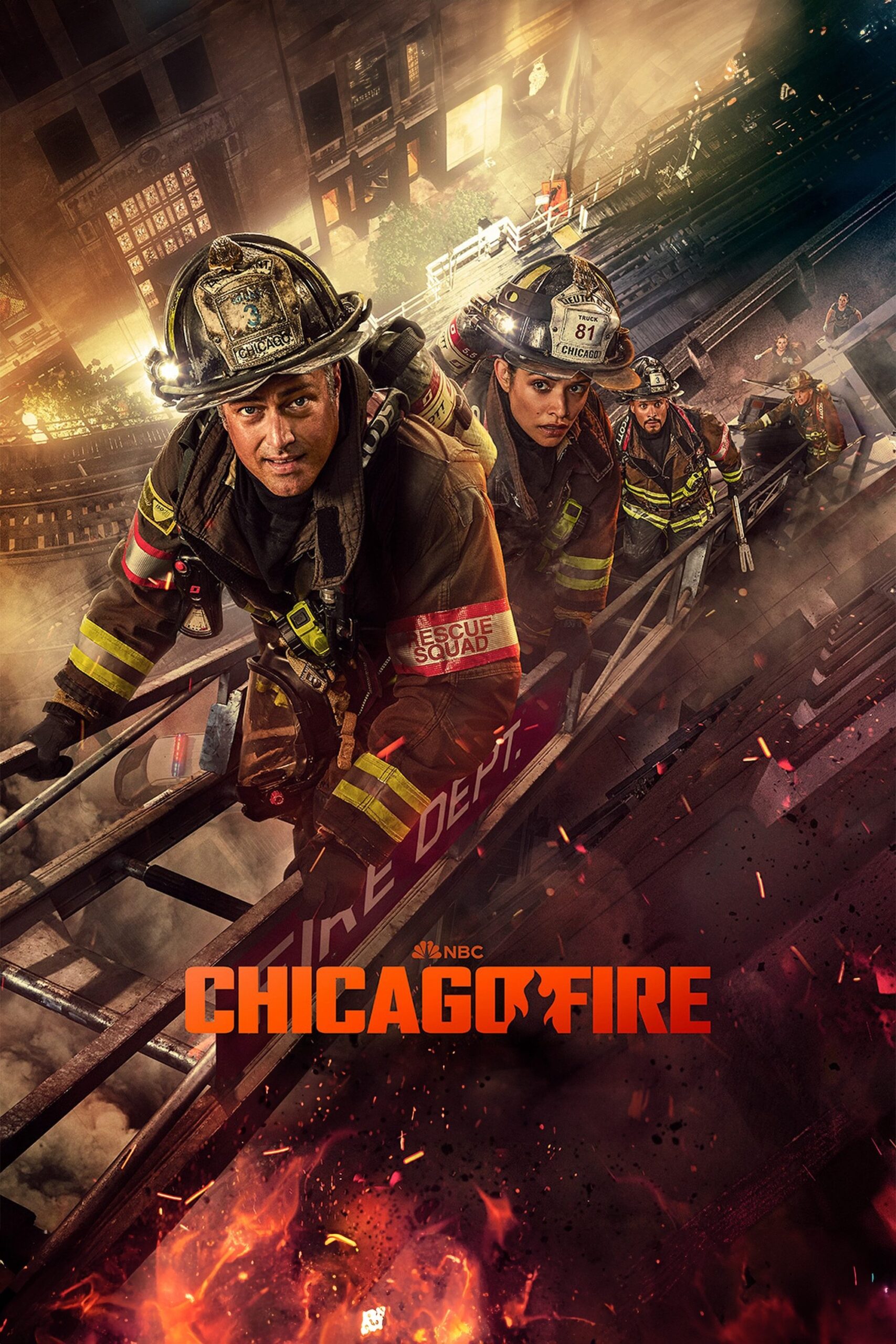
That the franchise can still muster an event this big deep into its run is a testament to how healthy the whole enterprise remains. NBC has renewed all three shows for another season, cementing “One Chicago” as a genuine pillar of the network’s identity in an era when scripted broadcast drama is supposedly dying. While flashier prestige shows come and go, Firehouse 51 keeps answering the bell, week after week, year after year. There’s something to be said for that kind of dependability, the comfort of knowing the crew will always run toward the fire.
Do these crossovers reinvent the wheel? No, and they don’t try to. The gas leak, the trapped victims, the race against the clock: the beats are familiar because they work. But familiarity isn’t the same as staleness when the execution is this assured and the emotional investment is this deep. The January event delivered exactly what it promised: three hours of white-knuckle rescue, high emotion, and the specific pleasure of watching a whole television universe pull together for one of its own. In a fractured media landscape, “One Chicago” still knows how to throw a party the whole city shows up for.
What Do You Think? Do the “One Chicago” crossovers work best when the disaster threatens the main characters themselves, or does raising the stakes that high every time risk crying wolf? Which of the three shows, Fire, Med, or P.D., carries the crossover format best, and why? And in an era where broadcast drama keeps getting written off, what is it about Dick Wolf’s shared-universe formula that keeps it thriving while flashier shows burn out?
See you on the next binge!