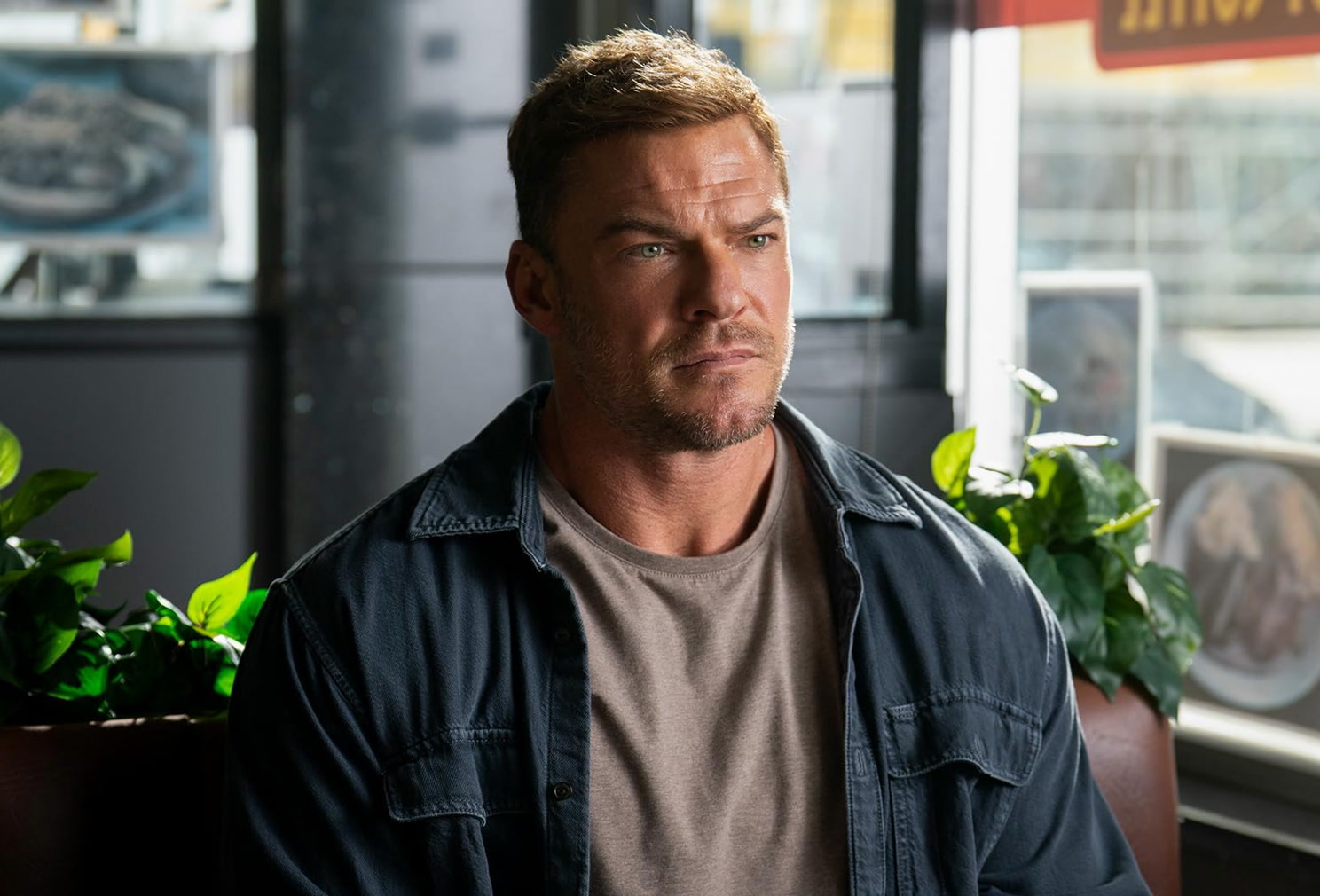
Three seasons in, “Reacher” has run the same beautiful trick every year. A very large man arrives somewhere he has no business being, a local institution turns out to be rotten, and roughly six hours later the institution is rubble and the man is back on a bus. It works because the show never pretends to be anything cleverer than that. Season 4 breaks the pattern, and the first thing worth saying about it is that Jack Reacher (Alan Ritchson) spends it moving away from something rather than planting himself in front of it. Polygon’s read was that Prime Video has put Ritchson in Mission: Impossible mode, and having watched what the season is selling, that is not a stretch.
Before we go further, two pieces of housekeeping that matter more than usual this time. This is a mostly spoiler-free review, deliberately so, because the season’s central reveal is the thing every critic has agreed to protect and we are not going to be the ones who wreck it. And the release pattern is unusual: only the first three of eight episodes landed on August 12, with the rest arriving weekly, while critics were handed the complete season in advance. So the reviews you are reading elsewhere are judging a whole story that you cannot finish for another month. That gap explains a lot of the disagreement, and it is worth holding in your head while you watch.
A very large man arrives somewhere he has no business being, a local institution turns out to be rotten, and roughly six hours later the institution is rubble and the man is back on a bus.”
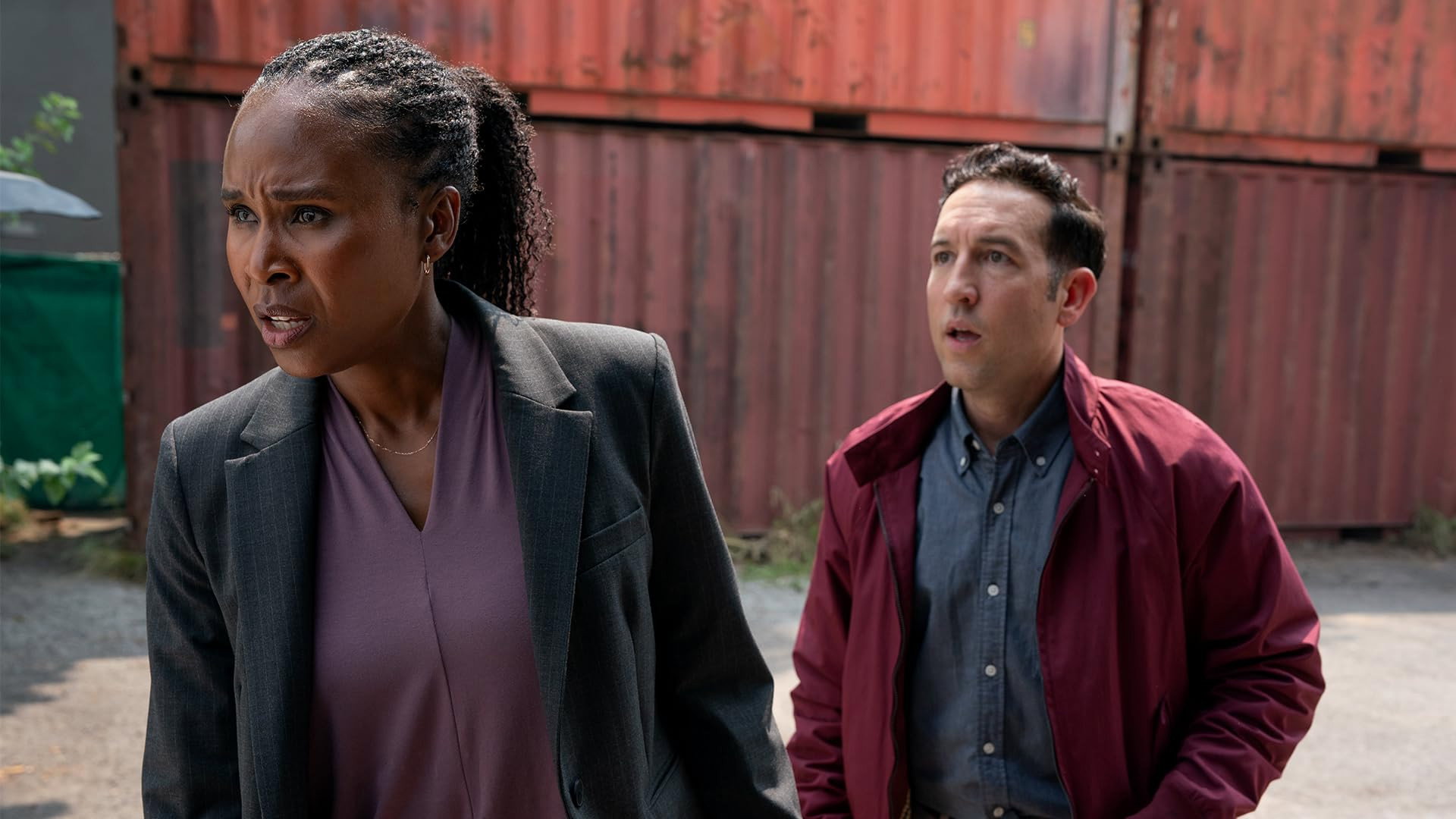
The source is Lee Child’s thirteenth novel, “Gone Tomorrow,” which is the one that opens on a subway car and a passenger who is very obviously about to do something terrible. The season keeps that shape, and the opening is the bleakest thing this show has attempted. Reacher watches a woman die in front of him, cannot stop it, and the rest of the story is him working backwards to find out who put her in that seat. That is a meaner engine than a corrupt sheriff or a dirty freight company, and it sets a tone the show has not really tried before. The new faces stack up quickly around it: Sydelle Noel as Detective Tamara Green, Christopher Marquette as Jacob Merrick, Kevin Corrigan as Detective Shaun Docherty, Agnez Mo as journalist Lila Hoth, and Marc Blucas and Kathleen Robertson as Congressman John Sampson and his wife Elsbeth.
What the premiere block is trying to do is withhold, and that is the season’s biggest gamble. Instead of naming the enemy in episode one and letting Reacher walk toward it, Season 4 keeps its antagonist and their motive deliberately offscreen and lets the ambiguity do the work. When it lands, it lands as dread. When it does not, it reads as the show stalling, and ScreenRant’s 8-out-of-10 review put its finger on exactly that, noting that the first half drags under all the secrecy and that information arrives in awkward lumps, including one dump delivered immediately before a sex scene. Three episodes is a slightly cruel place to be dropped in a season built this way, because you are getting all of the withholding and none of the payoff.
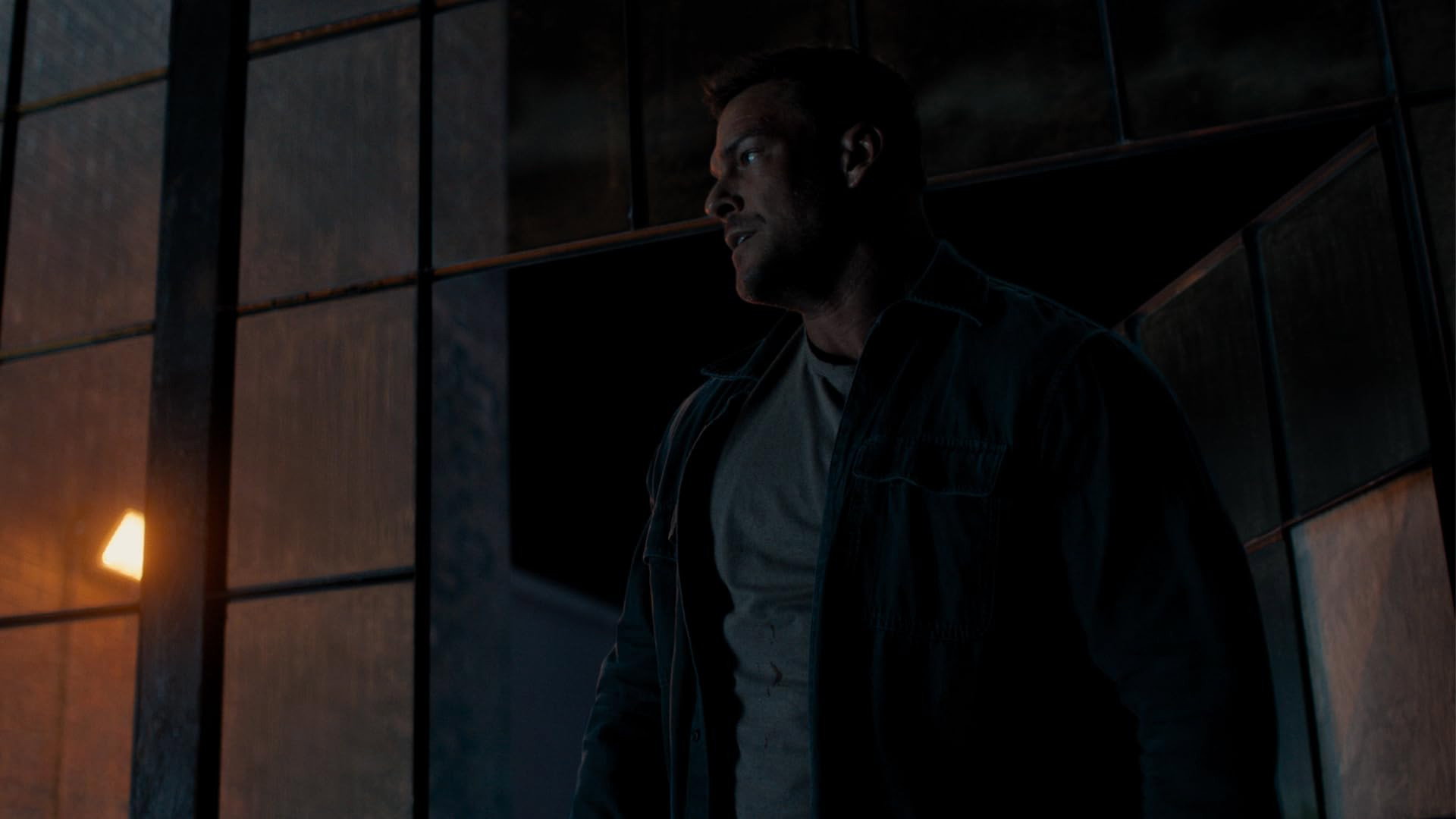
The action is where nobody disagrees, and it is genuinely different this year. The show has largely put the guns down in favour of knives, and the choreography has gone from brutal to something closer to sadistic. TheWrap flagged two moments that tell you the register: Reacher forcing an opponent’s hand into a shredder, and holding an assassin in an elevator shaft while the car comes down. ScreenRant singled out a bowling alley, a library and a stairwell, plus driving stunts and aerial work the series has not had the budget or the nerve for before. If you come to this show for the part where Ritchson turns a room into a physics lesson, Season 4 is the strongest it has been.
The other real change is that the season has a politics, and it is not subtle about it. TheWrap called it the most political season yet and pointed to material about American involvement in war crimes, with lines drawn back to how the West helped create the conditions for al-Qaeda. That is a heavy thing to bolt onto a show whose usual moral universe is smug rich men getting what is coming to them, and it is the sort of swing that either grounds the whole enterprise or collapses under it. SlashFilm, scoring it 7 out of 10, landed closer to the second reading, praising the season as pure Reacher while arguing the villain’s plan needed a more complicated threat behind it and that the performances get hammier and more arch once the mask is off.
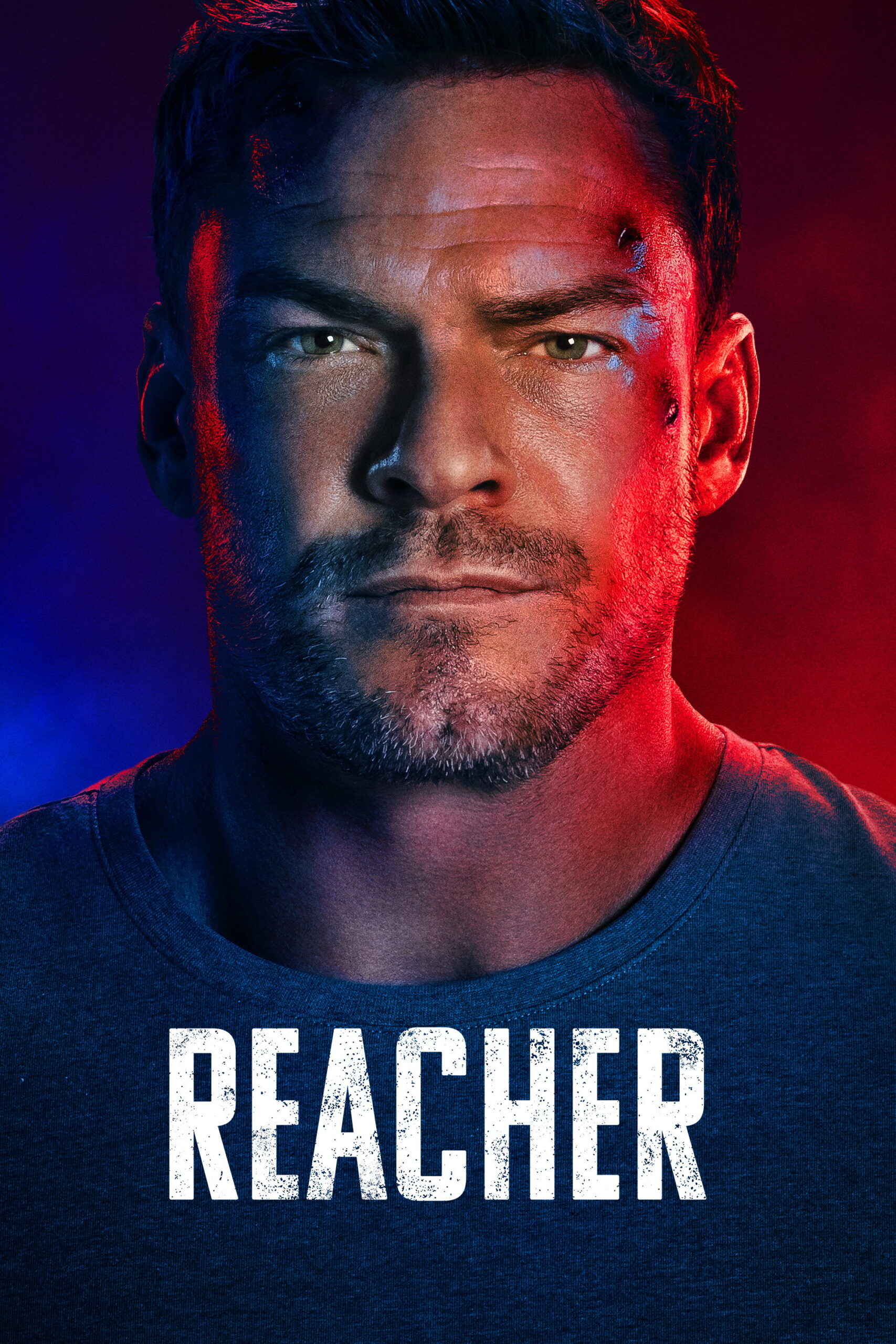
So why is the reception so split? Because the two halves of this season appear to be doing different jobs, and where a critic stopped enjoying it depends entirely on how they felt about the trade. The Hollywood Reporter framed the divide bluntly, rounding up verdicts that ranged from best season yet to critics admitting they were embarrassed to watch it. TheWrap thought the season elevates what Season 3 achieved and called its central twist arguably the best in the show’s run. ScreenRant, more measured, concluded it may not be the franchise’s highest point but does more than enough to continue the good work.
Our honest position after three episodes is that this is the most ambitious “Reacher” has been and the least certain of itself. The subway opening is the best cold open the show has produced. The knifework is outstanding. Christopher Marquette’s Merrick is the most useful new sidekick since Frances Neagley became a fixture, and there is a running gag involving a kitten that has no business working as well as it does. But the withholding is a real cost, and paying it weekly rather than in one sitting is going to test people. Prime Video handing critics all eight episodes while giving viewers three is a choice that flatters the reviews and slightly punishes the audience, because the complaint about a saggy first half only makes sense if you know a second half is coming to fix it. We will know whether it does around the middle of September. On the evidence in front of us, the swing is worth respecting even where it wobbles.
What Do You Think? Does putting Reacher on the run break the one formula that made this show reliable, or is it exactly the shake-up it needed before Season 5? Is a season built on withholding its villain fair to an audience getting it three episodes at a time while critics judged all eight at once? And does bolting real-world war-crime politics onto a series about a drifter breaking bones deepen it, or ask it to carry more than it was built for?
See you on the next binge!