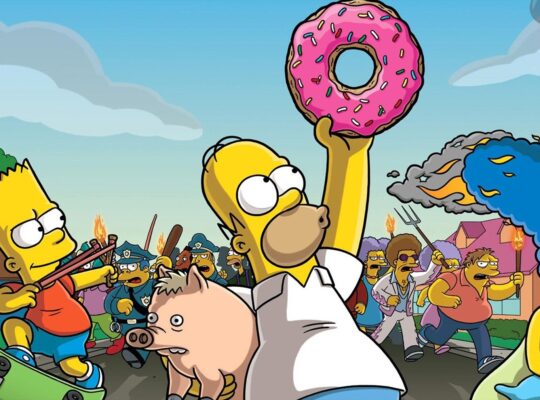
For a few genuinely unhinged weeks, a large chunk of the internet was convinced “The Simpsons” had killed off Marge. It hadn’t. Sort of. The Season 36 finale, an episode called “Estranger Things” that aired back on May 18, 2025, dropped a future-set storyline in which Marge Simpson (Julie Kavner) dies, and the reaction was so immediate, so loud, and so emotional that the show’s own producers had to step in and talk everyone off the ledge. After nearly four decades on the air, the world’s most famous animated family proved it can still stop the internet cold with a single plot beat.
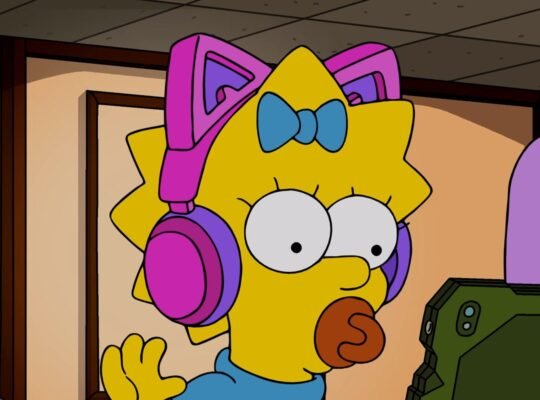
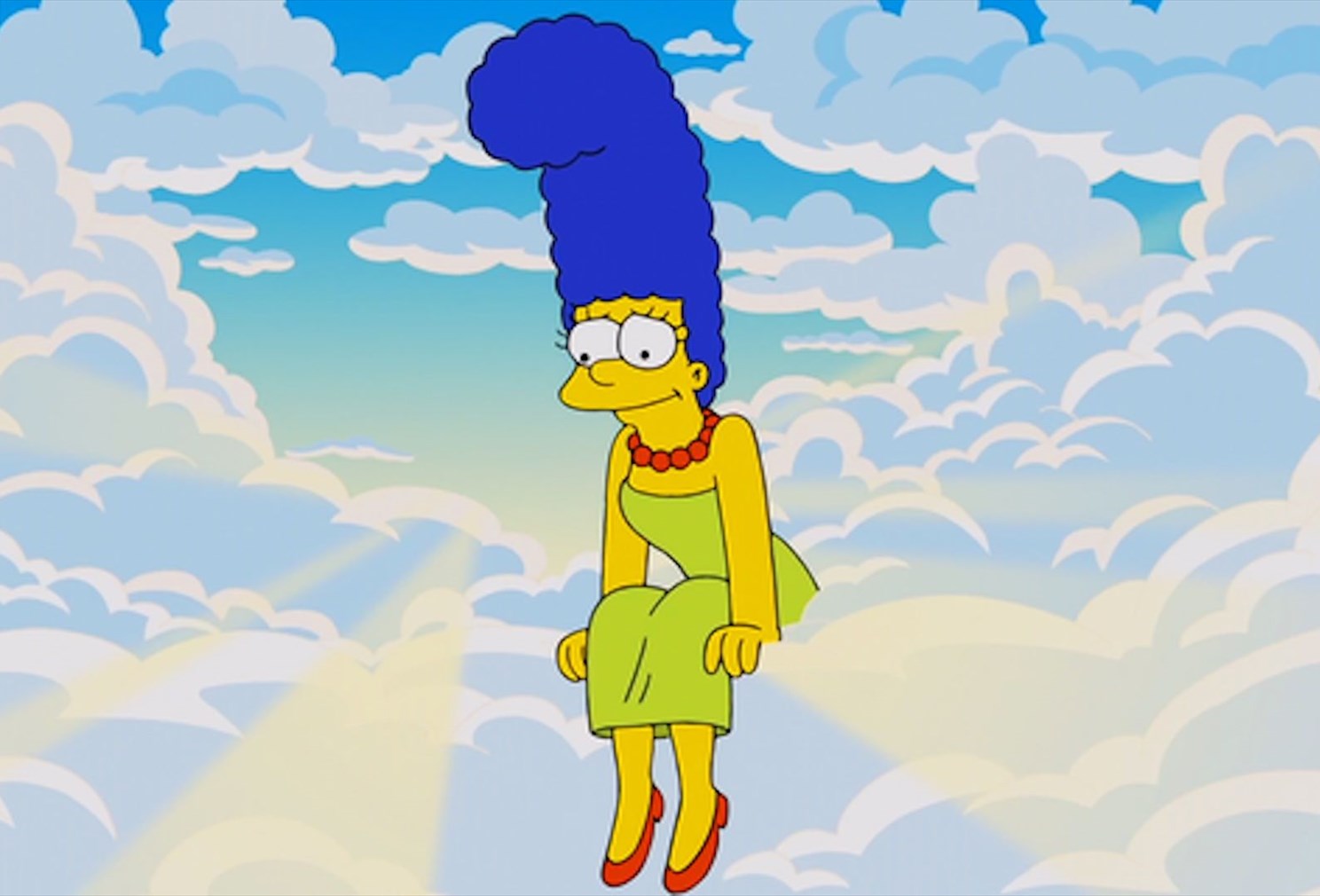
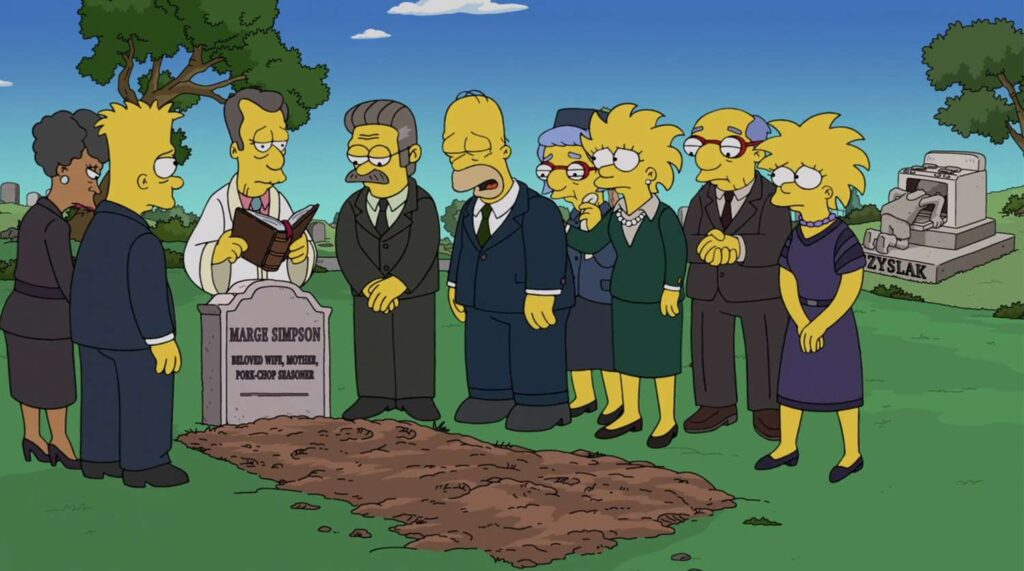
Here is what actually happened, because the headlines got way ahead of the facts. “Estranger Things” is built around Bart and Lisa drifting apart: they stop watching “Itchy & Scratchy” together, patch things up, and then the episode flings itself years into the future to show where everyone ends up. In that flash-forward, Marge has passed away. Lisa has become commissioner of the NBA. Bart runs an unlicensed retirement home where a very elderly Homer now lives. And Marge, watching all of this from heaven, is carrying on a romance with Ringo Starr. It is exactly the kind of gleefully absurd, swing-for-the-fences future gag the show has done a hundred times. And this time, people took it literally. Warning: beyond this point there are spoilers for The Simpsons Season 36 finale and its future-set storyline.
After nearly four decades on the air, the world’s most famous animated family proved it can still stop the internet cold with a single plot beat.”
The outcry was something to behold. Longtime fans flooded Reddit and X to mourn a cartoon character as if a real funeral had been announced. Tribute posts went up. Fan art poured out. Memes multiplied. For a show that has been accused for years of fading into background noise, the sheer volume of grief was, frankly, a backhanded compliment: you do not mourn a character you have stopped caring about. Marge Simpson has been the quiet moral center of this family since 1989, the long-suffering blue-haired glue holding a chaotic household together, and the reaction proved how deeply that quiet steadiness is woven into the culture.
Then the producers stepped in to point out that everyone was reacting to a future that the show does not even consider real. Executive producer Matt Selman put it about as bluntly as a person can, noting that after roughly 790 episodes, “there is no canon” on “The Simpsons.” The whole thing was a speculative, non-canonical flash-forward, one of many possible futures the series has floated over the decades, no more binding than the episode where Lisa becomes president or any of the show’s other what-if leaps. Selman even offered the reassurance fans apparently needed to hear out loud: Marge “will probably never be dead ever again.” Crisis averted. Blue hair intact.
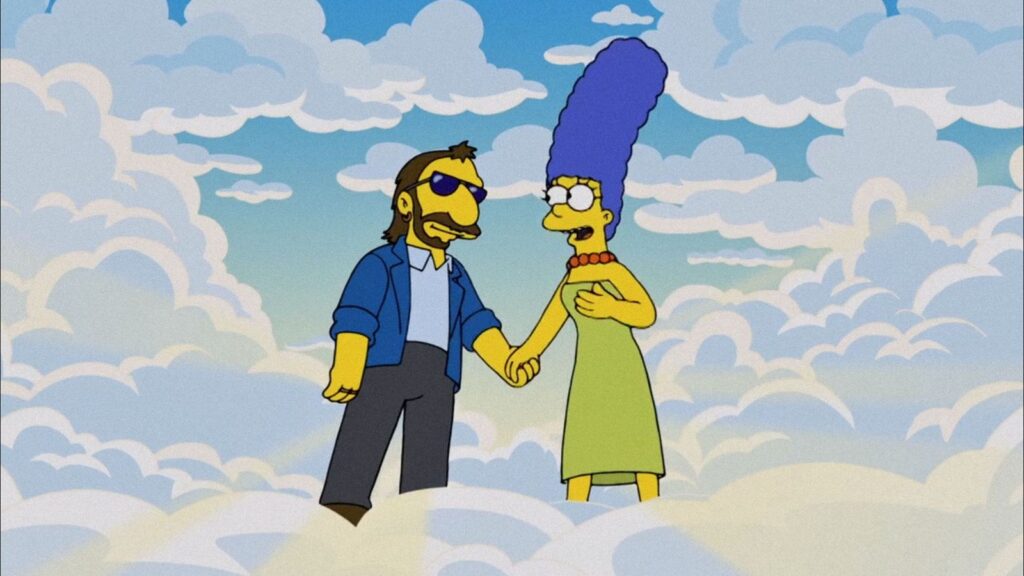
Let us be honest about why this landed the way it did, because it is more interesting than a simple misunderstanding. “The Simpsons” has trained its audience over 36 seasons to treat its future episodes as fun nonsense, elastic and disposable. But we live in a different media environment now, one where every franchise is obsessed with canon, timelines, and continuity, and where killing a beloved character is a genuine marketing event. Audiences have been conditioned by decades of prestige TV and cinematic universes to assume that a death means something permanent. So when a show that predates all of that pulled its usual future-gag trick, a big slice of the audience read it through modern rules and panicked.
The whole affair is kind of a wonderful reminder that “The Simpsons,” a show routinely written off as a zombie shuffling along past its prime, still has the cultural muscle to dominate a news cycle over the fake death of a fictional mother. That is not nothing. Plenty of shows in their prime cannot generate a fraction of that reaction. Whatever you think of the current era of the series, the emotional connection to these characters clearly runs bone-deep, and “Estranger Things” accidentally proved it.
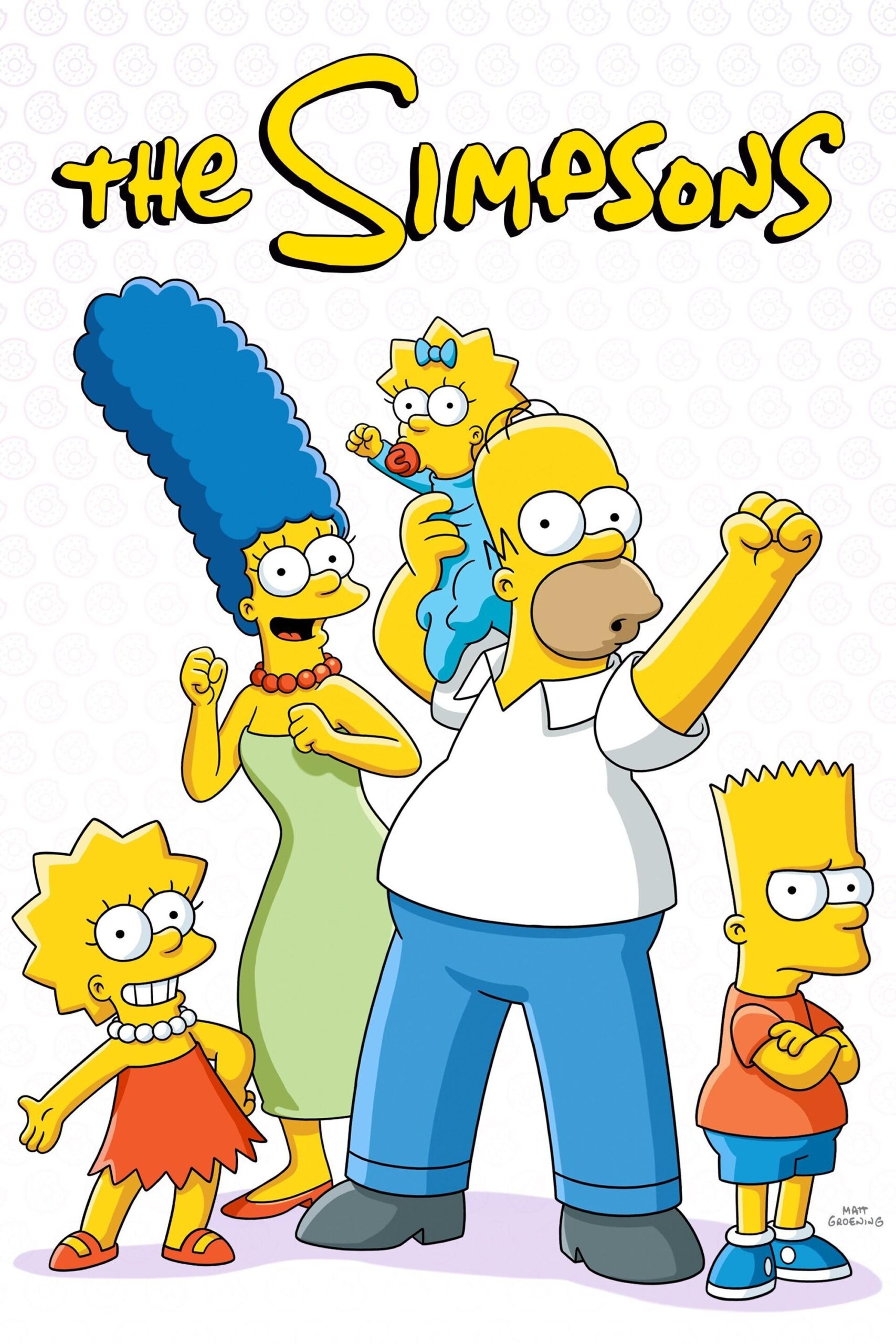
For those tracking “The Simpsons” as the sprawling, continuity-optional institution it is, this is a perfect little case study in how the show operates and how the audience has changed around it. The series bends time, kills and un-kills, ages its characters up and snaps them back, all without ever committing to a fixed timeline: that flexibility is its superpower and the reason it can run forever. The panic over Marge was really a collision between an old show’s rules and a new audience’s instincts. Marge is fine. Springfield is eternal. And the affair with Ringo Starr will, mercifully, remain a heavenly rumor.
What Do You Think? Does the intensity of the reaction to Marge’s fake death prove “The Simpsons” still matters more than its critics admit, or just that fans forgot how the show’s future episodes work? In an era obsessed with canon and permanent consequences, should a nearly-40-year-old series lean into its no-rules flexibility even harder, or does that make its emotional beats impossible to take seriously? And after 36 seasons, is there any character death Springfield could actually make stick, or should it never even try?
Catch up properly: every Simpsons season, special and movie in chronological order on our Timeline Hub’s Simpsons timeline.
See you on the next binge!