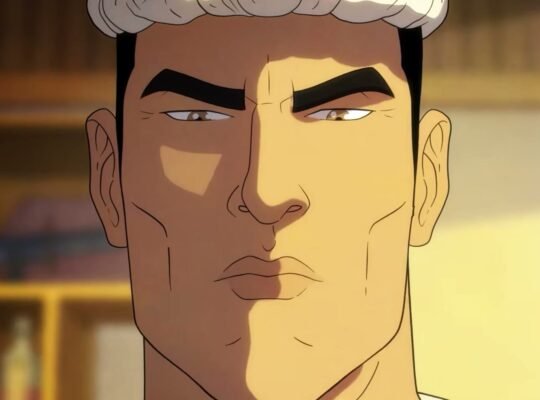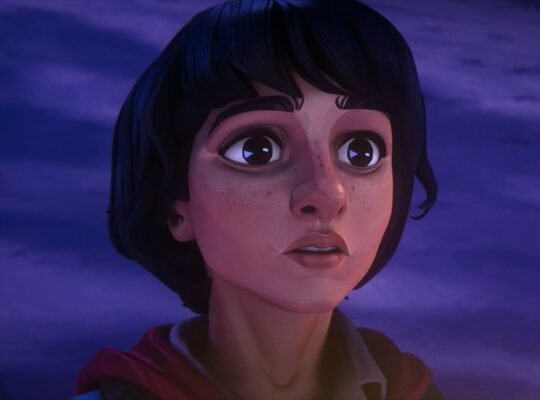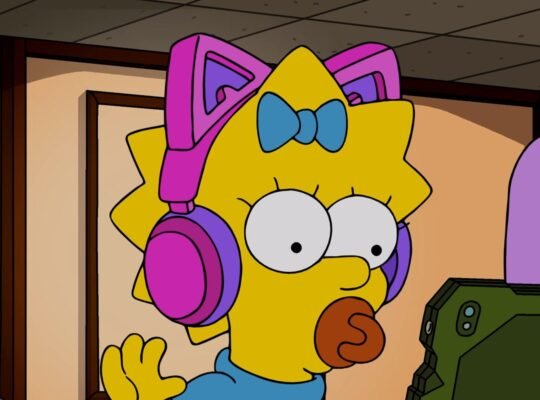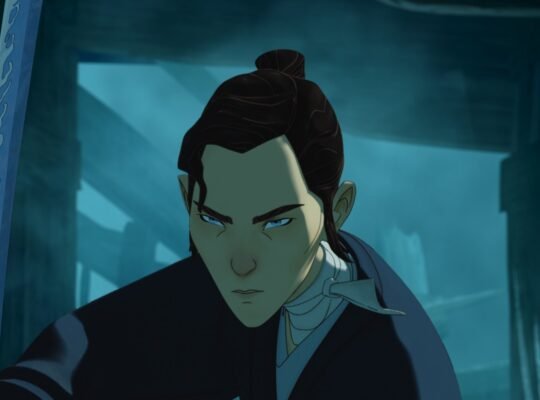

Of all the swings “Star Wars” has taken in the Disney era, few have paid off as cleanly as “Visions.” Hand the galaxy to the world’s best anime studios, tell them to ignore continuity and just make something beautiful, and let them cook. Volume 3 arrived on Disney+ on October 29, and the anthology that freed “Star Wars” from its own rulebook is back with nine new shorts, and this time, some of the most beloved stories are getting sequels.
The premise remains the secret sauce. “Visions” isn’t canon, and that’s precisely why it works. Cut loose from timelines, legacy characters, and the pressure to set up the next thing, animators get to treat “Star Wars” the way it was always meant to be treated, as pure myth, a sandbox of lightsabers and the Force where anything goes. The result across the first two volumes was some of the most visually daring and emotionally direct work the franchise has produced in years, full stop. Warning: beyond this point there are spoilers for Star Wars: Visions Volume 3 and which fan-favorite shorts are getting continuations.
Hand the galaxy to the world’s best anime studios, tell them to ignore continuity and just make something beautiful, and let them cook.”
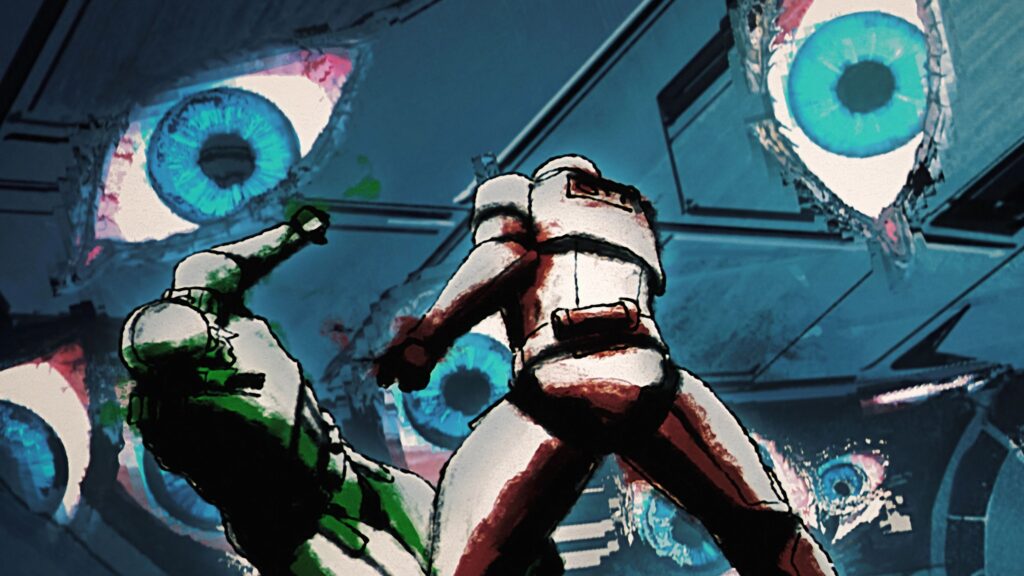
Volume 3 gathers nine shorts from nine Japanese studios, a murderers’ row of animation houses including TRIGGER, Production I.G, WIT STUDIO, Kinema Citrus, and Polygon Pictures. Each brings its own house style, its own palette, its own idea of what a “Star Wars” story can look like, which is the entire appeal: one anthology, nine wildly different visions of the same galaxy, with nothing tying them together except the Force and a whole lot of ambition.
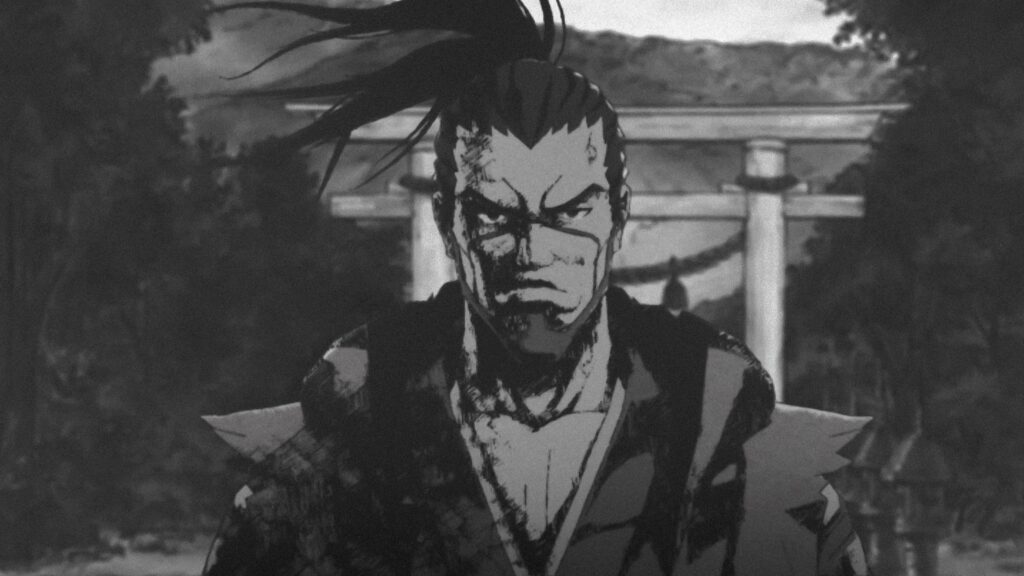
The headline for returning fans is the sequels. This volume brings back Ronin from “The Duel”, the wandering, umbrella-wielding gunslinger who opened the very first “Visions” and instantly became a fan favorite, along with F from “The Village Bride” and Lah Kara from “The Ninth Jedi.” Continuing specific shorts is a shift for an anthology built on one-and-done stories, and it’s a smart acknowledgment that some of these characters struck a deep enough chord to deserve more. The Ronin’s return alone is worth the price of admission for anyone who’s been chasing that first-volume high.
The voice work is stacked, too, across both Japanese and English casts, with names like Stephanie Hsu, Brian Tee, Kimiko Glenn, Emma Myers, and Sonoya Mizuno lending their talents. That’s the kind of roster that signals how seriously everyone involved takes this project. “Visions” isn’t a throwaway side experiment anymore, it’s a prestige showcase that top-tier talent actively wants to be part of. What started as a curiosity has become one of the most respected corners of the whole franchise.
What makes “Visions” quietly important is how it expands what “Star Wars” is allowed to be. The films and live-action shows carry the weight of an ongoing continuity, forever answering to what came before and setting up what comes next. “Visions” answers to nothing but its own imagination, and in doing so it reminds you how flexible this mythology actually is, how a galaxy far, far away can hold a samurai epic, a fairy tale, a rock opera, and a ghost story without breaking a sweat. It’s the franchise at its most playful and, often, its most moving.
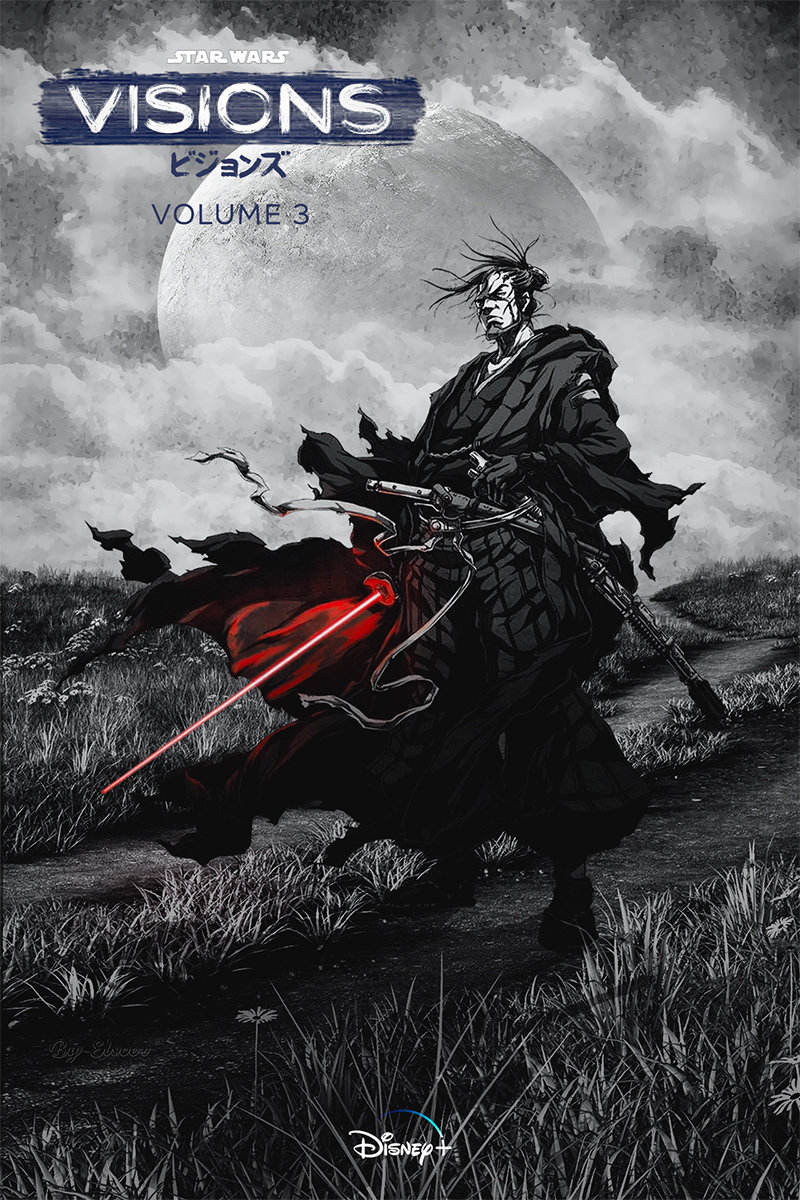
For anyone who’s felt boxed in by “Star Wars'” endless interlocking timelines, Volume 3 is the antidote, a reminder that the best thing about this galaxy is how much room it has for pure, unfiltered creativity. Nine studios, nine visions, a few beloved returns, and zero obligation to fit any of it into a larger plan. That freedom is the whole point, and it’s why “Visions” keeps landing when so much else has to play it safe.
What Do You Think? Does giving “Visions” shorts like “The Duel” direct sequels enrich the anthology, or chip away at the one-and-done magic that made it special? Should “Star Wars” take the creative freedom of “Visions” and apply it to more of its canon projects, or does the non-canon status make the boldness possible in the first place? Out of all the “Visions” shorts so far, which one deserves to be expanded into a full series, and would a longer format help or hurt what makes it work?
Catch up properly: every Star Wars film and series in chronological order on our Timeline Hub’s Star Wars timeline.
See you on the next binge!