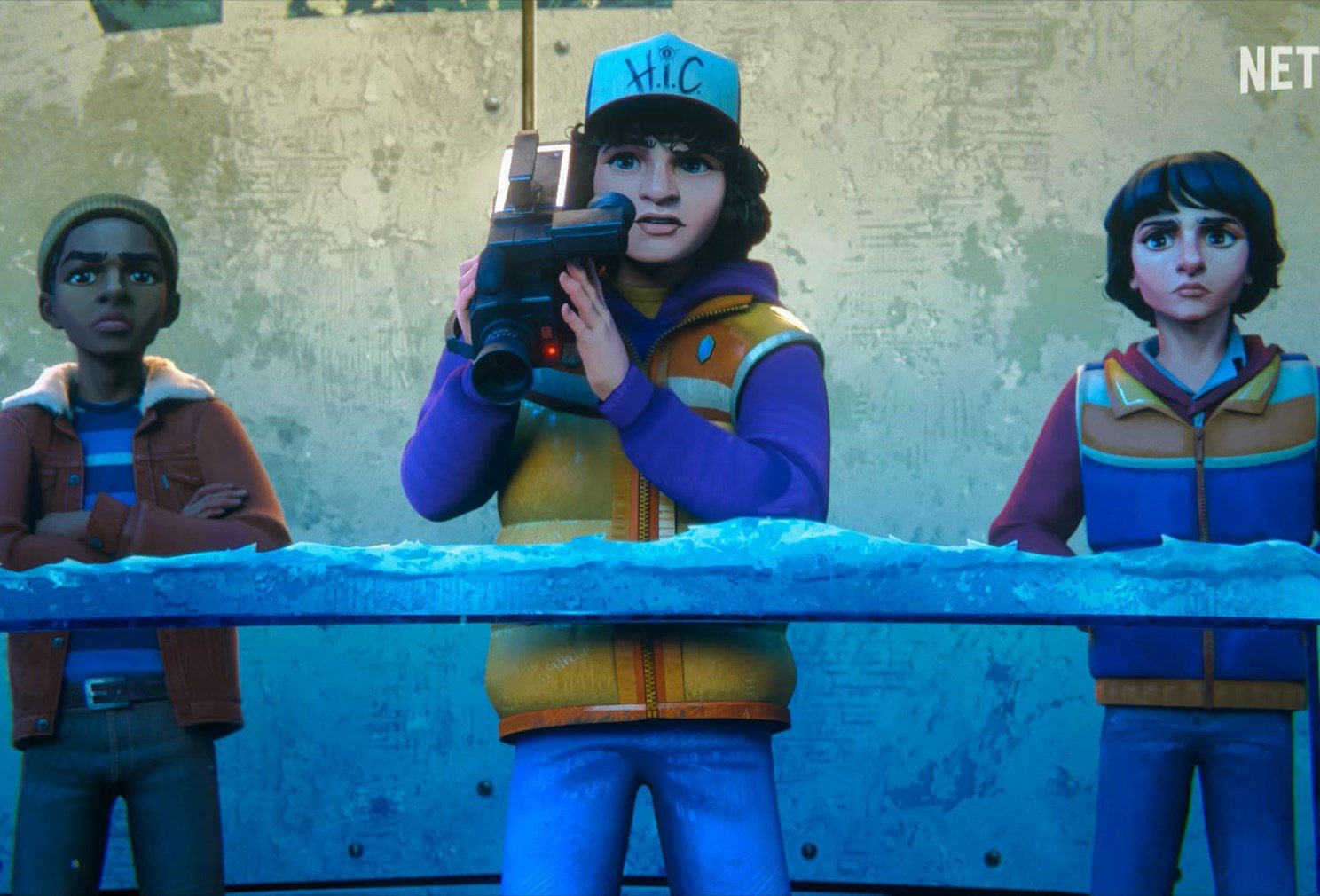
Eleven’s powers do not work on the thing in Hawkins this winter. That is the line the season two trailer for “Stranger Things: Tales From ’85” builds to, and it is the most interesting sentence Netflix has written about this show. “We threw everything we had at that thing,” a voice says over the cut. “Nothing worked. Not even El’s powers.” Then somebody else, quieter: “I can’t stop it.”
All eight episodes landed on Netflix at once. The animated series is created by Eric Robles and Jennifer Muro, it runs on the same 1985 timeline as the live-action show, and season two moves the setting into winter. Warning beyond this point there are spoilers for the season two episode list of “Stranger Things: Tales From ’85,” including what is haunting the woods, what the Hawkins Investigators Club find in the mine, and the two monsters the season is named around.
Nothing worked. Not even El’s powers.”
Start with the monsters, because the naming is the tell. Netflix’s own episode guide calls them the Lich and the Golem. Both are Dungeons and Dragons monsters, and that is not a coincidence on this franchise. The Demogorgon, the Mind Flayer and Vecna all came off the same shelf, chosen by kids who play the game and applied to things they could not otherwise explain.
The animated show has now done it twice in one season. Episode six is called “The Lich” and episode seven is called “The Golem,” and the order matters. A lich in the game is an undead spellcaster that survives by anchoring its soul outside its body, and a golem is a made thing built and animated to serve. Naming them in that sequence suggests something dead is directing something constructed, and the guide’s line for episode seven backs it up. A vision reveals where the Lich came from, and the show says it is nearly impossible to believe.

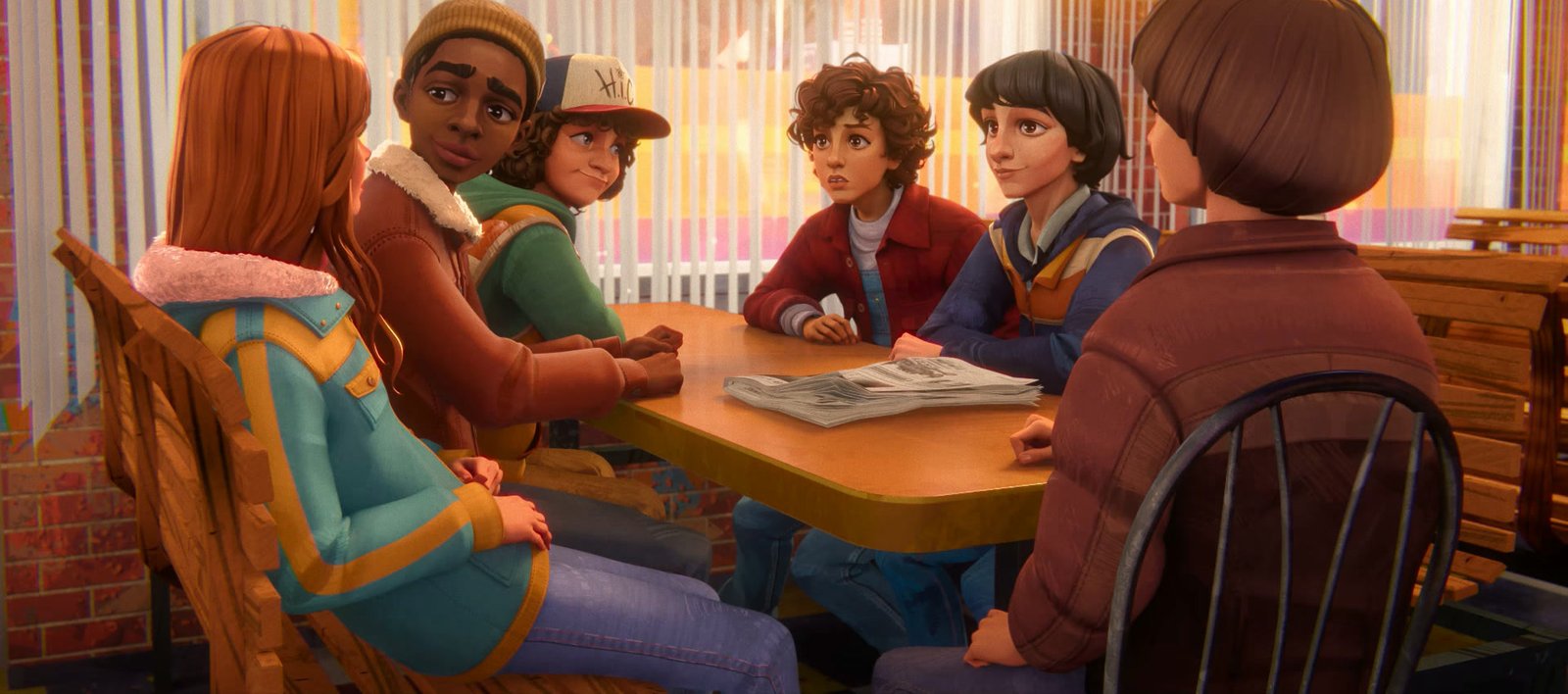
The season opens smaller than that. Episode one is “A Haunting in Hawkins,” and the Hawkins Investigators Club begin it with no cases at all. The club is the spine of this series and the trailer states its mission plainly. They are, in their own words, the first line of defense against paranormal threats to their town. It is a fan club with a charter, and this season it gets what it asked for.
What pulls them in is a botanical problem. Flowers are blooming in Hawkins in winter, and they glow. “I’ve never seen flowers bloom in winter like this,” one kid says. Another cuts straight to it. Those flowers have the Upside Down written all over them. It is a good opening image because it is quiet and because it reverses the usual Stranger Things move. The horror here is not a rift or a body but a plant behaving out of season.
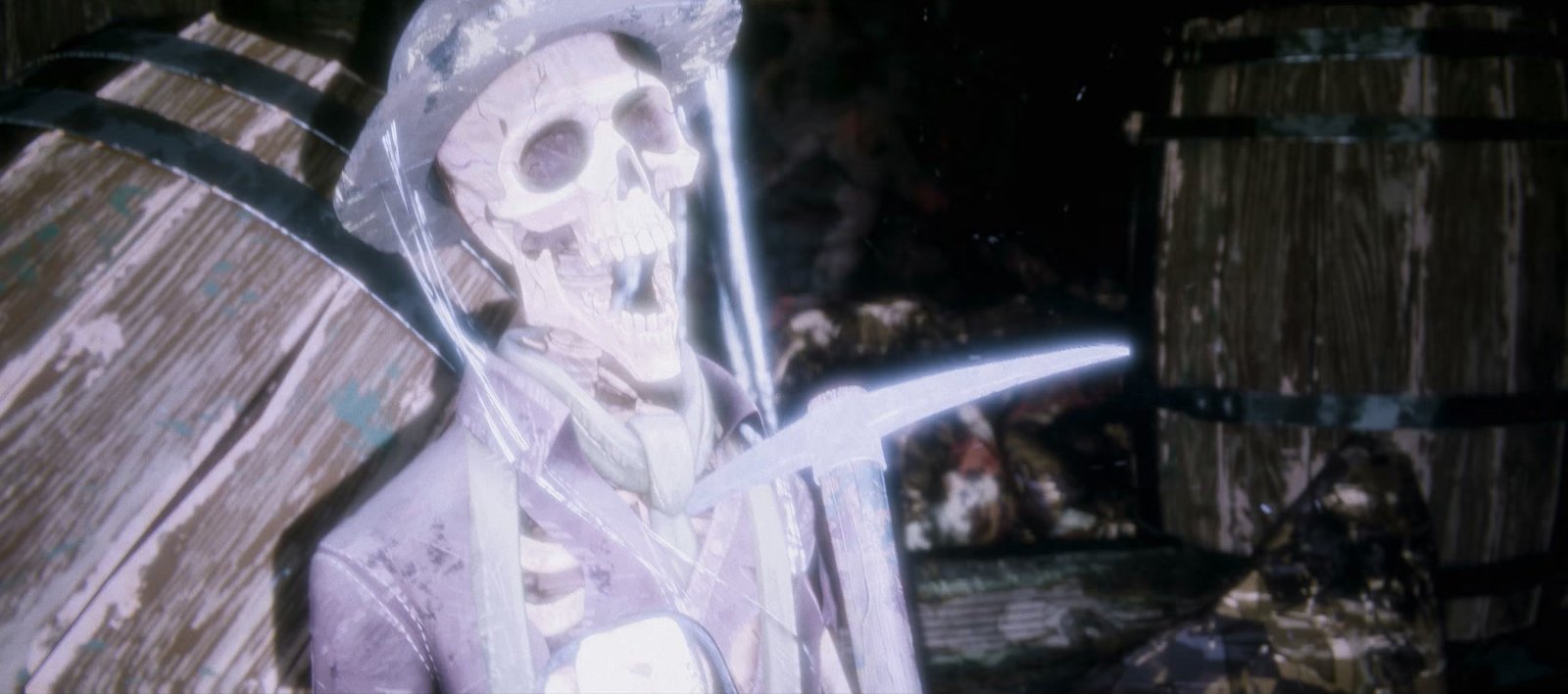
Episodes two through four run the ghost story straight. The guys film a video history report in the woods after hearing Charlie’s ghost story, and the girls go into business for Valentine’s Day. Episode three is “The Curse of Bloodaxe Bill” and Netflix’s summary for it reads like a shopping list of everything this show does well: glowing flowers, Hate Sprites, and a skeleton inside a spooky mine. Episode four is a seance to summon Bloodaxe Bill, and to run it the kids need Nancy’s Ouija board and step-by-step instructions.
That detail is the best joke in the guide. They are not summoning a spirit because they are occultists. They are summoning one because they read the box.
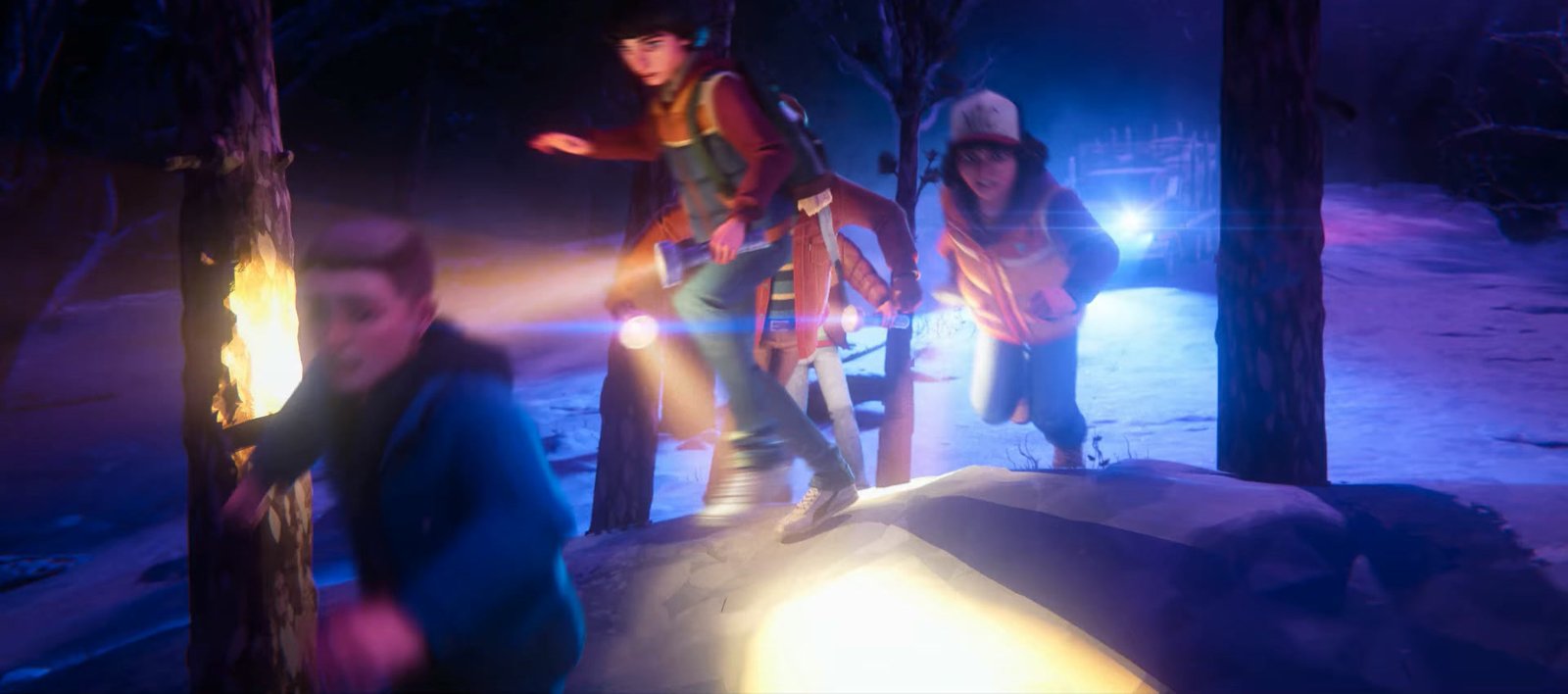
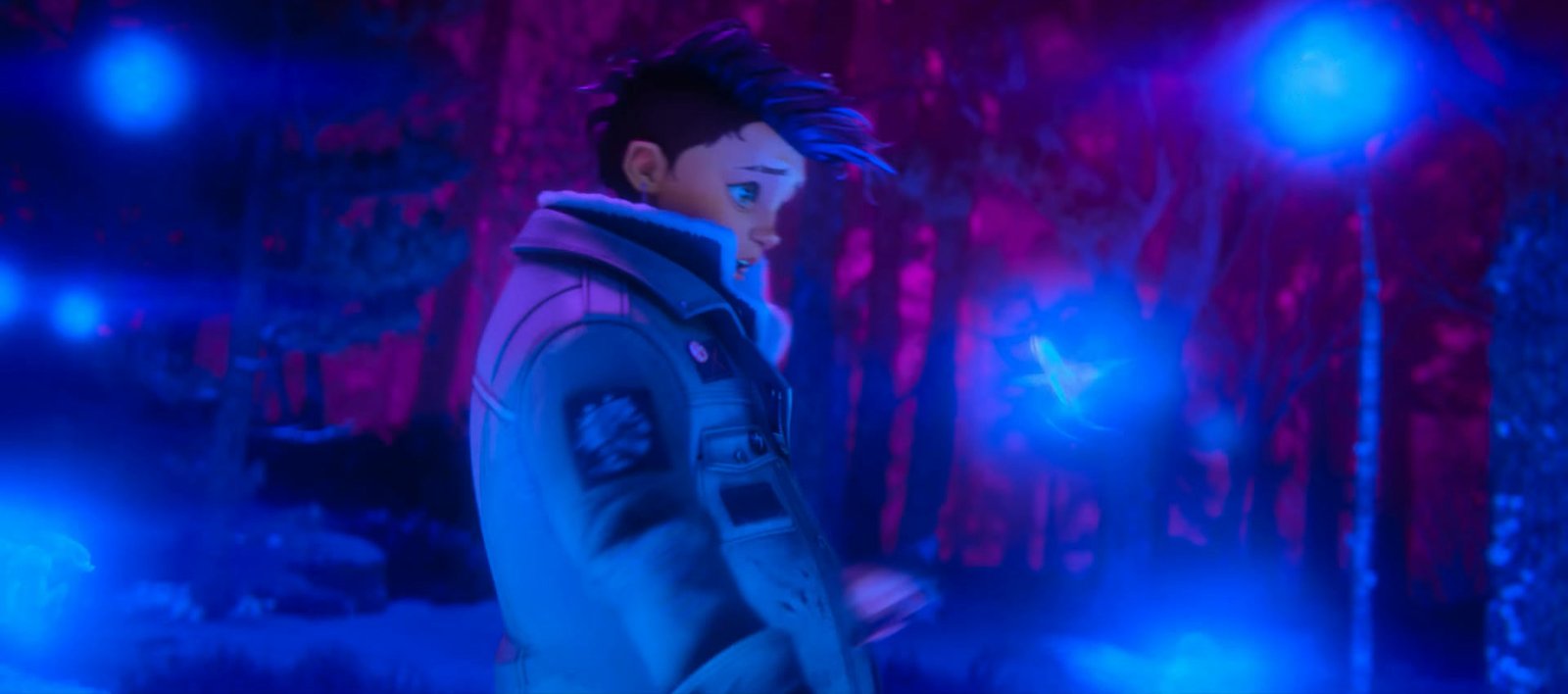
Episode five is called “Split the Party,” which is another D and D phrase, and it is the one every player knows is a mistake. Danger scatters the group into smaller units running for their lives. Mike works out a theory for what is powering the glow in the flowers, and the guide names him for it. From there the season goes to the Lich’s lair, then to the Golem, then to a finale called “Count to Five.”
The finale line is the one worth holding onto. Netflix says the Golem tightens its fear grip on Hawkins. Fear is the mechanism here rather than the monster itself. That is the same engine Vecna ran on in the live-action show, where the thing did not chase you so much as find the worst moment in your head and live there. An animated spin-off aimed at a younger audience choosing the same lever is a real choice, not a softening.
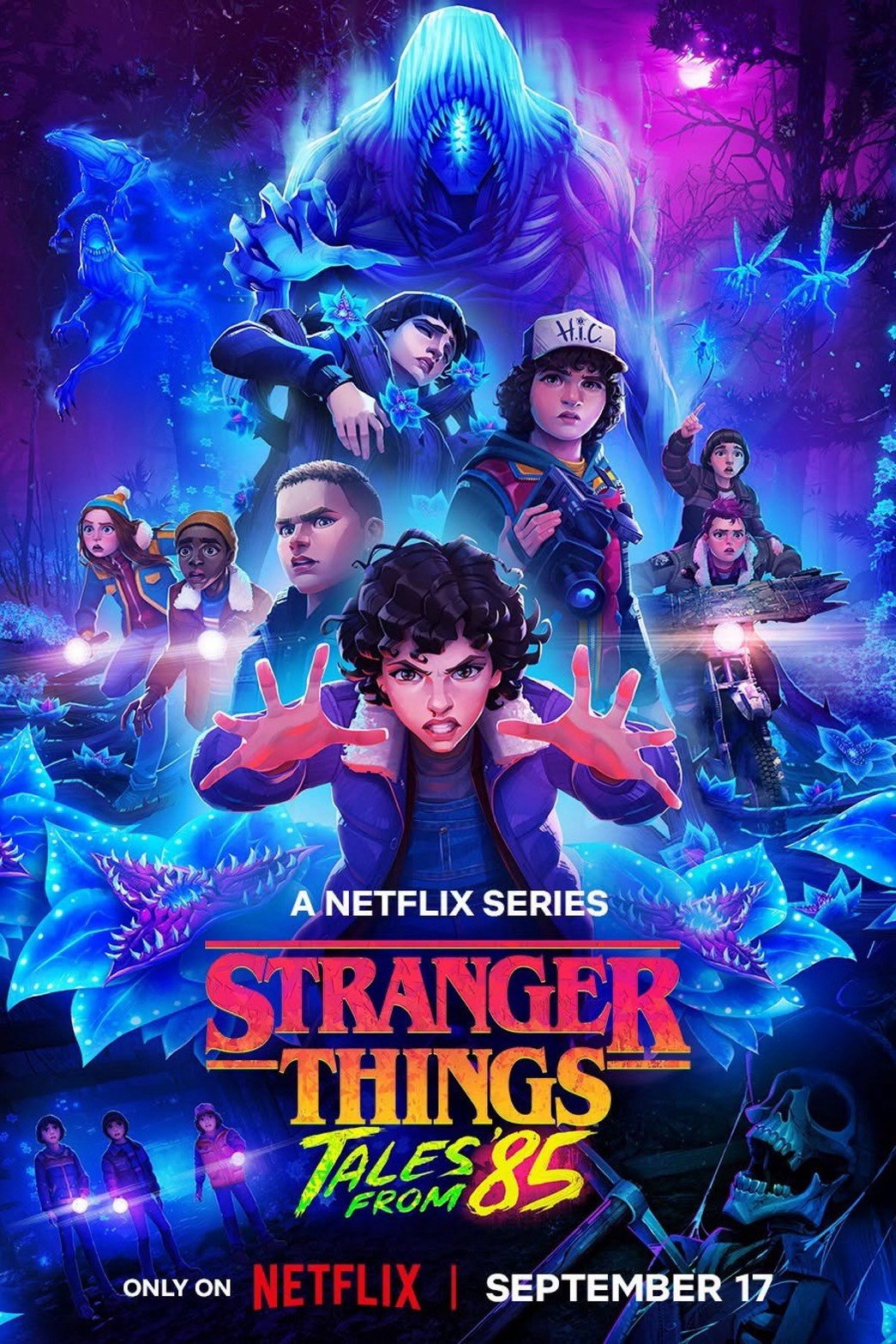
Which brings it back to Eleven. The trailer says her powers failed against this thing, and the episode guide has her hunting the Lich in episode six and defending the town in episode eight. Those two facts only fit together one way. She does not beat it with the nosebleed. Season one of this series could lean on El as the answer to any problem. Season two has taken the answer away and handed the job to a club of children with a camcorder and a Ouija board.
There is a hard limit on how far that can go, and the live-action show sets it. Episode two puts the girls into business for Valentine’s Day. That dates this season to February 1985, and “Stranger Things” season two ended in the winter of 1984 while season three opens in July 1985. This season sits in the gap between them. We already know what Eleven can do in that July. Her powers are intact through that whole summer and the show spends its third season proving it. So whatever beats her in Hawkins this winter does not beat her for long, and the series cannot take the nosebleed away permanently even if it wanted to. That is not a flaw. It is a constraint the writers accepted when they set the show here, and it means the tension has to come from the club rather than from her.
The episode count moved too. Season one arrived in April, which makes this a five-month turnaround, and Netflix has now put eighteen chapters of this show out inside a single calendar year. That is a pace the live-action series has never come close to. Season one ran ten chapters and season two runs eight. That is a tighter shape for a serialised mystery and it matches what the guide describes, which is one continuous case rather than a monster of the week.
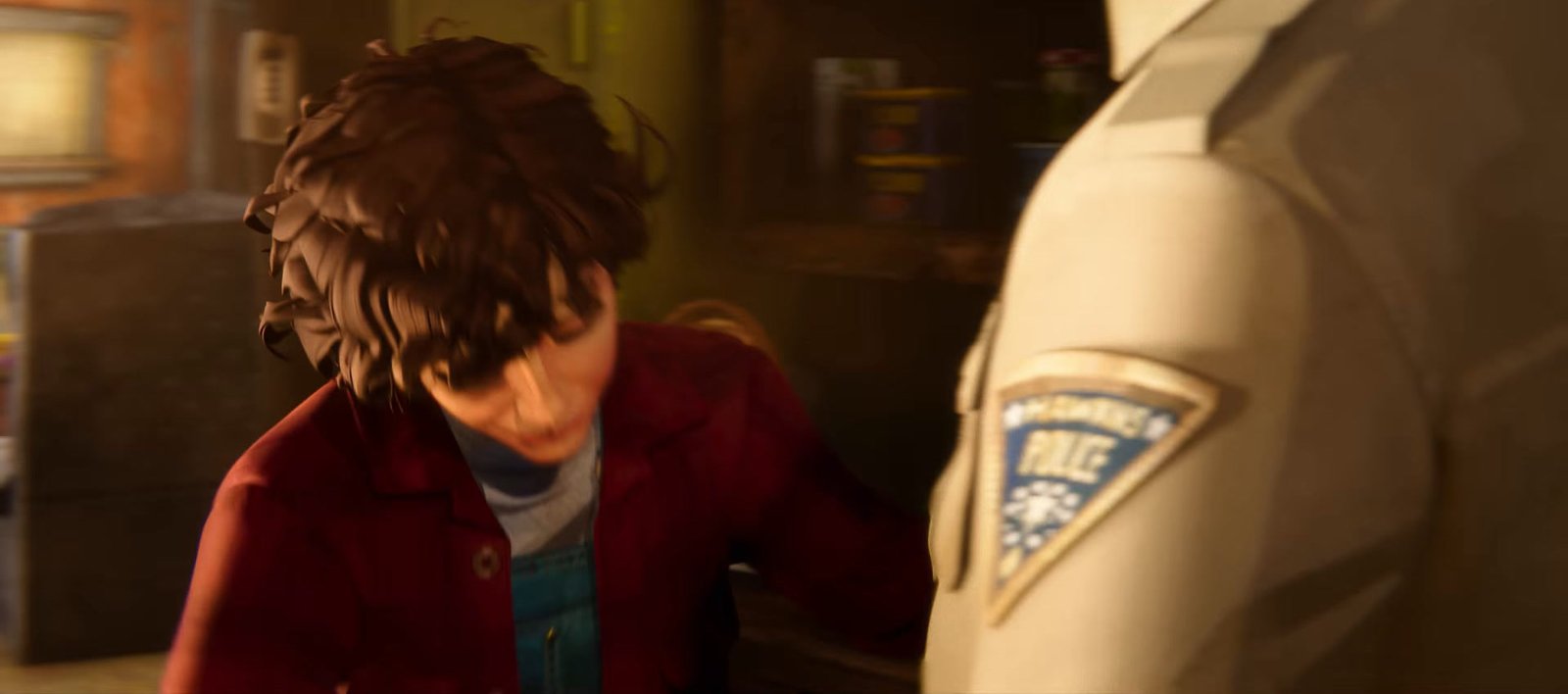
It is worth being straight about scope here. We have the trailer, Netflix’s own episode guide and the art, and the full run only landed today. So this is what the season is built to do rather than a verdict on whether it does it. The structure, though, is unusually legible for an animated tie-in, and it is a real structure: a seasonal anomaly, a local legend, a seance, a scattered party, an undead thing and the servant it made.
We covered this show when Netflix dated the return, and the pitch then was that the animation could do things the live-action budget cannot. A Lich and a Golem in the same season is the proof. Neither is a creature you build practically for a Netflix flagship. Both are cheap in a cartoon and both come out of the same book the boys have been reading since 1983.
What Do You Think? Is taking Eleven’s powers off the table the smartest thing this spin-off has done, or does it just delay the same ending? Does naming the monsters from the Monster Manual still land now that the franchise has done it four times? And is the Hawkins Investigators Club a better vehicle for this town than the original party ever was?
See you on the next binge!