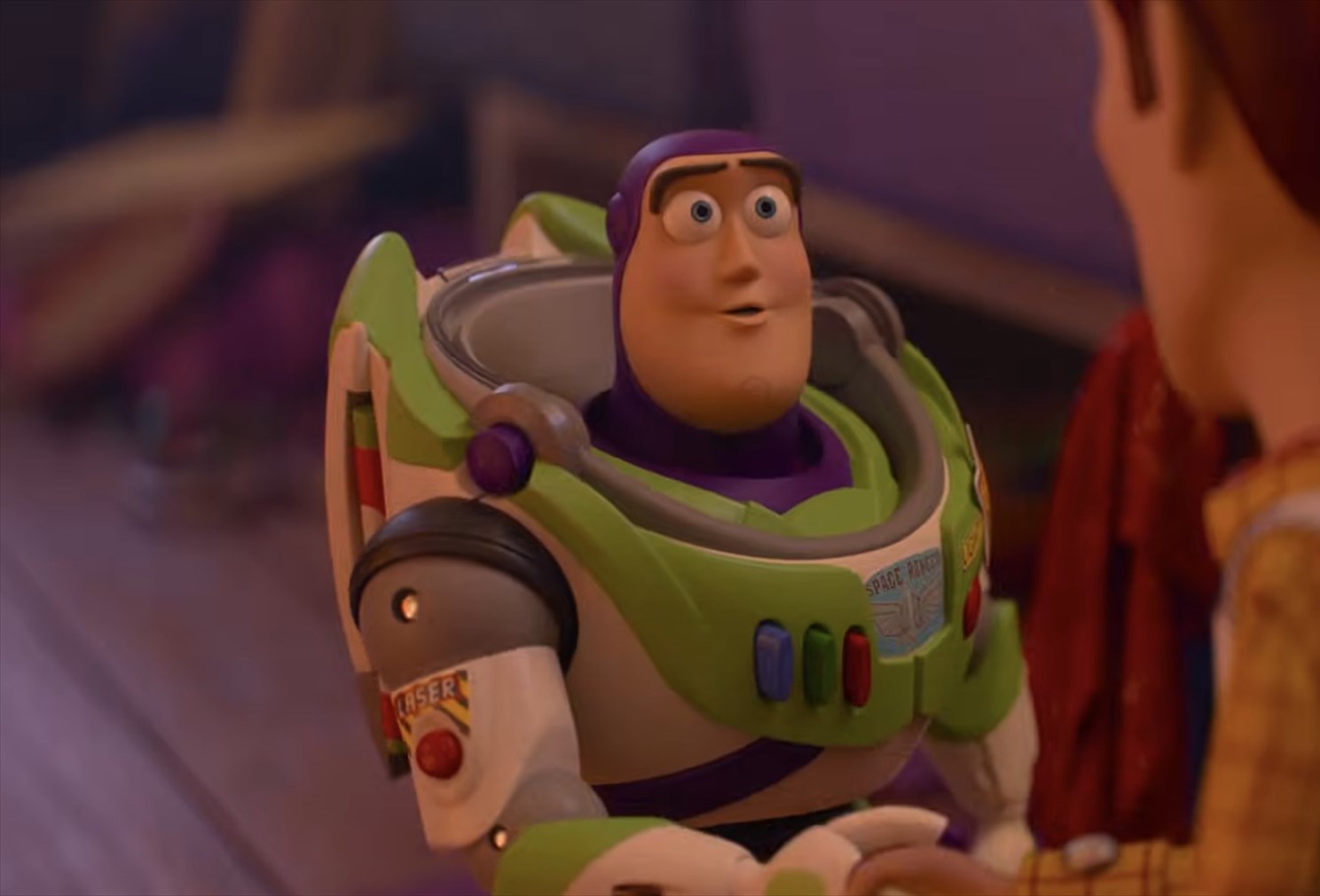
Pixar did not just win the weekend. It rewrote its own history books. “Toy Story 5” stormed to a $160 million domestic opening from 4,425 North American theaters, securing the biggest debut of 2026 and the largest opening in the entire Toy Story franchise, blowing past the $120 million record set by the fourth film back in 2019. Add another $152 million from overseas markets and the global tally hits $312 million in a single weekend. The magic in the toy box, it turns out, is very much intact.
The records tumbling here are worth laying out, because there are several. The $160 million domestic figure ranks as the second-largest animated opening weekend in history, trailing only “Incredibles 2” and its $182.7 million from 2018. It is a franchise best by a wide margin, and it crowns “Toy Story 5” as the biggest opening of the year to date, a title that carries real weight in a summer stacked with tentpoles. Audiences handed the film an A CinemaScore, the top grade, which signals the kind of word of mouth that fuels long theatrical runs. Warning beyond this point there are spoilers for Toy Story and box office context and the creative stakes of ‘Toy Story 5’.
Pixar did not just win the weekend. It rewrote its own history books.”
The financial context makes the number even more impressive. The film carried a reported $250 million production budget before marketing, a substantial investment, and a $312 million global opening weekend goes a long way toward justifying it before the film has even settled into its run. For a Disney animation division that has weathered a bruising stretch of theatrical underperformance, with several original films failing to find an audience in cinemas, a record-shattering Toy Story opening is exactly the kind of emphatic reassurance the studio needed. This is the division reminding everyone what it can still do. Here is the tension the BR team keeps circling, though. The commercial triumph is beyond dispute, but “Toy Story 4” delivered a near-perfect ending, a bittersweet farewell that felt complete, and reopening a closed story always carries creative risk. A $160 million opening tells you audiences were eager to return. It does not, by itself, tell you whether the film justifies its own existence, whether it adds a worthy chapter or simply extends a saga that had already earned its rest. The A CinemaScore is an encouraging early sign, but box office measures turnout, not satisfaction.
What the opening does prove, unambiguously, is the enduring multigenerational pull of these characters. The original “Toy Story” arrived in 1995, which means the children who fell in love with Woody and Buzz are now parents bringing their own kids, and Pixar engineered this release as a family event spanning those generations. That commercial engine, nostalgia married to new-audience discovery, is one of the most powerful forces in entertainment when it fires correctly, and this weekend it fired about as hard as it possibly could. Three decades of accumulated affection converted into $312 million in three days.
The result also lands as a data point in the larger fight over theatrical animation’s health. Streaming has trained families to wait for the couch, and several recent animated films have suffered for it at the box office, feeding a narrative that theatrical animation is in structural decline. “Toy Story 5” is a thunderous counterargument, proof that the right property with the right emotional hooks can still summon a massive theatrical crowd. The skeptics are not wrong that the middle of the animation market has softened. They may be wrong that the top of it has.
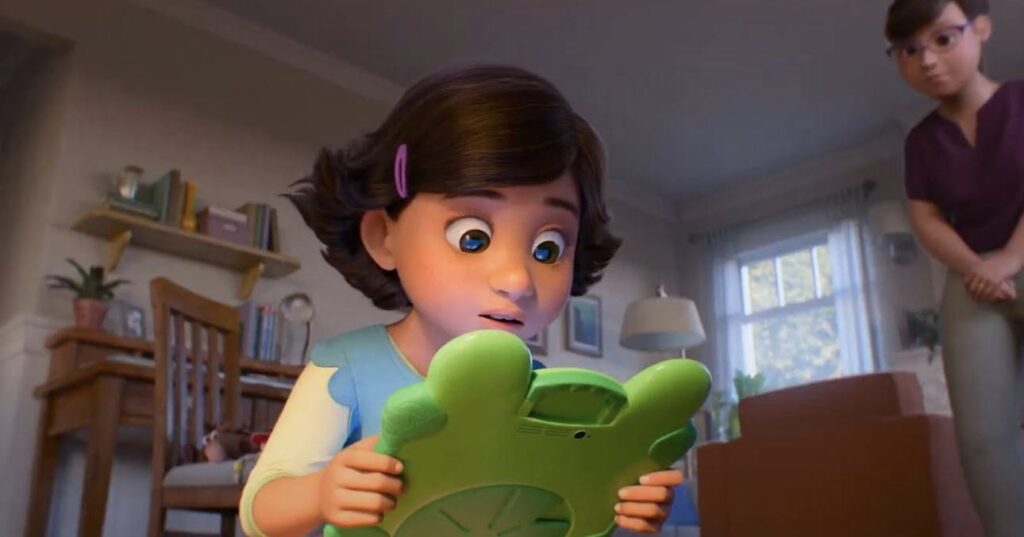
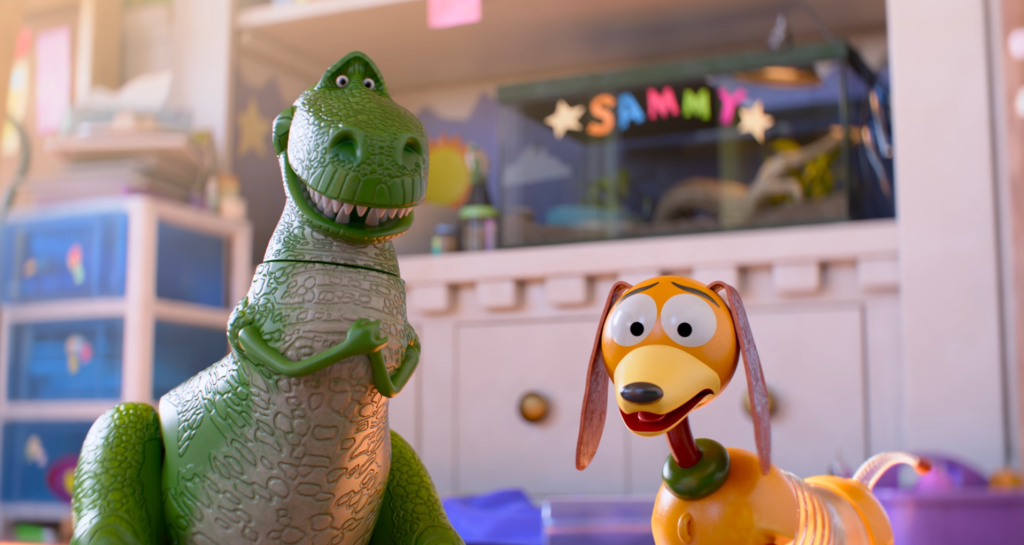
On the craft side, every Toy Story film doubles as a gauge of where Pixar’s technology stands, and the fifth is no exception. The visual distance between the blocky charm of the 1995 original and the photorealistic lighting, texture, and simulation of today is one of the clearest illustrations of animation’s evolution anywhere in the medium, and a new entry is always partly a statement about the studio’s tools. The film’s polish is not incidental to its success. Audiences may come for the characters, but the polished craft is a large part of why the emotional beats land as hard as they do.
The number to watch now is the second weekend, because that is where animated films reveal their true legs. A strong hold would confirm that the word of mouth behind the A CinemaScore is real and that “Toy Story 5” is a genuine summer-long draw rather than a front-loaded nostalgia spike. A sharp drop would complicate the triumphant narrative and hand the streaming-first skeptics some ammunition. The opening is historic either way, but the story of whether this film becomes a true phenomenon or merely a huge debut gets written over the coming weeks.
For Disney, the timing of this win could hardly be better. The studio has spent recent years fielding hard questions about the theatrical viability of its animation slate, and a record-breaking opening from its most valuable animated franchise quiets a lot of that noise in a single weekend. It reestablishes Pixar as a theatrical powerhouse, validates the decision to continue the Toy Story saga commercially, and gives the division a badly needed signature success to point to. Numbers like these change conversations in boardrooms.
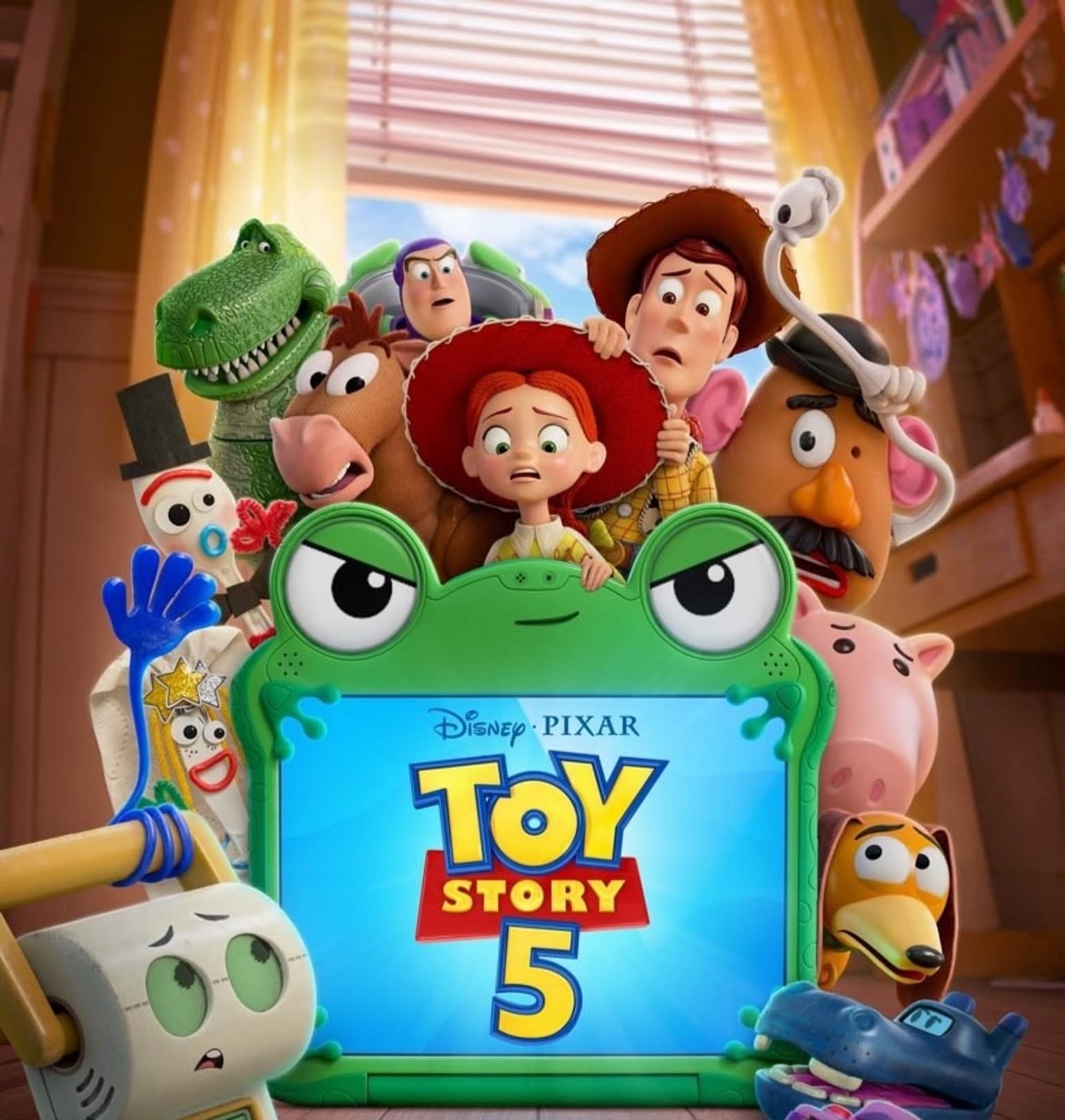
Still, we come back to the question box office cannot answer. Does “Toy Story 5” earn its place in one of the most beloved runs in animation history, or is it a beautifully rendered victory lap that the franchise did not need? The opening weekend answers the commercial question with a resounding yes. The creative verdict belongs to the audiences filing out of theaters this weekend, tears or no tears, deciding whether the toys had one more story worth telling. For a franchise this cherished, that quieter judgment is the one that lasts.
For now, though, let Pixar enjoy the view from the top of the record book. “Toy Story 5” delivered the biggest opening of the year, the biggest in its franchise’s history, and the second-biggest animated debut ever, all while earning the highest possible audience grade. That is a near-flawless commercial launch by any measure, and it reasserts a simple truth the doomsayers had begun to doubt: when Pixar gets a marquee title right, there is still nothing in family entertainment that can touch it.
What Do You Think? Does a record-shattering $160 million opening prove theatrical animation is alive and well, or is one nostalgia juggernaut masking deeper problems in the animation market? After “Toy Story 4” delivered a perfect ending, can a fifth film with an opening this huge still justify itself creatively? And how much of this record belongs to the movie itself versus three decades of accumulated love for Woody, Buzz, and the gang?
Catch up properly: every Toy Story movie and short in chronological order on our Timeline Hub’s Toy Story timeline.
See you on the next binge!