Netflix just wrapped one of the most ambitious shoots on television, and it did not even involve the season everyone is still waiting for. Production on the third season of the streamer’s live-action “One Piece” officially finished on June 30 after a staggering 200-day shoot, a marathon production that underlines just how much Netflix is betting on its swashbuckling adaptation becoming the next “Stranger Things”-sized global phenomenon. The catch: this season will not reach viewers until 2027, and season two still sits ahead of it in the queue.
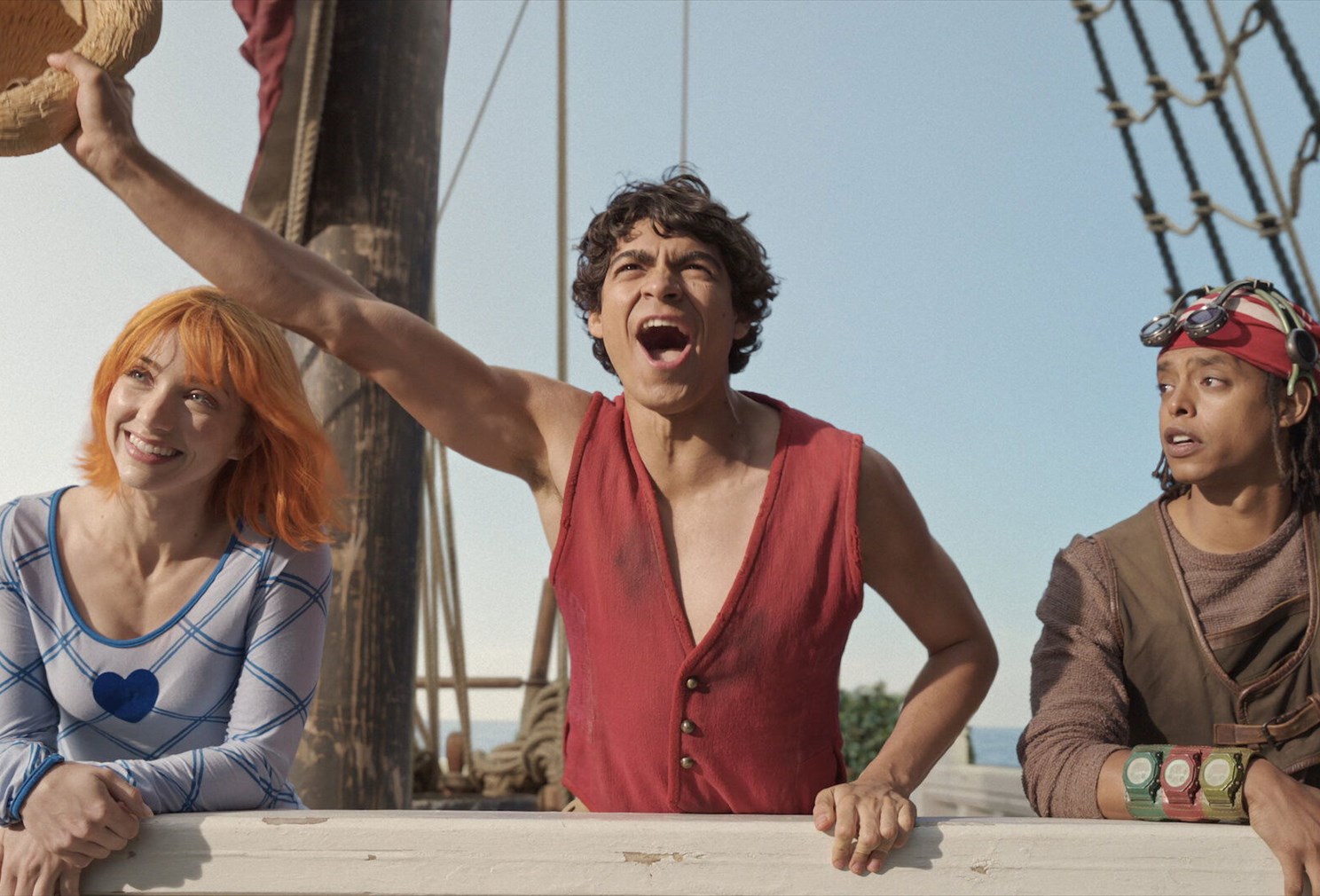
For the uninitiated, “One Piece” is the live-action adaptation of the best-selling manga of all time, following Monkey D. Luffy (Iñaki Godoy) and his crew of Straw Hat pirates on a sprawling quest across a fantastical sea in search of the ultimate treasure. The source material is one of the most beloved and impossibly large stories in the world, and adapting it into live action was widely considered a fool’s errand until Netflix’s first season pulled it off, winning over both longtime fans and newcomers with a rare adaptation that actually respected its source while making it accessible. Warning beyond this point there are spoilers for One Piece and the scale and production ambitions of the live-action adaptation’s future seasons.
Netflix does not spend at that level on a hope. It spends at that level on a property it believes can anchor the platform for years.
The 200-day shoot is the number that tells the real story here. That is an enormous production window, rivaling the scale of the biggest genre television on the planet, and reports peg the per-episode cost around $18 million, placing “One Piece” in the same rarefied budget tier as “Game of Thrones” and “Stranger Things” at their most expensive. Netflix does not spend at that level on a hope. It spends at that level on a property it believes can anchor the platform for years, a tentpole worth building a global franchise around. This is a statement of intent written in dollars and shooting days. The scale is not indulgence, it is necessity, and that is what makes “One Piece” such a fascinating production challenge. The manga’s world is a riot of impossible geography, giant sea creatures, elaborate pirate ships, and characters with reality-bending abilities, none of which come cheap to realize convincingly in live action. Every island is a full-scale build or a heavy visual-effects environment, every Devil Fruit power a bespoke effects challenge, and the crew’s ship a practical set that has to feel lived-in across dozens of episodes. A 200-day shoot is what it takes to render a world this maximalist without it collapsing into cheap green-screen mush.
Netflix has been searching for years for a durable, world-spanning franchise it fully owns and controls, the kind of self-generating tentpole that Disney has in Marvel and Star Wars, and “One Piece” is a strong candidate precisely because its source material is nearly bottomless. The manga has been running for decades and shows no sign of stopping, which means a successful adaptation has a functionally endless well of story to draw from. That is exactly the kind of long-term asset a streaming platform craves in an era of franchise anxiety.

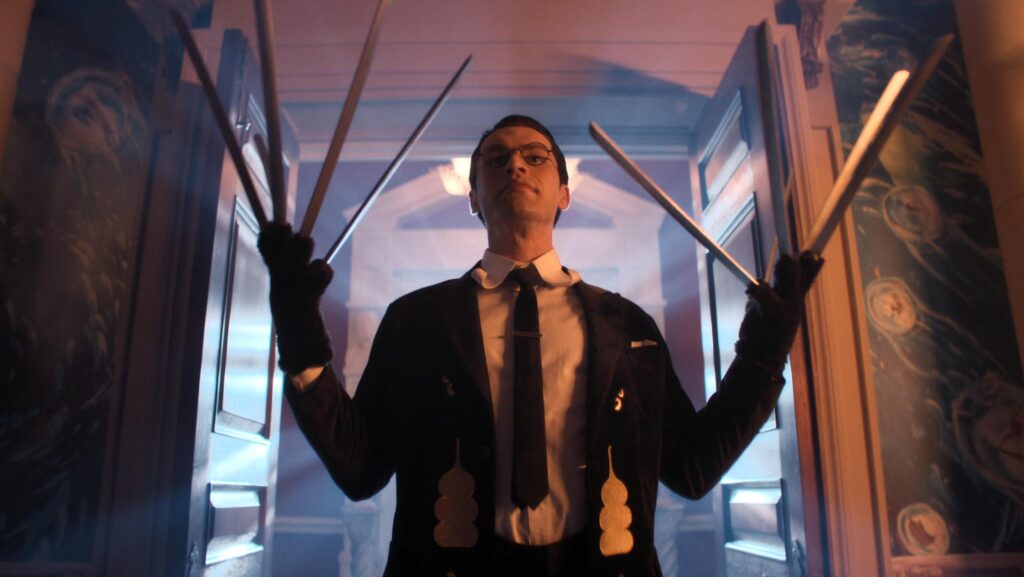
The wait is the real cost, and it is a steep one. Wrapping season three now while season two has not yet aired means the release schedule is stretched across years, and momentum is a fragile thing in serialized storytelling. The first season built enormous goodwill, but goodwill has a shelf life, and gaps this long between chapters risk letting the cultural moment cool. Netflix is clearly betting that the quality and scale of the production will be worth the patience, that when these seasons do arrive, they will land as events large enough to justify the wait. It is a gamble on ambition over immediacy.
There is also a broader story here about the maturing of anime and manga adaptations, a genre graveyard that “One Piece” helped rehabilitate. For decades, live-action versions of beloved animated properties were synonymous with disappointment, butchered translations that satisfied no one. Netflix’s “One Piece” was a genuine turning point, proof that with enough respect for the source, enough budget, and the right creative team, these adaptations can work and even thrive. Spending 200 days and $18 million an episode on the follow-up seasons is Netflix doubling down on that proof, treating the property with the seriousness its global fanbase demands.
For the millions of fans who fell for the first season, the wrap news is a bittersweet update: genuine progress, but a long road still ahead. Season two remains the next milestone, with season three now in the can and awaiting its 2027 slot, which means the Straw Hats’ journey is being built well in advance rather than rushed to screen. That deliberate pace, however frustrating for fans hungry for more, is arguably the healthiest way to adapt a story this large, giving each chapter the time and resources it needs rather than sacrificing quality for speed. Patience, in this case, may be the point.
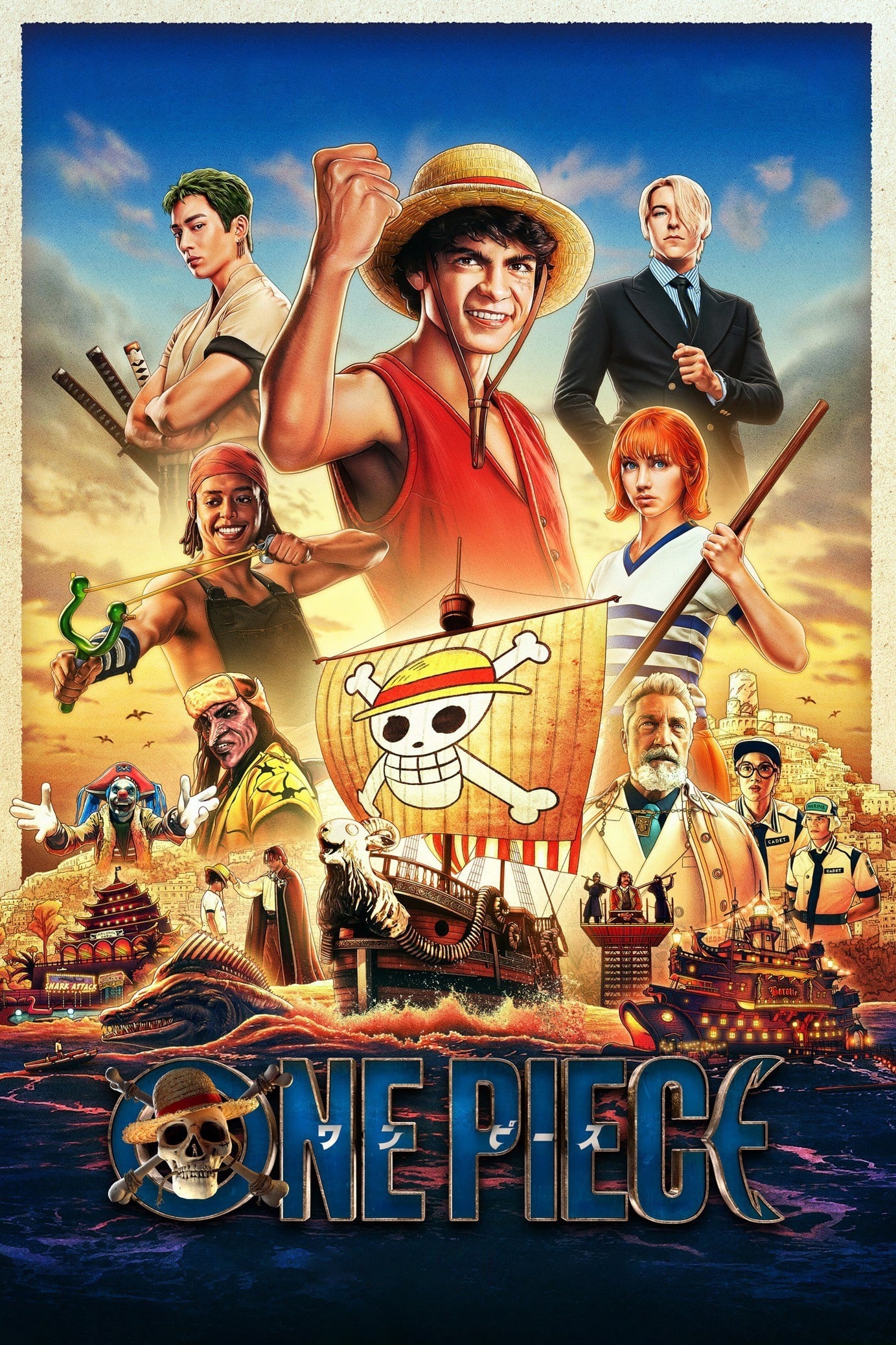
The BR team’s read is that “One Piece” represents one of Netflix’s most important long-term bets, and the 200-day shoot is the clearest evidence yet of how seriously the platform takes it. If these seasons deliver on the promise of the first, Netflix will have exactly the kind of owned, endlessly renewable franchise it has been chasing, a genuine rival to the great cinematic universes anchored in a story with decades of material left to adapt. If they stumble, it will be one of the most expensive misses in the streamer’s history. Either way, the ambition is undeniable, and the scale is unlike almost anything else on television.
So the Grand Line shoot is wrapped, the budget is enormous, and the wait stretches into 2027. Netflix has planted a very large, very expensive flag on “One Piece,” and it is playing a long game that will not pay off for a while yet. For a platform hungry for its own “Stranger Things”-scale phenomenon, the Straw Hats may just be the crew to deliver it, provided the audience is still there when the ship finally sails back into port. Given the devotion of this fanbase, we would not bet against them waiting.
What Do You Think? Can Netflix’s “One Piece” actually become the “Stranger Things”-scale franchise the platform is spending $18 million an episode to build? Does stretching the release schedule across years to protect quality make sense, or does it risk letting the first season’s momentum cool? And has live-action finally cracked the code on adapting beloved anime and manga, or is “One Piece” a rare exception proving a stubborn rule?
Catch up properly: every One Piece episode and film in chronological order on our Timeline Hub’s One Piece timeline.
See you on the next binge!