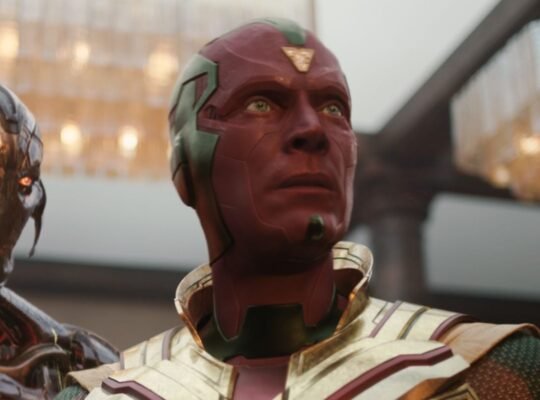
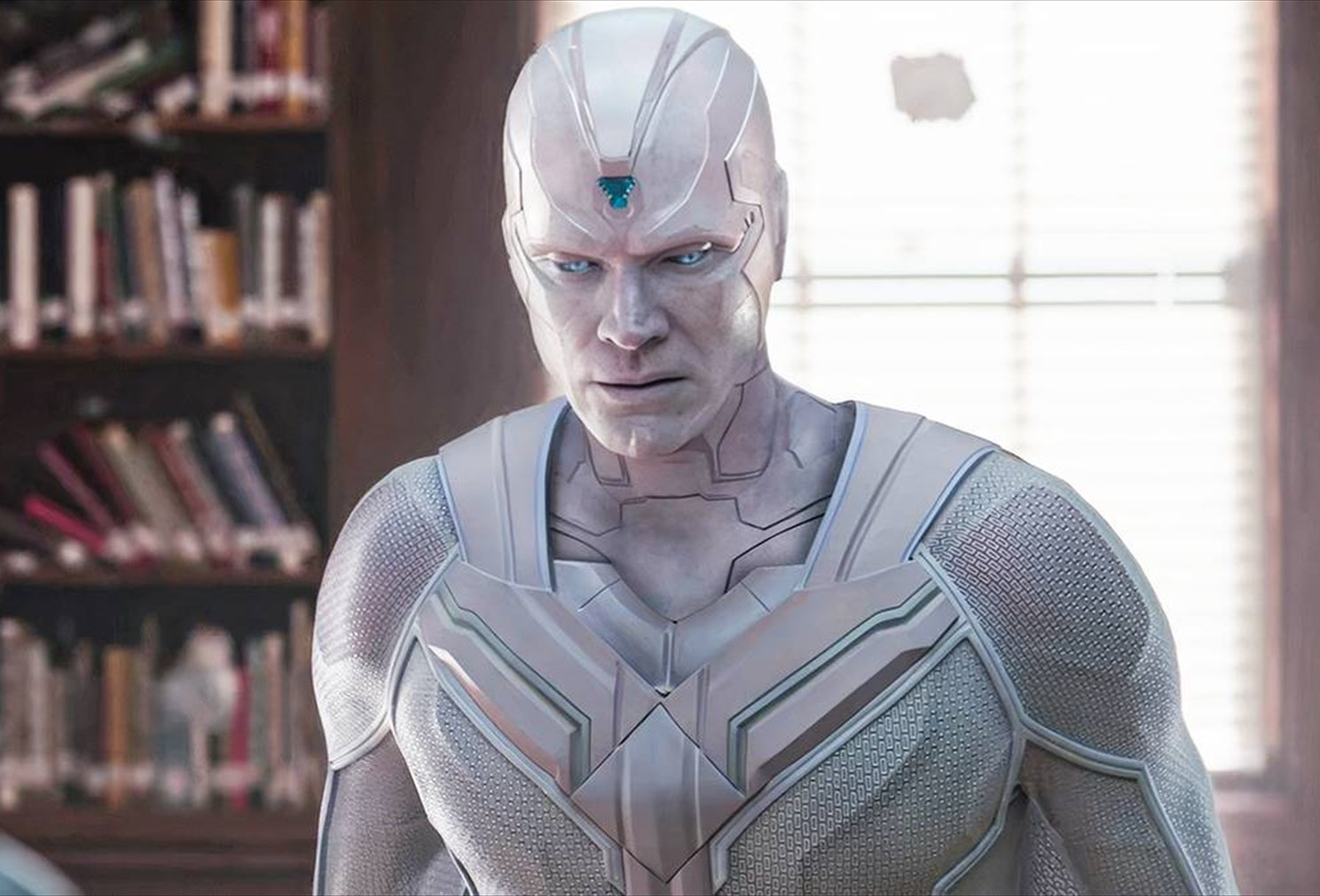
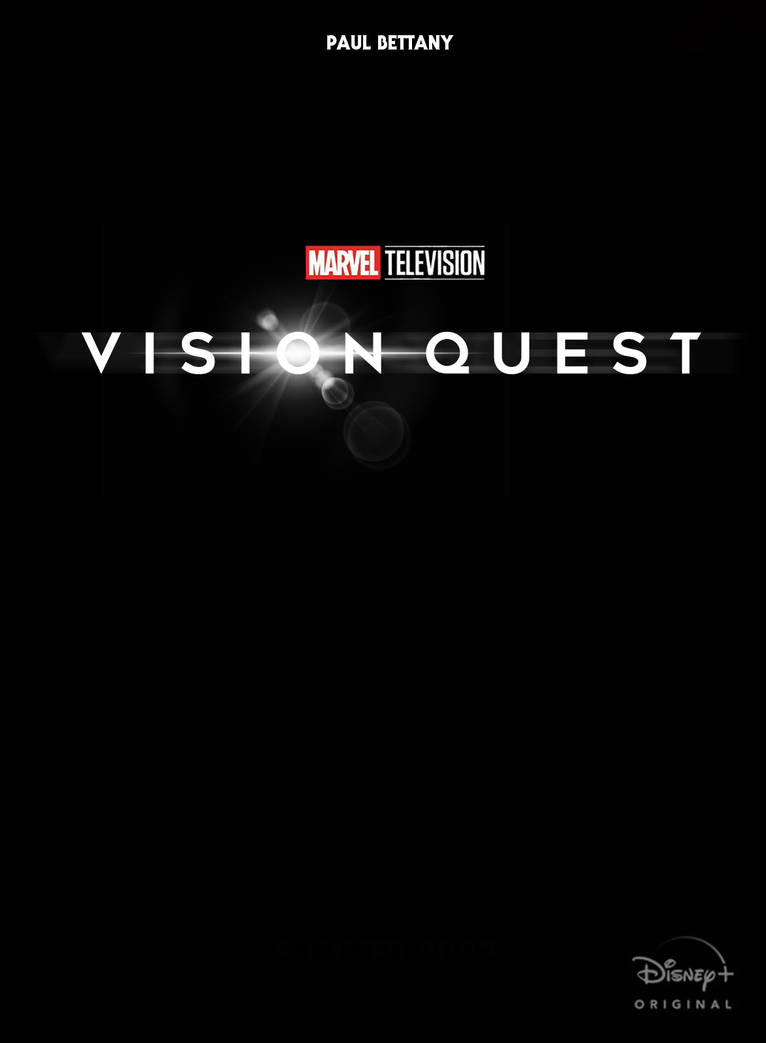
Marvel Television finally put a date on the board this week: “VisionQuest” premieres October 14 on Disney+, running eight episodes and closing out the trilogy that began with “WandaVision” back in 2021 and continued through “Agatha All Along” in 2024. Paul Bettany returns as Vision, or more precisely as White Vision, the drained, memory-restored version of the character who flew out of the Westview finale five years ago and has been a dangling plot thread ever since. Five years. Even by Marvel’s standards of long-game storytelling, that thread has been dangling long enough to collect dust.
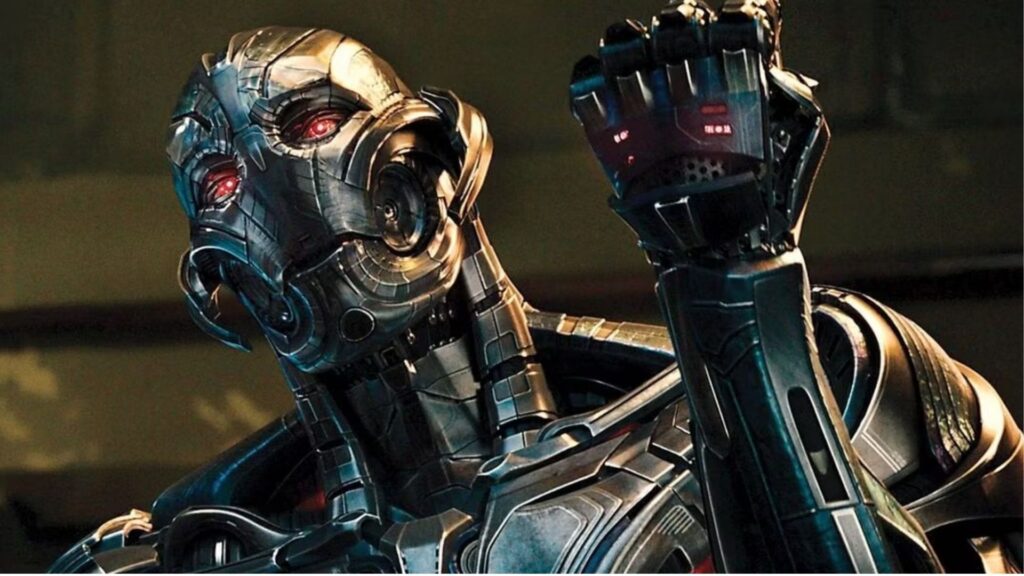
The date announcement came with the confirmation that matters most to longtime fans: James Spader is back as Ultron. Spader has not played the genocidal AI since 2015, which means an eleven-year gap between appearances, and his return instantly reframes what this show is. This is not a quiet character piece about a sad android finding himself. This is Vision confronting his own family tree, and the family tree is a horror show. Ultron created Vision. Vision helped destroy Ultron. Neither of them has ever really dealt with it. Warning: beyond this point there are spoilers for the Marvel Cinematic Universe and the ‘WandaVision’ ending and White Vision’s stolen memories.
This is Vision confronting his own family tree, and the family tree is a horror show. Ultron created Vision. Vision helped destroy Ultron. Neither of them has ever really dealt with it.”
Terry Matalas runs the show, and that hire remains the most encouraging thing about the entire project. Matalas is the guy who took the third season of “Star Trek: Picard”, a franchise entry with every reason to be a nostalgia casserole, and turned it into the most warmly received season of modern Trek by treating legacy characters as people with unfinished business rather than action figures to be posed. That is precisely the skill set this material needs. White Vision is a walking unfinished-business metaphor: he has the original Vision’s memories but none of the lived connection to them, a copy who knows he is a copy.
The official logline says the series follows White Vision as he struggles to reconcile his newfound memories with his identity during a reality-bending journey for humanity. Strip the press-release varnish off that sentence and you get something legitimately interesting: a machine trying to decide whether remembering a life is the same thing as having lived it. “WandaVision” asked what grief does to a person. If this show has the nerve to ask what identity means to a thing that inherited someone else’s grief, the trilogy earns its name.
For the ChronoCut crowd, the October slot raises immediate placement questions, and our editors are already sharpening their pencils. The series presumably picks up after the events of “Agatha All Along”, which threaded the needle on Wanda’s legacy, and it lands in the runway directly before December’s multiversal main event. Marvel does not schedule an eight-episode meditation on synthetic identity two months before its biggest film in years by accident. Whether the connection is a direct setup or a thematic rhyme, the placement is the tell.
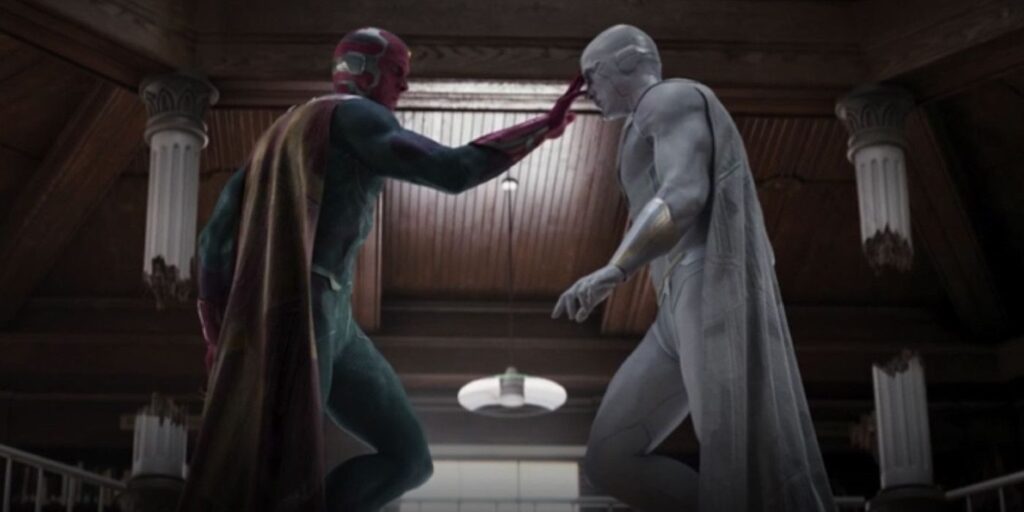
A production note worth knowing: the Vision effect has quietly become one of the more impressive recurring builds in the Marvel stable. Bettany performs in a bald cap with tracking markers, and the final look is a blend of on-set makeup and digital augmentation that has to hold up in extended dialogue close-ups, not just action beats. White Vision compounds the challenge, because the porcelain finish shows every seam the compositors miss. Eight episodes of that face in an introspective drama is a bigger technical swing than any laser fight.
We will admit to a flicker of skepticism alongside the excitement. Marvel Television’s recent output has swung between genuine highs and shrugs, and a show anchored to a character-actor performance with minimal action DNA is exactly the kind of project that gets quietly under-marketed and then blamed for its own soft numbers. October 14 is a Wednesday drop into the heart of fall programming season. This show will need Disney to actually sell it, not just shelve it on the carousel and hope Bettany’s face does the work.
Still, the pieces here are unusually promising: a showrunner with a proven touch for legacy melancholy, a villain return eleven years in the making, and the rare Marvel series with an actual thesis question at its core. The synthezoid deserved better than being a loose end. Come October, we find out if he got it.
Casting reports over the past year have sketched an intriguing supporting bench around Bettany, with names like Todd Stashwick and T’Nia Miller attached in undisclosed roles, and Stashwick in particular is a tell worth noticing. He was Matalas’s secret weapon on “Picard” season 3, the character actor who walked away with half his scenes, and showrunners do not import their secret weapons for nothing roles. Marvel has kept the character details locked, which either means spoilers or means the show is confident enough in its central performance to keep the marketing simple. October will tell us which.
There is also the sheer longevity of the Bettany-of-it-all to appreciate. He has been in this universe since 2008, longer than almost anyone still standing, first as the voice of JARVIS and then as the body JARVIS became. Eighteen years inside one franchise, and the character has died on screen twice and come back rearranged both times. If “VisionQuest” really is the trilogy’s final word, it doubles as a farewell tour for the MCU’s most patient actor, the one who spent a decade as a disembodied voice before anyone let him have a face. That is the kind of long game this series is about, on screen and off.
What Do You Think? Does White Vision still count as the Vision who died in “Avengers: Infinity War”, or is mourning the original the whole point of the series? What does Ultron even want in 2026, and does Spader’s return make more sense as a memory, a resurrection, or something the trailers are deliberately hiding? And with this landing eight weeks before the December event film, is “VisionQuest” secretly load-bearing for the ChronoCut, or a self-contained epilogue Marvel is using to clear the decks?
Catch up properly: every MCU movie and show in chronological order on our Timeline Hub’s MCU timeline.
See you on the next binge!