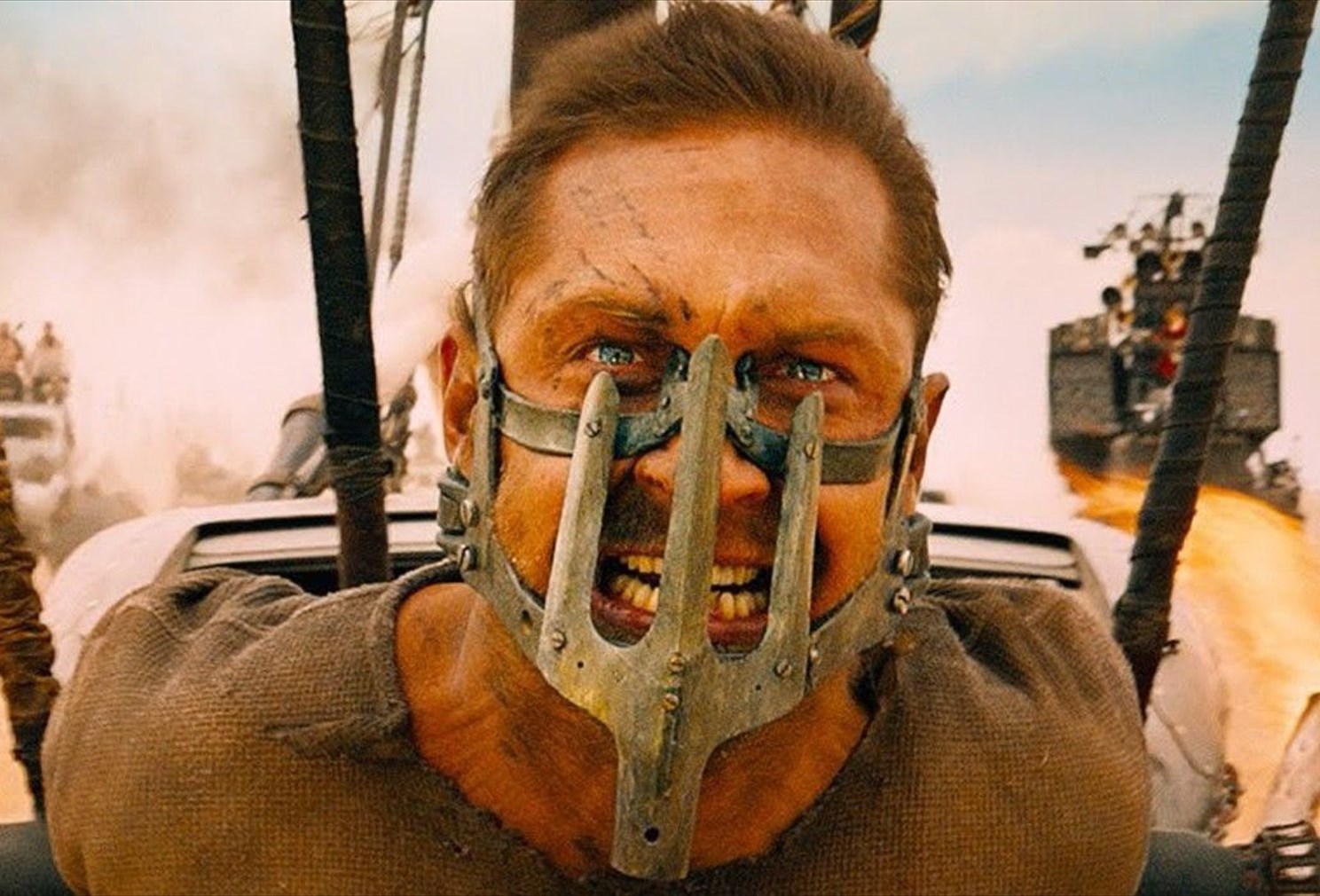
For years, the great tantalizing promise on George Miller’s horizon was “Mad Max: The Wasteland”: a script the director has said sits ready, a return to the scorched world of his most celebrated films. Fans have been idling in neutral, waiting for the engine to turn over. Now word arrives that the long-gestating project may not be a movie at all. Reports indicate “The Wasteland” is being reworked into an episodic television series, and while that’s not the death of the dream, it’s a very different road than anyone expected.
The reason for the pivot is a number nobody in the fandom likes to hear. “Furiosa: A Saga of Mad Max,” despite strong reviews and a fierce cult following, was a commercial disappointment: one report pegged its losses to Warner Bros. at a staggering sum, ranking it among the studio’s biggest money-losers of its year. That’s the brutal calculus of modern blockbusters. A film can be great, can be exactly what the critics and the diehards wanted, and still lose a fortune because it didn’t crack a wide enough audience. And when that happens, the studio gets very nervous about handing over another nine-figure budget for more of the same. Warning: beyond this point there are spoilers for the potential direction of “Mad Max: The Wasteland” and the future of the franchise.
Fans have been idling in neutral, waiting for the engine to turn over.”
Which is where the television idea starts to make cold, hard sense. If Warner Bros. is spooked by the theatrical returns, a series is a way to keep the Mad Max world alive at a lower per-hour risk while reaching the streaming audience where a lot of viewers now live. Writer Shaun Grant, who penned the harrowing “Nitram,” has reportedly been brought in to develop it, and the rumored shape is a prequel to “Fury Road”: Max out in the wasteland, building a new Interceptor, surviving the chaos between the films we’ve already seen. On paper, that’s a tantalizing gap to fill.
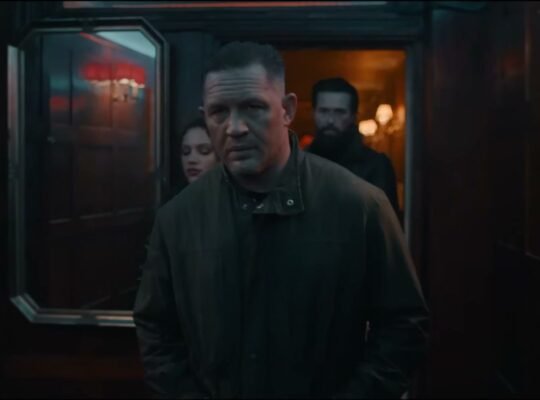
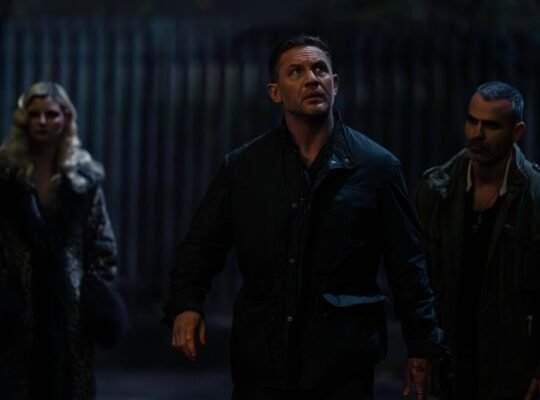
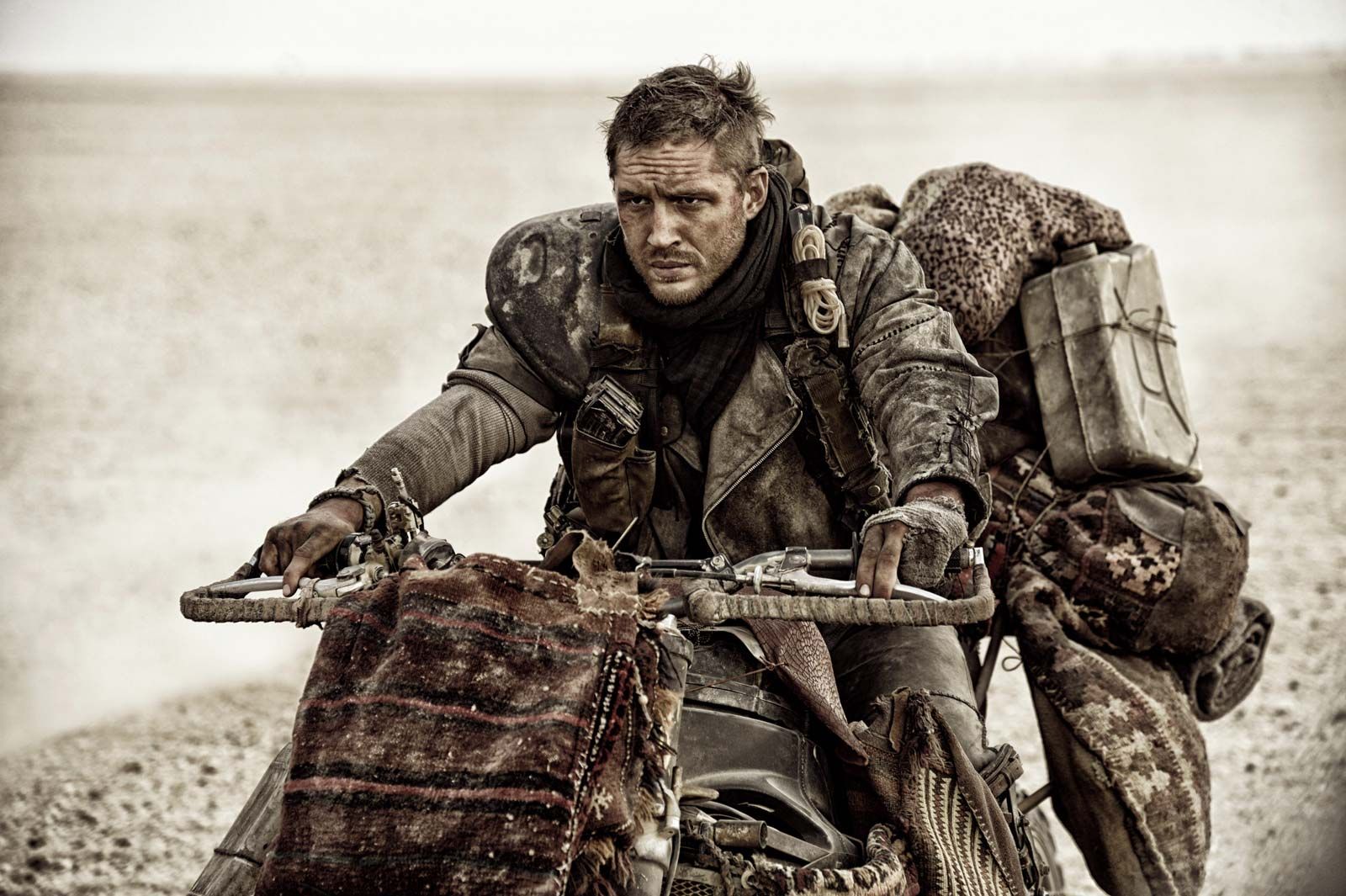
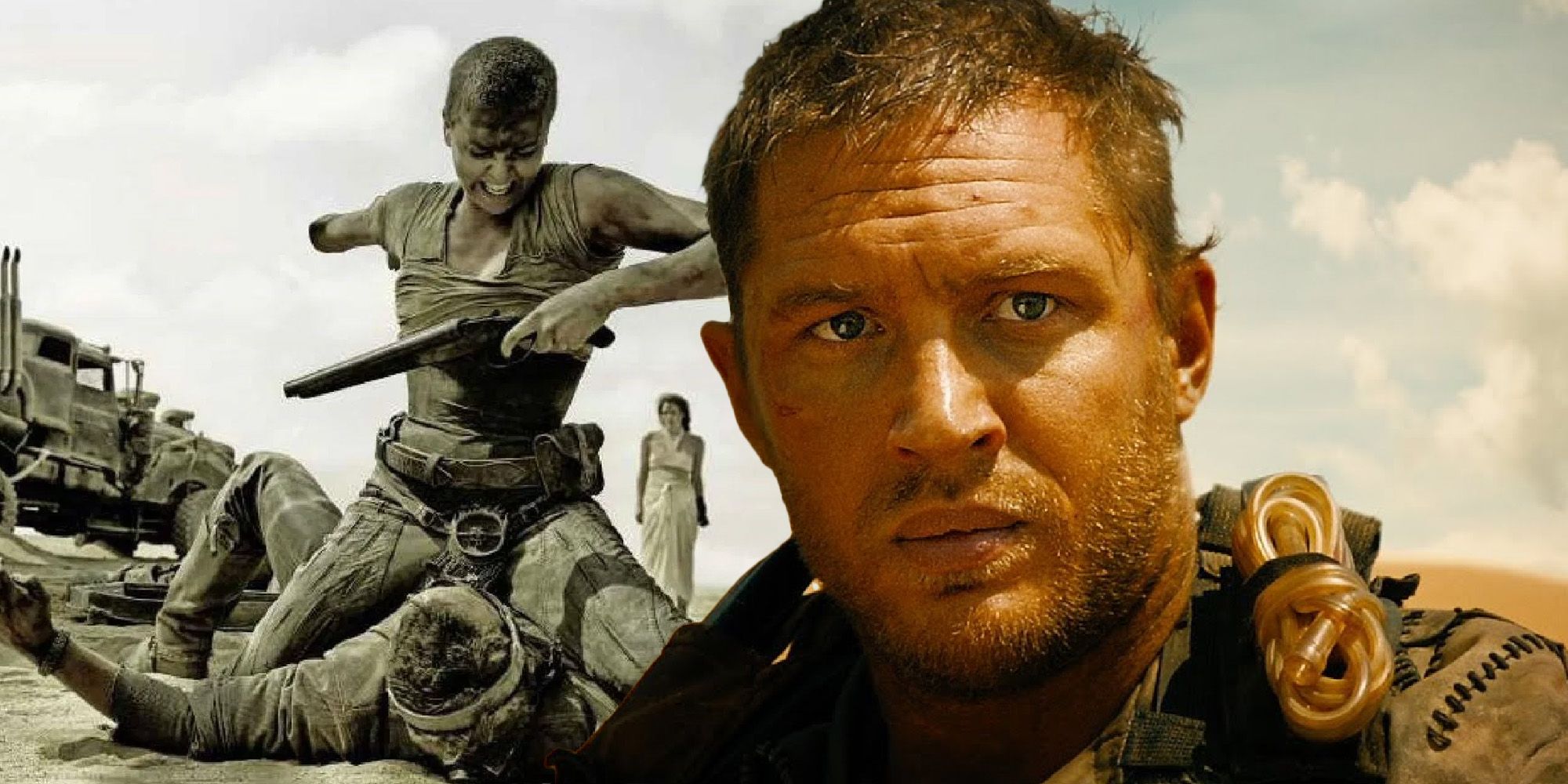
Here’s the complication that no format change can solve: who plays Max. Tom Hardy took over the role for “Fury Road” and was set to anchor “The Wasteland,” but he has since cast serious doubt on his return, bluntly suggesting he doesn’t think it’s happening. That’s a real problem for a project built around the character. Recasting Max isn’t unheard of, the role has passed from Mel Gibson to Hardy already, but doing it again, for a television spinoff, risks diluting the very thing that makes a Mad Max story feel essential. The Road Warrior is a hard silhouette to fill twice over.
Even Miller himself sounds uncertain, and that’s the part that should give fans pause. The director has acknowledged he doesn’t know if he’ll ever actually get to make “The Wasteland,” and has hinted that a sixth Mad Max story isn’t even the project he most wants to tackle right now: he has other tales he’s itching to tell. When the visionary who built this entire world sounds ambivalent about returning to it, you have to take that seriously. Miller is a filmmaker with many passions beyond the wasteland, and at this stage of his career, his time is precious. He’s not obligated to keep chasing the same dust storm.
It’s worth sitting with the strangeness of the situation, because it’s a genuine paradox. “Fury Road” is widely regarded as one of the greatest action films ever made, a genuine masterpiece that reinvented what the genre could be. “Furiosa” earned rapturous reviews. And yet the franchise finds itself in this uncertain limbo, its next chapter downgraded from a theatrical event to a maybe-someday TV series, its star reluctant, its creator torn. Critical acclaim, it turns out, doesn’t automatically translate into the box-office muscle that keeps a franchise roaring. The market can be cruel to art that doesn’t also print money.
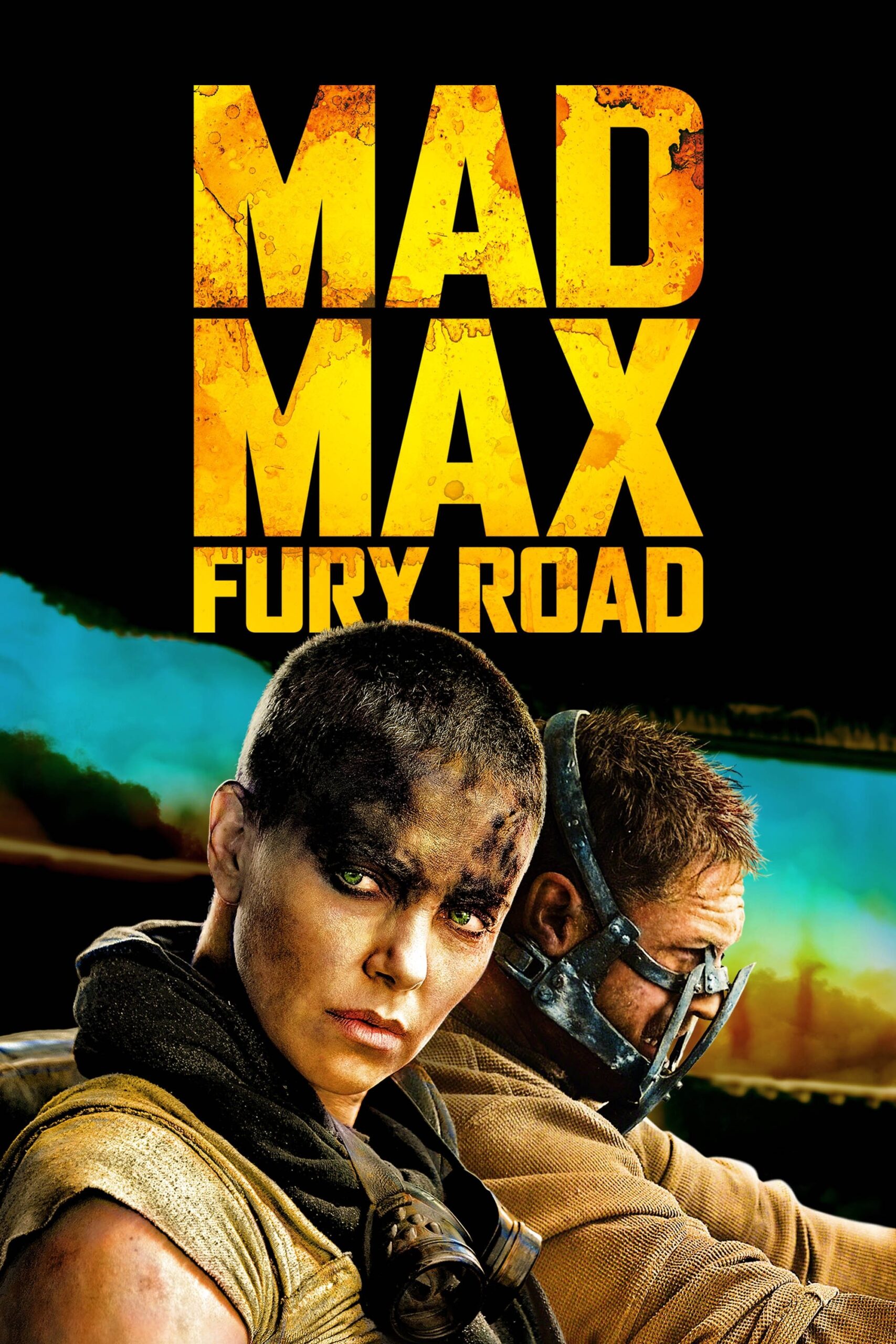
The upside, if there is one, is that a series format could actually suit this world well. The Mad Max universe has always been richer than any single protagonist: it’s a whole mythology of warlords, war rigs, water barons, and desperate survivors, the kind of sprawling post-apocalyptic tapestry that episodic storytelling could explore in ways a two-hour film never can. If Miller can find the right collaborators to shepherd it, and the right actor to carry it, “The Wasteland” as a series might unlock corners of this world we’d otherwise never see. That’s a genuine silver lining.
So the answer to “where to for Mad Max” is, frustratingly, a shrug and a maybe. “The Wasteland” isn’t dead, but it’s been rerouted, its form uncertain, its star wavering, its creator distracted by other dreams. The franchise remains beloved, its best films untouchable, its world endlessly rich, and yet its future has rarely felt this hazy. Fans who’ve waited this long will keep waiting, scanning the horizon for that telltale plume of dust. Whether what emerges is a film, a series, or something else entirely, one thing is certain: out here in the wasteland, nothing comes easy.
What Do You Think? Would “Mad Max: The Wasteland” work better as a sprawling TV series than a single film, or does this world belong on the big screen? Should the franchise recast Max again if Tom Hardy won’t return, or is the character too iconic to keep handing off? And after “Furiosa” lost money despite the acclaim, what does its struggle say about whether bold, original blockbusters can even survive anymore?
See you on the next binge!