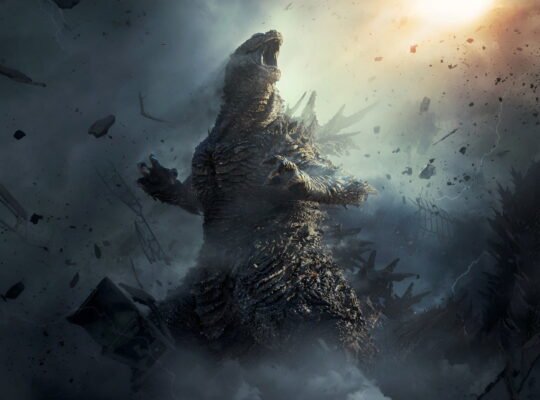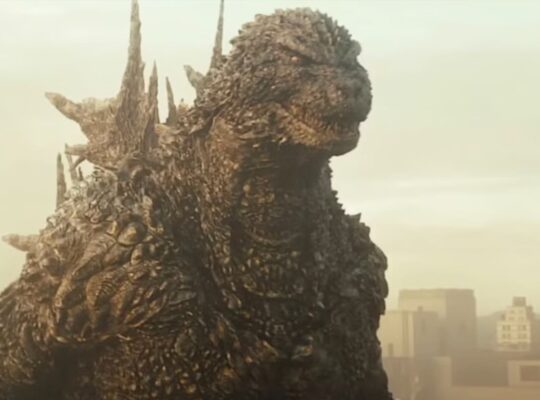
There is a very particular kind of confidence in booking a monster movie into Alice Tully Hall. Toho has spent seventy years selling Godzilla as the thing that flattens the arthouse, not the thing that plays inside it, and yet the biggest kaiju sequel of the decade is now going to meet the world in a room full of critics and Film at Lincoln Center members before a single suburban multiplex gets a crack at it.
Takashi Yamazaki’s “Godzilla Minus Zero” will hold its world premiere at the 64th New York Film Festival on September 26, screening at Alice Tully Hall as this year’s Spotlight Gala, with Yamazaki and members of the cast and crew in attendance. The festival runs September 25 through October 12 and opens on James Gray’s “Paper Tiger,” with Tony Gilroy’s “Behemoth!” taking the centerpiece slot and Ava DuVernay’s documentary “14th” closing the whole thing out. That is the company Godzilla is keeping this fall, and it is not an accident.
Because here is the thing about a festival berth: nobody premieres a movie at a place like this to sell tickets. Lincoln Center does not move opening weekend. What it moves is the conversation, and the conversation is what turns a giant lizard picture into a film with a campaign behind it. Warning: beyond this point there are spoilers for “Godzilla Minus One” and for the setup of its sequel, including where the Shikishima family stands when the new film picks up.
Toho has spent seventy years selling Godzilla as the thing that flattens the arthouse, not the thing that plays inside it.”
Yamazaki has earned the room, though, and that is the part worth sitting with. “Godzilla Minus One” won the Academy Award for Best Visual Effects in 2024, becoming the first Japanese film ever nominated in that category and then, in the same night, the first to win it. Seventy years of Godzilla movies, thirty-odd entries, and none of them had ever taken home an Oscar. The one that finally did was a period drama about survivor’s guilt that happened to have a monster in it.
The number that still makes visual effects supervisors put their head in their hands is the budget. Minus One was made for under fifteen million dollars, with a core effects team of roughly thirty-five people, in a year when a single Hollywood tentpole set piece could cost more than that on its own. It went on to gross north of a hundred million worldwide and became the highest-grossing Japanese live-action release in American box office history. Yamazaki did his own effects supervision. That is not a fun trivia note, it is the whole explanation for why the film looks the way it does, because the guy deciding where the camera goes is the same guy who has to render what it sees.
So the sequel arrives with something no Godzilla movie has ever really had, which is expectation of the awards-season variety. That cuts both ways. Toho now has to make the follow-up to the most acclaimed film in the franchise’s history, and it has chosen to do it by going bigger in every direction a person could measure.
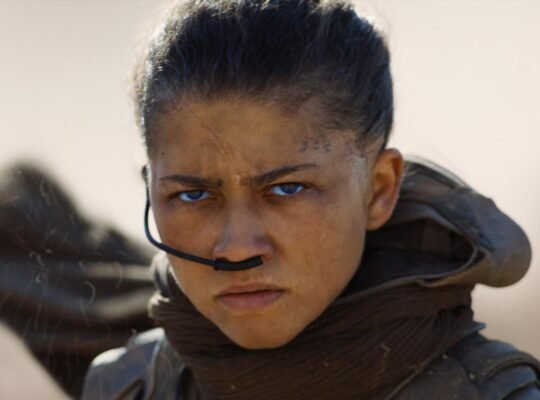
“Godzilla Minus Zero” is set in 1949, roughly two years on from where the last film left its people, and it stays with the same family rather than resetting to a fresh cast the way this franchise usually does. Koichi Shikishima (Ryunosuke Kamiki) is trying to build an ordinary life out of the wreckage, and Noriko Oishi (Minami Hamabe) is back alongside him, which matters enormously given how Minus One left her. Yuki Yamada returns as Shiro Mizushima, Hidetaka Yoshioka as the scientist Kenji Noda, and Munetaka Aoki as Sosaku Tachibana. Keeping that ensemble intact is the single clearest signal of what Yamazaki thinks the first film was actually about, and it was never the monster.
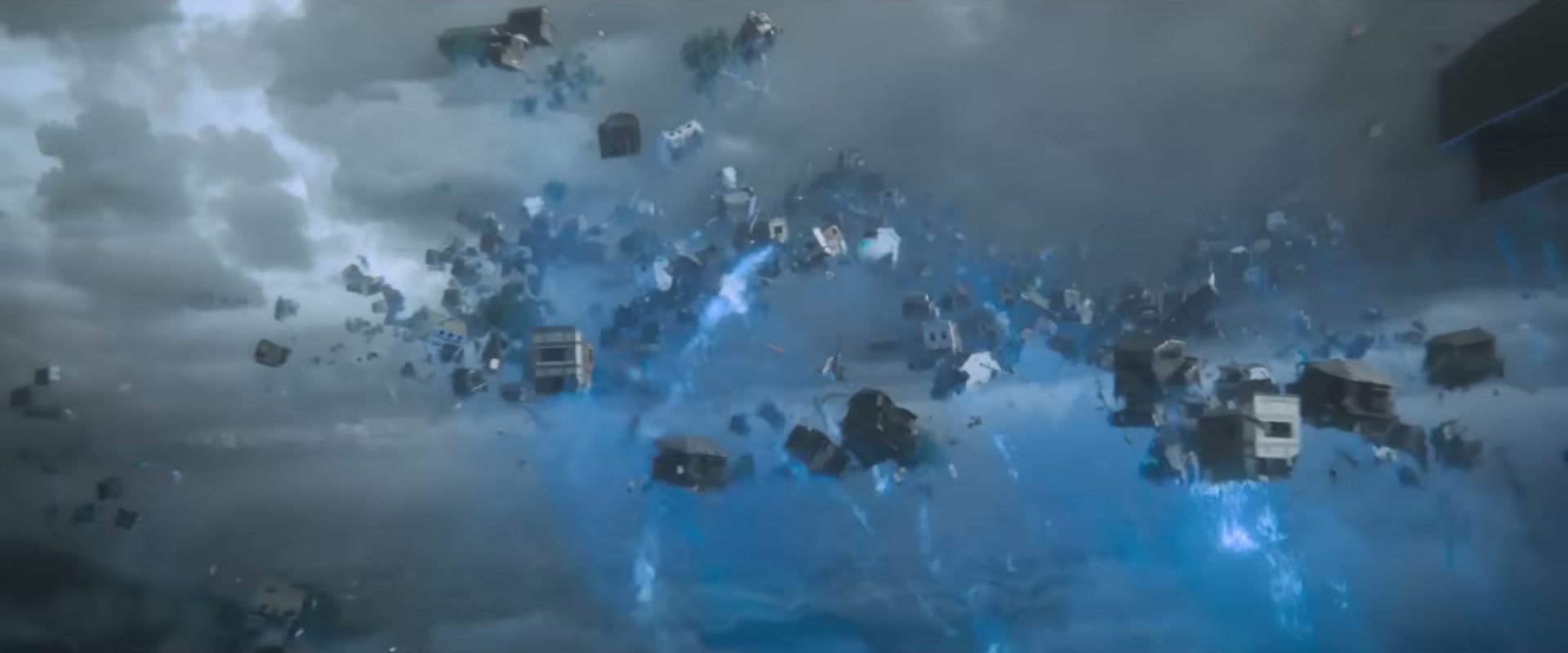
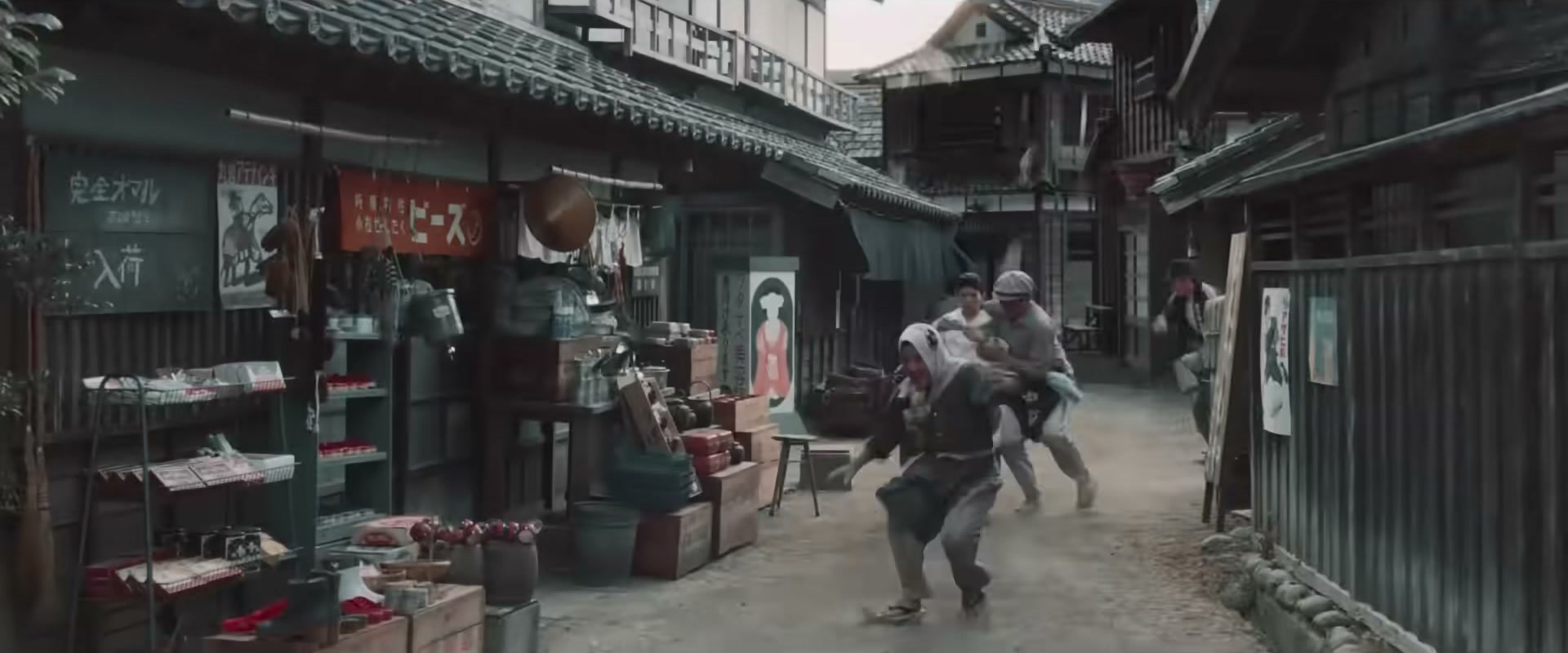
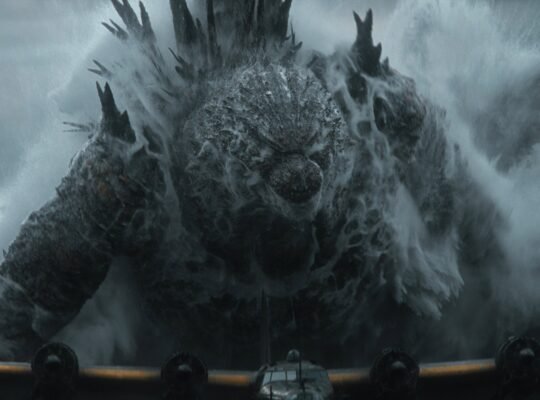
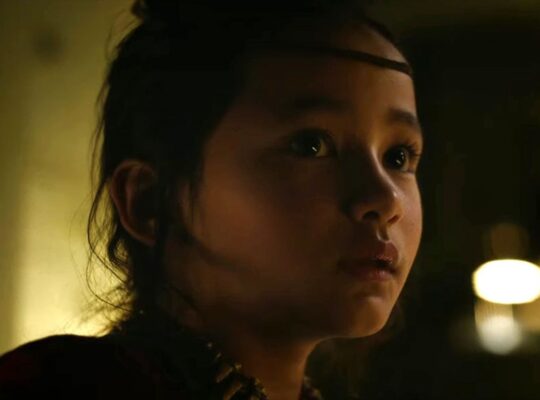
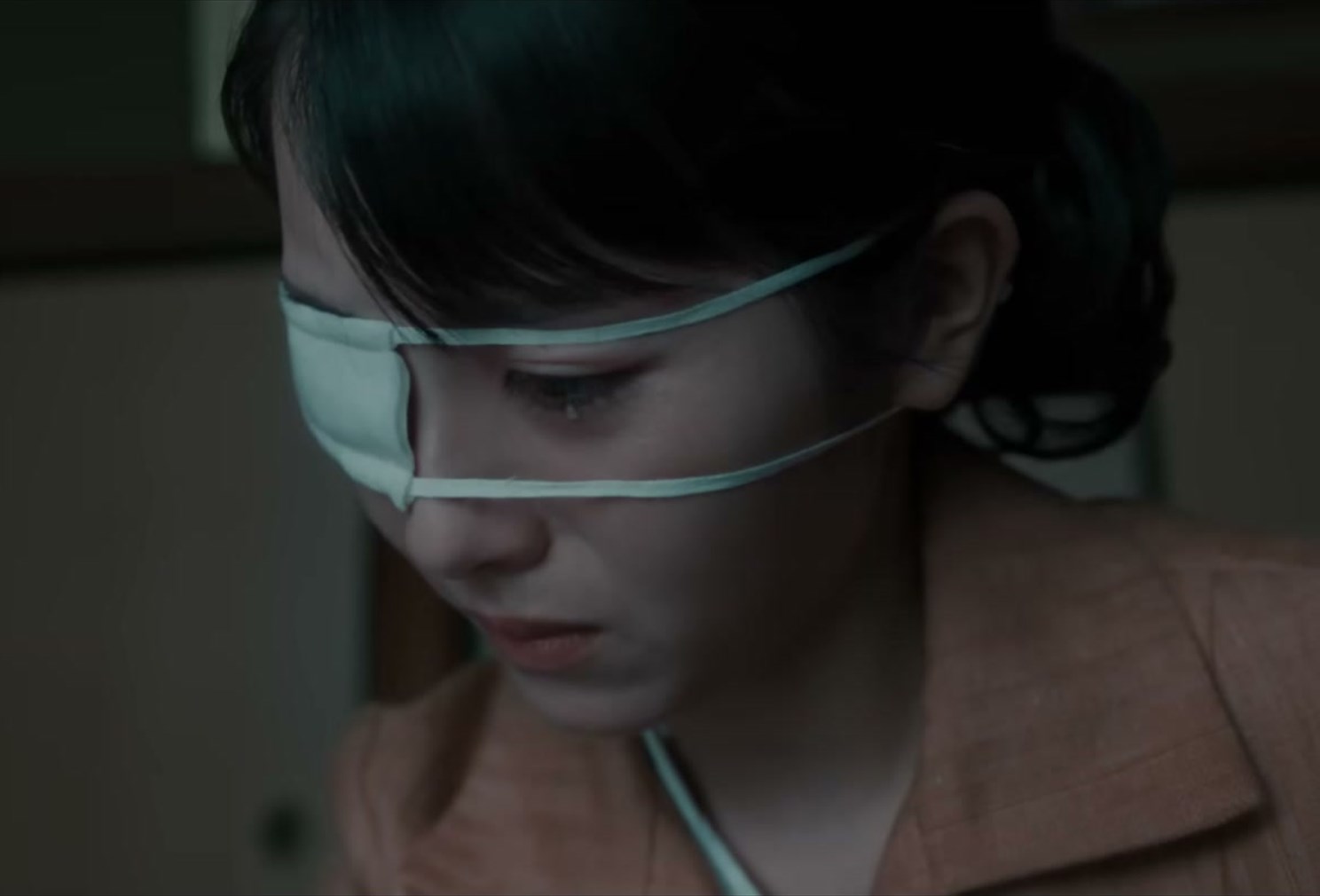
The marketing agrees with him, and this is the part that surprised us. We sat down and went through the teasers Toho has actually released frame by frame, and Godzilla is not in them. Not a tail, not a dorsal fin, not a silhouette. What is there instead is a title card reading 1949 and TWO YEARS HAVE PASSED, a finger tracing a route across a paper map, a rising sun insignia filling the frame on an aircraft wing, a woman standing alone in a field of rubble, a young woman in a surgical mask staring at something off camera, a village street emptying as people run, and a seaplane throwing an enormous wall of spray as it comes down on open water. The closing cards do the rest of the talking: FILMED FOR IMAX, NOVEMBER 6, ONLY IN THEATRES, and VFX, Written, and Directed by Takashi Yamazaki.
Which means the monster footage everybody has been writing about came from somewhere else, and it is worth being precise about that rather than repeating it. The Statue of Liberty shot that generated headlines was screened at CinemaCon, an exhibitor-only presentation that has never gone online. Coverage describing a nuclear weapon being dropped on Godzilla refers to footage we could not match against any public upload, official channel included. So file the New York material and the nuke under reported rather than seen, because the difference matters to anyone who goes looking for it. The one plot detail that does come straight from Toho’s own synopsis is that something ancient begins to stir beneath the Aokigahara forest near Mount Fuji, which is the studio promising a second creature without ever using the word.
We will be honest about our own nerves here. The reported New York material is the piece we are least sure about. Part of what made Minus One land was how tightly it was bound to postwar Japan, to a country with no army, no money and no permission to save itself, and Godzilla as the bill coming due. Shipping him to Manhattan is a bigger movie. It is not automatically a better one. Yamazaki has earned the benefit of the doubt, but the honest read is that the sequel may be trading some of the first film’s specificity for scale, and scale is the cheapest thing a Godzilla movie can buy.
There is also a technical flex attached to this one, printed right there on the end card, which is that Minus Zero was filmed for IMAX. Take that as a statement of intent about where the studio thinks this film belongs on a screen. It also explains the release pattern: the film opens in Japan on November 3, the date Toho reserves for Godzilla, and reaches North American theaters three days later on November 6. A late-September festival premiere, a very early November release, and a visual effects category the film already owns a trophy in. Nobody schedules that by coincidence.
What the NYFF slot really buys Toho is six weeks of reviews landing before anyone can buy a ticket, and for a subtitled film in the American market that is worth more than any trailer. Minus One got to a hundred million dollars in the States on word of mouth and a limited run that kept expanding because people would not stop talking about it. Doing that on purpose the second time, instead of by happy accident, is the smartest thing Toho could have done with this movie.
The risk, of course, is that a festival audience is not a Godzilla audience, and the notices out of Lincoln Center will set the tone for a film that still has to work for people who just want to watch a big lizard eat a battleship. The BR team would gently point out that those two crowds overlapped completely three years ago. Minus One did not win anybody over by being small. It won by being serious about people while still letting the monster be terrifying, and if Minus Zero holds that line at twice the size, November is going to be a very good month.
What Do You Think? Is holding Godzilla completely out of the marketing a power move from a studio that knows it does not need him to sell tickets, or a sign Toho is protecting something it is not ready to show? Does whatever is stirring beneath Aokigahara turn out to be a second kaiju, and if so, is Toho quietly rebuilding a shared monster roster the same way it did in the sixties? And after the visual effects win, can a Godzilla film realistically push into the bigger Oscar categories, or is that ceiling still bolted shut no matter how good Yamazaki gets?
Catch up properly: every Godzilla and MonsterVerse film and show in chronological order on our Timeline Hub’s Godzilla timeline.
See you on the next binge!