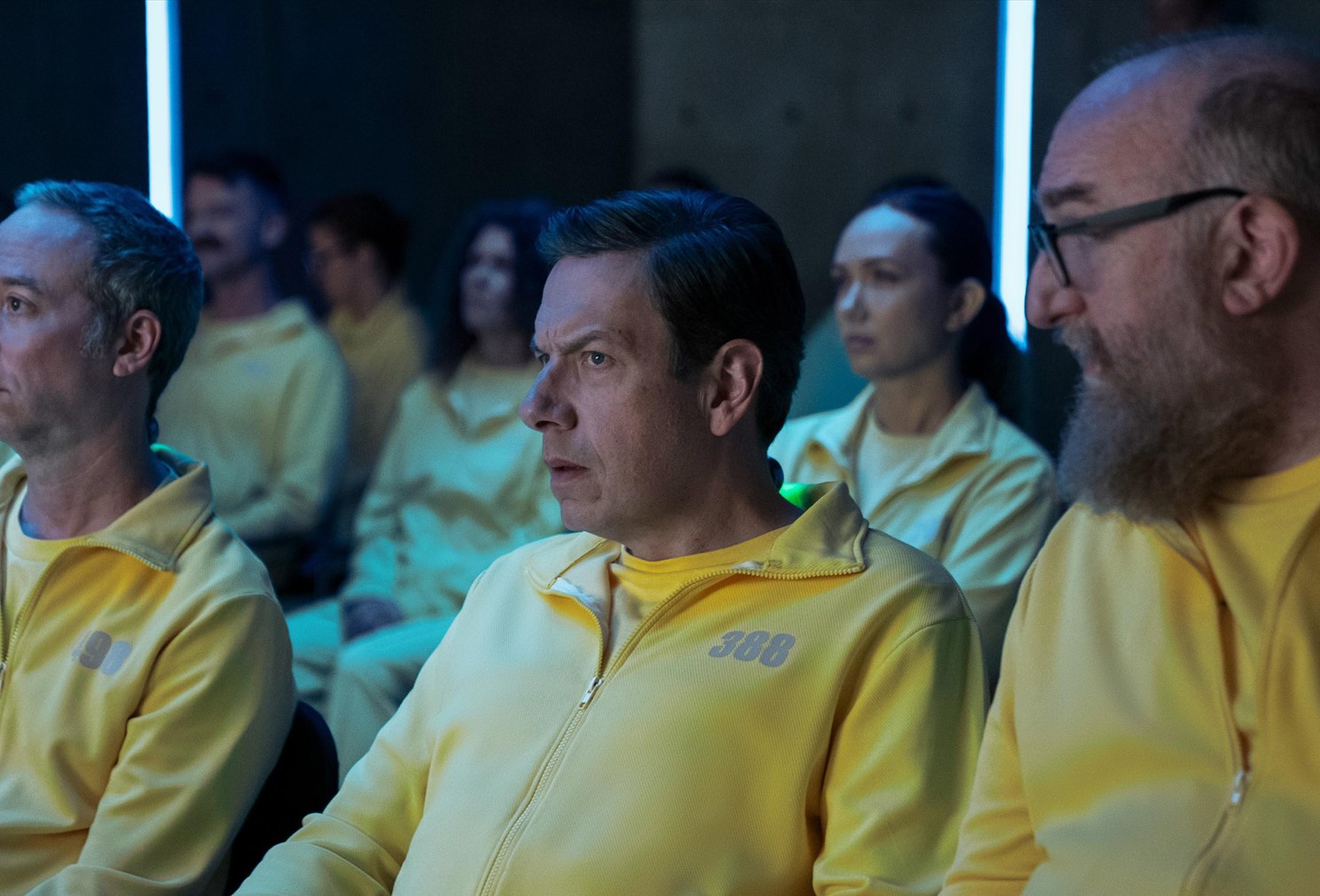
Renewals usually arrive in one of two ways. Either a network waits out the full season, watches the numbers settle and quietly announces something in a Friday news dump, or it moves fast because it has seen something it does not want anybody else thinking about. HBO Max just did the second thing with “Stuart Fails to Save the Universe,” handing it a second season four weeks into a ten-episode run. Four episodes. That is a network telling you, in the only language networks actually speak, that the show worked.
The number behind the decision is the part worth sitting with: HBO Max says the first season is its second-biggest comedy launch ever, globally. Not its biggest of the year, not its biggest since the rebrand, second-biggest ever. For a spin-off built around the guy who ran the comic book shop, that is a genuinely startling stat, and it reframes what the last few years of “Big Bang Theory” spin-offs have been doing. This is not a nostalgia trickle. It is a franchise that keeps finding new rooms in the same house.
Four episodes. That is a network telling you, in the only language networks actually speak, that the show worked.”
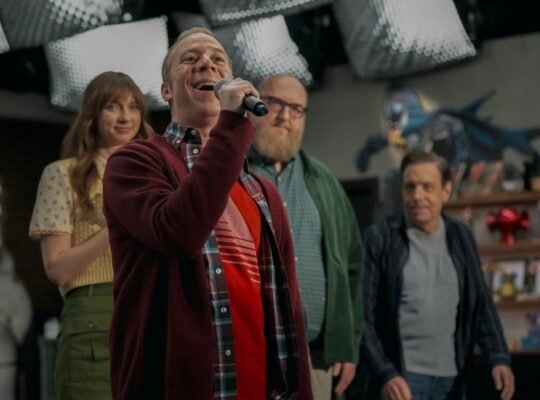
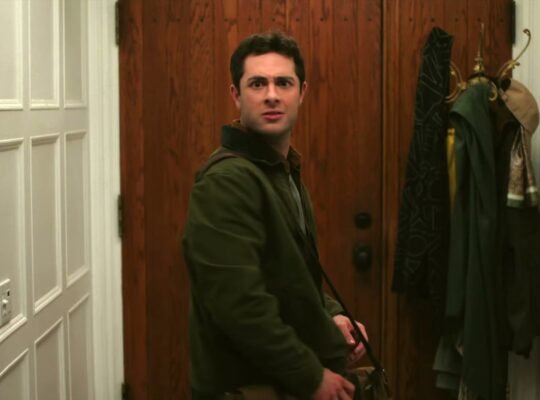
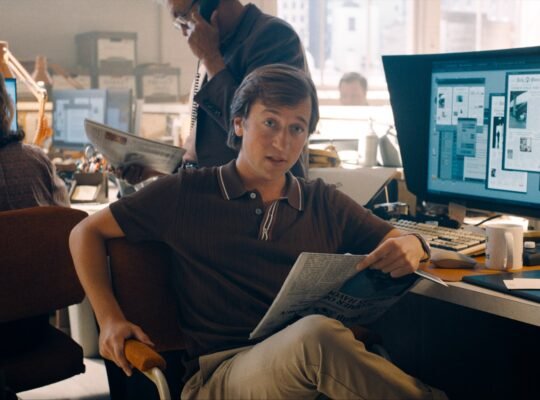
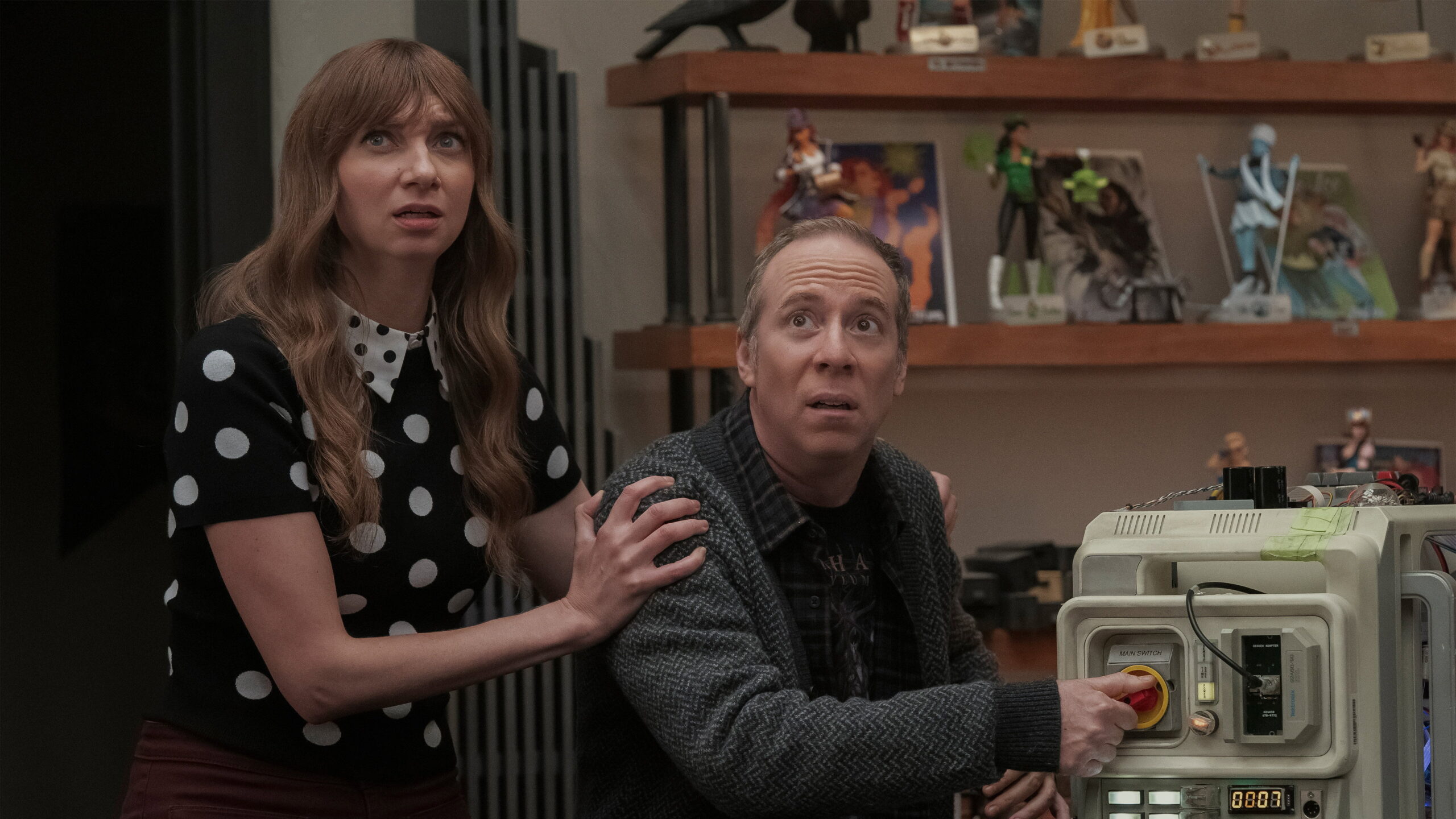
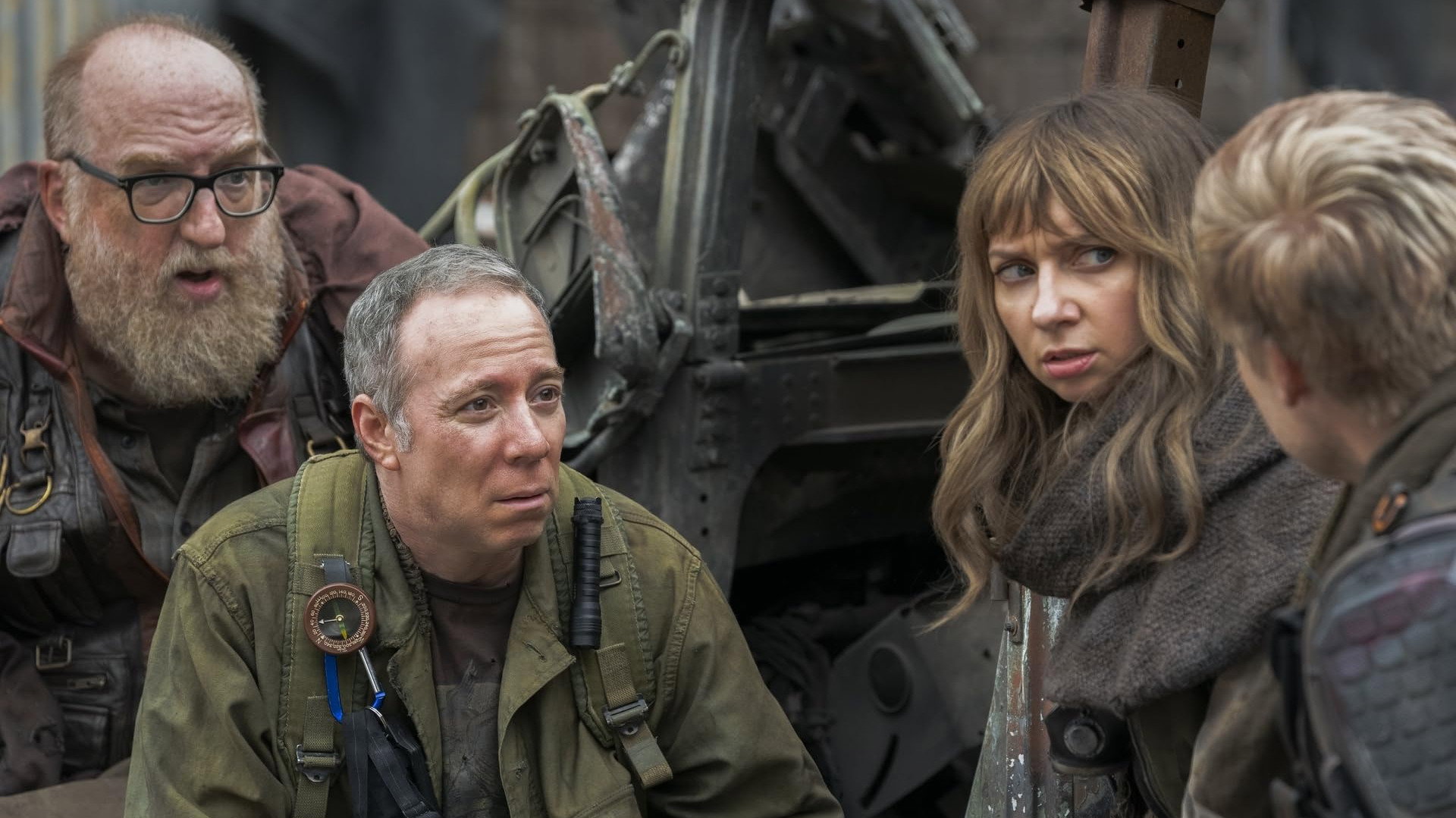
If you have not caught up, the premise is exactly as silly as the title promises. Stuart Bloom (Kevin Sussman) accidentally breaks a device built by Sheldon and Leonard, and the result is a multiverse he now has to stumble through, a man whose defining characteristic across twelve seasons was a kind of beautifully sustained low-grade despair, suddenly handed infinite realities to be sad in. Lauren Lapkus is back as Denise, Brian Posehn returns as Bert Kibbler and John Ross Bowie as Barry Kripke, all of them reprising recurring roles from the parent show.
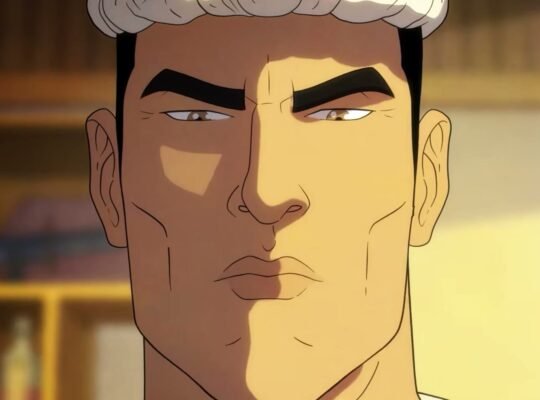
What makes it work, and what the renewal is really rewarding, is that the multiverse conceit solves the exact problem spin-offs normally die of. A sitcom about a supporting character usually has to justify why we are spending time in the smaller room. This one does not have to justify anything, because the format lets it visit any room it wants. Every episode gets a new set of rules, and the constant is Stuart, who reacts to cosmic nonsense the way he once reacted to nobody coming to his store.
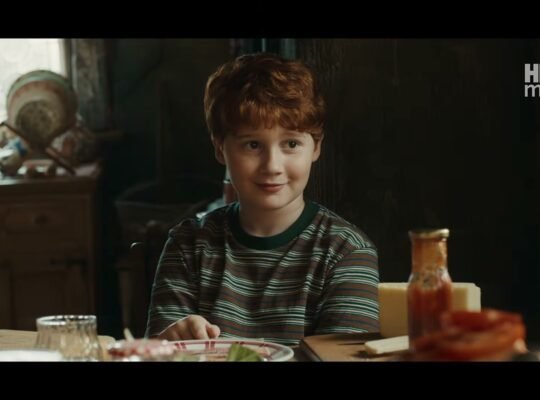
It also lands in a franchise that has quietly become one of television’s most productive. “Young Sheldon” ran seven seasons and finished as one of the most-watched comedies on American television. “Georgie & Mandy’s First Marriage” spun out of that. Now this: a third generation of spin-off, on a streamer rather than a network, built with a science-fiction premise the parent show would never have attempted. Chuck Lorre has effectively built a comedy universe by accident, and the striking thing is that each entry has been formally different from the last rather than a copy with new faces.
The creative pedigree is more interesting than it first looks. Chuck Lorre and Bill Prady created the original, so their presence is expected. Zak Penn is the surprise, and he is the reason the sci-fi actually holds together. Penn has spent a career writing genre films that treat their own premises seriously, and pairing that instinct with a multi-camera comedy sensibility is a genuinely odd combination, the kind of thing that either falls apart in episode two or becomes the whole identity of the show. Four episodes in, HBO Max clearly thinks it is the second one.
The renewal also tells you something about HBO Max’s priorities right now. A service that spent years positioning itself around prestige drama has been rebuilding its comedy bench in public, and a spin-off that pulls its second-biggest global comedy launch ever is exactly the kind of result that changes commissioning strategy for a couple of years. Expect more of this: recognisable IP, a lower-profile lead, a format hook that gives the writers somewhere to go. It is a cheaper bet than a new original and, on this evidence, a considerably safer one.
Sussman finally leading something is the part we are happiest about. Stuart was, for most of his run on the parent show, a punchline delivery system, the sad man at the edge of the frame, occasionally allowed a moment of real pathos before somebody made a joke about his finances. Handing that actor a series and asking him to carry it is the kind of casting decision that either exposes a limited performer or reveals that everybody had been underusing him for a decade. The numbers suggest the latter.
There is a caution worth registering, though, and it is the standard one for shows renewed this early. A second season ordered four episodes into the first means the writers will be building Season 2 before they have seen how Season 1 lands with an audience that has watched all of it. Sitcoms usually find their real shape somewhere around episode eight, when the cast has worked out what they are doing and the writers have stopped protecting the premise. Season 2 will be written by people who do not yet know which parts of the show the audience actually fell for.
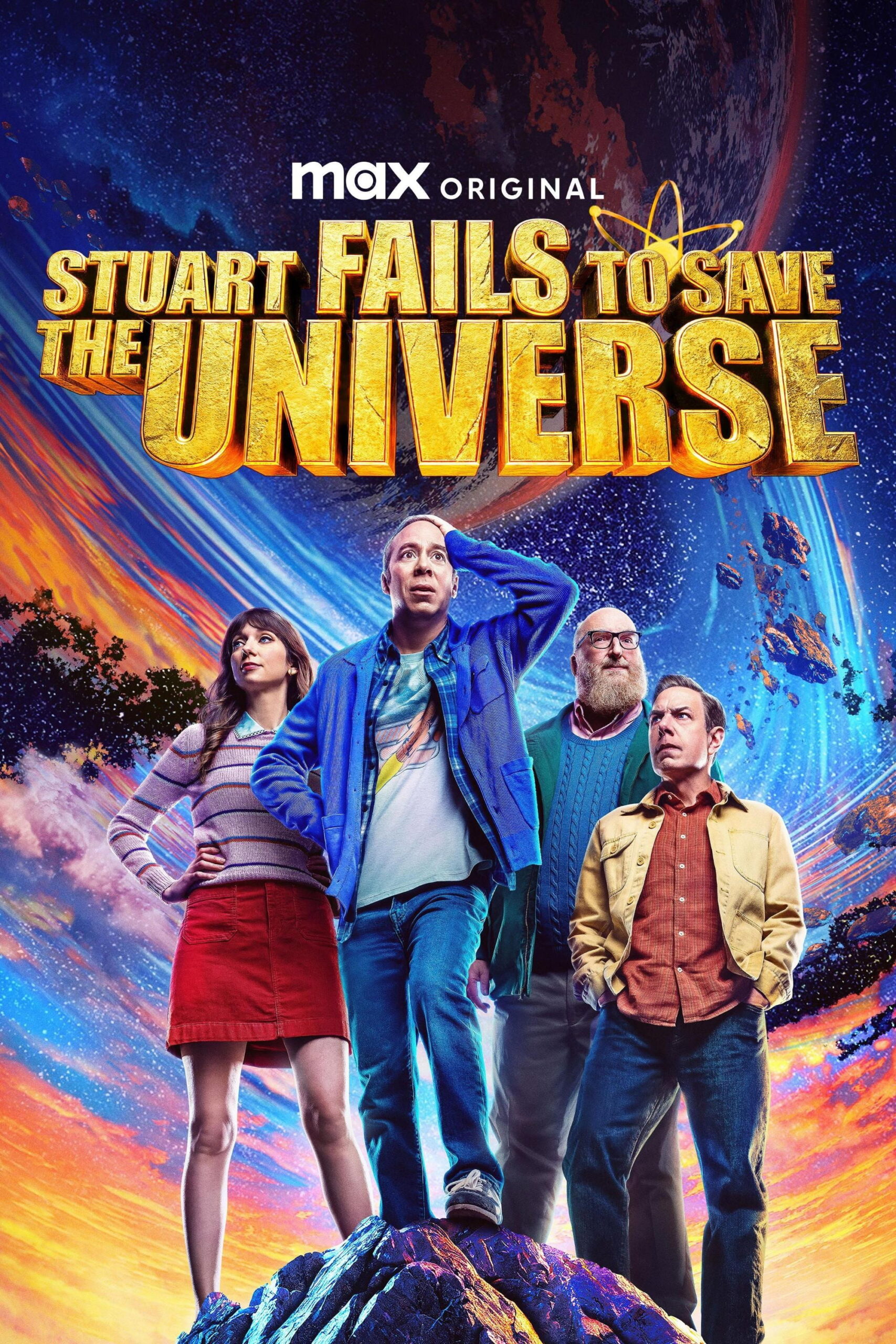
The other question is how long a multiverse stays funny. It is a structure with a hard ceiling: the joke is variation, and variation gets less surprising every time you use it. The smart version of Season 2 probably narrows rather than widens: fewer realities, more consequence, and some sense that Stuart’s wandering has a destination. The dumb version keeps escalating until the show is a sketch series with a recurring lead. There is a version of this that runs five years and a version that exhausts itself in two, and the difference is entirely down to whether the writers let anything stick.
Either way, the headline stands: the third series to spin out of “The Big Bang Theory” is now the one with the fastest renewal, built around the least likely lead, and it did that number for HBO Max without a single original character in its main cast. Six episodes of the first season are still to come. If you skipped it because the title sounded like a joke that had already been made, this is your nudge.
What Do You Think? Is a renewal four episodes in a vote of confidence or a network locking in a hit before it has seen the back half? Does the multiverse format give this show room to run for years, or is it a premise with a two-season shelf life? And is Stuart Bloom the “Big Bang Theory” character you would ever have picked to headline the franchise’s biggest launch?
Catch up properly: every show in the Big Bang Theory universe in chronological order on our Timeline Hub’s Sheldon-verse timeline.
See you on the next binge!