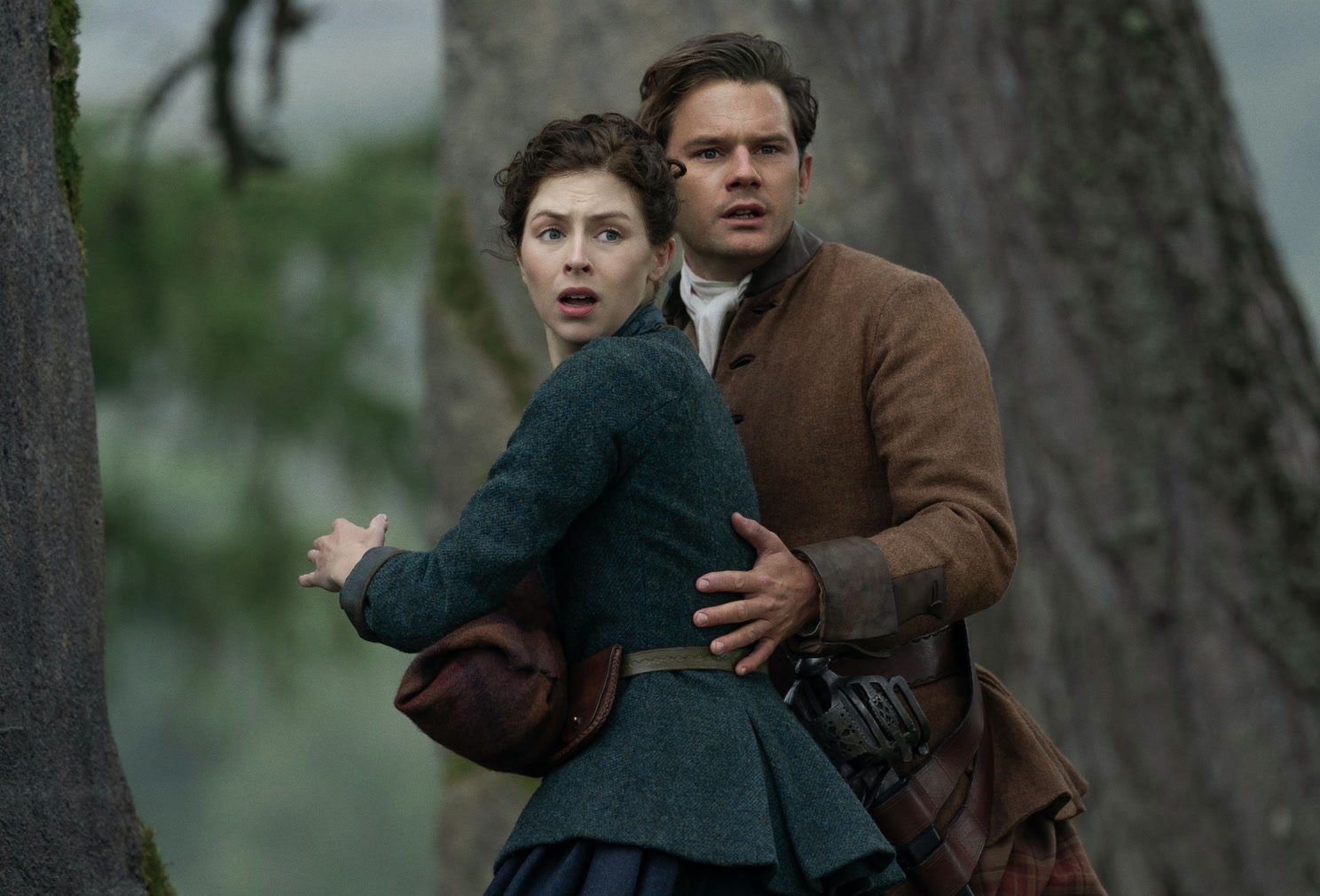
Henry Beauchamp (Jeremy Irvine) made it back through the stones. He made it back alone, and Scotland put him in a straitjacket for it. “Outlander: Blood of My Blood” opened its second season on Starz on Friday with an episode called “Remembrance Day”. The hour spends most of its running time dismantling everything season one built. Both couples end it apart; one pair is separated by two hundred years and a hospital that has decided he is insane.
We asked the question in August. Our trailer breakdown ran under the headline “The ‘Outlander’ Prequel Returns September 18, But Can Anyone Get Back?” The answer is yes: exactly one of them made it, and the getting back is the punishment. Ten episodes are rolling out weekly. Warning beyond this point there are spoilers for “Outlander: Blood of My Blood” season two, including which year Henry lands in, what the doctors there do to him, and what Ellen MacKenzie chooses to do about the MacKenzie men.
He made it back alone, and Scotland put him in a straitjacket for it.”
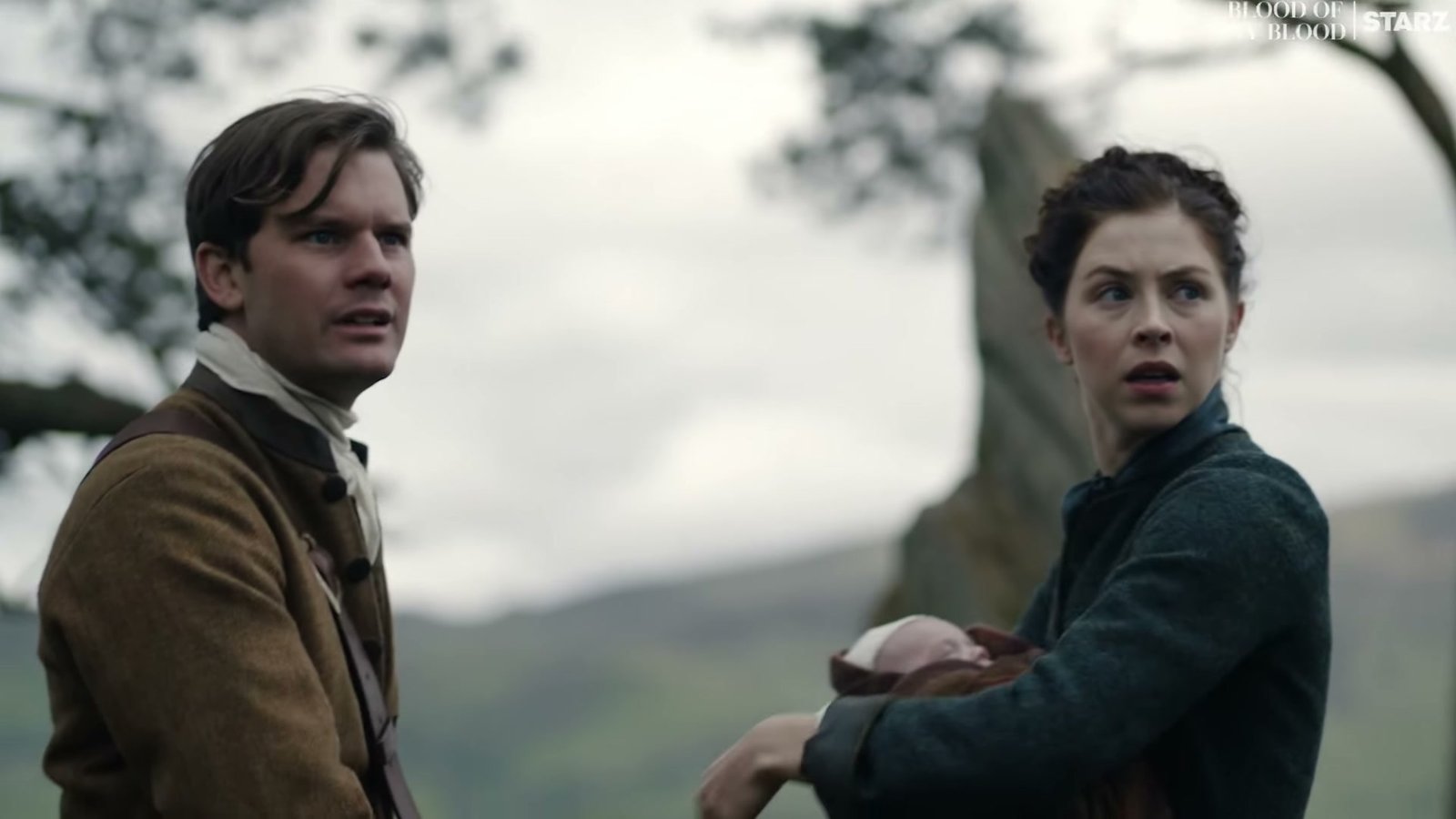
This piece is written from the broadcast rather than an advance screener. Every beat below was checked against several independent accounts before it went up. The premiere starts by filling the hole the season one finale left. Henry and Julia (Hermione Corfield) reached Craigh na Dun together and put their hands on the stone; nothing happened at all. Then men caught up with them. Henry took a blade in the shoulder and went down hard. He made contact with the stone on the way to the ground.
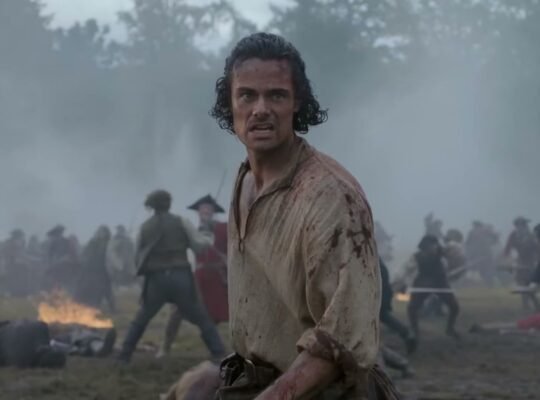
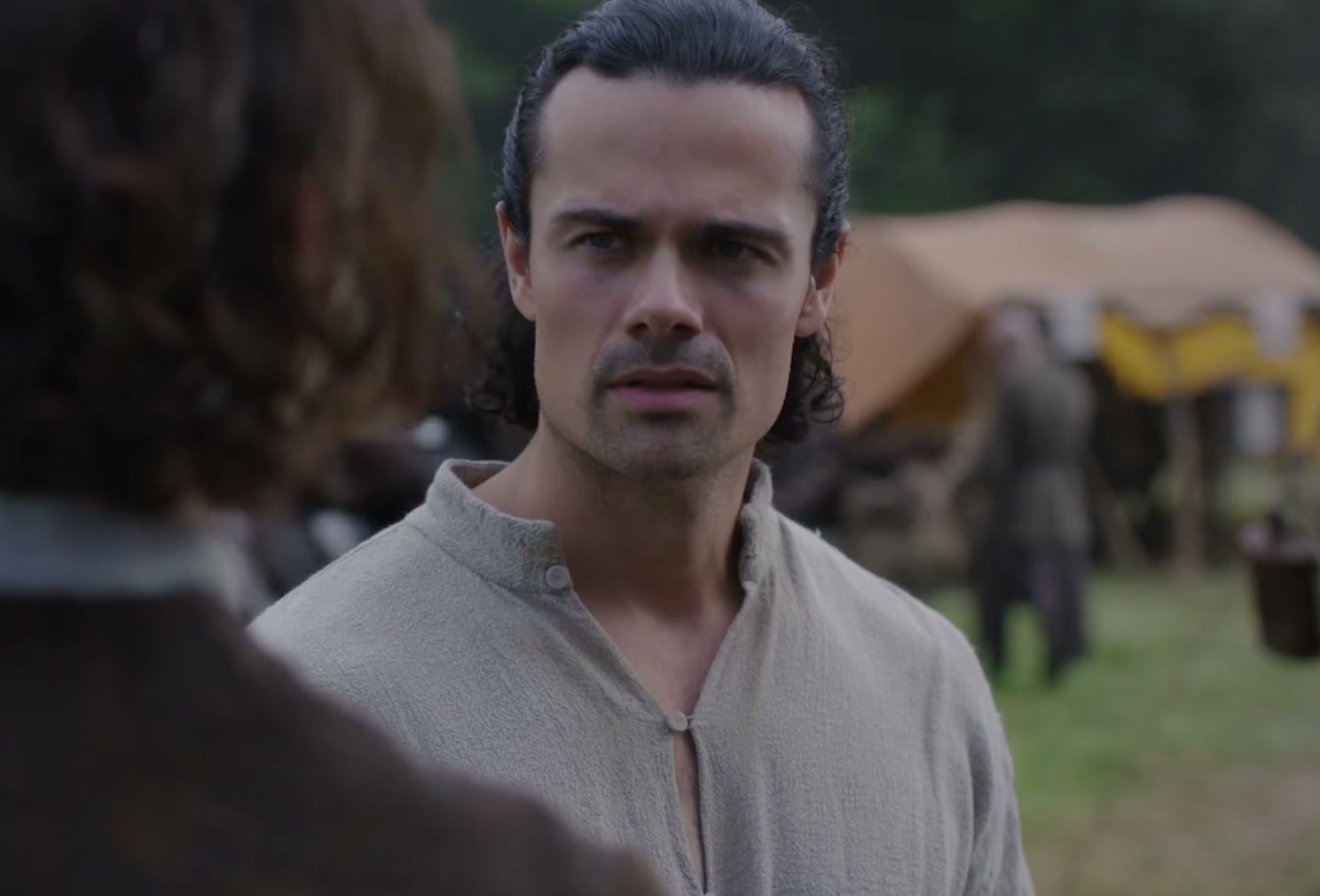
That was the whole mechanism. He did not choose the moment and he did not choose to go without his wife and his infant son. He wakes in 1924 in the Inverness asylum, restrained and concussed, with a shoulder wound nobody in the building can account for. He tells the doctors he travelled from 1715. They hear a Western Front veteran describing a war he never came home from. They treat it with electricity, over and over.
Every session takes something. By the end of the hour Henry has lost his daughter out of his head entirely, and he can no longer say how many children he has. That is the cruellest thing in the episode, and it only detonates if you know the parent show. Claire Elizabeth Beauchamp was born on 20 October 1918. In 1924 she turns six, which means her father is in the same country, on a hospital bed, being cured of her.
Now do the arithmetic the other way, because this is the bit that should make any “Outlander” reader sit forward. Claire grew up being told her parents died in a car crash when she was five years old; she was five from October 1923 to October 1924. The premiere puts both of her parents alive inside exactly that window, one of them stranded in 1715 and the other strapped to a bed in Inverness. Nobody on screen has yet written the crash story. The show has just put the year on the wall.
The Inverness thread pays a second debt, and this one is a straight franchise callback. Reverend Wakefield (Tom Ashley) comes to the asylum to offer Henry prayer and conversation. He talks the strange case over with his housekeeper afterwards, and Mrs. Graham (Emma Hartley-Miller) then goes to see Henry herself and tells him she believes he came through time. In 1945 that same woman leads the dance at Craigh na Dun and explains the stones to Claire. She is twenty-one years early here, and she is saying it to the girl’s father.
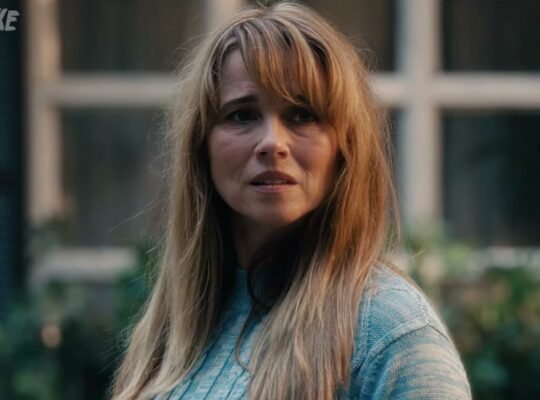
Julia’s half of the hour is quieter and meaner. She is back at Castle Leathers with the baby, under Lord Lovat (Tony Curran), and she covers Henry’s disappearance with a lie about being abducted. The lie holds. It also means she cannot mourn him in front of anyone. She hands the truth to Davina Porter (Sara Vickers), Brian’s mother and the Lovat household’s housekeeper, instead: she is not from this century, and there is a daughter waiting on the far side of it. “A part of my heart is missing and I’m afraid it always will be,” she says.
Sara Vickers’ character is a small gift to the book crowd, by the way. Jamie Fraser’s paternal grandmother is never named in Diana Gabaldon’s novels, so the show named her after Davina Porter, the woman who narrates the “Outlander” audiobooks and won an Audie for it. The prequel handed the unnamed grandmother the voice of the entire series. That is the kind of detail this franchise has always been good at.
The episode earns its title with a letter. Julia finds a sealed note written by a soldier who died in Henry’s war, addressed to the man’s mother, and she wants it posted. Remembrance Day is the one day a year Britain organises itself around not forgetting, and this hour is about a man having his memory taken off him on a table. The show is not subtle about the rhyme. It does not need to be.
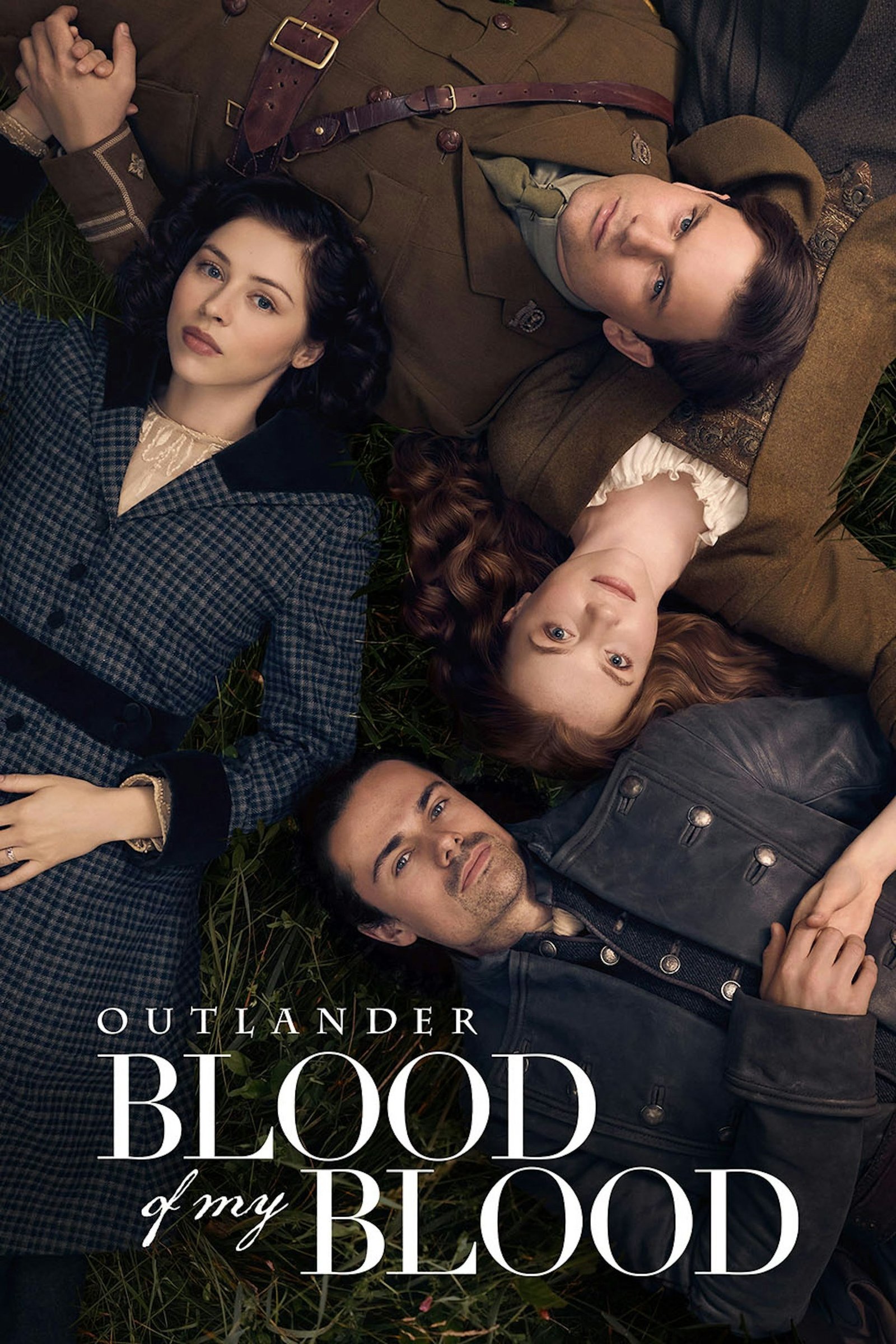
Ellen MacKenzie (Harriet Slater) makes the best decision in the episode, and it is not a romantic one. The fiery crosses go up, the MacKenzie men come for her, and Brian Fraser (Jamie Roy) wants to stand and fight them. Ellen sends him away with Murtagh (Rory Alexander) instead and then walks out and surrenders herself. She is not captured and she is not dragged back. She hands herself over, because a MacKenzie inside the clan is worth more to Brian than a fugitive beside him. He promises she will be his wife inside the year.
Leoch has moved on without her, and not kindly. Malcolm Grant is dead, so Dougal (Sam Retford) has been handfasted to Maura Grant (Bobby Rainsbury) to keep the Grant alliance upright. Colum (Seamus McLean Ross) holds his sister responsible for the entire mess, will not hear a word of her reasons, and has her locked up before she can give them. The Jacobite call to arms is meanwhile forcing clans who loathe each other into one army, and both Colum and Lovat are plainly calculating which side is going to still be standing afterwards. Julia works that calculation and talks Lovat into leading his own men rather than sending Brian to do it.
The obvious objection is that all of this puts everybody back where season one found them. TellTale TV made exactly that call, and wrote that the episode mistakes regression for conflict. It is a fair hit and it is not the whole picture. Season one separated these people by circumstance; this one separates them by choice, and choice is a better engine. Ellen was not taken. She walked in.
The real risk is sitting on the other side of the room, and it is the amnesia. A show that solves a plot problem by deleting a lead’s memory has bought itself ten episodes of a man not knowing things, and that is very easy to write badly. The premiere gets away with it because the electricity is doing the forgetting rather than the script. Whether it still works in episode five is a genuine question.
One last thing, and it is ours. The August trailer held two hands reaching for each other and never let them touch, across three separate shots, and we said at the time that the show was telling you what it thought time travel actually was. It was. On our copy of the caption track, at one minute flat, Henry says “In the war, I knew men who lost limbs,” and then, “That’s what this is like.” A phantom limb. The premiere makes it literal, and the limb is Claire.
What Do You Think? Is the memory loss a real engine for ten episodes, or the cheapest way to keep Henry from simply walking back to Craigh na Dun? Does putting Mrs. Graham opposite Claire’s father in 1924 make the prequel feel connected, or does it tighten the noose on a timeline that has to end in a car crash? And was Ellen right to surrender, or has she just handed Colum everything he wanted?
Catch up properly: every “Outlander” episode in chronological order on our Timeline Hub’s Outlander timeline.
See you on the next binge!