Some shows are so woven into the cultural fabric that remaking them feels almost like tampering with a family heirloom. “Little House on the Prairie” is one of those. For a whole generation, the Ingalls family’s covered-wagon saga was Monday-night comfort food, a tearjerker institution that ran for nearly a decade and never really left syndication. So Netflix bringing it back was always going to be a high-wire act. On July 9, that reboot finally premiered, and the frontier looks both familiar and brand new.
The source material, of course, predates even the beloved television version. “Little House on the Prairie” began as Laura Ingalls Wilder’s series of autobiographical children’s novels, chronicling her real childhood as a pioneer girl whose family carved out a life on the American frontier in the 1870s and 80s. The 1974 NBC series, indelibly shaped by Michael Landon as Pa, turned those books into a national phenomenon. Any new adaptation has to reckon with two towering legacies at once, the literary and the televised, and that’s a heavy wagon to pull. Warning: beyond this point there are spoilers for the Netflix “Little House on the Prairie” reboot and how it approaches the Ingalls family’s story.
Some shows are so woven into the cultural fabric that remaking them feels almost like tampering with a family heirloom.”
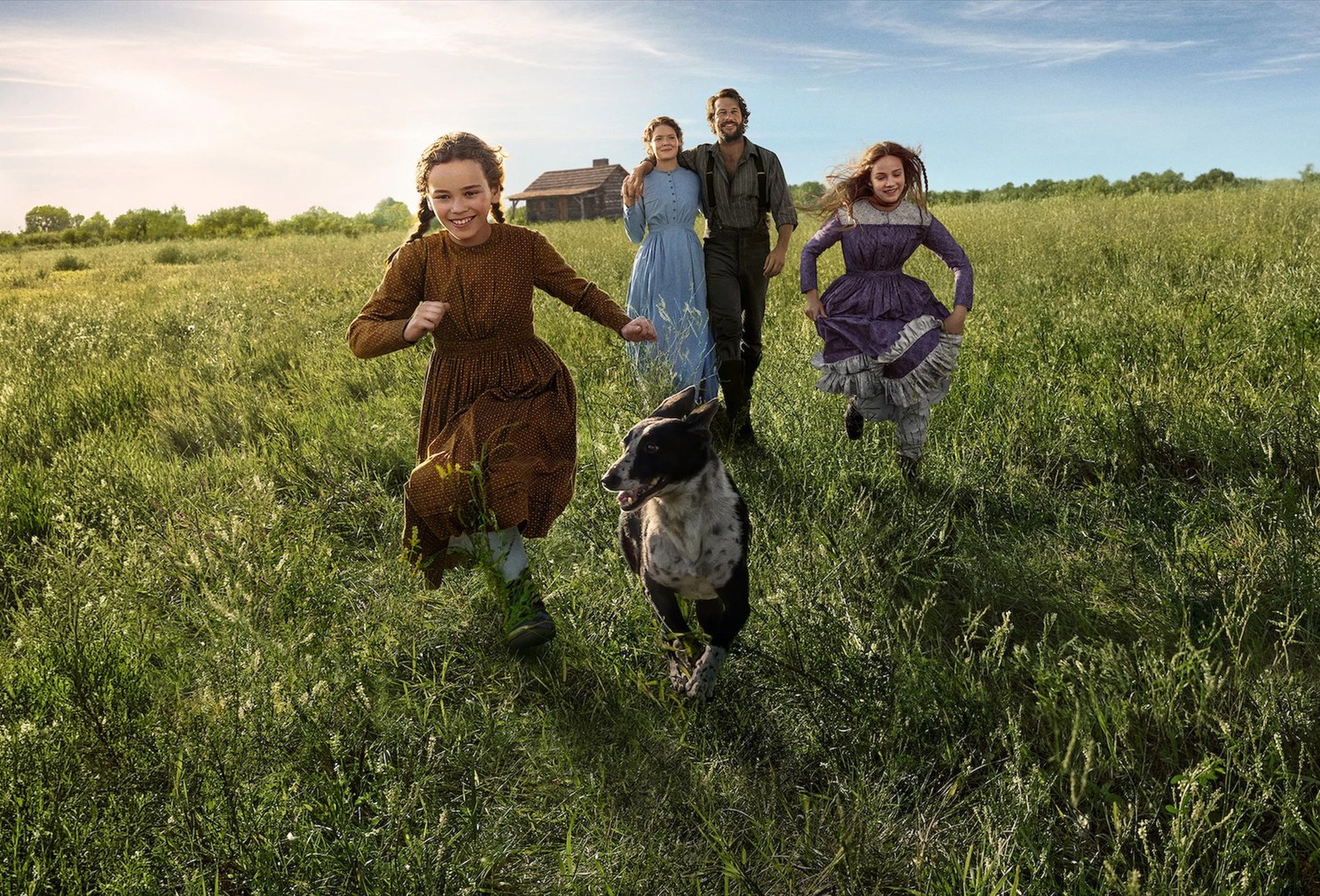
Netflix’s version leans into freshness rather than imitation. The new Ingalls family is led by Alice Halsey as young Laura Ingalls, our wide-eyed guide through frontier life, with Luke Bracey stepping into the enormous boots of Charles “Pa” Ingalls and Crosby Fitzgerald as Caroline “Ma” Ingalls. Skywalker Hughes plays Laura’s older sister Mary. Casting relative newcomers as the children while anchoring the family with capable adult leads is the smart, time-tested approach for a coming-of-age saga: the kids have to grow into these roles over years, and the show is clearly built for the long haul.
The pitch this time is a more grounded, historically textured take on the pioneer experience. Where the 1970s series sometimes smoothed the frontier into cozy melodrama, the reboot reportedly aims for a grittier authenticity: the genuine hardship, danger, and moral complexity of homesteading on contested land in a young, unforgiving country. That’s a meaningful shift. Modern prestige television has an appetite for period drama that doesn’t flinch, and there’s real story to mine in the hard truths the original occasionally softened. Done well, it could make the Ingalls family’s resilience hit even harder.
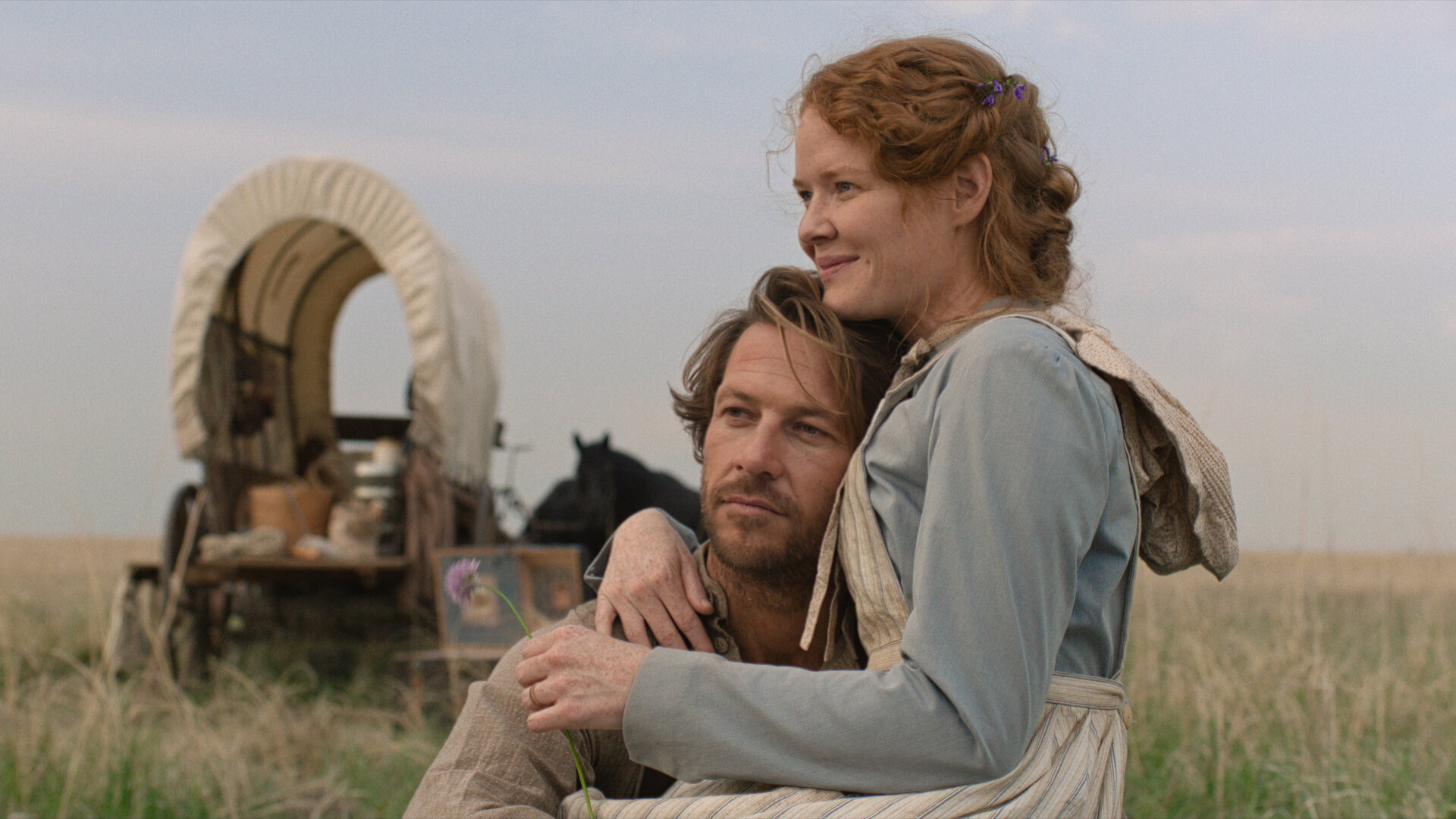
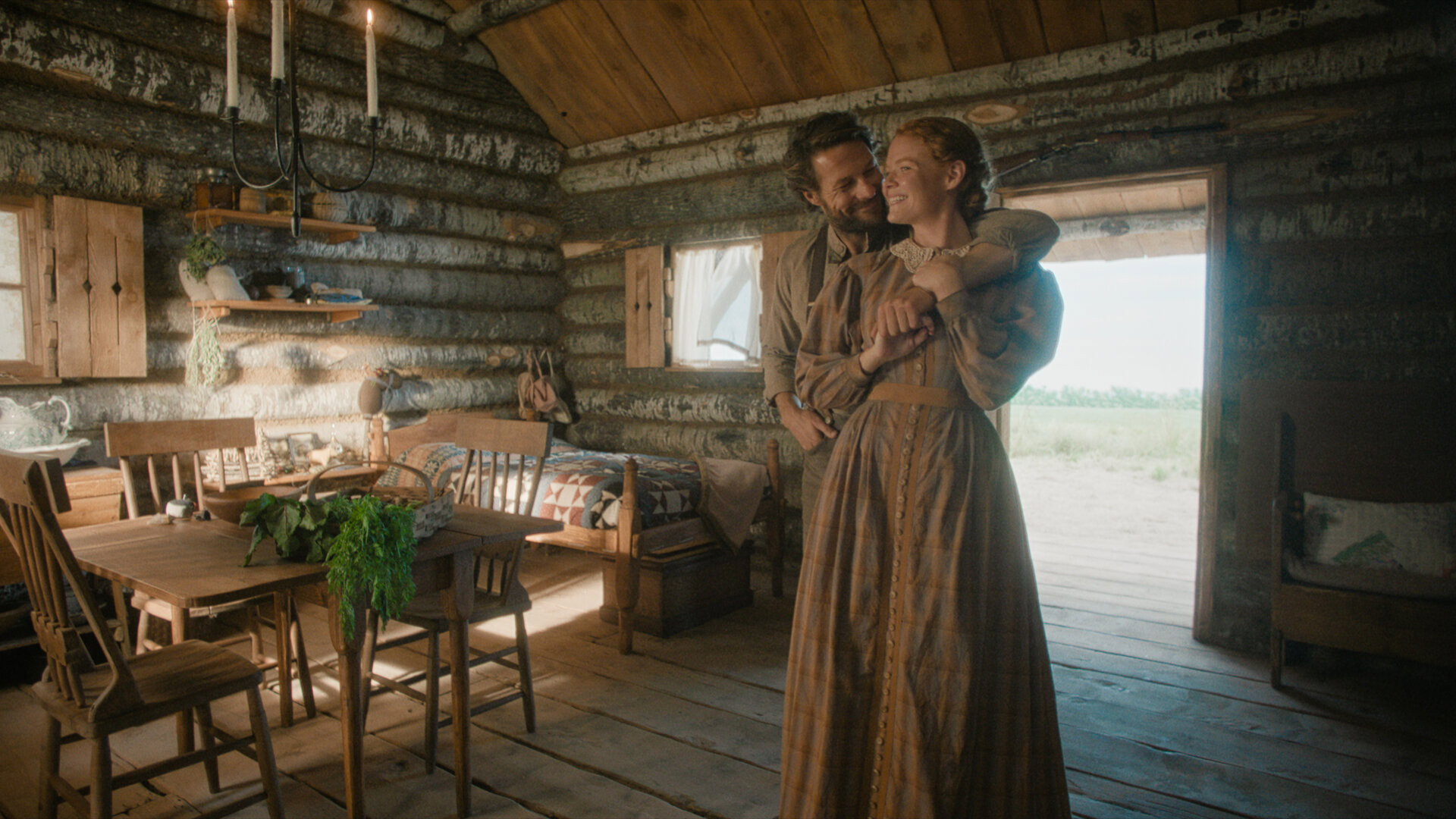
Early reception suggests the gamble is paying off. The reboot landed with solid reviews, a comfortably fresh critical consensus praising its handsome production and the warmth of its new cast. That matters enormously for a revival carrying this much nostalgic baggage: the fastest way to sink a beloved-property reboot is a wave of “they ruined it” reactions out of the gate. Instead, the show appears to have threaded the needle, honoring the spirit of the original while justifying its own existence with a fresh perspective. Winning over skeptics is half the battle, and it seems to be doing exactly that.
Netflix’s confidence in the project is written all over the calendar. The streamer renewed the series for a second season before the first even premiered, a vote of faith that signals it sees “Little House” as a long-term pillar rather than a one-off nostalgia play. Even better for fans of the source, that second season is set to introduce Nellie Oleson, Laura’s insufferable, ringlet-tossing rival and one of the most memorable antagonists in the whole franchise. Teasing Nellie’s arrival is a clear promise that the show intends to work through the rich well of characters and conflicts the books and original series made iconic.
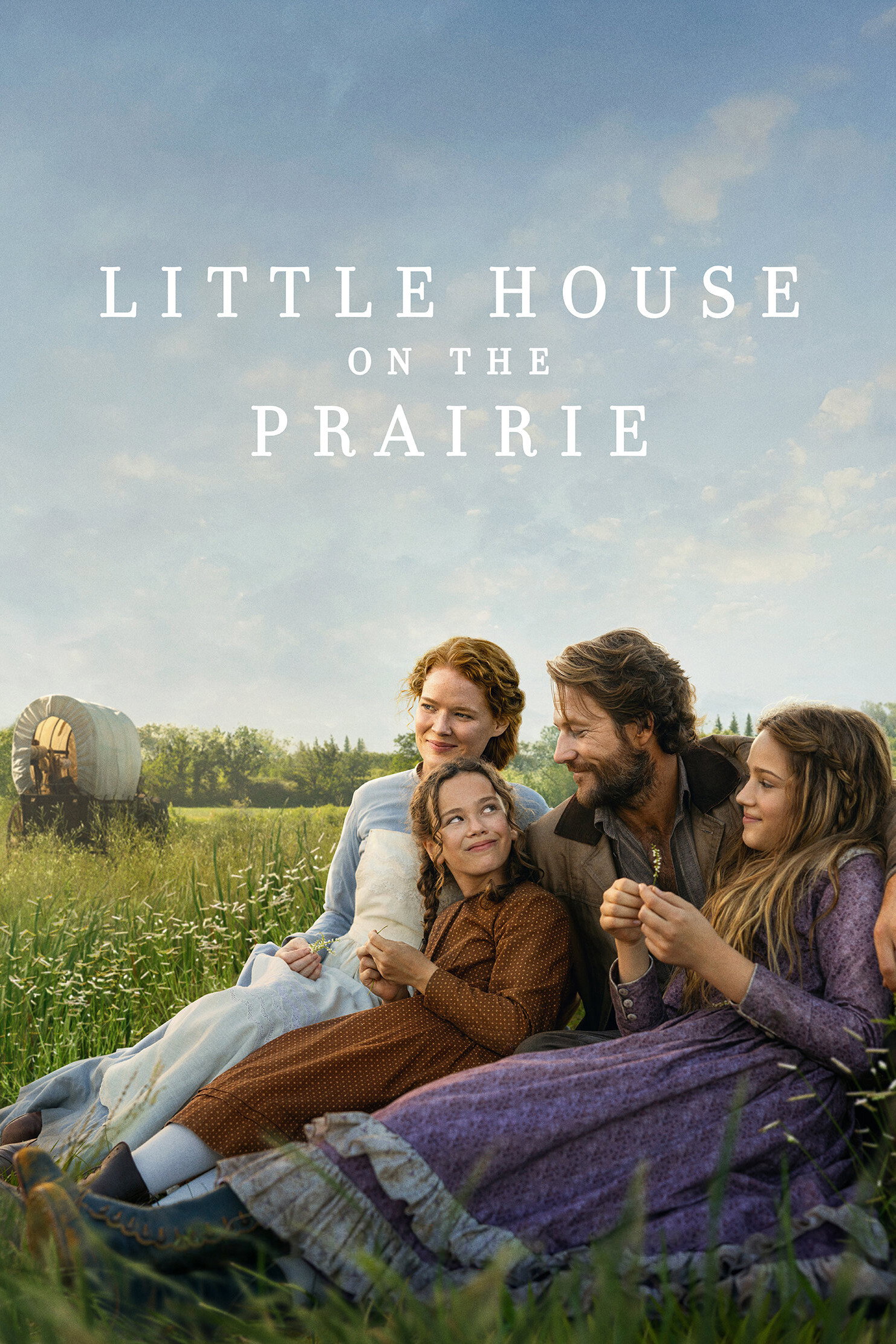
There’s a broader strategy at work here, too, and it’s a canny one. Wholesome, multi-generational family programming is a genuine gap in the crowded streaming landscape, which skews heavily toward gritty crime, prestige antiheroes, and edgy comedy. A sweeping, heartfelt frontier saga that grandparents, parents, and kids can all watch together is exactly the kind of broad-appeal comfort viewing that keeps a subscription feeling worth it. Netflix betting on old-fashioned family warmth, executed with modern craft, is a shrewd read of what a lot of households are actually hungry for.
So the covered wagons roll again, and the Ingalls family begins its journey anew for a fresh generation that may never have seen the original. This “Little House on the Prairie” isn’t trying to replace the show people grew up loving: it’s trying to reintroduce a timeless American story with new faces, harder edges, and modern polish. With strong early reviews, a second season already locked, and Nellie Oleson waiting in the wings, the frontier looks like fertile ground once more. Pull up a chair by the fire; the prairie has stories left to tell.
What Do You Think? Can any new cast escape the shadow of Michael Landon’s iconic Pa, or is that comparison unavoidable for a “Little House” reboot? Is a grittier, more historically honest take the right way to modernize the pioneer saga, or does it risk losing the cozy warmth that made the original beloved? And in a streaming world full of edgy prestige drama, is wholesome multi-generational family programming exactly the gap Netflix should be filling?
See you on the next binge!