Netflix dropped all eight episodes of “The Gentlemen” Season 2 at midnight Pacific, and by the time most people surfaced on Thursday morning, Eddie Horniman was not the man they left behind in Season 1. Guy Ritchie’s estate-and-weed farce spent its first season being genuinely funny about a decent man discovering he had a real talent for crime. Season 2 stops finding any of it funny. It takes everything Eddie built, sets fire to it inside the first two hours, and then spends six more watching what crawls out of the wreckage.
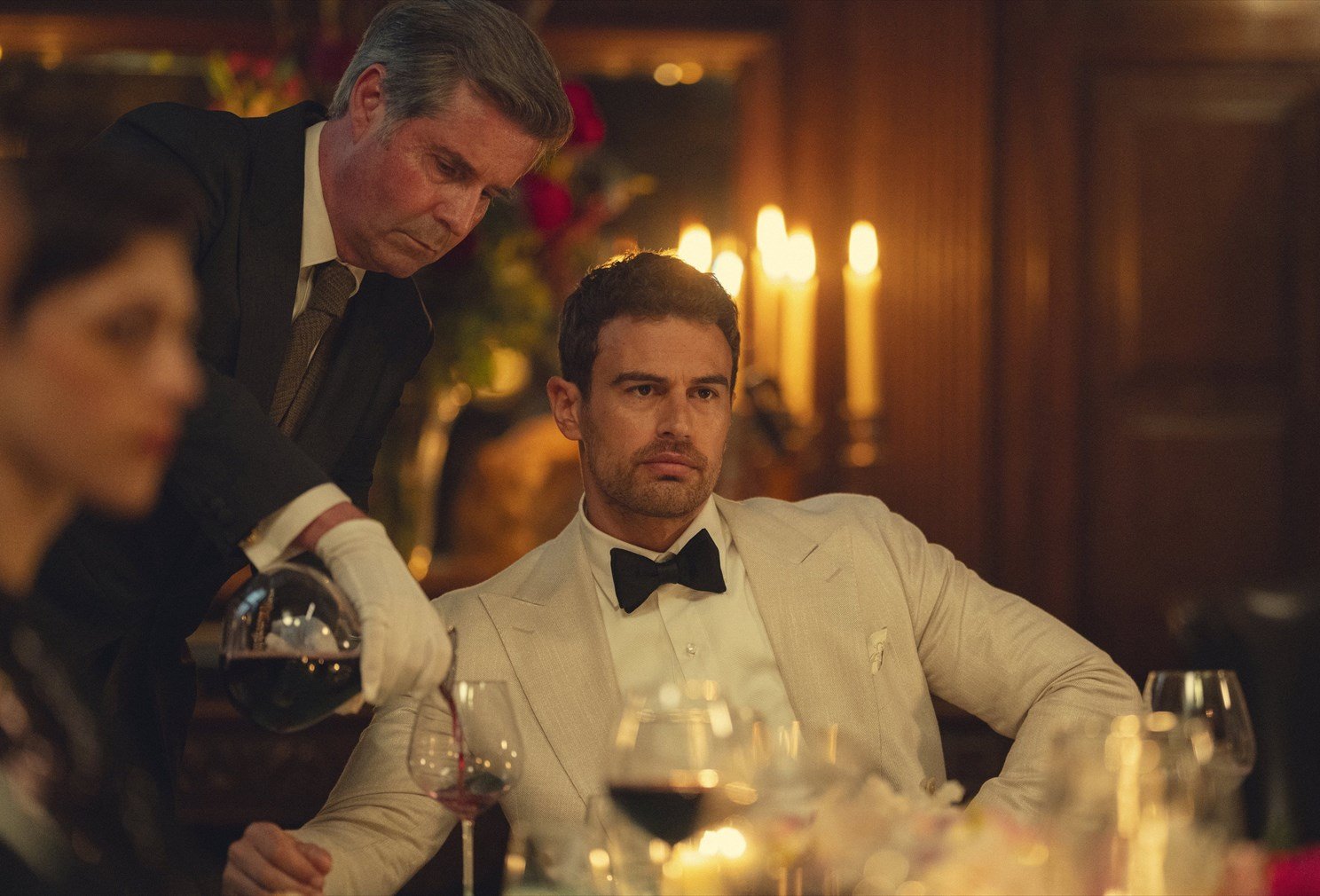
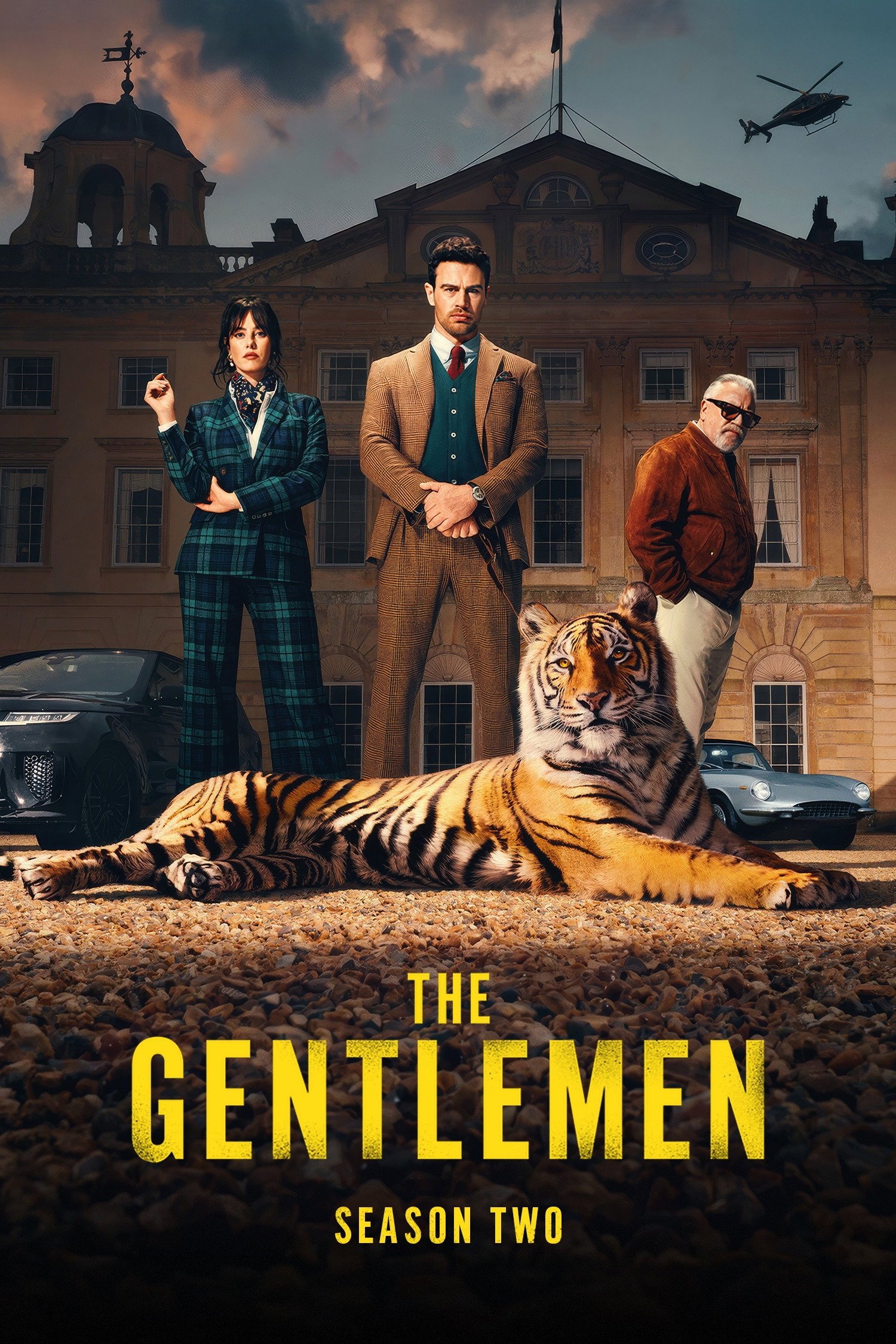
That is a serious swing for a show that made its name on charm, and it mostly connects. The season opens a year on, with Eddie (Theo James) and Susie Glass (Kaya Scodelario) running Bobby Glass’s (Ray Winstone) operation out across Europe, and quietly discovering that Bobby’s instincts, issued from a prison cell, get worse the further the empire travels from him. Then the show hands Eddie a wedding and takes it away in the same breath. Warning beyond this point there are spoilers for “The Gentlemen” Season 2, including Bella’s death, who was actually behind it, and the final scene of the finale.
It takes everything Eddie built, sets fire to it inside the first two hours, and then spends six more watching what crawls out of the wreckage.”
The opener, “The Road to Kingdom,” is the most Season 1 thing here, and it is a deliberate setup. Eddie has stopped pretending he is a reluctant participant. He is good at this now, he knows he is good at this, and the pleasure the show takes in watching an aristocrat negotiate with career criminals is still the best trick in its bag. Theo James plays the whole first stretch with a kind of relaxed competence that is genuinely new for the character, and it makes everything that follows land like a dropped anvil.
The Eddie and Susie partnership is the other thing carrying the early episodes, and Scodelario has never been better in the part. Susie spent Season 1 as the professional watching an amateur fumble toward competence. Here they are something closer to equals, which turns out to be more complicated for both of them, because equals disagree. Their scenes have a dry, clipped rhythm that the show is smart enough not to explain, and the season keeps finding new ways to test whether either of them actually trusts the other. Mostly the answer is no, and mostly that is fine.
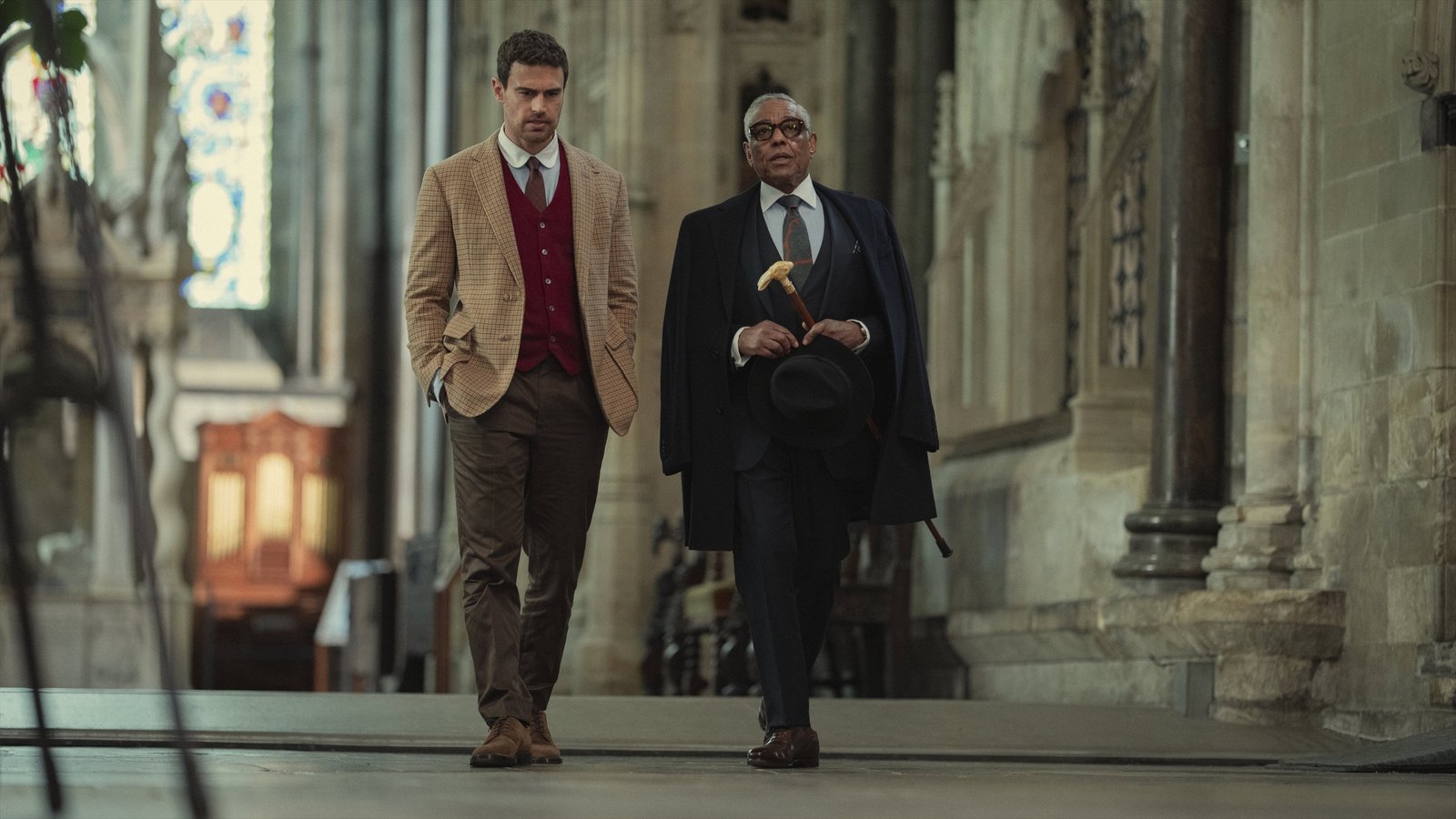
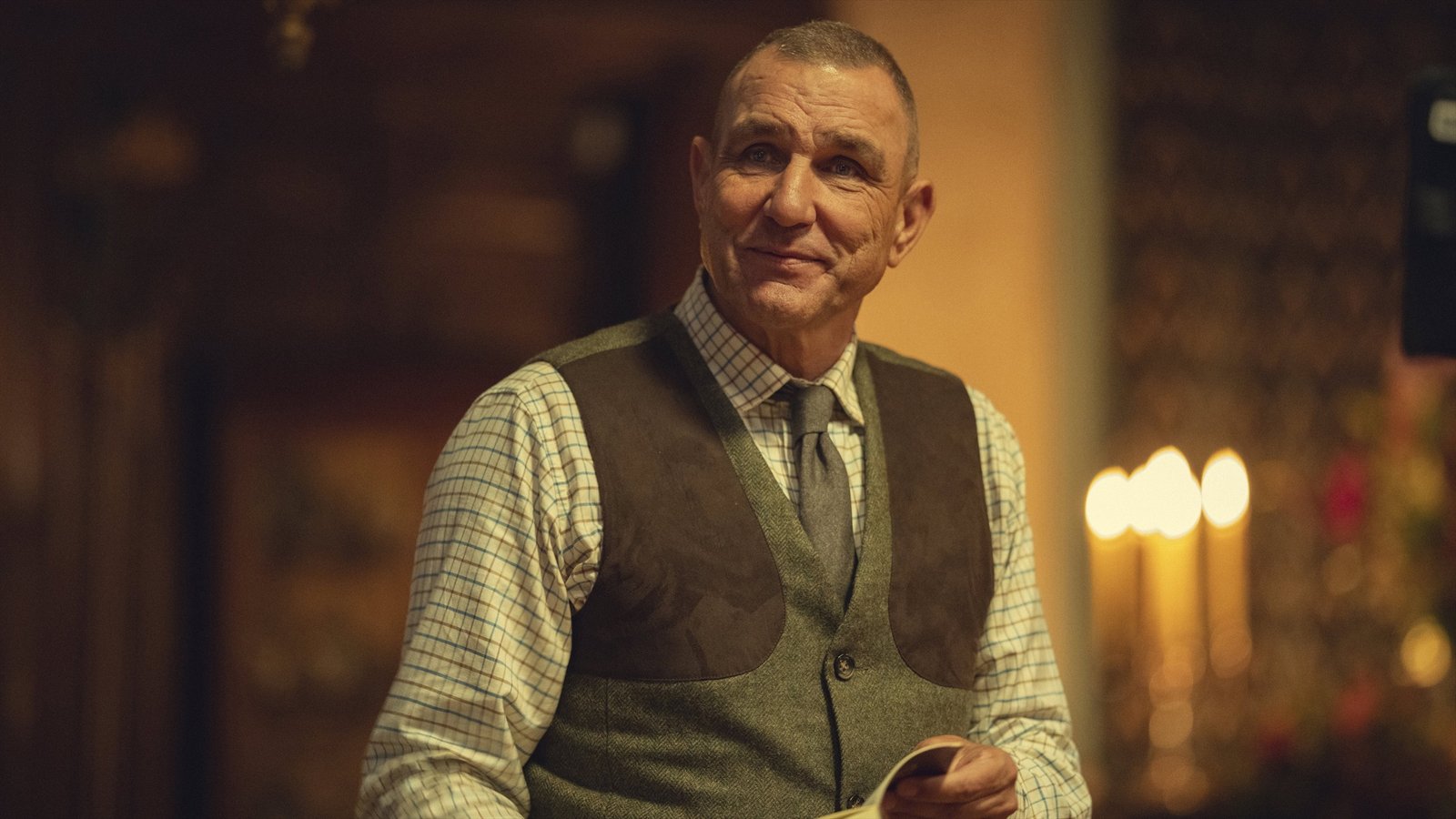
Around them the machinery starts grinding. Bobby is expanding faster than the operation can absorb, Uncle Stan (Giancarlo Esposito) is circling a hundred million pound debt that Eddie cannot service, and Geoff Seacombe (Vinnie Jones) remains the quiet moral floor the show returns to whenever it needs to remind you what these people are actually doing for a living. Esposito plays Stan as unhurried menace, a man who has never once needed to raise his voice, and every scene he shares with James is a negotiation Eddie is losing before it starts.
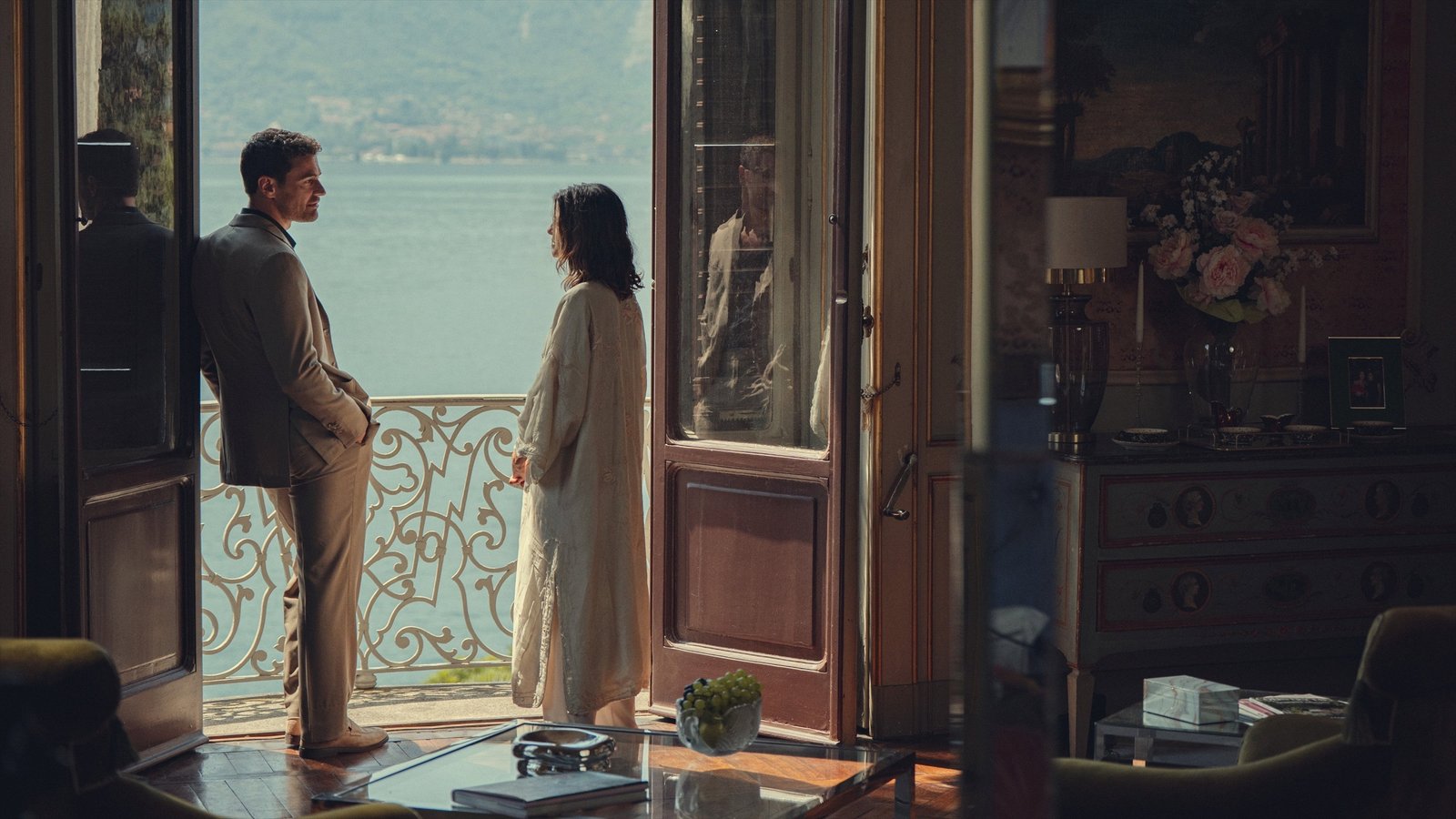
Then the season goes to Italy, and everything changes. Eddie meets and marries Bella (Benedetta Porcaroli), and for a few episodes “The Gentlemen” flirts with becoming a story about a man who might actually get out. That is the trap, and the show sets it patiently. It gives Eddie a reason to want a different life, lets him say so out loud, and puts a wedding on screen with enough warmth that you start believing the series might let him keep it.
It does not. Bella is killed in a seaplane explosion within touching distance of the wedding, and the show refuses to let it play as tragedy in any comfortable sense. There is no dignified grief montage and no scene where somebody tells Eddie it was not his fault. There is just a widower with a criminal network at his disposal and nothing left he is afraid of losing. From that point the season stops being a crime comedy in any meaningful way and turns into a revenge story wearing the old show’s suit.
What makes the middle stretch work is that Eddie is wrong. He is certain Bobby ordered it, and he is completely, catastrophically wrong, and the show lets him be wrong for a long and expensive time. He gets shot at, beaten close to death, double-crossed and buried alive chasing a man who did not do it. Watching a competent person apply real intelligence to entirely the wrong target is a better engine than a straight manhunt, and it is where the season earns the darkness it has been spending.
The Bobby misdirection resolves into something sharper than a simple no. Bobby did not order Bella’s death, but he had bought Eddie’s hundred million pound debt from Stan, which means he owns him, which means keeping Eddie alive was never mercy and was always arithmetic. Winstone plays the reveal without a flicker of apology. Susie is the one who finally lays out what actually happened, and Scodelario makes that scene the hinge of the season: she is not comforting him, she is handing him a loaded weapon and watching to see where he points it.
Where he points it is his own family. Gospel John (Pearce Quigley) orchestrated Bella’s death as payment for his brother, killed back in Season 1, and Quigley is quietly terrific in a small number of scenes, playing a man who considers his own viciousness a form of bookkeeping. But Gospel John could not have reached Eddie alone, and the season has been laying the other half of the answer since its first hour. Freddy Horniman helped him. Eddie’s brother, who never stopped resenting that the Halstead title went the other way.
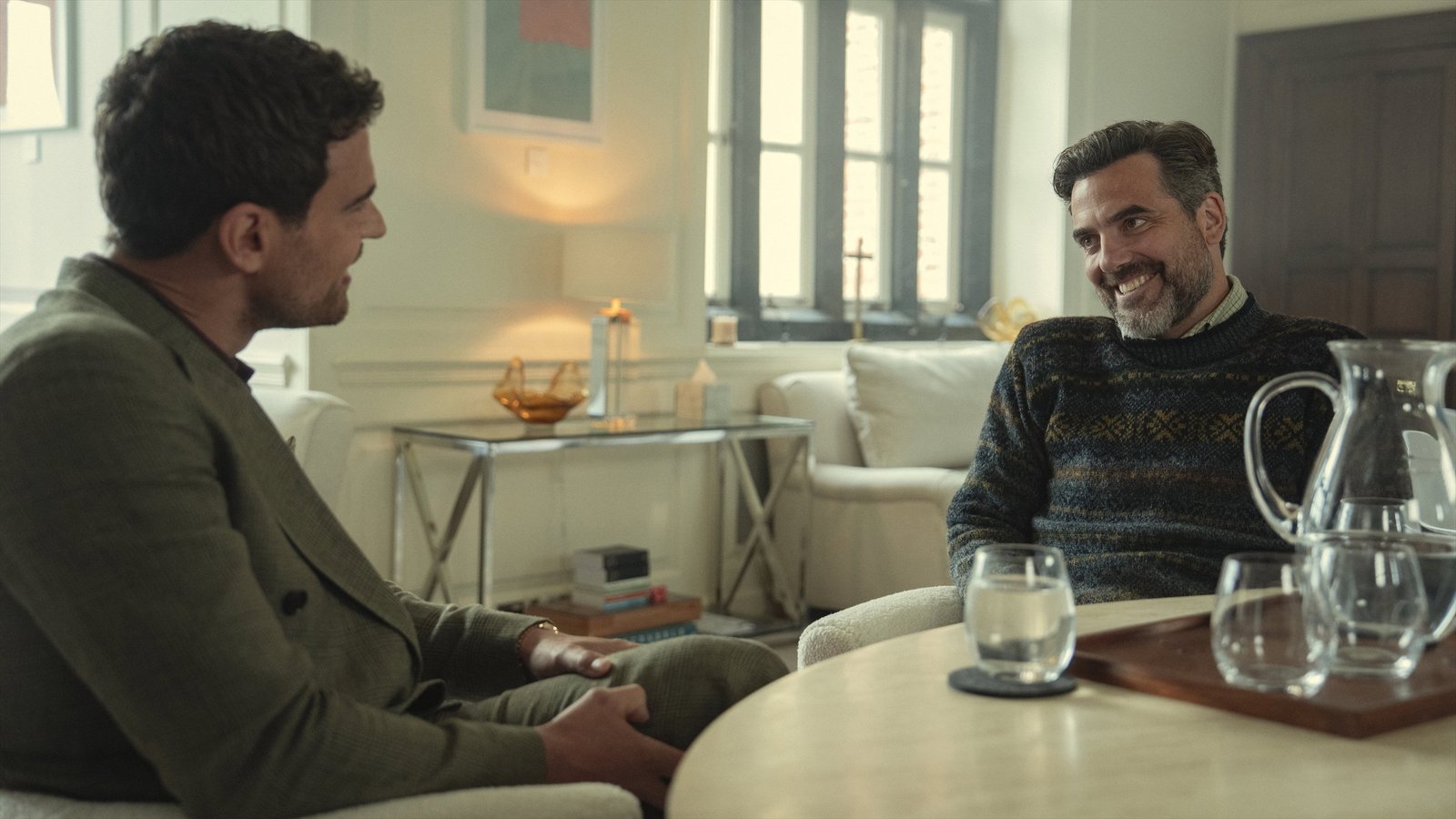
Daniel Ings has always been the show’s secret weapon, and Season 2 finally asks him to be something other than comic relief. Freddy has spent two seasons as a liability everyone tolerates because he is family, a man whose failures were funny precisely because they were survivable. The season withdraws that protection completely. Ings plays the confession as a man who genuinely does not understand the size of what he has done until he watches it register on his brother’s face, and it recontextualises every stupid, needy thing he has done since the pilot.
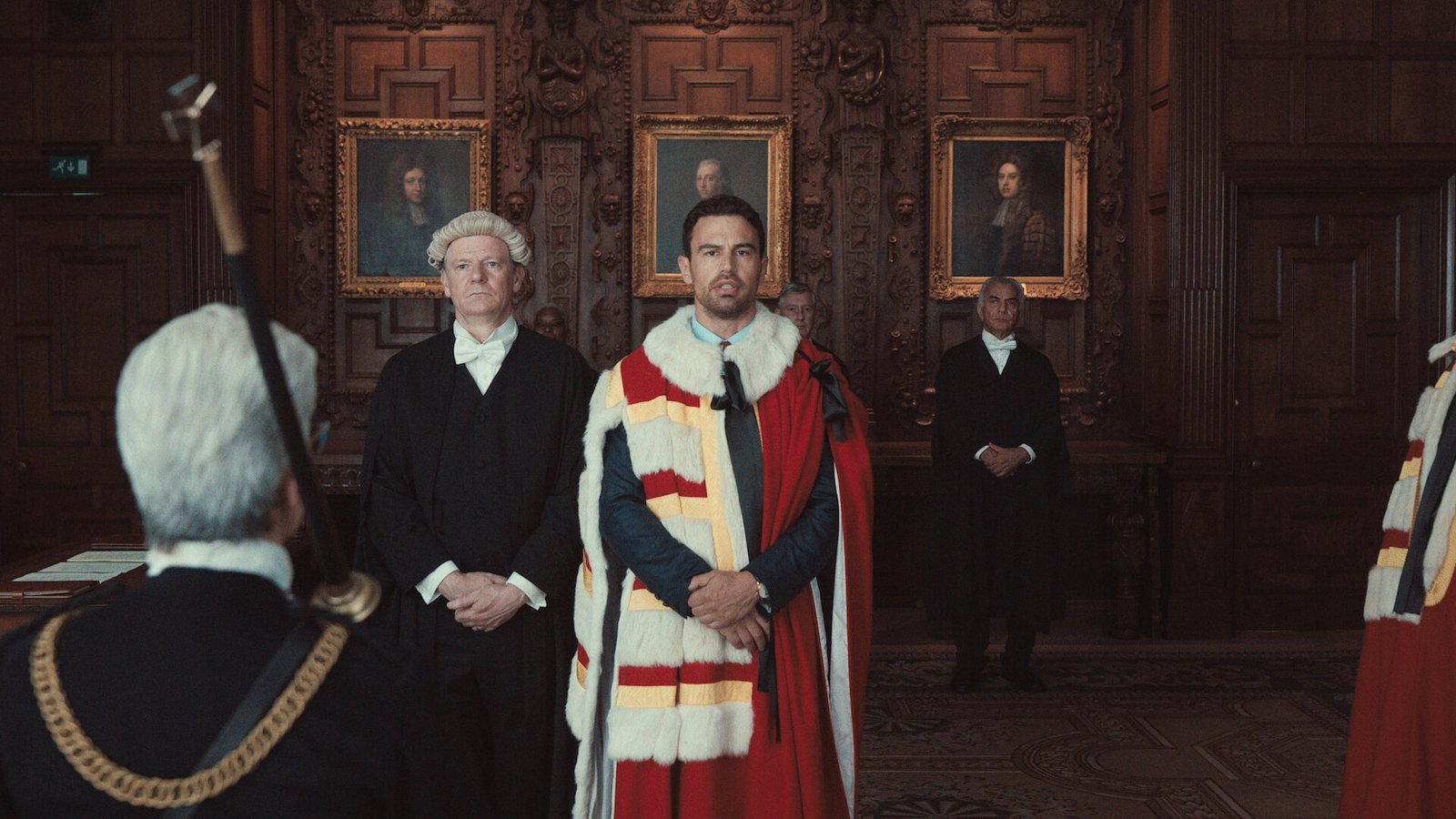
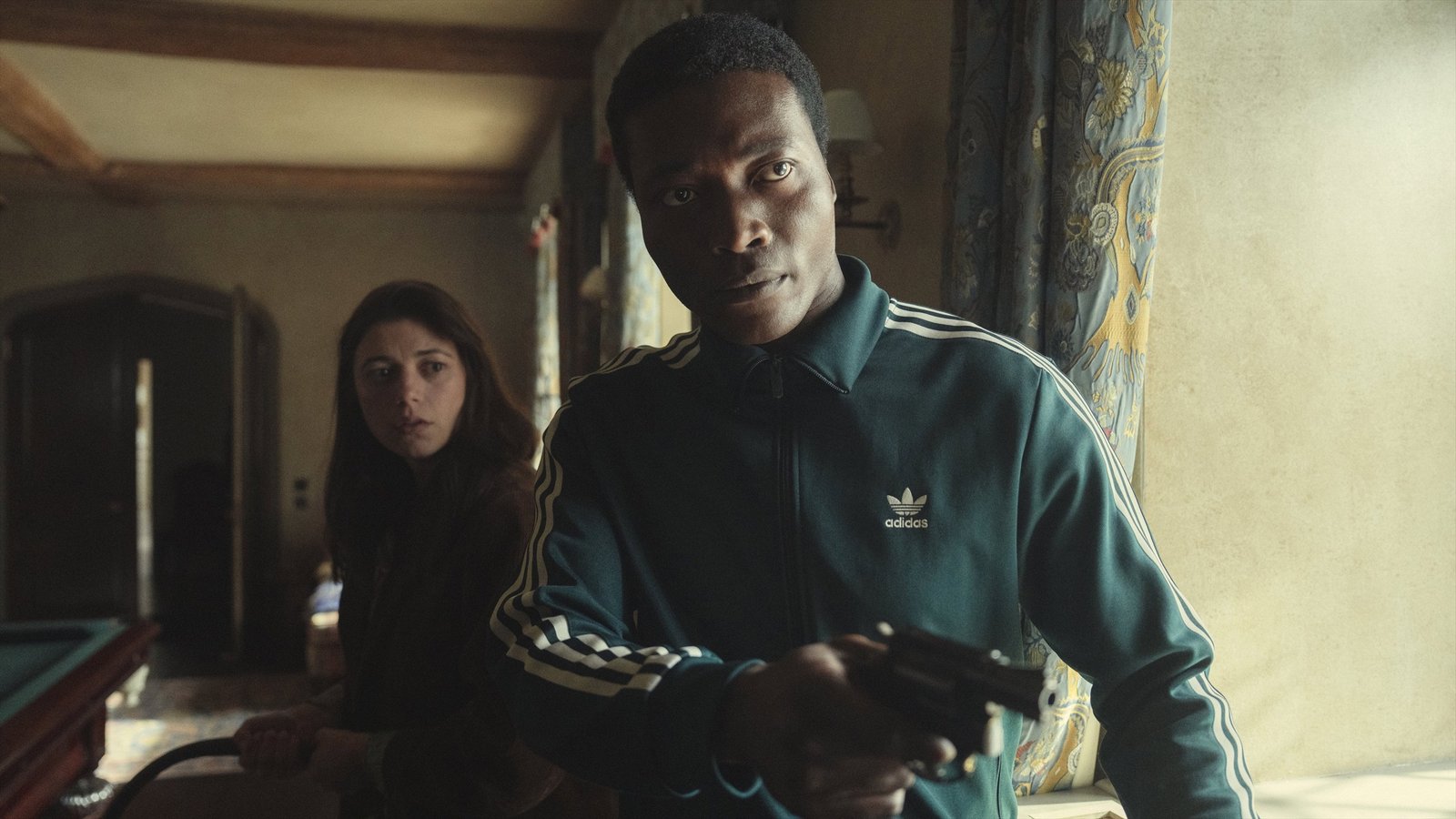
The finale is called “Bring Me the Head,” which tells you the show is not being coy about where this ends. Eddie beats Freddy and then does not kill him, and for a moment it reads like mercy. It is not. He locks his brother in a van with a bound and bleeding Gospel John and a chainsaw, and makes him do it himself. The camera stays outside. It is the single most brutal choice the series has ever made, and it is made almost entirely in sound.
Then the doors open, Freddy climbs out drenched in blood holding Gospel John’s severed head, and Eddie says two words: “Good boy.” That is the ending. Not a shootout, not a coronation, just a man who has finally worked out that the most effective thing he owns is other people’s fear of him, and a brother permanently converted into an instrument. It is the same beat “The Godfather” runs, and the show knows it, and it has earned the comparison more than it had any right to.
Whether it is earned depends on what you wanted from this show. If you came for the Ritchie patter and the class comedy, Season 2 spends most of its eight hours taking that away from you on purpose, and the two lightest episodes are both in the first half. If you wanted to know what actually happens to a decent man who keeps choosing the expedient thing, this is the season that answers it, and the answer is genuinely upsetting. Netflix renewed it for a third season on 24 August, more than a week before this one landed, so the fallout is coming. On this evidence, there is a lot of it.
What Do You Think? Was forcing Freddy to kill Gospel John the moment Eddie stopped being the protagonist of this show, or had that already happened somewhere in Italy? Does Bobby owning Eddie’s debt make a Season 3 alliance impossible, or is that exactly the leash the series wants? And after everything, is there any version of the Horniman brothers that survives what happened in that van?
See you on the next binge!