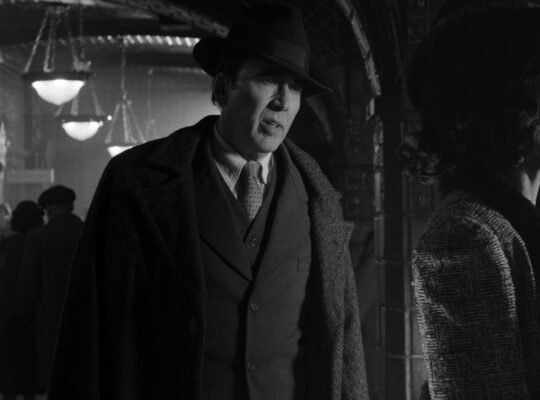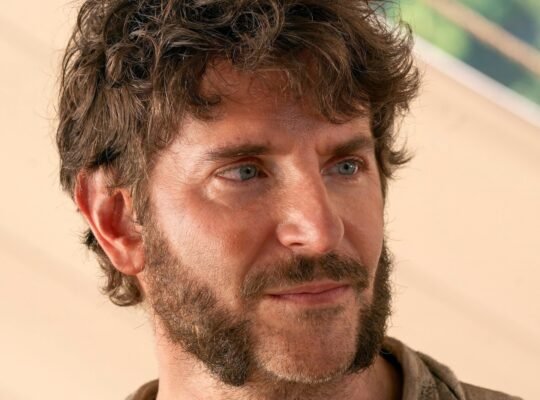
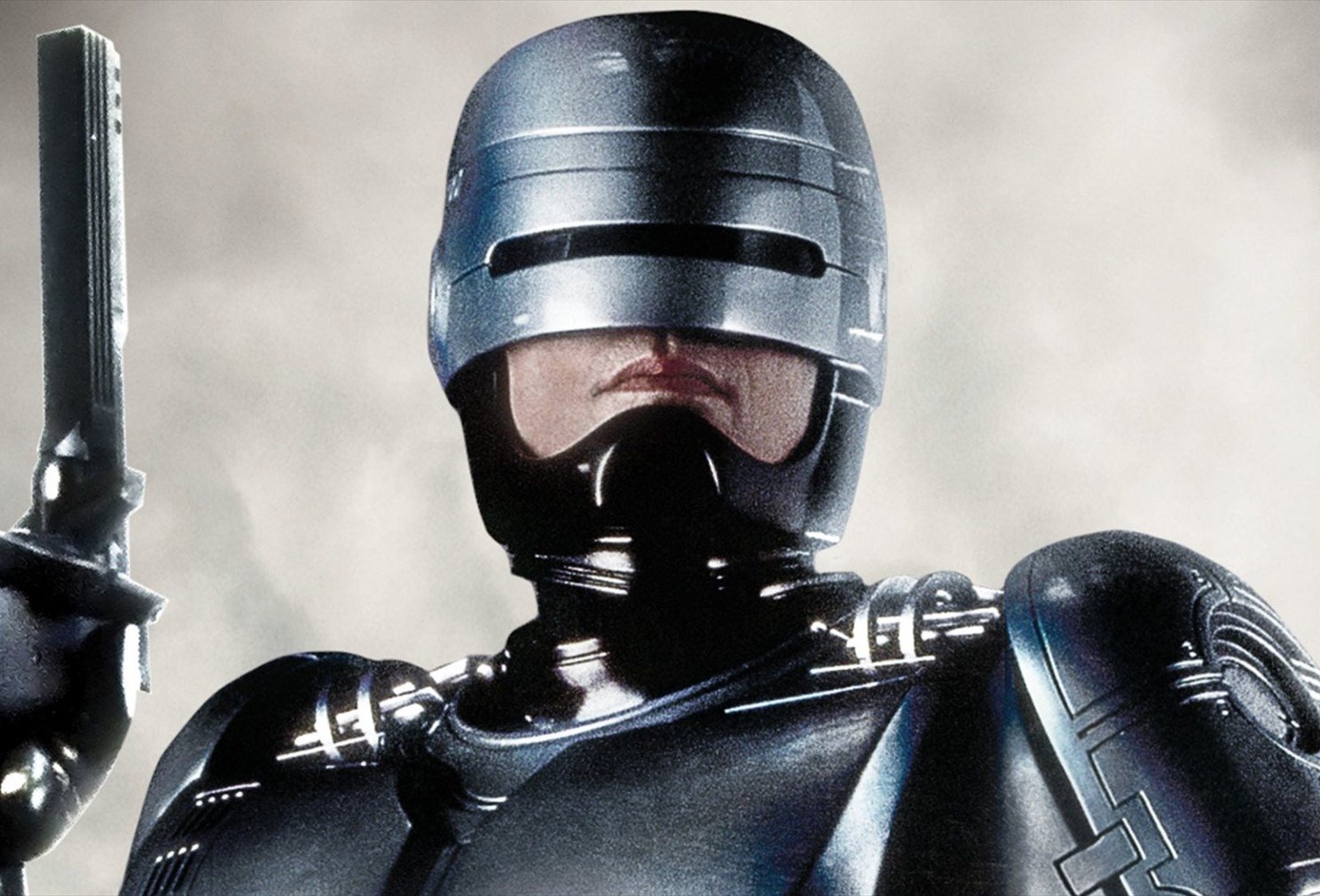
Prime Video has found its Alex Murphy, and the choice is stranger and better than the shortlist chatter suggested. Dan Stevens will play the dead cop rebuilt as a machine in Amazon MGM’s eight episode “RoboCop” series, a role three actors have carried on film and two more have carried on television, none of them since 2014. Stevens is the first one who arrives with a decade of evidence that he can do the specific thing this part needs. And the whole enterprise carries a joke so large that nobody involved can possibly have missed it.
The facts first, because they are unusually complete for a casting announcement. Peter Ocko, who made the beloved and quietly furious “Lodge 49,” is showrunner, writer and executive producer. James Wan executive produces with Michael Clear and Rob Hackett through Blumhouse Atomic Monster. The genuinely encouraging credit is at the end of the list: Ed Neumeier and Michael Miner, who wrote the 1987 original, are executive producers on this one. Amazon MGM’s official logline reads that “a giant tech conglomerate convinces the city to place a powerful robot on its police force, a robot implanted with the consciousness of a beloved, fallen officer, Alex Murphy.” Eight episodes, no release date, and the series was only greenlit about a month ago.
Stevens is the first one who arrives with a decade of evidence that he can do the specific thing this part needs. And the whole enterprise carries a joke so large that nobody involved can possibly have missed it.”
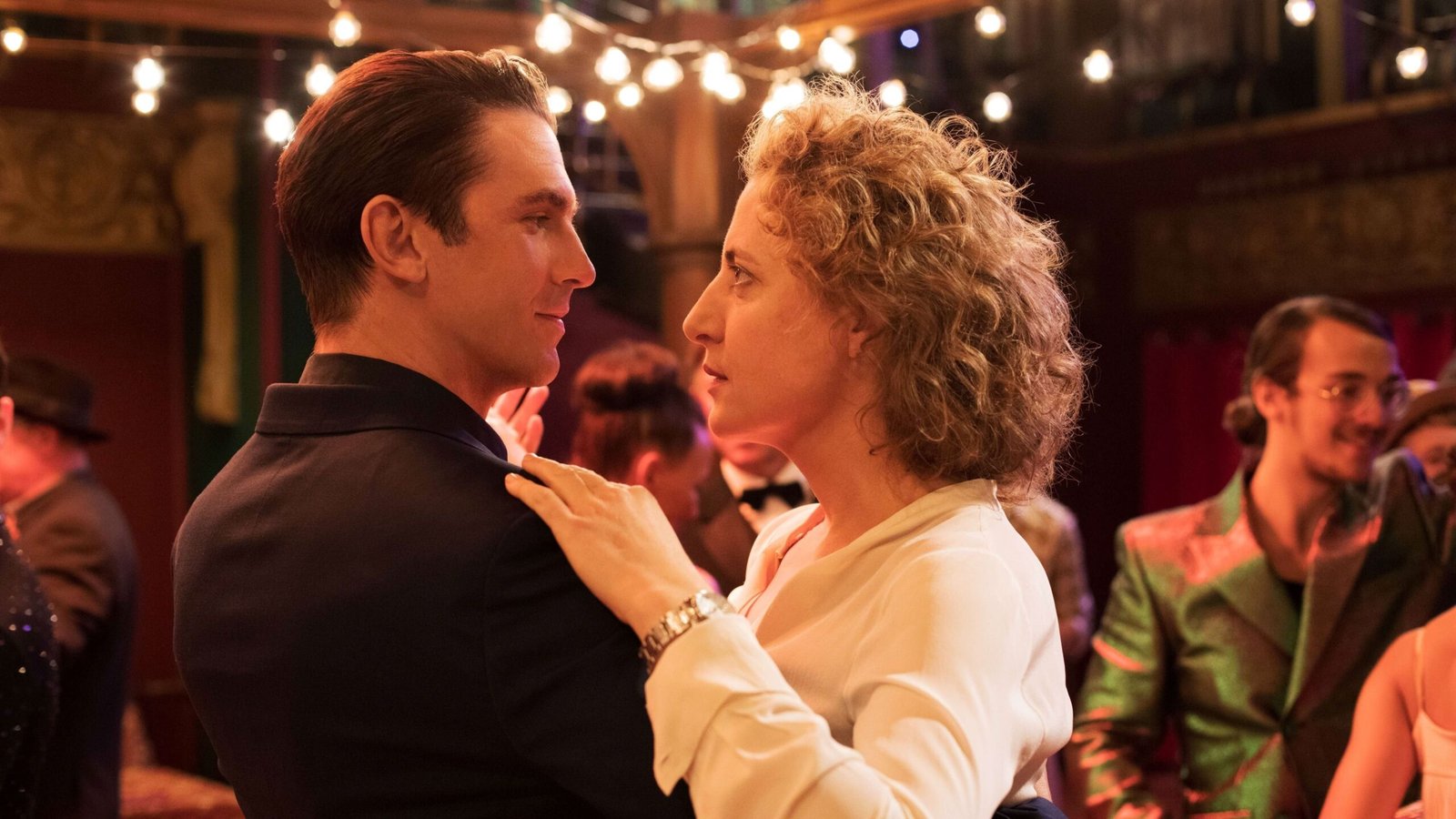
Here is why Stevens is the interesting part. He has spent roughly ten years building a career out of playing men who are not entirely men. He was a literal android in the German film “I’m Your Man,” a romance in which the whole performance is a machine learning to approximate a person and failing in ways that land as tender. He was the Beast in Disney’s “Beauty and the Beast,” which meant acting a full leading role through a layer that was not his face. He was David Haller in “Legion,” a man who cannot tell which of his own thoughts belong to him, and he was whatever the thing in “The Guest” actually was. That is not a range problem. That is a specialism, and it happens to be exactly the specialism RoboCop requires.
The part is harder than it looks, which is why the record on it is uneven. Peter Weller played Murphy in 1987 and again in 1990 and understood that the performance lives entirely in the mouth and the neck, because everything else is armour. Robert John Burke took over for “RoboCop 3” in 1993. Richard Eden carried a syndicated television version in 1994, Page Fletcher took the miniseries “Prime Directives” in 2000, and Joel Kinnaman led the 2014 film. Five actors, one great performance, and the gap between them is not talent. It is whether the production around them remembered that Murphy is a grieving man trapped in a product, not a superhero with a visor.
What made the original work was never the action, and this is the thing every follow up has struggled to reproduce. Paul Verhoeven shot a film in which a corporation called Omni Consumer Products buys the Detroit police department outright, demos a law enforcement robot in a boardroom, watches it execute an executive by mistake, and treats the death as a scheduling problem. The film keeps cutting to television commercials selling artificial hearts and a family board game about nuclear war. Murphy’s murder is filmed with a cruelty that got the picture recut repeatedly to escape an X rating. It is a comedy about a country that has decided to sell its own public services, and the violence is the punchline, not the point.
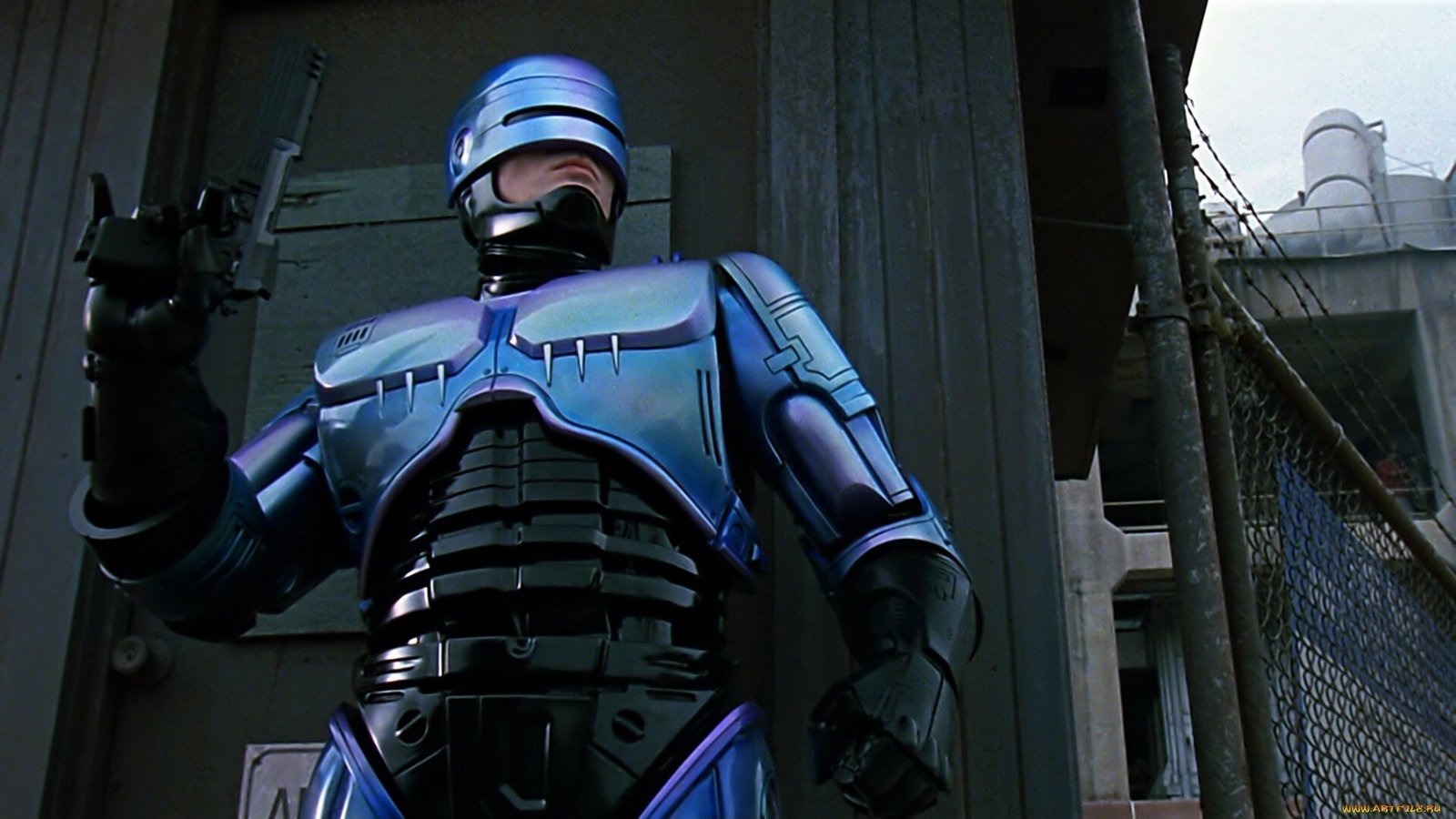
Which brings us to the part nobody at Amazon is going to say out loud. The logline of this series describes a giant tech conglomerate persuading a city to hand policing over to a machine it owns. That series is being financed and distributed by one of the largest tech conglomerates in human history, a company that sells municipalities cloud infrastructure, ran a doorbell camera network that partnered with hundreds of American police departments, and markets facial recognition software. Amazon MGM’s own statement says the show “honors the soul of what made the original so enduring while building something entirely fresh and urgent for today.” Urgent for today is doing a lot of work in that sentence, and we would love to know who wrote it.
This is not automatically fatal, and it might even be the most interesting tension the project has. Verhoeven made an anti corporate satire inside the Hollywood studio system, which is itself a corporation, and the film is sharper for the friction rather than softer. The 2014 remake failed for the opposite reason: José Padilha delivered a competent, PG-13, largely sincere action film about drone warfare and press manipulation that forgot to be funny, and a RoboCop that is not funny is just a man in a suit. Sincerity is the trap here, not commerce. The presence of Neumeier and Miner on the executive producer list is the single strongest signal that somebody in the building knows that.
What we do not have yet is most of it. There is no release date, no director attached to the pilot, no word on Lewis or Clarence Boddicker or OCP’s boardroom, and no indication whether this is set in Detroit or somewhere the tax credits are better. We do not know the rating, which for this property is the entire ballgame, because a “RoboCop” that cannot show you what a corporation is willing to do to a human body has already lost the argument. Ocko’s “Lodge 49” was a warm, funny, deeply strange show about people crushed by late capitalism who kept being kind to each other anyway, so the instinct is probably right. Whether a streamer lets him aim it at the streamer is a different question.
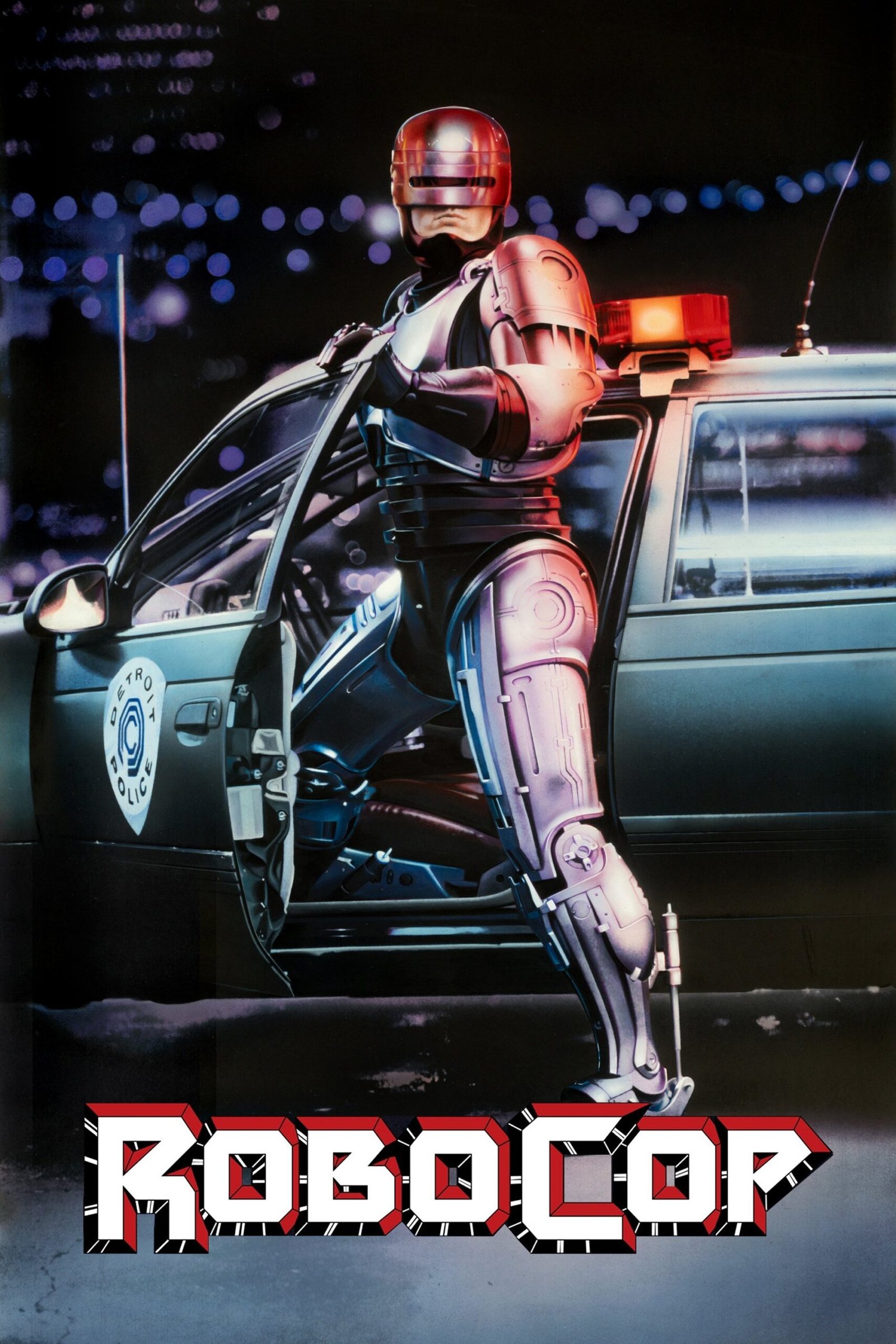
So the honest read on the casting is that it is the best decision this project has made so far. Stevens can carry a performance from behind a faceplate, he is funny in a dry way that satire needs, and he has never once seemed embarrassed by genre work, which matters more than people admit. Eight episodes is also the right length: enough to build the corporate machinery around Murphy that a two hour film has to skip, and short enough to avoid the sag that kills most streaming adaptations in the middle. The pieces are good. The question is whether the company paying for it can sit still while the show explains what companies like it tend to do.
What Do You Think? Is Dan Stevens the right man to play a grieving cop welded inside a corporate product, or does the part still belong to Peter Weller in a way nobody can dislodge? Can a genuinely mean satire about a tech giant buying a police force get made by a tech giant, or does the edge come off somewhere in development? And what is the one thing this series has to get right in episode one for you to keep going?
See you on the next binge!