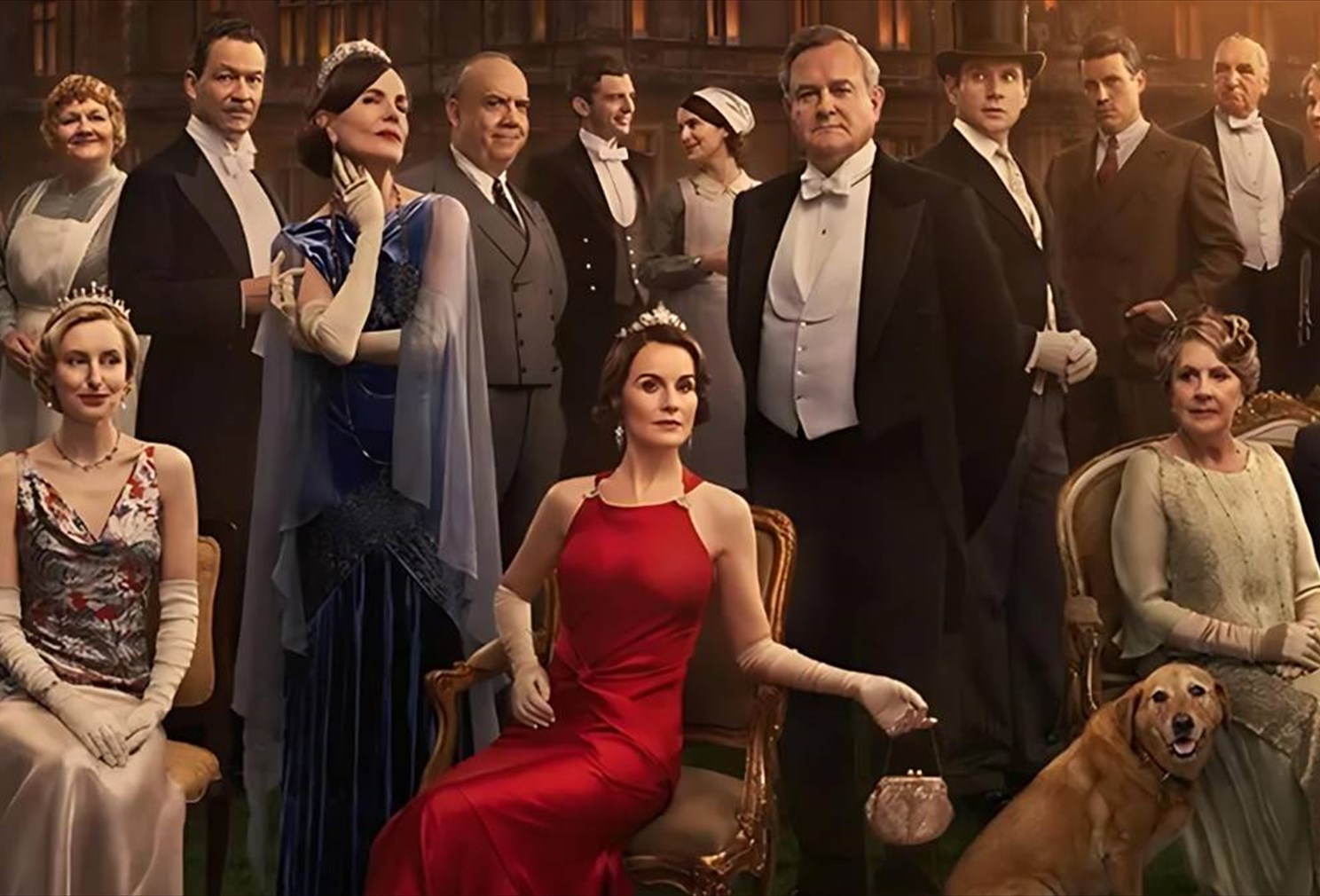
Some franchises end with an explosion. Downton Abbey ends the way it always lived: with a dinner gong, a perfectly pressed collar, and the quiet ache of a world slipping out from under the people who thought it would last forever. On September 12, “Downton Abbey: The Grand Finale” arrived in cinemas from Focus Features, and the title isn’t playing coy. This is the end. After six television seasons and two previous films, Julian Fellowes is finally locking the great house’s doors, and the movie knows exactly how much weight that carries.
Simon Curtis returns to direct from Fellowes’ screenplay, and the story pushes the Crawleys into the 1930s, a decade that could not be less kind to their kind. The Great Depression is grinding through the economy, the old certainties of the landed gentry look more fragile by the day, and a second world war sits just over the horizon that the characters can’t see but the audience can. That’s always been Downton’s quiet trick: dressing enormous historical change in the small manners of one household, letting the tremors of a whole century show up as a change in who sits where at the table. Warning: beyond this point there are spoilers for “Downton Abbey: The Grand Finale” and how the franchise closes out the Crawley family’s story.
Some franchises end with an explosion. Downton Abbey ends the way it always lived: with a dinner gong, a perfectly pressed collar, and the quiet ache of a world slipping out from under the people who thought it would last forever.”
Lady Mary (Michelle Dockery) carries much of the film, as she has carried the family through every crisis since the Titanic took her first fiancé off the board in the pilot. Hugh Bonneville’s Lord Grantham, Elizabeth McGovern’s Cora, and the ever-loyal Carson (Jim Carter) are all present for the send-off, and the ensemble the show spent years building, upstairs and down, gets the room to say goodbye properly. Fellowes has always understood that the servants’ hall matters as much as the drawing room, and the finale honors that balance rather than shrinking the staff into background.
The new blood keeps things from curdling into pure nostalgia. Paul Giamatti returns as Cora’s brash American brother Harold Levinson, a jolt of New World bluntness in a very Old World room, and Dominic West is back as film star Guy Dexter. Joely Richardson, Alessandro Nivola, Simon Russell Beale, and Arty Froushan join the cast, bringing fresh faces into a story that has to justify one more trip to the well. The plot leans into scandal and reinvention, the Crawleys forced once again to adapt or sink, and the drama works best when it lets the 1930s squeeze the family rather than manufacturing a villain to fight.
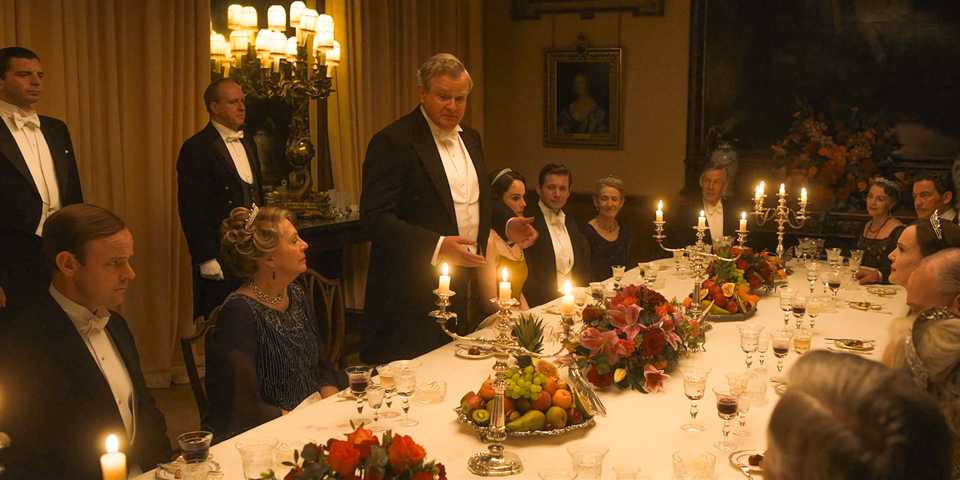
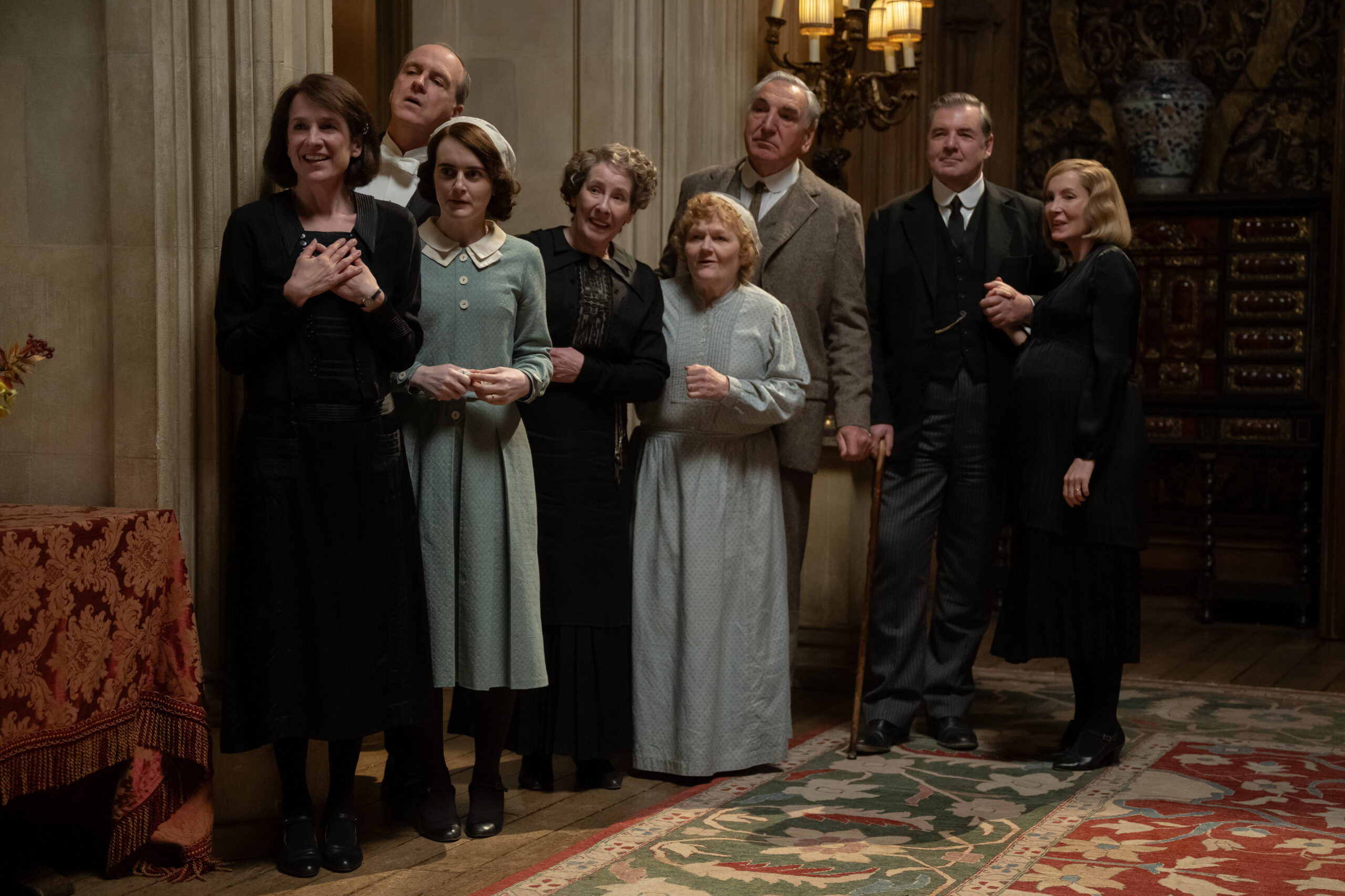
You cannot talk about this film honestly without talking about the absence at its center. Maggie Smith, whose Dowager Countess Violet was the tart soul of the entire series, died in 2024, and while her character had already passed on within the story back in “A New Era,” her real-world loss hangs over every frame of this goodbye. Downton without Violet’s poison-tipped one-liners was always going to feel lighter, and the finale carries the awareness that it is closing the book not just on characters but on an era of the cast itself. There’s a graceful, mournful quality to it that a shinier ending would have missed.
What impresses about the movie is its refusal to betray the show’s DNA for the sake of a big finish. There’s no sudden thriller subplot, no last-minute reinvention. It commits to being what Downton always was: a warm, gently melancholy soap about decent people navigating a changing world with as much dignity as they can manage. For a certain kind of viewer that’s exactly the comfort they’ve tuned in for since 2010, and denying them that in the name of spectacle would have been a betrayal. Fellowes clearly understands his audience, and he sends them off with the tea service they came for.
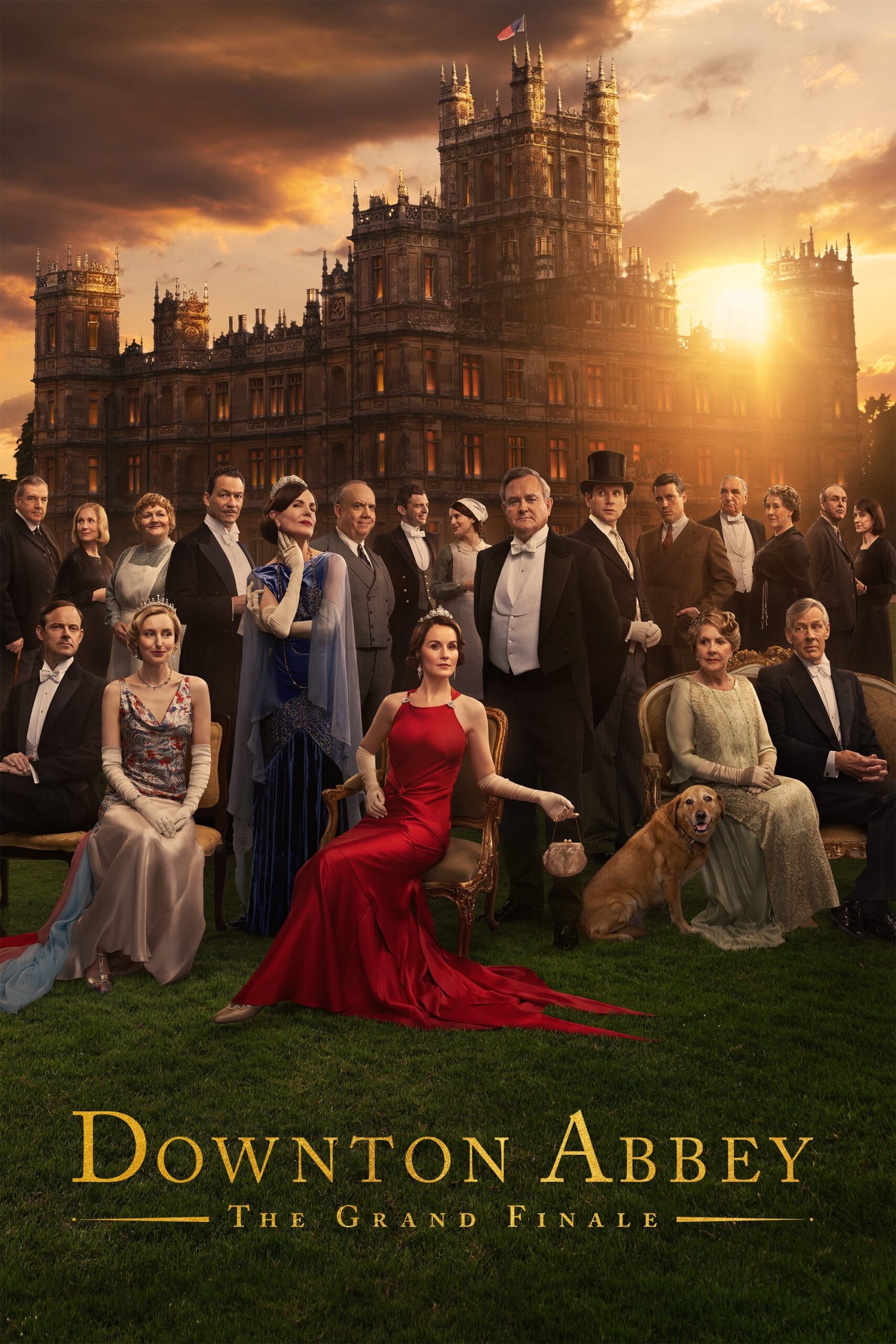
The numbers back the affection. The film grossed north of a hundred million dollars worldwide, a striking figure for a stately period drama with no capes and no explosions, proof that a devoted audience will still turn out in force for a proper ending. In an era where studios chase four-quadrant blockbusters, there’s something quietly triumphant about a Sunday-best drama about inheritance law and dinner etiquette outperforming expectations one last time. It’s a reminder that the Crawleys were never a niche: they were a global comfort blanket.
Is it a great film on its own terms? Probably not, and it doesn’t need to be. As the last chapter of a saga that turned aristocratic decline into appointment viewing across the world, it does the harder thing well: it lands the emotional plane. The Crawleys and their staff have earned a farewell that treats them tenderly, and The Grand Finale delivers exactly that, sending Downton into the history books with its manners intact and its heart, for once, worn openly on its sleeve. After fifteen years, that feels like the right way to say goodbye.
What Do You Think? Does ending in the 1930s with the Depression closing in give the finale a darker, more honest edge than a simple happy send-off would have, or does the franchise pull its punches to keep things cozy? How much does Maggie Smith’s real-world absence change the emotional register of this goodbye compared to the earlier films? And after fifteen years, does Lady Mary earn the position as the true heart the whole saga was building toward, or does the ensemble deserve more of the final bow?
Catch up properly: every Downton Abbey season and film in chronological order on our Timeline Hub’s Downton Abbey timeline.
See you on the next binge!